Are you tired of struggling to see clearly through your binoculars because your eyes just can’t get close enough? If you wear glasses or simply want a more comfortable viewing experience, eye relief is a crucial feature you need to understand.
You might have heard that roof prism binoculars offer longer eye relief, but is that really true? You’ll discover exactly how roof prism binoculars measure up when it comes to eye relief—and what that means for your comfort and enjoyment every time you use them.
Keep reading to find out how to get the best view without straining your eyes.

Credit: huligun.com
Roof Prism Binoculars Basics
Roof prism binoculars have a straight barrel design. They are compact and easy to carry.
These binoculars use prisms to flip the image right side up. This helps you see clear and sharp views.
Design And Structure
Roof prism binoculars have prisms aligned in a straight line. This makes the binoculars thinner and lighter.
The design hides the prisms inside the tube. This protects them from dust and damage.
- Straight barrel shape
- Compact and lightweight
- Internal prism alignment
- Durable and protected structure
Common Uses
People use roof prism binoculars for many outdoor activities. They are easy to carry on hikes and trips.
These binoculars work well for bird watching, sports events, and travel. Their compact size makes them popular.
- Bird watching
- Sports viewing
- Hiking and camping
- Travel and sightseeing
What Is Eye Relief?
Eye relief is the distance between your eye and the binocular lens. It shows how far you can hold the binoculars from your eyes and still see the full image.
Longer eye relief means you can see clearly even if your eyes are farther from the binoculars. This is helpful for comfort and usability.
Importance For Eyeglass Wearers
Eyeglass wearers need longer eye relief to see the full view through binoculars. Without enough eye relief, the edges of the image appear blurry or cut off.
Binoculars with short eye relief force eyeglass users to press the lenses close to their glasses. This can be uncomfortable and limits the viewing experience.
- Long eye relief lets eyeglass users keep glasses on
- Prevents black rings or vignetting around the image
- Makes viewing more comfortable and natural
Measurement Standards
Eye relief is usually measured in millimeters. The number shows the maximum distance from the eyepiece where you can see the full image.
Manufacturers test eye relief by moving the eyepiece away from the eye until the view starts to darken. This distance is the eye relief.
| Eye Relief (mm) | Comfort Level for Eyeglass Users |
|---|---|
| Less than 10 | Usually too short |
| 10 to 15 | Moderate comfort |
| 15 or more | Best for eyeglass wearers |
Eye Relief In Roof Prism Binoculars
Eye relief is the distance between your eye and the binocular lens where you can see the full field of view. Roof prism binoculars are popular for their compact design and sharp images. Understanding their eye relief helps users find the best fit for comfort.
Longer eye relief is important for people who wear glasses. It allows them to see the entire image without moving their eyes or glasses.
Typical Eye Relief Length
Most roof prism binoculars offer eye relief between 12 mm and 20 mm. This range suits most users, including those who wear glasses.
- Standard binoculars have about 12-15 mm eye relief.
- Models designed for glasses often reach 16-20 mm.
- Very long eye relief binoculars can go beyond 20 mm.
Factors Affecting Eye Relief
Several factors change how long the eye relief is in roof prism binoculars. These include design, lens size, and the eyecup type.
| Factor | Effect on Eye Relief |
| Prism Design | Compact roof prisms may have shorter eye relief than Porro prisms. |
| Lens Diameter | Larger lenses can allow longer eye relief but add weight. |
| Eyecups | Adjustable eyecups help users set the right distance for comfort. |
| Optical Coatings | Good coatings improve image clarity at longer eye relief. |
Comparing Roof Prism To Porro Prism
Binoculars use different prism designs to bend light and create clear images. Two common types are roof prism and porro prism. Each has unique features that affect eye relief.
Eye relief is the distance from the eyepiece lens to your eye while still seeing the full image. This affects comfort and usability, especially for people who wear glasses.
Differences In Eye Relief
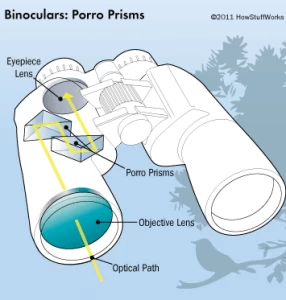
Roof prism binoculars often have shorter eye relief than porro prism models. The design of roof prisms is compact, which can limit space inside the eyepiece. Porro prisms tend to be bulkier but allow for longer eye relief.
- Roof prism eye relief usually ranges from 12mm to 18mm.
- Porro prism eye relief can exceed 18mm, sometimes up to 20mm or more.
- Longer eye relief helps users see the full view without moving their eyes.
- Shorter eye relief may cause a smaller viewing area or black edges.
Impact On User Comfort
| Feature | Roof Prism | Porro Prism |
|---|---|---|
| Eye Relief Length | Short to Medium (12-18mm) | Medium to Long (15-20mm+) |
| Comfort for Glasses Wearers | Less Comfortable | More Comfortable |
| Weight and Size | Compact and Lightweight | Larger and Heavier |
| Ease of Use | May require precise eye positioning | More forgiving eye placement |
Users who wear glasses usually find porro prism binoculars more comfortable. The longer eye relief means they can see the full image without removing their glasses. Roof prism binoculars need closer eye placement, which can be harder with glasses.
Myths About Longer Eye Relief
Many people think roof prism binoculars always have longer eye relief. Eye relief means the distance your eye can be from the lens while still seeing the full image. It is important for people who wear glasses.
This article clears up common myths about roof prism binoculars and their eye relief. Knowing the facts helps you choose the right binoculars for your needs.
Common Misconceptions
One myth is that roof prism binoculars always offer longer eye relief than other types. This is not true. Eye relief depends on the design and manufacturer, not just the prism type.
Another misconception is that longer eye relief means better image quality. Eye relief and image quality are separate features. Long eye relief helps with comfort, not clarity.
- Roof prism design does not guarantee long eye relief
- Eye relief varies across different binocular models
- Long eye relief is important mostly for eyeglass wearers
- Image quality depends on lens and prism quality, not eye relief
What Users Should Know
Check the eye relief specification before buying binoculars. It is listed in millimeters. At least 15mm is good for eyeglass wearers. Less than that can cause a narrow view.
Try the binoculars if possible. Personal comfort depends on your face shape and glasses. Some roof prism binoculars have shorter eye relief than porro prism types.
- Look for eye relief specs in product details
- Longer eye relief suits eyeglass wearers
- Comfort varies by individual face and glasses
- Test binoculars before purchase if possible

Credit: www.amazon.ca
Choosing Binoculars With Ideal Eye Relief
Eye relief is the distance your eyes can stay from the binocular lenses while seeing a full view. It matters a lot if you wear glasses. Roof prism binoculars often have longer eye relief than other types. This makes them a good choice for eyeglass wearers.
Choosing the right binoculars means checking their eye relief carefully. Good eye relief helps you see clearly without straining your eyes or moving too close to the lenses.
Tips For Eyeglass Wearers
If you wear glasses, pick binoculars with at least 15mm of eye relief. This lets you keep your glasses on and still see the full picture. Roof prism models often offer this feature.
Look for binoculars with adjustable eye cups. Twist-up or fold-down eye cups help you change the distance between your eyes and the lenses. This adds comfort and improves your view.
- Choose binoculars with eye relief of 15mm or more
- Use adjustable eye cups to fit your needs
- Try binoculars while wearing your glasses
Testing Eye Relief Before Purchase
Test binoculars by holding them at a comfortable distance from your eyes. Check if you can see the full image without dark edges. Dark edges mean you need to move closer or get longer eye relief.
Try the binoculars with your glasses on. Move the binoculars slightly away from your eyes. If the full image stays clear, the eye relief is good for you.
- Look for a full, clear view at a distance
- Wear your glasses during the test
- Adjust eye cups to fit your eyes
- Walk around to test comfort and clarity
Top Roof Prism Models With Good Eye Relief
Roof prism binoculars are popular for their compact design. Eye relief is important for comfortable viewing.
Good eye relief helps people who wear glasses see the full image. Some roof prism models offer longer eye relief than others.
Budget-friendly Options
Affordable roof prism binoculars can still have good eye relief. They are great for casual users and beginners.
These models usually have eye relief around 15 to 18 millimeters. This suits most glasses wearers.
- Nikon Prostaff 3S – 16.5 mm eye relief
- Celestron Outland X – 15 mm eye relief
- Vortex Diamondback – 17 mm eye relief
High-end Choices
Premium roof prism binoculars offer longer eye relief. They provide sharp views and comfort for long use.
These binoculars often have eye relief over 18 millimeters. They work well for serious bird watchers and hunters.
- Zeiss Conquest HD – 20 mm eye relief
- Leica Ultravid HD-Plus – 18 mm eye relief
- Swarovski EL – 20 mm eye relief

Credit: nipon-scope.com
Frequently Asked Questions
Do Roof Prism Binoculars Offer Longer Eye Relief?
Roof prism binoculars typically have moderate eye relief. They often provide enough distance for comfortable viewing, especially for eyeglass wearers. However, they may not always offer longer eye relief compared to Porro prism models, as design varies by manufacturer and model.
Why Is Eye Relief Important In Binoculars?
Eye relief determines how far your eyes can be from the eyepiece while still seeing the full view. Longer eye relief is crucial for eyeglass users. It ensures comfort and a clear image without needing to press the binoculars against your face.
How Does Roof Prism Design Affect Eye Relief?
Roof prism design is compact and streamlined, which can limit eye relief length. Manufacturers balance size and eye relief for usability. Some roof prism binoculars incorporate special lenses to increase eye relief without adding bulk.
Are Roof Prism Binoculars Better For Eyeglass Wearers?
Roof prism binoculars can be suitable for eyeglass wearers if they have sufficient eye relief. Many models offer adjustable eyecups to help achieve the ideal distance. Always check the specified eye relief length before purchasing.
Conclusion
Roof prism binoculars often offer longer eye relief than porro prisms. This makes them better for people who wear glasses. Longer eye relief means you see the full image clearly without moving the binoculars. They also tend to be more compact and durable.
Choosing the right binocular depends on your needs and comfort. Consider trying different models to find what suits you best. Clear vision and comfort go hand in hand when using binoculars.