Have you ever wondered why roof prism binoculars often come with a higher price tag? If you’re shopping for binoculars, you might be asking yourself, “Do roof prism binoculars cost more to make?” The answer isn’t as simple as you might think.
Understanding what goes into making these binoculars can help you decide if they’re worth the extra cost for your needs. Keep reading, and you’ll discover the key factors that affect their price—and why that might matter to you.

Credit: www.ebay.ca
Roof Prism Binoculars Basics
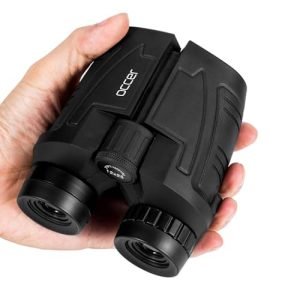
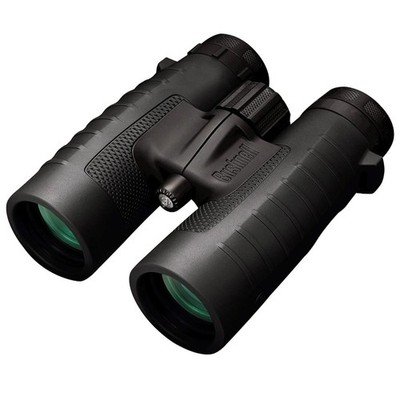
Roof prism binoculars have a straight design. They are compact and easy to carry.
They use prisms to flip the image right side up. This makes the view clear and sharp.
Design Features
Roof prism binoculars have prisms aligned in a straight line. This design makes them slim and lightweight.
The prisms are made from high-quality glass. They need precise shaping and coating to work well.
- Straight barrel shape
- High precision prisms
- Multi-coated lenses for better light
- Waterproof and fog proof options
Common Uses
People use roof prism binoculars for many outdoor activities. Their compact size makes them easy to carry.
They work well for bird watching, hiking, and sports events. Their clear image helps see details far away.
- Bird watching
- Hiking and camping
- Sports and concerts
- Hunting and wildlife observation
Manufacturing Process
Roof prism binoculars have a special design inside. This design needs careful making. The manufacturing process affects the price of these binoculars.
Making roof prism binoculars takes skilled work and good materials. This makes them cost more than some other types.
Materials Involved
Roof prism binoculars use high-quality glass for clear images. The prisms inside are made from special optical glass. This glass must have exact shapes and purity.
Besides glass, the body uses strong materials. Metal and tough plastics protect the parts and keep the binoculars light. Good coatings on the lenses also add to the cost.
- High-grade optical glass for prisms and lenses
- Durable metal or plastic for the outer body
- Anti-reflective coatings on lenses and prisms
- Seals and lubricants for smooth focusing
Assembly Techniques
Assembly of roof prism binoculars needs precision. The prisms must align perfectly for clear viewing. Workers use machines and hand tools for fine adjustments.
The focusing system and eyepieces need careful fitting. Small errors can blur the image. Each pair is tested before leaving the factory to ensure quality.
- Precise alignment of roof prisms
- Hand assembly of lenses and eyepieces
- Use of machines for accurate fitting
- Quality testing for clarity and focus
Cost Factors In Production
Roof prism binoculars often cost more to make than other types. This happens because of the parts and the work needed.
Several factors add to the cost. These include lens quality, prism coatings, and precision alignment.
Lens Quality
The lenses in roof prism binoculars must be clear and strong. High-quality glass costs more to produce.
Good lenses reduce glare and improve image sharpness. This requires careful material selection and crafting.
Prism Coatings
Roof prism binoculars need special coatings on their prisms. These coatings help light pass through better.
Applying these coatings takes time and precise tools. This process raises the production cost.
- Anti-reflective coatings improve brightness
- Phase correction coatings enhance contrast
- Durable coatings protect the prism surface
Precision Alignment
Roof prism binoculars require exact alignment of lenses and prisms. Small errors can blur the image.
This alignment takes skilled workers and special machines. The careful process adds to the overall cost.
Comparison With Porro Prism Binoculars
Roof prism binoculars and Porro prism binoculars differ in design and cost. Both types serve the same purpose but have unique features.
Understanding these differences helps explain why roof prism binoculars may cost more to make.
Design Differences
Roof prism binoculars have a straight barrel design. Porro prism binoculars have a zig-zag shape. This affects size and weight.
- Roof prisms align lenses in a straight line.
- Porro prisms offset the lenses for better depth perception.
- Roof prism design is compact and easier to handle.
- Porro prisms offer wider field of view but are bulkier.
Production Complexity
Roof prism binoculars require precise alignment of internal parts. This makes production more difficult. Porro prisms are simpler to assemble.
| Feature | Roof Prism | Porro Prism |
| Assembly difficulty | High | Low |
| Alignment precision | Critical | Less critical |
| Manufacturing time | Longer | Shorter |
Material Costs
Roof prism binoculars use special coatings and glass types. These improve image quality but increase cost. Porro prism binoculars use fewer coatings.
- Roof prisms need phase correction coatings.
- They use high-quality glass for sharper images.
- Porro prisms use simpler glass and fewer coatings.
- Material costs for roof prisms are higher overall.
Market Price Influences
Roof prism binoculars often have different price points than other types. Their market price depends on several key factors.
Understanding these factors helps explain why some roof prism models cost more to make.
Brand Positioning
Brands that target high-end buyers tend to price roof prism binoculars higher. These brands focus on quality and reputation. They invest more in design, materials, and marketing. This raises production costs and retail prices.
In contrast, budget brands use simpler designs and cheaper parts. Their products cost less to produce and sell at lower prices.
Demand And Supply
The balance between demand and supply greatly affects prices. High demand with limited supply can push prices up. Low demand or excess supply can lower prices.
- Limited production models cost more
- Popular models may have stable prices
- Overstock leads to discounts
- New releases often start at higher prices
Additional Features
| Feature | Impact on Cost |
| Lens Coatings | Increase cost |
| Waterproofing | Adds to price |
| Durable Housing | Raises production cost |
| Compact Size | May increase design cost |
Including these features makes roof prism binoculars cost more to make. They require better materials and precise assembly.

Credit: www.ebay.ca
Common Misconceptions
Many people wonder if roof prism binoculars cost more to make than other types. There are several ideas about their price and quality. Understanding these ideas helps to know what affects the cost.
This article looks at common misconceptions about roof prism binoculars. We focus on price versus quality and myths about manufacturing costs.
Price Vs Quality
Some think roof prism binoculars are more expensive only because they are better. Price often reflects quality but not always. Many parts affect price, such as glass quality, coatings, and build materials.
- Good glass and coatings improve image clarity.
- Metal body parts last longer than plastic ones.
- Design affects how comfortable the binoculars are to use.
- Brand name can add to the price but not always the quality.
Manufacturing Cost Myths
Many believe roof prism binoculars cost more to make because of their shape. This is partly true but not the full story. Some roof prism designs are complex, which can raise costs.
| Cost Factor | Roof Prism | Porro Prism |
| Assembly Difficulty | High | Lower |
| Number of Parts | Fewer | More |
| Alignment Precision Needed | Very High | Moderate |
| Materials Used | Similar | Similar |
| Coating Complexity | High | Moderate |
Future Trends In Binocular Manufacturing
Binoculars are changing as technology grows. New ideas help make them better and cheaper.
People ask if roof prism binoculars cost more to make. The answer depends on new trends in making them.
Technological Advances
New technology improves roof prism binoculars. Lens coatings and better glass increase image quality.
Manufacturers use computers to design parts. This reduces waste and helps build precise binoculars.
- Improved lens coatings for clearer views
- Computer-aided design for exact parts
- Lightweight materials to reduce weight
- Better sealing to keep out water and dust
Cost Reduction Strategies
Makers find ways to lower costs for roof prism binoculars. Using new materials helps cut prices.
Automation in factories speeds up work and reduces errors. This saves money on labor and parts.
- Use of durable, less expensive materials
- Automated assembly lines for fast production
- Bulk buying to reduce material costs
- Streamlined designs to use fewer parts

Credit: www.amazon.ca
Frequently Asked Questions
Do Roof Prism Binoculars Cost More To Manufacture?
Yes, roof prism binoculars generally cost more to make due to complex prism alignment. Their compact design requires precise engineering and higher-quality materials, increasing production costs compared to porro prism models.
Why Are Roof Prism Binoculars Pricier Than Porro Prism Types?
Roof prism binoculars use advanced optical coatings and tighter tolerances. These features improve image quality and durability but raise manufacturing expenses, making them pricier than porro prism binoculars.
Does The Manufacturing Process Impact Roof Prism Binocular Prices?
Absolutely. The intricate assembly and alignment process of roof prisms demands skilled labor and specialized tools. This complexity directly contributes to higher production costs and retail prices.
Are Materials More Expensive For Roof Prism Binoculars?
Yes. Roof prism binoculars require high-grade glass and coatings to minimize light loss. These premium materials increase overall manufacturing costs compared to simpler designs.
Conclusion
Roof prism binoculars often have a higher production cost. Their intricate design demands precision. This can increase prices for consumers. Despite the cost, they offer great value. Their compact design and clear vision appeal to many. For those seeking quality, they are a worthwhile investment.
Choose wisely based on your needs and budget. Understanding their benefits can guide your purchase. Always consider what features matter most to you. With proper care, these binoculars can last long. Making them a smart choice for enthusiasts and nature lovers alike.