Have you ever been excited to use your binoculars, only to find the lenses fogged up from the inside? It’s frustrating and can ruin your experience, whether you’re birdwatching, hiking, or spotting wildlife.
You might be wondering if ED binoculars can solve this problem for you. Can these special lenses resist internal fogging and keep your view clear no matter the weather? Keep reading to discover how ED binoculars work and whether they can truly protect your vision from that annoying fog.
Ed Binoculars And Fogging
ED binoculars use special glass to give clear images. Fogging inside binoculars can blur these images. People want to know if ED binoculars resist this problem.
Understanding fogging helps you choose better binoculars. This guide explains what causes fogging and how ED binoculars handle it.
What Causes Internal Fogging?
Internal fogging happens when moisture gets trapped inside the binoculars. This moisture turns into tiny water droplets on the lenses. Temperature changes can make this happen quickly.
Breathing near the lenses or moving from cold to warm places can cause fog inside. Poor sealing or damaged parts let air and moisture enter the binoculars.
Impact Of Fogging On Image Quality
Fog inside binoculars blocks light and blurs the view. This makes it hard to see details clearly. Colors also look dull and less sharp.
Fogging reduces the pleasure of using binoculars. It can make spotting birds, animals, or distant objects frustrating and difficult.
Materials And Design Features
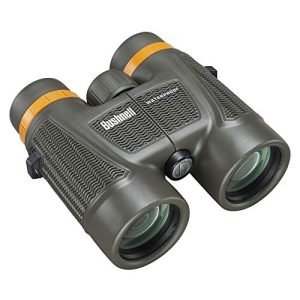
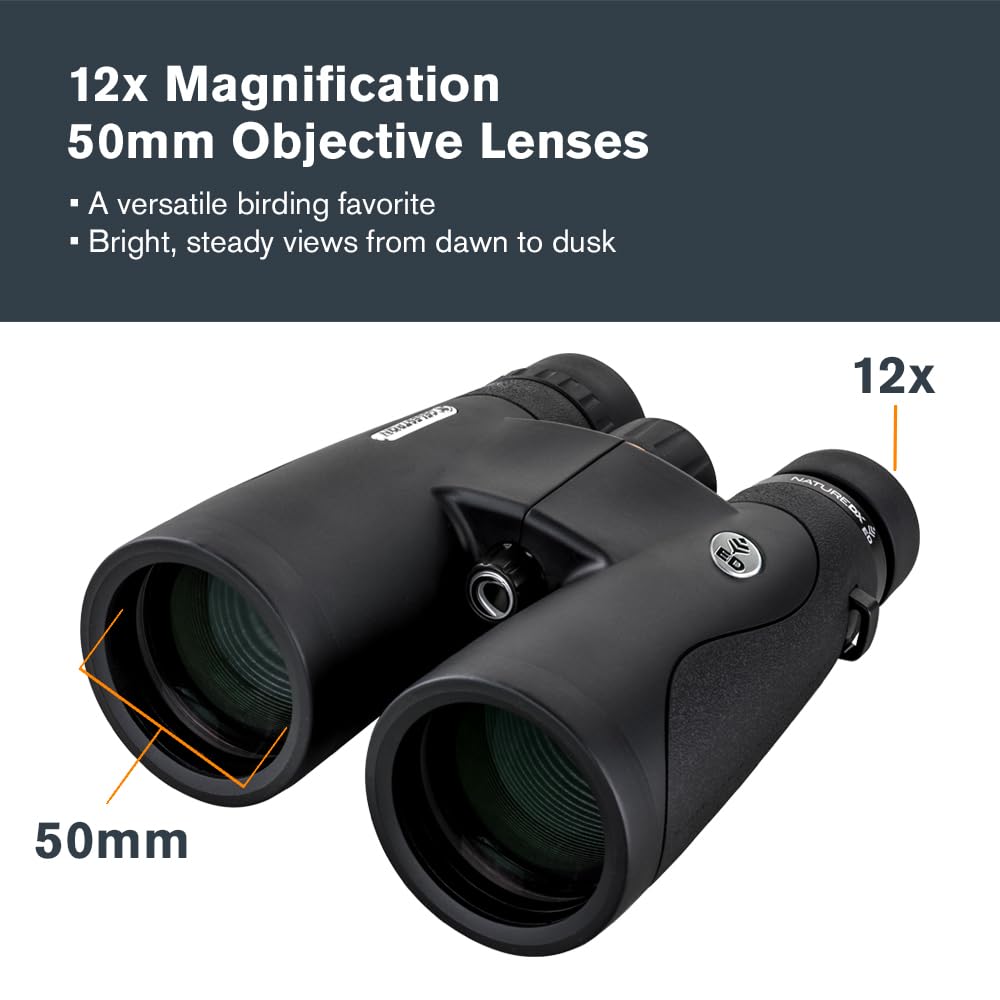
ED binoculars use extra-low dispersion glass to improve image quality. To resist fogging, many have special seals. These seals keep moisture and air out.
Some ED binoculars are filled with dry nitrogen or argon gas. This dry gas stops moisture from forming inside. Coatings on lenses also help reduce fog and water spots.
- Rubber seals prevent air and moisture entry
- Gas filling blocks internal fogging
- Anti-fog lens coatings improve clarity
- Durable materials protect against temperature changes
Credit: www.amazon.ca
Waterproofing In Binoculars
Binoculars often face wet and foggy conditions outdoors. Waterproofing helps protect the inside parts from water damage.
One common question is if binoculars resist internal fogging. Waterproofing plays a big role in this feature.
How Waterproofing Works
Waterproof binoculars use seals and special materials to keep water out. These seals block moisture and dust from entering the lenses.
The inside of the binoculars is often filled with nitrogen or argon gas. This stops fog from forming inside the lenses during temperature changes.
Common Waterproofing Standards
Manufacturers test binoculars using industry standards. These tests show how well the binoculars stop water and fog inside.
- IPX6: Protects against heavy splashing water
- IPX7: Can be submerged in water up to 1 meter
- O-ring sealed: Prevents water and dust from entering
- Gas-filled: Stops internal fogging by removing moisture
Benefits Of Waterproof Optics
Waterproof binoculars last longer and work better in wet weather. They give clear views without fog inside the lenses.
These binoculars are perfect for hiking, bird watching, or any outdoor activity where moisture is common.
- Clear vision in rain or fog
- Protection from water damage
- Durable in harsh environments
- Better performance in cold or humid places
Fog-resistant Technologies
Ed binoculars often face internal fogging during temperature changes. This fogging can block the view and reduce clarity. Fog-resistant technologies help keep the lenses clear inside the binoculars.
These technologies use special gases, coatings, and seals to stop moisture buildup inside the device. Understanding these features helps users choose binoculars that work well in different weather.
Nitrogen And Argon Purging
Manufacturers fill binoculars with nitrogen or argon gas to prevent fog. These gases do not hold moisture. They replace the air inside the binoculars, stopping water vapor from forming fog.
Nitrogen is common and cost-effective. Argon works similarly but can be slightly better at blocking moisture. Both gases help keep the inside clear in cold or wet weather.
- Gas fills reduce moisture inside the binoculars
- They prevent internal fogging during temperature changes
- Nitrogen is widely used and affordable
- Argon offers strong moisture resistance
Anti-fog Coatings
Anti-fog coatings are thin layers applied to the binocular lenses. These coatings stop water droplets from forming on the glass. They keep the lenses clear for better viewing.
The coatings work by spreading moisture evenly or by repelling water. This reduces fog and lets light pass through the lenses clearly. These coatings need care to last long.
- Coatings stop water droplets from building up
- They help keep lenses clear in humid conditions
- Proper cleaning protects the coatings
Sealing Techniques
Sealing is key to keeping moisture out of binoculars. Makers use rubber or silicone seals around joints and openings. These seals block water and air from entering inside.
Good sealing also stops dust and dirt. This protects internal parts and helps fog-resistant gases stay inside. A tight seal improves binocular durability and fog resistance.
- Rubber or silicone seals block moisture
- Seals prevent dust and dirt entry
- They keep fog-resistant gases inside
- Sealing adds to binocular durability

Credit: www.bhphotovideo.com
Comparing Ed And Non-ed Binoculars
Binoculars come with different types of lenses. ED and non-ED lenses affect how you see and how well the binoculars resist fog.
This article looks at how ED and non-ED binoculars handle internal fogging and other key features.
Fogging Resistance Differences
Both ED and non-ED binoculars can fog inside. Fogging happens when moisture enters the lenses.
- ED binoculars often have better sealing to block moisture.
- Non-ED models may not seal as well, allowing more fog inside.
- Many ED binoculars include nitrogen or argon gas to prevent fog.
- Non-ED binoculars sometimes lack this gas filling.
Optical Performance
ED lenses reduce color distortion and improve sharpness. Non-ED lenses show more color blur and less clarity.
| Feature | ED Binoculars | Non-ED Binoculars |
| Color Distortion | Low | High |
| Sharpness | High | Moderate |
| Light Transmission | Better | Standard |
Durability Factors
ED binoculars often have stronger builds and better coatings. Non-ED binoculars may be lighter but less tough.
- ED models usually have rubber armor for shock resistance.
- Non-ED models may lack full weather sealing.
- ED binoculars resist scratches better due to special coatings.
- Non-ED coatings may wear faster under harsh use.
User Tips To Prevent Fogging
Ed binoculars can fog inside due to moisture and temperature changes. This fogging blocks your view and causes frustration. You can take simple steps to keep your binoculars clear.
These tips help protect your binoculars from internal fog. They also extend the life of your device and improve your experience.
Proper Storage And Maintenance
Store your binoculars in a dry place to avoid moisture buildup inside. Keep them in their case when not in use. Clean your binoculars regularly with a soft cloth to remove dust and dirt.
Check for any damage or loose seals. Damaged seals can let moisture inside and cause fogging. Fix or replace parts as needed to keep your binoculars airtight.
Using Protective Accessories
Use lens caps and covers to protect binocular lenses from dirt and moisture. A good quality case helps keep moisture away and shields the binoculars from impact.
Desiccant packs can absorb moisture inside the case. They help keep the air dry around your binoculars and reduce fogging risk.
- Always put lens caps on after use
- Store binoculars in a padded, sealed case
- Place silica gel packs inside the case
Handling Temperature Changes
Sudden temperature changes cause fog inside binoculars. Avoid moving your binoculars quickly from cold to warm places or vice versa. Give them time to adjust to the temperature slowly.
Keep binoculars in a sealed bag when moving between different climates. This helps prevent moisture from condensing inside the lenses.
- Allow binoculars to warm up before use
- Keep binoculars in sealed plastic bags during temperature changes
- Avoid breathing directly on lenses

Credit: www.svbony.com
Frequently Asked Questions
Do Ed Binoculars Prevent Internal Fogging?
Yes, many ED binoculars have nitrogen or argon gas fills. This prevents moisture inside, reducing internal fogging effectively during temperature changes.
How Does Nitrogen Filling Stop Internal Fogging?
Nitrogen fills displace moisture inside the binoculars. This stops condensation forming on internal lenses, keeping the view clear in humid or cold conditions.
Are Ed Binoculars Better Against Fog Than Regular Ones?
ED binoculars often feature better sealing and gas purging. This gives them superior resistance to internal fogging compared to standard binoculars.
Can Ed Binoculars Fog Up Externally?
External fogging can still occur on lenses. However, ED binoculars usually have anti-reflective coatings that reduce external fogging and improve visibility.
Conclusion
ED binoculars are designed to reduce internal fogging effectively. Their special lenses and sealing help keep moisture out. This means clearer views in cold or humid conditions. They work well for outdoor activities like bird watching or hiking. Choosing binoculars with fog-resistant features can improve your experience.
Clear vision matters when observing nature or distant objects. Consider ED binoculars if fogging often bothers you. They offer reliable performance in tough weather. Enjoy your adventures without worrying about foggy lenses.