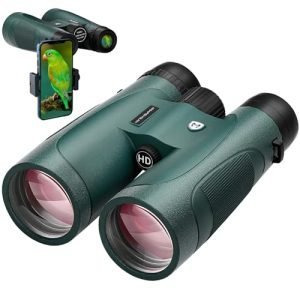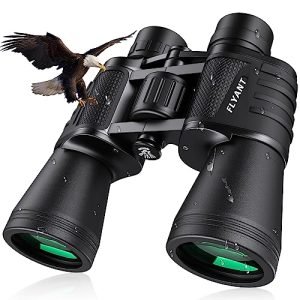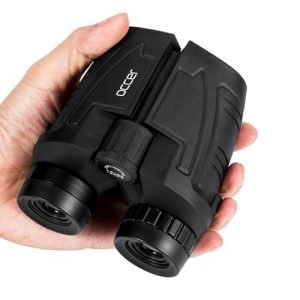
Have you ever wondered if your ED binoculars need special care to keep them working perfectly? These powerful tools give you clear, sharp views, but they also need the right attention to stay that way.
If you want to protect your investment and enjoy crisp images every time you use them, knowing how to care for your ED binoculars is key. Keep reading to discover simple, effective tips that will help you make your binoculars last longer and perform better—so you never miss a moment.
What Makes Ed Binoculars Unique
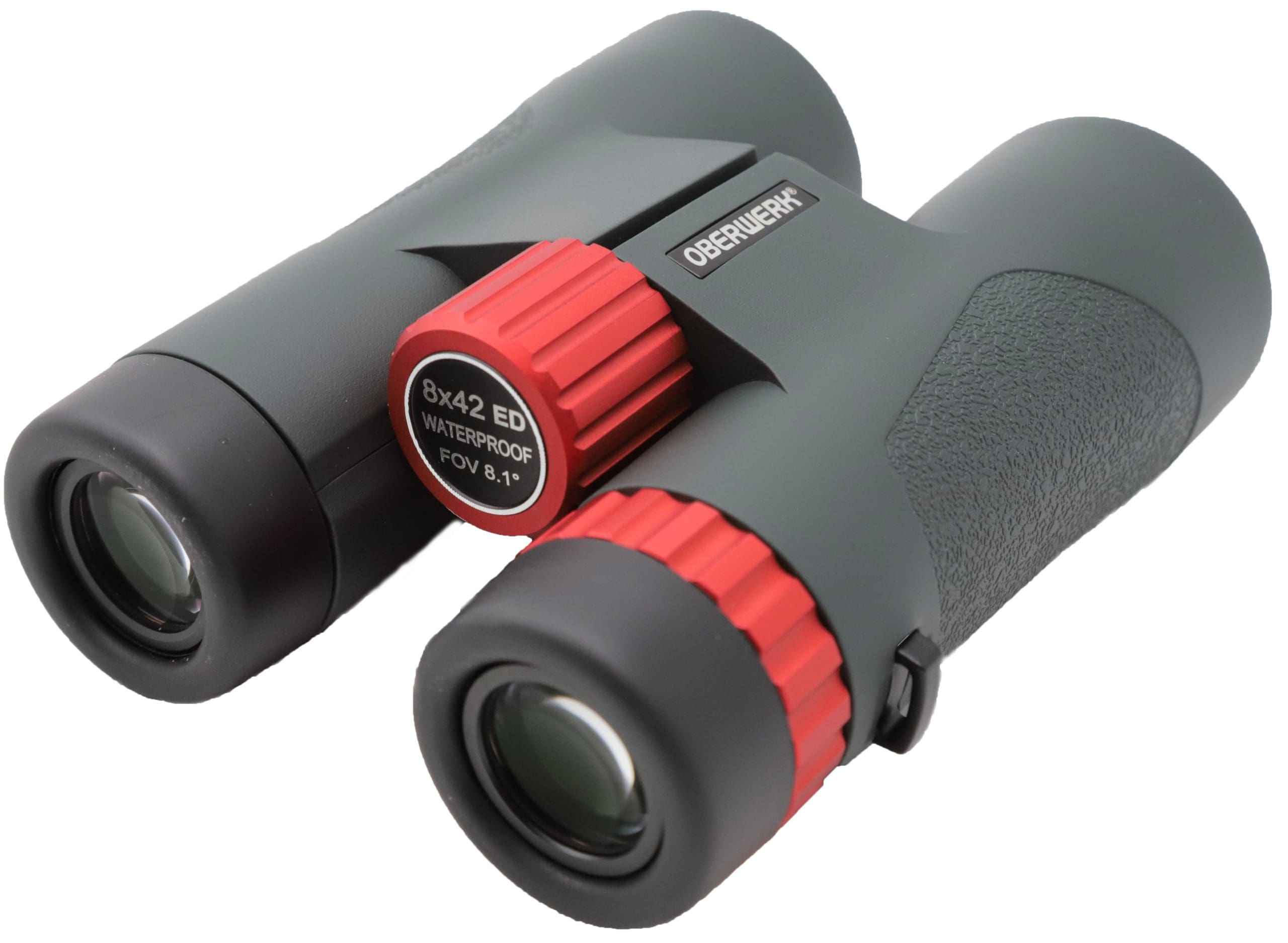
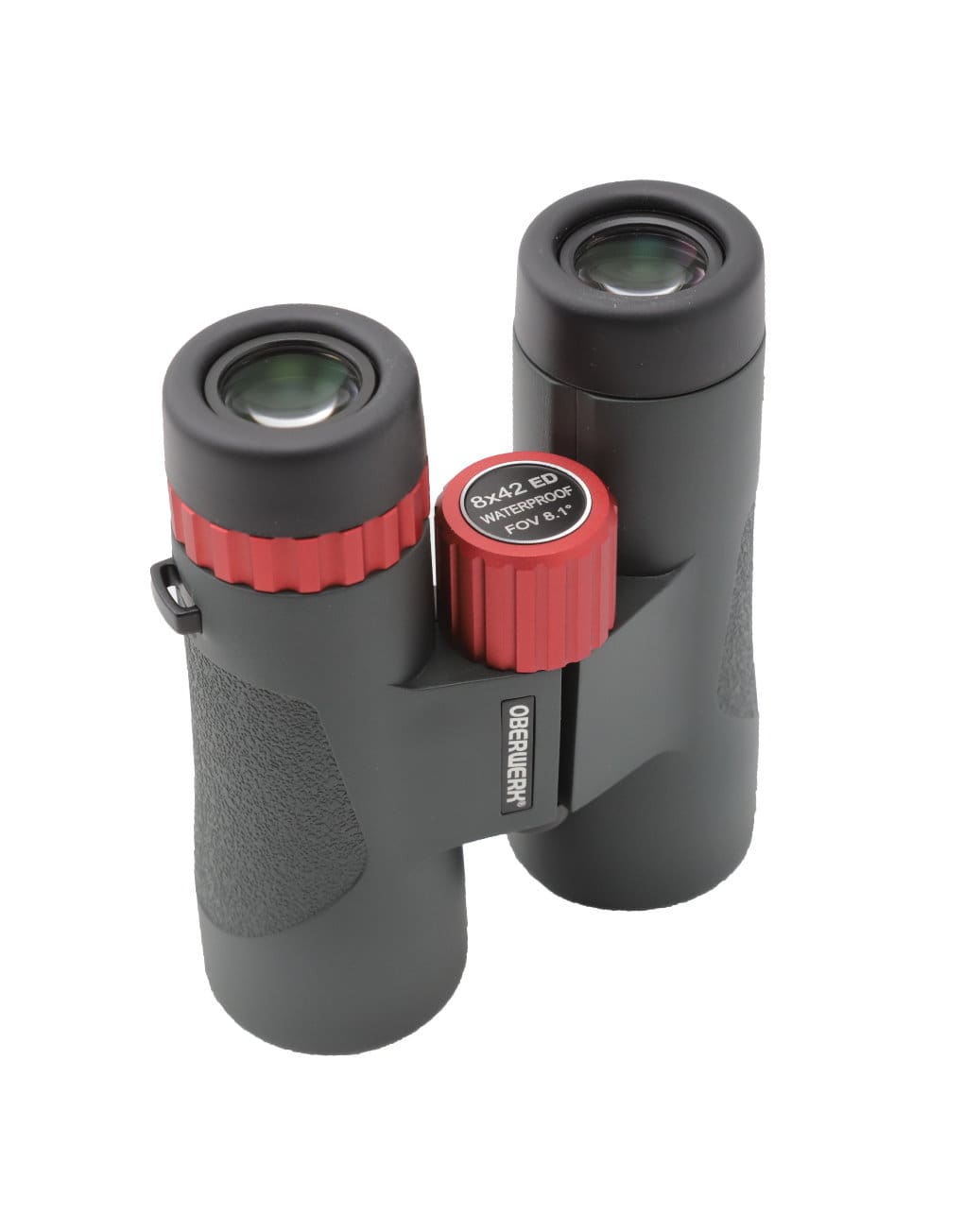
ED binoculars use special glass to improve your viewing experience. They reduce color distortion and provide sharper images. This makes them popular for bird watching, hiking, and sports.
Understanding what sets ED binoculars apart helps you care for them properly. The unique glass and optical features need attention to keep their quality.
Extra-low Dispersion Glass Benefits
ED binoculars have glass with extra-low dispersion. This glass lowers the amount of light bending inside the lenses. It reduces chromatic aberration, which causes color fringing around objects.
- Sharper image details
- Clearer views with less blur
- Reduced eye strain during long use
- Better performance in low light
- Improved contrast and brightness
Optical Clarity And Color Accuracy
ED glass improves how colors appear through the binoculars. It produces more natural and true-to-life colors. The clarity helps you see fine details at a distance.
| Feature | Benefit |
| Reduced Chromatic Aberration | Clear edges without color blur |
| High Light Transmission | Bright, vivid images |
| Enhanced Contrast | Better separation of objects |
| True Color Reproduction | Natural colors that are easy on the eyes |
Credit: oberwerk.com
Common Risks To Ed Binoculars
ED binoculars are valuable tools for clear and sharp viewing. They need care to work well for a long time.
Many risks can harm your binoculars if you do not protect them. Knowing these risks helps you avoid damage.
Impact And Physical Damage
Dropping or hitting binoculars can cause serious problems. The lenses or internal parts may break or misalign.
- Cracks on lenses reduce image quality
- Loose parts can make focusing difficult
- Scratches on the body weaken the frame
- Broken hinges affect the binoculars’ fit
Dust And Moisture Exposure
Dust and moisture can get inside binoculars and cause fogging or mold. These issues blur your view and may cause long-term damage.
| Risk | Effect | Prevention |
| Dust inside lenses | Blurry images | Use lens covers and clean regularly |
| Moisture inside body | Fogging and mold growth | Keep binoculars dry and store properly |
| Water spills | Corrosion of metal parts | Wipe immediately and avoid wet use |
Daily Care Tips
Ed binoculars need care to keep them working well. Daily cleaning and storage help protect lenses and parts.
Simple habits can make your binoculars last longer and give clear views every time you use them.
Cleaning The Lenses Safely
Cleaning lenses the right way avoids scratches and damage. Use soft materials and gentle methods.
- Blow dust off with a soft brush or air blower.
- Use a microfiber cloth to wipe lenses gently.
- Apply lens cleaning solution only if needed and never directly on lenses.
- Wipe in a circular motion to avoid streaks.
- Do not use rough cloths or paper towels.
Proper Storage Practices
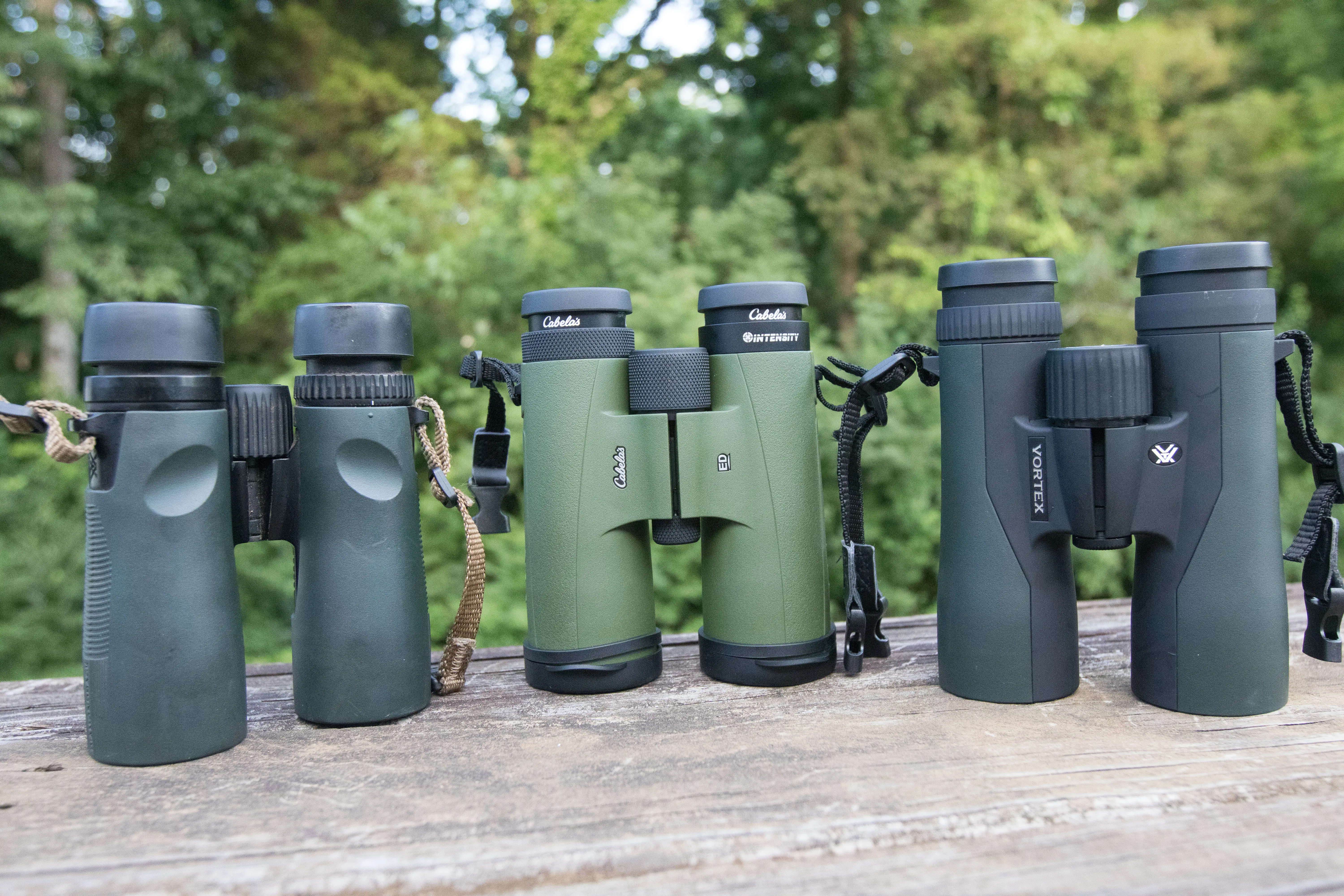
Store binoculars in a dry, cool place to avoid damage from moisture and heat.
| Storage Tip | Reason |
| Keep in a padded case | Protects from bumps and scratches |
| Store with lens caps on | Prevents dust and dirt buildup |
| Avoid leaving in direct sunlight | Prevents lens and body damage |
| Use silica gel packs | Absorbs moisture to avoid mold |
Credit: oberwerk.com
Handling And Usage Advice
Binoculars are delicate tools that need careful handling. Proper care helps keep them working well for a long time.
Simple habits can protect your binoculars from damage and dirt. This guide shares easy tips to handle them right.
Avoiding Rough Handling
Do not drop or hit your binoculars. Rough handling can break lenses or misalign the parts inside.
Hold binoculars firmly but gently. Use both hands for better control and support.
- Carry binoculars with a neck strap or case
- Do not swing or toss them around
- Place them on soft surfaces when not in use
- Avoid exposing them to sudden shocks or pressure
Using Lens Caps And Covers
Always cover lenses with caps when you are not using the binoculars. This stops dust and scratches from forming.
Use a soft case or cover to protect the whole binocular from dirt and bumps during travel.
- Put lens caps on immediately after use
- Clean lens caps regularly to avoid scratches
- Keep binoculars in a padded case for extra safety
- Store in a dry place to prevent moisture damage
Maintenance And Repairs
Ed binoculars need care to keep them working well. Regular cleaning and safe storage help them last longer. Knowing when to get help or what fixes to avoid saves time and money.
Proper maintenance avoids damage and keeps your view clear. Repairs sometimes need a professional touch to protect the binoculars’ quality.
When To Seek Professional Help
Some problems need expert repair. Look for these signs to know when to ask a professional:
- Fog or moisture inside the lenses
- Loose or broken parts that affect use
- Scratches on the lenses that block vision
- Focus mechanism that no longer works smoothly
- Issues with the prism alignment or image clarity
Professionals have tools and skills to fix delicate parts without causing more harm.
Diy Fixes To Avoid
Not all repairs should be done at home. Some DIY fixes can damage your binoculars. Avoid these common mistakes:
| DIY Fix | Why to Avoid |
| Using household cleaners on lenses | Harsh chemicals can scratch or damage lens coatings |
| Opening the binocular body | May misalign optics or break seals |
| Forcing stuck focus knobs | Can cause internal damage or break parts |
| Using rough cloths to clean lenses | Scratches lens surface, reducing image quality |
| Ignoring moisture inside binoculars | Leads to mold and permanent damage |
Follow manufacturer instructions for cleaning and storage. Leave complex repairs to trained professionals to keep binoculars in good shape.
Credit: gearjunkie.com
Enhancing Longevity
ED binoculars are delicate tools that need care to last long. Proper maintenance helps keep them clear and strong.
Taking simple steps can protect your binoculars from damage. This guide shows how to care for them well.
Regular Inspection Routine
Check your binoculars often for dirt, dust, or damage. Look at the lenses and body carefully.
Cleaning with a soft cloth keeps lenses clear. Avoid using harsh chemicals or rough materials.
- Wipe lenses with a microfiber cloth
- Inspect for scratches or cracks
- Make sure the focus mechanism moves smoothly
- Check rubber seals for wear
Environmental Considerations
Store binoculars in a dry place away from extreme heat or cold. Moisture can cause fogging and damage.
Avoid exposing binoculars to direct sunlight for long times. Keep them in a protective case when not in use.
- Keep away from water and humidity
- Use a protective case during travel
- Do not leave in hot cars or cold places
- Store in a clean, dust-free area
Frequently Asked Questions
Do Ed Binoculars Need Regular Cleaning?
Yes, ED binoculars require regular cleaning to maintain clarity. Use a soft brush or microfiber cloth to remove dust. Avoid harsh chemicals and excessive moisture, as they can damage coatings and lenses.
How Should I Store Ed Binoculars Properly?
Store ED binoculars in a cool, dry place. Keep them in a protective case to prevent dust and scratches. Avoid extreme temperatures and direct sunlight to preserve lens quality and internal components.
Can Ed Binoculars Be Damaged By Water Exposure?
Most ED binoculars are water-resistant but not fully waterproof. Avoid submerging them in water. Use a rain guard or waterproof case for protection during wet conditions to prevent internal damage.
Is It Necessary To Service Ed Binoculars Professionally?
Yes, professional servicing is recommended if binoculars show issues like fogging or mechanical problems. Experts can safely clean, realign, and lubricate parts, ensuring optimal performance and longevity.
Conclusion
ED binoculars need some care to stay in good shape. Clean lenses gently with a soft cloth. Avoid touching lenses with fingers. Store them in a dry, safe place. Keep them away from extreme heat or moisture. Regular care helps them last longer and work better.
Small steps make a big difference. Treat your ED binoculars well, and they will reward you with clear views for years. Simple care routines keep your binoculars ready for your next adventure.