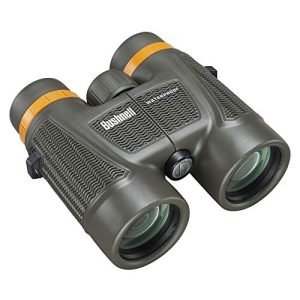
Have you ever noticed those annoying color fringes around objects when you look through your binoculars? That’s called chromatic aberration, and it can really ruin your viewing experience.
You might have heard that ED binoculars can fix this problem, but does it actually work? If you want clear, sharp images without distracting colors, this article is for you. Keep reading to discover how ED binoculars tackle chromatic aberration and whether they’re worth your investment.
Your next adventure deserves the best view possible—let’s find out how to get it.
Chromatic Aberration Basics
Chromatic aberration is a common problem in optics. It happens when lenses fail to focus all colors at the same point.
This issue causes colors to blur or fringe around objects in images. It can reduce the sharpness and quality of photos.
What Causes Chromatic Aberration
Chromatic aberration happens because lenses bend different colors of light differently. Each color has a unique wavelength.
When light passes through a lens, colors do not focus at the same distance. This causes color edges and blurring.
- Red, green, and blue light focus at different points
- Lens shape and material affect how much colors bend
- Simple lenses without special coatings show more aberration
Effects On Image Quality
Chromatic aberration creates colored fringes around objects. This reduces image sharpness and detail.
It also lowers contrast and can make photos look less natural. Correcting this improves picture clarity.
- Colored edges appear on high-contrast borders
- Fine details become blurry or distorted
- Overall image looks less crisp and clear
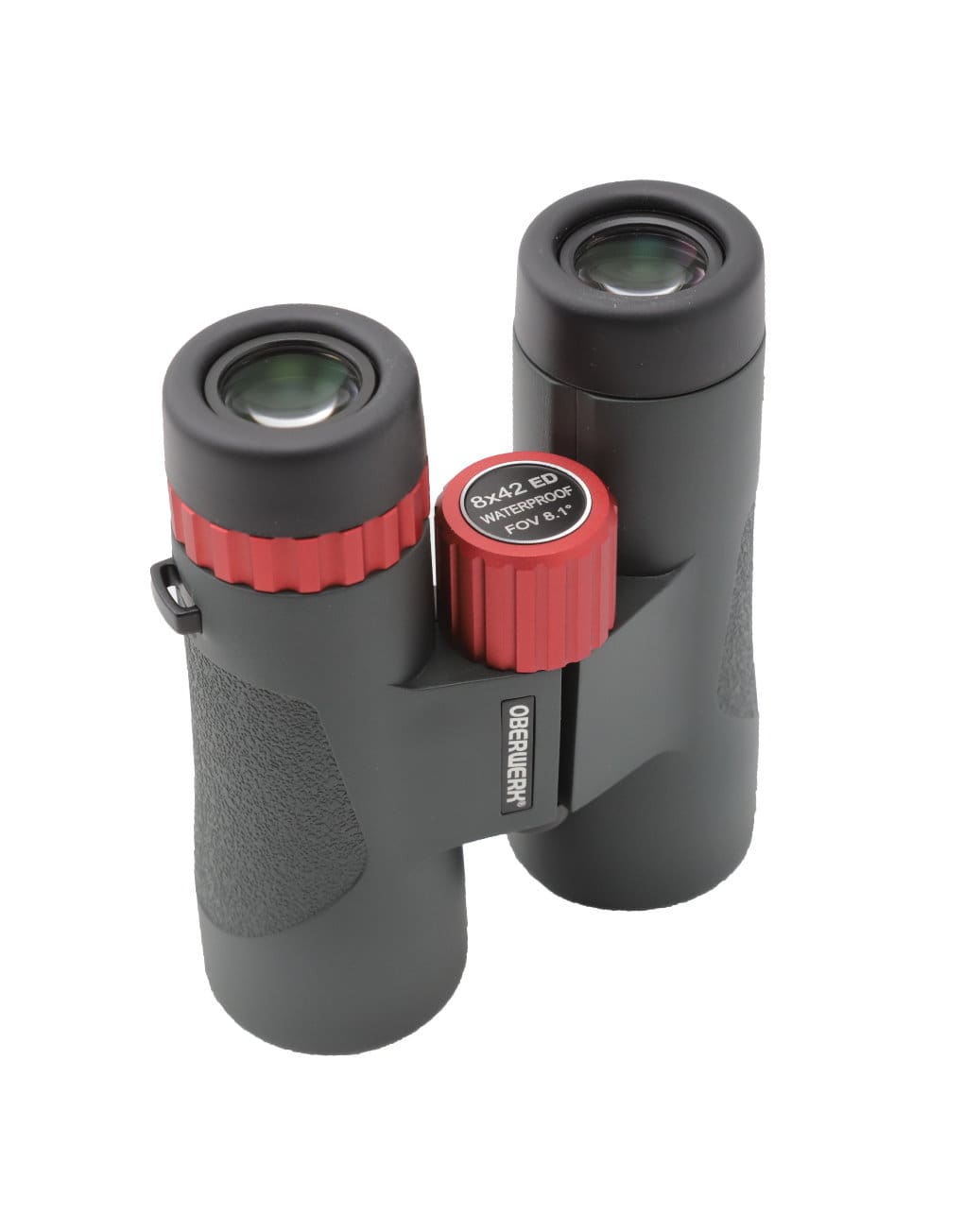
Credit: oberwerk.com
Role Of Ed Glass In Binoculars
ED glass in binoculars helps improve image quality. It reduces unwanted color effects called chromatic aberration.
This type of glass makes views clearer and sharper. It is important for good binocular performance.
Properties Of Ed Glass
ED glass stands for Extra-low Dispersion glass. It has special properties that control light better than normal glass.
This glass bends light less unevenly. It stops colors from spreading apart too much inside the lenses.
- Lower dispersion of light
- Better control over color separation
- Improves focus sharpness
- Reduces blurring at edges
How Ed Glass Minimizes Color Fringing
Chromatic aberration happens when colors do not focus in the same place. This causes color fringes around objects.
ED glass reduces this effect by bending light colors more evenly. It helps all colors come into focus together.
- Reduces purple and green fringes
- Sharpens image edges
- Improves color accuracy
- Makes viewing more comfortable
Comparing Ed And Non-ed Binoculars
ED binoculars use extra-low dispersion glass to reduce color fringing. Non-ED binoculars lack this special glass. This difference affects the sharpness and color quality you see.
Choosing between ED and non-ED binoculars depends on how clear and natural you want your view to be. Let’s look at the visual and lighting performance differences.
Visual Differences In Clarity
ED binoculars minimize chromatic aberration, which causes color edges around objects. This makes images sharper and more accurate in color. Non-ED binoculars may show purple or green fringes on high-contrast edges.
- ED Binoculars:Clear images with less color fringing
- Non-ED Binoculars:Noticeable color fringing in bright areas
- ED Glass:Helps focus different light wavelengths in one spot
- Non-ED Glass:May scatter light causing blurred edges
Performance In Various Lighting Conditions
| Lighting Condition | ED Binoculars | Non-ED Binoculars |
| Bright daylight | Sharp, natural colors | Color fringes visible on edges |
| Low light (dawn/dusk) | Better light transmission and clarity | Images can appear duller and less sharp |
| Artificial light | Less glare and color distortion | Possible glare with color halos |
Additional Technologies To Reduce Aberration
Chromatic aberration makes images look blurry or have colored edges. ED binoculars help reduce this problem. Some other technologies also work to improve image clarity.
These technologies include special lens coatings and the use of unique glass types. They help to focus light better and reduce color distortions.
Coatings And Lens Design
Lens coatings reduce reflections and improve light transmission. This helps to lower color fringing and increase image sharpness. Lens design also plays a key role by arranging lenses to focus colors more accurately.
- Multi-layer coatings cut glare and reflections
- Anti-reflective coatings increase brightness
- Aspherical lenses help correct focus errors
- Advanced lens arrangement reduces color blur
Other Specialized Glass Types
Besides ED glass, other special glass types lower chromatic aberration. These glasses bend light differently to keep colors aligned. Using these materials improves image quality further.
| Glass Type | Benefit |
| Fluorite Glass | Very low dispersion, less color fringing |
| HD (High Density) Glass | Improves sharpness and contrast |
| Extra-low Dispersion Glass | Reduces color errors across the lens |
Choosing Binoculars For Clearer Views
Binoculars help you see distant objects more clearly. Picking the right ones can improve your viewing experience.
One common question is if ED binoculars reduce chromatic aberration. This matters for sharper, clearer images.
Assessing Your Viewing Needs
Think about what you will use the binoculars for. Different activities need different features.
Bird watching needs sharp colors and details. Sports events require wide views and fast focus.
- Close viewing needs less zoom
- Long-distance viewing benefits from higher zoom
- Outdoor use may need waterproof features
Balancing Cost And Optical Quality
ED binoculars use special glass to reduce chromatic aberration. This reduces color fringing around objects.
ED binoculars often cost more but give clearer, sharper images. Non-ED binoculars may show color blurs.
- ED glass lowers color distortion
- Higher cost but better clarity
- Non-ED binoculars are cheaper but less sharp

Credit: www.amazon.com

Credit: www.amazon.com
Frequently Asked Questions
What Are Ed Binoculars?
ED binoculars use Extra-low Dispersion glass to reduce chromatic aberration. This glass minimizes color fringing around objects. It improves image clarity and sharpness, especially in high-contrast scenes. ED binoculars are ideal for birdwatching and outdoor activities.
How Do Ed Binoculars Reduce Chromatic Aberration?
ED glass bends different light wavelengths evenly. This prevents color fringing around objects. It enhances image sharpness and color accuracy. The result is clearer and more natural-looking views through the binoculars.
Are Ed Binoculars Better Than Standard Binoculars?
Yes, ED binoculars offer superior image quality. They reduce chromatic aberration significantly compared to standard glass. This leads to sharper, brighter, and more color-accurate images. ED binoculars are worth the investment for serious users.
Can Ed Binoculars Eliminate All Chromatic Aberration?
No, ED binoculars greatly reduce but do not completely eliminate chromatic aberration. Some minor fringing may still occur in extreme lighting. However, ED lenses provide much clearer views than non-ED binoculars.
Conclusion
ED binoculars help reduce chromatic aberration effectively. The lenses enhance color clarity. This makes viewing experiences more enjoyable. Nature lovers and birdwatchers appreciate these benefits. Image quality improves significantly with ED lenses. They are a worthy investment for clearer views.
Consider them for your next outdoor adventure. Better views mean better memories. Explore the world with sharper vision. ED binoculars offer a noticeable improvement. Experience nature’s true colors without distortion.