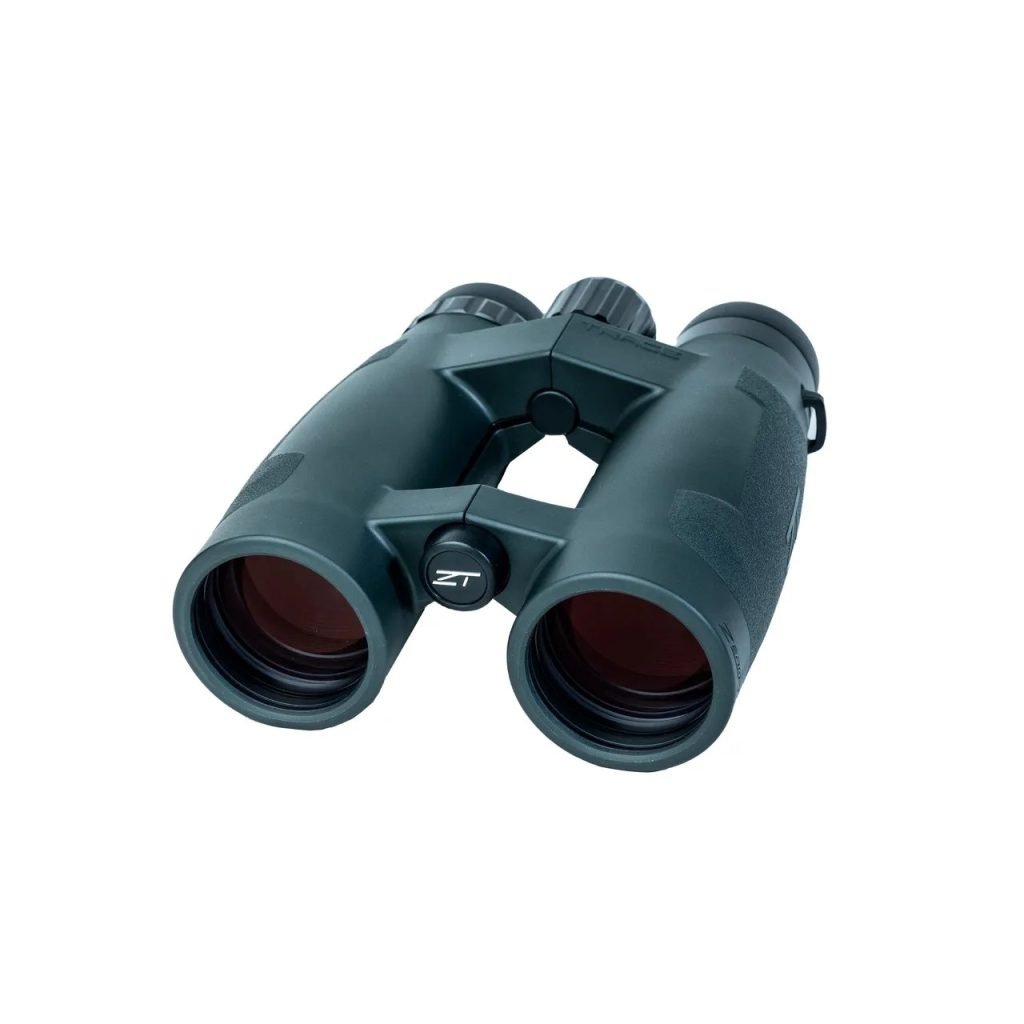
Are you wondering if ED binoculars really give you sharper views compared to non-ED ones? You’re not alone.
When choosing binoculars, sharpness is often the top priority. But does the extra cost of ED glass truly make a difference you can see? You’ll discover what sets ED binoculars apart, how they affect image clarity, and whether upgrading is worth it for your needs.
Keep reading to find out how to get the clearest, most vibrant views every time you look through your binoculars.

Credit: www.amazon.com
What Are Ed Binoculars
ED binoculars use special glass to reduce color blur. This glass is called Extra-low Dispersion glass.
They help make images look clearer and sharper by reducing chromatic aberration.
Types Of Glass Used
Binoculars use different types of glass for lenses and prisms. Common types include BK-7 and ED glass.
BK-7 glass is standard but can cause some color blurring. ED glass reduces this blur for better image quality.
- BK-7 Glass:Standard optical glass, less expensive
- ED Glass:Extra-low dispersion, reduces color fringing
- Fluorite Glass:High-end, very low dispersion
Role Of Extra-low Dispersion Elements
Extra-low dispersion elements help control light bending inside lenses. This reduces color fringing around objects.
They create sharper and clearer images by limiting chromatic aberration. This makes details easier to see.
- ED elements reduce color blur in bright light
- They improve contrast and image sharpness
- They help binoculars perform better at long distances
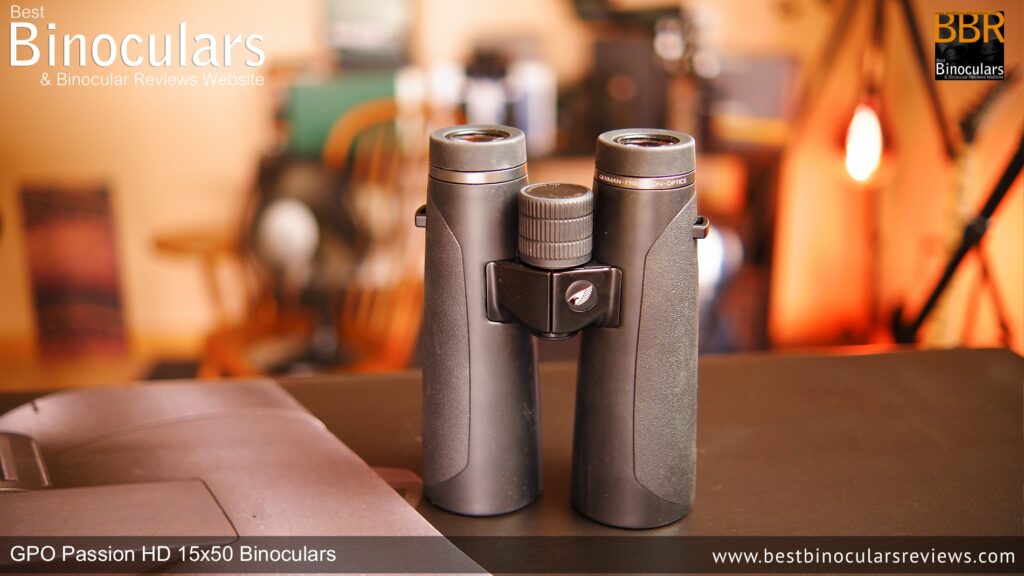
Credit: www.bestbinocularsreviews.com
Sharpness Factors In Binoculars
Sharpness is a key quality in binoculars. It lets you see clear and detailed images. Many factors affect sharpness, including lens quality and optical design. This guide explains these important elements.
Lens Quality And Coatings
The lens quality shapes how sharp the image looks. High-quality glass reduces blurriness and distortion. Coatings on lenses also improve sharpness by cutting down glare and reflections.
- High-quality glass provides better image clarity.
- Multiple coatings reduce light loss and glare.
- Anti-reflective coatings help with contrast and detail.
- Proper lens alignment prevents blurry edges.
Optical Design And Construction
The optical design and build affect the sharpness and overall view. Good construction keeps lenses perfectly aligned. The design controls how light travels inside the binoculars.
| Factor | Effect on Sharpness |
|---|---|
| Prism Type | Affects image brightness and clarity |
| Lens Alignment | Prevents blurring and double images |
| Optical Path | Controls how well light focuses on the eye |
| Build Quality | Maintains sharpness over time |
Comparing Ed And Non-ed Sharpness
Sharpness is a key factor in choosing binoculars. Extra-low Dispersion (ED) glass often claims better image quality. This content compares how ED and non-ED binoculars perform in sharpness.
We will focus on two main areas: color fringing and chromatic aberration, plus image clarity in different conditions. This helps understand the real difference.
Color Fringing And Chromatic Aberration
Color fringing happens when colors blur around objects. Chromatic aberration is a cause of this blur. ED glass reduces these effects better than regular glass.
- ED binoculars show less purple or green edges around bright objects.
- Non-ED binoculars often have visible color fringing in high-contrast scenes.
- ED glass corrects light bending better, improving edge-to-edge sharpness.
Image Clarity In Different Conditions
Sharpness changes with lighting and weather. ED binoculars usually keep images clearer in tough light.
| Condition | ED Binoculars | Non-ED Binoculars |
|---|---|---|
| Bright sunlight | Clear, sharp images with low color fringing | Noticeable color edges and slight blur |
| Low light | Sharper images with good contrast | Images appear softer and less detailed |
| Foggy or hazy | Better clarity and color accuracy | Colors fade; images blur easily |
Real-world Performance Tests
Testing ED binoculars against non-ED models helps show if they really offer sharper views. Real-world tests include checking sharpness in different light and distances.
These tests focus on how clear and detailed images appear through the lenses in everyday use. Sharpness matters most for birdwatching, hiking, and sports.
Field Test Results
Field tests show that ED binoculars often provide better sharpness at the edges of the view. Non-ED models tend to have more color blur around objects far away.
In bright daylight, ED binoculars keep images clear and colors true. Non-ED binoculars sometimes show slight color fringing, which reduces sharpness.
- ED binoculars reduce chromatic aberration.
- Non-ED binoculars may have softer edges.
- Both types perform well in the center of the view.
- ED models show clearer details at long distances.
User Experience And Feedback
Users report that ED binoculars make it easier to see fine details on birds and wildlife. They say the image looks sharper and less blurry on the edges.
Some users find non-ED binoculars good enough for casual use. They notice a difference when comparing side by side with ED models, especially over long viewing sessions.
- ED binocular users feel less eye strain.
- Non-ED users mention some color fringing.
- ED binoculars preferred for long trips.
- Non-ED binoculars work well for short, casual use.
Cost Vs Benefit Analysis
Choosing between ED binoculars and non-ED binoculars depends on cost and sharpness. ED stands for Extra-low Dispersion glass. This glass reduces color fringing and improves image clarity.
We will look at price differences and value for sharpness and quality. This helps decide if ED binoculars are worth the extra cost.
Price Differences
ED binoculars usually cost more than non-ED models. The special glass is expensive to make. This raises the overall price of the binoculars.
Non-ED binoculars are cheaper and still good for casual use. The price gap can be large depending on the brand and features.
- ED binoculars cost 30% to 100% more
- Non-ED binoculars are budget-friendly
- Price varies with brand and build quality
Value For Sharpness And Quality
ED glass improves sharpness and reduces color blur. This means clearer and more natural images. For bird watching or detailed views, this is helpful.
Non-ED binoculars may have some color fringing and less sharpness. But they can still deliver good quality for everyday use.
- ED binoculars offer better color accuracy
- Sharper images with less eye strain
- Non-ED binoculars suit casual viewing
- ED binoculars benefit serious users more
When To Choose Ed Binoculars
ED binoculars use special glass to reduce color blur. This makes images look sharper and clearer. They cost more but give better view quality.
Non-ED binoculars still work well for many tasks. Choosing ED depends on how much detail you need to see and your budget.
Best Uses And Activities
ED binoculars are great for activities where sharp images matter. They help you see fine details at a distance. This can improve your experience outdoors.
- Bird watching to see feather patterns clearly
- Hunting to spot animals in dense areas
- Nature observation to enjoy landscapes and wildlife
- Sports events to follow fast action closely
- Stargazing to view stars with less color blur
Considerations For Casual Users
Casual users may not need ED binoculars. Non-ED models still provide good views for general use. They are lighter and less expensive.
Think about how often and what you will use the binoculars for. Choose ED only if you want the best sharpness and color clarity.

Credit: www.walmart.com
Frequently Asked Questions
What Makes Ed Binoculars Sharper Than Non-ed?
ED binoculars use extra-low dispersion glass that reduces chromatic aberration. This results in clearer, sharper images with better color accuracy compared to non-ED binoculars.
Are Ed Binoculars Always Better For Sharpness?
Not always. ED binoculars generally provide sharper views, but quality and design also impact sharpness. Some premium non-ED models can perform well too.
Do Ed Binoculars Cost More Than Non-ed?
Yes, ED binoculars typically cost more due to advanced glass and better optics. The price reflects improved image sharpness and color fidelity.
Can Non-ed Binoculars Deliver Acceptable Sharpness?
Yes, many non-ED binoculars offer good sharpness for casual use. However, they may show slight color fringing and less detail than ED models.
Conclusion
ED binoculars offer clearer and sharper images than non-ED models. They reduce color blur and improve detail in views. Non-ED binoculars still work well but may lack crispness. Choosing ED binoculars helps see fine details in nature or sports. The extra cost can be worth it for better image quality.
Think about how often you use binoculars and your budget. Sharpness matters most for serious observers and outdoor lovers. Good optics make watching more enjoyable and less tiring.