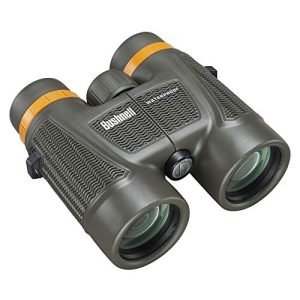
Are you thinking about buying ED binoculars but worried about image quality? You might have heard that some binoculars can cause distortion, making what you see blurry or warped.
So, do ED binoculars have distortion? This question matters because clear, sharp views can make all the difference whether you’re birdwatching, hiking, or simply enjoying nature. You’ll discover how ED binoculars work, what causes distortion, and how these special lenses can affect your viewing experience.
Keep reading to find out if ED binoculars live up to their promise of crystal-clear vision.
Credit: gearjunkie.com
What Are Ed Binoculars
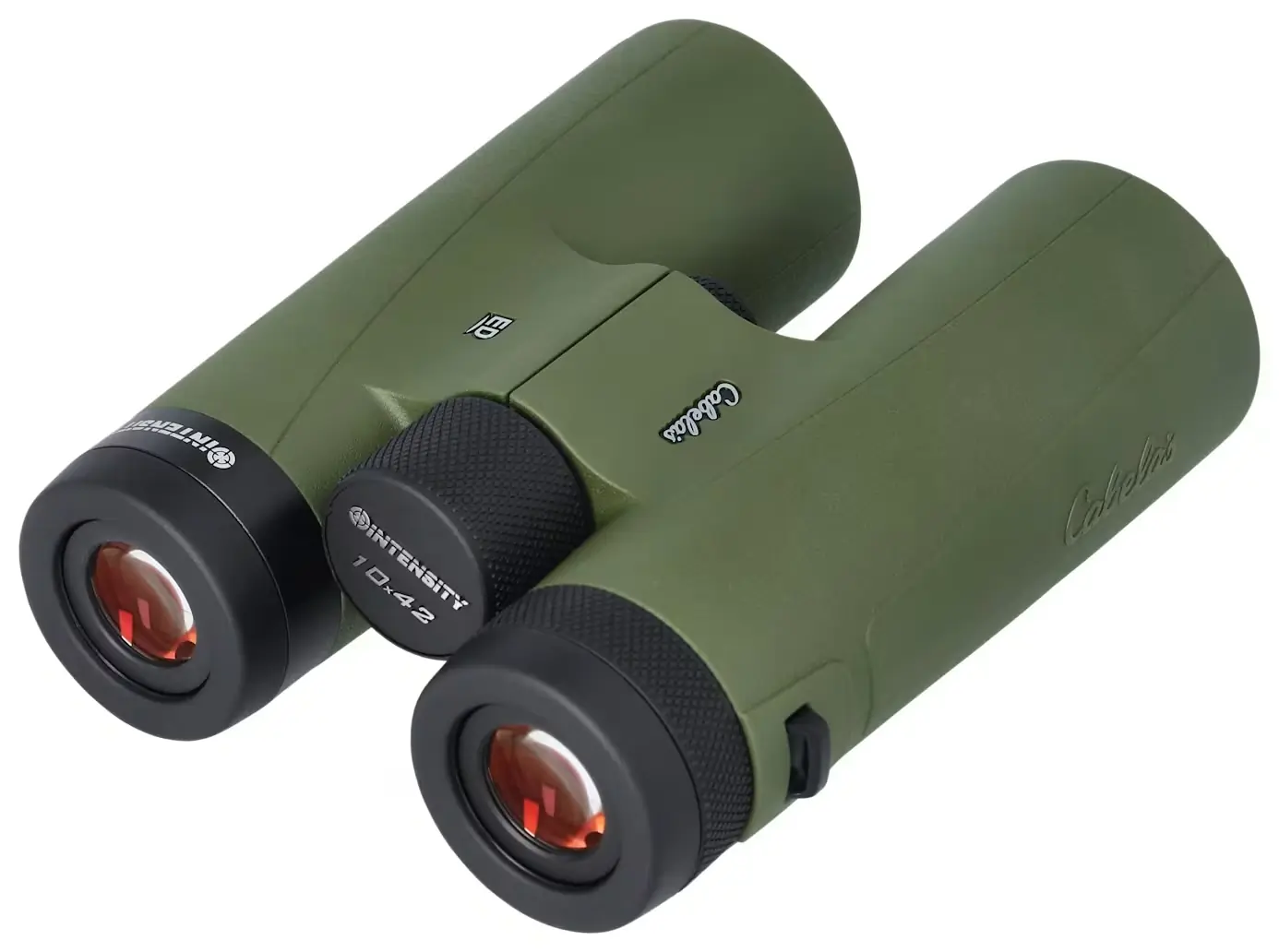
ED binoculars use special glass called Extra-low Dispersion glass. This glass reduces color errors in images.
They provide clearer and sharper views compared to regular binoculars. This helps in seeing fine details.
Understanding Extra-low Dispersion Glass
Extra-low Dispersion glass lowers the spreading of light into colors. This effect is called chromatic aberration.
Reducing this effect helps binoculars show images with less color blur around edges. This makes images look more natural.
How Ed Glass Improves Image Quality
ED glass helps produce sharper images by focusing light better. It reduces distortions that can blur the view.
Users see clearer colors and better contrast. This is useful for bird watching, hunting, and sports.
Do Ed Binoculars Have Distortion?
All binoculars have some distortion, but ED binoculars have less. The special glass reduces color and image distortion.
They show images closer to what your eyes see naturally. This means less strain and better viewing comfort.
- Less color fringing around objects
- Sharper edges and details
- Better clarity in low light
- Reduced eye strain during long use
Common Optical Distortions
Binoculars can show some optical problems called distortions. These distortions change how you see objects through the lenses.
Understanding distortions helps you know what to expect from your binoculars. It also explains why images may not look perfect.
Types Of Distortion
There are several common types of distortion found in binoculars. Each type affects the image in a different way.
- Barrel Distortion:Objects near the edge look curved outward like a barrel.
- Pincushion Distortion:Objects near the edge look pinched inward like a cushion.
- Chromatic Aberration:Colors separate and create colored edges around objects.
- Field Curvature:The image is sharp in the center but blurry at the edges.
- Astigmatism:Lines may appear blurry or stretched in some areas.
Causes Of Distortion In Binoculars
Distortions happen because of how lenses and prisms bend light inside binoculars. The shape and quality of parts matter.
Manufacturing limits and design choices also cause distortions. Cheaper lenses often have more problems.
- Lens Shape:Curved lenses can bend light unevenly, causing distortion.
- Lens Quality:Lower quality glass may not focus light properly.
- Prism Design:Prisms help correct images but can add distortion if not precise.
- Alignment Issues:Misaligned lenses or prisms cause blurry or warped images.
- Magnification:Higher magnification can increase distortion effects.
How Ed Glass Reduces Distortion
ED glass stands for Extra-Low Dispersion glass. It helps reduce distortion in binoculars.
This type of glass controls how light bends inside the lenses. It makes images clearer and sharper.
Properties Of Extra-low Dispersion Glass
ED glass has special optical properties that limit light scattering. It reduces chromatic aberration.
The glass is designed to slow down some colors of light more than others. This keeps colors from blurring together.
- Low dispersion reduces color fringing
- High clarity glass improves sharpness
- Special coatings help block stray light
Impact On Image Clarity And Color
Using ED glass in binoculars improves how clear images look. It keeps edges sharp and colors true.
Colors appear more natural and less blurry. This helps you see details better at long distances.
- Sharper images with less blur
- Reduced color fringing around objects
- Improved contrast and color accuracy

Credit: www.reddit.com
Comparing Ed And Non-ed Binoculars
Binoculars come in two main types: ED and non-ED. ED means extra-low dispersion glass. This glass helps reduce distortion in the images.
Non-ED binoculars use regular glass. This can cause more color fringing and blur. Let’s look at how they differ in image quality and user experience.
Image Quality Differences
ED binoculars show clearer and sharper images. They reduce color fringing around objects. This makes details easier to see.
Non-ED binoculars may show some color blur or distortion. This happens because regular glass does not correct light dispersion well. The edges of objects can look fuzzy.
- ED binoculars have less color fringing
- Sharper and clearer image with ED glass
- Non-ED binoculars may have blurred edges
- Color distortion is common in non-ED models
User Experience And Feedback
People who use ED binoculars often say they see better details. The views feel more natural and comfortable for long use.
Users of non-ED binoculars might notice eye strain after some time. The slight distortion can make it harder to focus on objects far away.
- ED binoculars reduce eye fatigue
- Users report clearer views with ED glass
- Non-ED models can cause more eye strain
- Less sharp images affect user satisfaction
Limitations Of Ed Binoculars
Extra-low dispersion (ED) binoculars reduce many types of image distortion. They improve color clarity and sharpness. Still, they have some limits that users should know.
Understanding the remaining distortions helps set realistic expectations. It also guides you in choosing the right binoculars for your needs.
Potential Remaining Distortions
ED binoculars reduce chromatic aberration but may not remove all distortions. Some optical issues can still affect the viewing experience.
- Chromatic Aberration:Slight color fringing may appear on high-contrast edges.
- Barrel or Pincushion Distortion:Straight lines near the edges might look curved.
- Field Curvature:The image may lose sharpness towards the edges.
- Spherical Aberration:Some blurring can happen if lenses are not perfectly shaped.
Other Factors Affecting Performance
Besides optical design, several factors impact ED binoculars’ performance. These include build quality and environmental conditions.
| Factor | Effect on Performance |
|---|---|
| Lens Coatings | Reduce glare and improve light transmission |
| Alignment | Misaligned lenses cause double images or eye strain |
| Weather Conditions | Fog, rain, and dust degrade image clarity |
| Magnification | Higher magnification can increase shakiness and reduce brightness |
| Quality of Prism Glass | Affects brightness and color accuracy |
Tips For Choosing Low-distortion Binoculars
Distortion in binoculars can make images look curved or blurry at the edges. This can be distracting when you want clear views.
Choosing binoculars with low distortion helps you see sharp and true images. Here are tips to find the right pair.
Key Features To Look For
Look for binoculars with high-quality lenses and coatings. These reduce light loss and improve image clarity.
Check for low chromatic aberration. This means less color fringing around objects, which lowers distortion.
- Fully multi-coated lenses for better light transmission
- ED (Extra-low Dispersion) glass to reduce color blur
- Aspherical lenses to correct edge distortion
- Wide field of view with clear edges
- Good build quality to keep lenses aligned
Brands Known For Quality Optics
Some brands focus on making binoculars with low distortion and sharp images. They use advanced lens technology.
Choosing brands with a strong reputation can help you get better optics and less distortion.
- Zeiss: Known for sharpness and low distortion
- Leica: Offers high-end glass and coatings
- Swarovski: Produces bright and clear images
- Nikon: Provides good optics for various budgets
- Vortex: Popular for durable and quality lenses

Credit: theoutpostarms.com.au
Frequently Asked Questions
Do Ed Binoculars Reduce Image Distortion?
Yes, ED binoculars use extra-low dispersion glass to minimize chromatic aberration. This reduction leads to clearer, sharper images with less color fringing and distortion.
How Does Distortion Affect Binocular Performance?
Distortion can blur details and cause color fringing, reducing image clarity. ED binoculars are designed to correct these issues, enhancing viewing quality and accuracy.
Can Ed Binoculars Eliminate All Types Of Distortion?
No binoculars completely eliminate distortion, but ED glass significantly reduces chromatic and spherical distortions. This makes ED binoculars superior for crisp, high-quality visuals.
Are Ed Binoculars Better For Long-distance Viewing?
Yes, ED binoculars provide sharper images with less color blur at long distances. This makes them ideal for birdwatching, hunting, and other detailed observations.
Conclusion
ED binoculars often show minimal distortion. This enhances the viewing experience. Users enjoy clearer and sharper images. Great for nature lovers and bird watchers. Distortion can affect clarity in some models. Always test binoculars before purchasing. Check for comfort and image quality.
Investing in good lenses pays off. Quality binoculars last longer and perform better. Choose wisely based on your needs. Happy viewing with your next binoculars!