Have you ever been excited to use your binoculars, only to find the lenses fogged up and ruining your view? It’s frustrating when you miss out on clear, sharp images just because of fogging.
If you rely on close-focus binoculars for birdwatching, hiking, or any outdoor activity, you might be wondering: do these binoculars resist fogging? Understanding how fogging affects your gear and whether close-focus models can handle it makes a big difference in your experience.
Keep reading to discover the truth about fog resistance and how to keep your vision crystal clear every time you look through your binoculars.
Close-focus Binoculars Basics
Close-focus binoculars allow you to see objects very close to you in sharp detail. They are different from regular binoculars that focus best on faraway subjects.
These binoculars are useful for viewing small things nearby, such as flowers or insects, with great clarity.
What Close-focus Means
Close-focus means the binoculars can focus on objects only a few feet away. The minimum focus distance is much shorter than standard binoculars.
- Allows viewing details of nearby objects
- Focus distance can be as close as 2 to 6 feet
- Uses special lens design to achieve sharp close images
- Still works well for distant objects
Common Uses For Close-focus Binoculars
Many people use close-focus binoculars for activities that need seeing small things close up and far away. They are great for nature observation.
| Activity | Why Close-Focus Helps |
|---|---|
| Bird Watching | See birds perched nearby with clear details |
| Insect Study | Focus on small insects on plants or flowers |
| Flower Viewing | Observe petals and colors up close |
| Travel | View both close and distant scenes easily |

Credit: www.ebay.com
Causes Of Fogging In Binoculars
Fogging in binoculars happens when moisture builds up on the lenses. This makes the view blurry and hard to see.
Understanding why fog forms helps to know if close-focus binoculars resist it or not.
Internal Vs External Fogging
Fogging can happen inside or outside the binocular lenses. Both types affect how well you see.
External fogging happens when the lens surface cools down and moisture in the air turns into tiny droplets on it.
Internal fogging occurs when moisture gets inside the binoculars. This happens if the seals are broken or not tight.
- External fogging is often temporary and clears up quickly.
- Internal fogging can last longer and is harder to fix.
- Good binoculars have sealed lenses to stop internal fogging.
Environmental Factors
Weather and surroundings affect how fog forms on binoculars. Warm, humid air causes more fog.
Moving between different temperatures, like from cold to warm, also causes fog on lenses.
- High humidity makes fog form easily on lens surfaces.
- Cold weather cools lenses and triggers condensation.
- Rapid temperature changes increase fog risk.
- Rain and water splashes add moisture to lenses.
Fog-resistant Features In Binoculars
Fog can blur the view through binoculars. This is a common problem in cold or humid places.
Many binoculars have special features to stop fog from forming inside. These features keep the lenses clear.
Nitrogen And Argon Purging
Binoculars often use nitrogen or argon gas inside their tubes. These gases stop moisture from entering.
These gases also prevent fog from building up on the lenses. This keeps the view clear in cold weather.
- Nitrogen is dry and does not contain moisture.
- Argon is a heavier gas that also blocks moisture well.
- Both gases fill the space inside the binoculars.
- This keeps the inside dry and fog-free.
Sealed O-ring Construction
O-rings are small rubber rings inside binoculars. They create a tight seal to keep water out.
The sealed O-rings stop air and moisture from entering the binocular body. This helps prevent fogging.
- O-rings seal all openings in the binoculars.
- They protect the lenses and internal parts from water.
- This keeps the binoculars working well in wet conditions.
- Sealed O-rings also protect against dust and dirt.

Credit: www.amazon.com
Do Close-focus Binoculars Include Fog Protection?
Close-focus binoculars let you see objects very near, like flowers or insects. Many people wonder if these binoculars can resist fogging.
Fogging can happen when moisture builds up inside the lenses. This affects clear vision. Some binoculars have features to prevent this problem.
Typical Design Considerations
Manufacturers use special designs to reduce fogging in binoculars. One common way is to fill the binoculars with nitrogen or argon gas. This stops moisture from entering.
Another design includes sealing the binoculars tightly. This keeps water and air out. Many close-focus binoculars use these methods to protect against fog.
- Gas filling to remove moisture
- Waterproof and airtight sealing
- Coated lenses to reduce fog on the surface
Models With Enhanced Fog Resistance
Some close-focus binoculars offer extra fog protection. They use stronger seals and higher quality gas filling. These models work well in cold or wet weather.
These binoculars also have special lens coatings. The coatings help stop fog from forming on the glass. This keeps your view clear longer.
- High-pressure gas filling inside the tubes
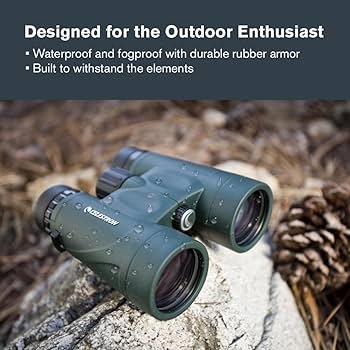
- Durable rubber armor for better sealing
- Hydrophobic lens coatings to repel moisture
- Enhanced waterproof ratings for tough conditions
Maintaining Fog-free Performance
Close-focus binoculars can fog up due to temperature and humidity changes. Keeping them fog-free helps you see clearly.
Proper care and storage reduce fogging inside the lenses. Follow these tips to keep your binoculars clear.
Proper Storage Tips
Store binoculars in a dry, cool place to avoid moisture buildup. Avoid leaving them in hot or humid areas.
Use a protective case that allows airflow. Do not seal binoculars in airtight containers if they are damp.
- Keep binoculars in a padded, breathable case
- Store away from direct sunlight and heat sources
- Let binoculars dry completely before storing
- Use silica gel packs to absorb moisture
Cleaning And Care
Clean lenses gently with a soft cloth to prevent scratches. Avoid using harsh chemicals on the glass.
Check seals and coatings regularly. Damaged seals let moisture in and cause fogging inside the binoculars.
- Use a lens brush or air blower to remove dust
- Clean lenses with a microfiber cloth and lens cleaner
- Inspect rubber seals for cracks or damage
- Replace worn parts to keep binoculars sealed
User Experiences And Reviews
Many people want to know if close-focus binoculars resist fogging. This is important for clear views in different weather. Users share their experiences to help others decide.
Reviews show mixed results. Some users say their binoculars fog up easily. Others report little or no fogging, even in damp conditions.
Reported Fogging Issues
Some users find that close-focus binoculars fog inside the lenses. This happens when warm breath or humidity meets cold glass. Fogging can block the view for minutes or longer.
Fogging issues often occur in rainy or cold weather. Users say that cheaper models fog more often. Some report fogging during quick temperature changes, like going indoors from outside.
- Fog appears inside lenses after heavy breathing
- Fog forms during rain or heavy humidity
- Fogging happens in cold weather or quick temperature changes
- Lower-priced binoculars fog more often
Recommended Fog-resistant Models
Some close-focus binoculars resist fogging better. These models often have nitrogen or argon gas inside. The gas stops moisture from forming inside the lenses.
Users recommend binoculars with good seals and fog-proof features. These keep the lenses clear in wet or cold weather. They work well for outdoor activities like bird watching and hiking.
- Binoculars filled with nitrogen or argon gas
- Waterproof and fog-proof sealed lenses
- Models with strong rubber armor for grip and protection
- Close-focus binoculars designed for outdoor use

Credit: www.amazon.com
Frequently Asked Questions
Do Close-focus Binoculars Have Anti-fog Features?
Many close-focus binoculars come with anti-fog coatings or nitrogen purging. These features help prevent internal fogging during temperature changes or humid conditions, improving clarity and usability.
How Effective Are Close-focus Binoculars Against Fogging?
Close-focus binoculars with sealed and coated lenses resist fogging well. However, non-treated models may fog up quickly in humid or cold environments, affecting visibility.
Can I Use Close-focus Binoculars In Humid Weather?
Yes, if your close-focus binoculars are waterproof and fog-proof. These models are designed to perform well in humid or wet conditions without fogging inside the lenses.
Why Do Some Close-focus Binoculars Fog Up Quickly?
Fogging happens when moisture gets inside the binoculars. Lack of sealing, anti-fog coatings, or nitrogen purging causes internal fogging, reducing visibility and user experience.
Conclusion
Close-focus binoculars often have features to reduce fogging inside the lenses. Many models include special coatings and sealed bodies to keep moisture out. This helps you see clearly in damp or cold weather. Still, no binocular is completely fog-proof in all conditions.
Wiping lenses and storing them well also help prevent fog. Choosing the right binoculars depends on where and how you use them. Clear vision makes outdoor activities more enjoyable and safe. Keep these tips in mind for better viewing experiences.