Are you tired of blurry edges and strange color fringes when you look through your binoculars? Chromatic aberration can ruin your viewing experience, making everything less sharp and clear.
You might be wondering if close-focus binoculars can help fix this problem. You’ll discover how close-focus binoculars work and whether they really reduce chromatic aberration. Keep reading to find out how you can get clearer, more vibrant views every time you look through your binoculars.
Chromatic Aberration Basics
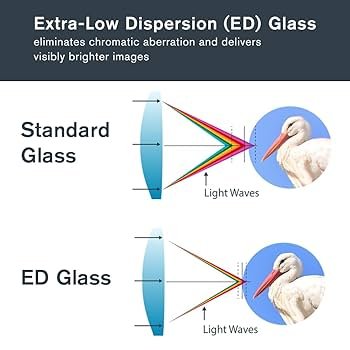
Chromatic aberration is a common problem in lenses. It happens when colors do not focus on the same point.
This causes color fringing around objects, especially in high contrast areas. It affects binoculars, cameras, and glasses.
Causes Of Color Fringing
Color fringing happens because lenses bend light differently by color. Each color has a different wavelength.
When light passes through the lens, colors focus at different distances. This creates a blur of colors around edges.
- Lens glass refracts colors unevenly
- Different colors focus at different points
- High contrast edges show color outlines
- Cheaper lenses usually have more fringing
Impact On Image Quality
Chromatic aberration lowers the sharpness of images. Color edges look blurry or have unwanted colors.
This can make details harder to see. It reduces the overall clarity and quality of what you see through binoculars.
- Colors appear less natural
- Edges look fuzzy or haloed
- Fine details lose clarity
- Eye strain can increase over time
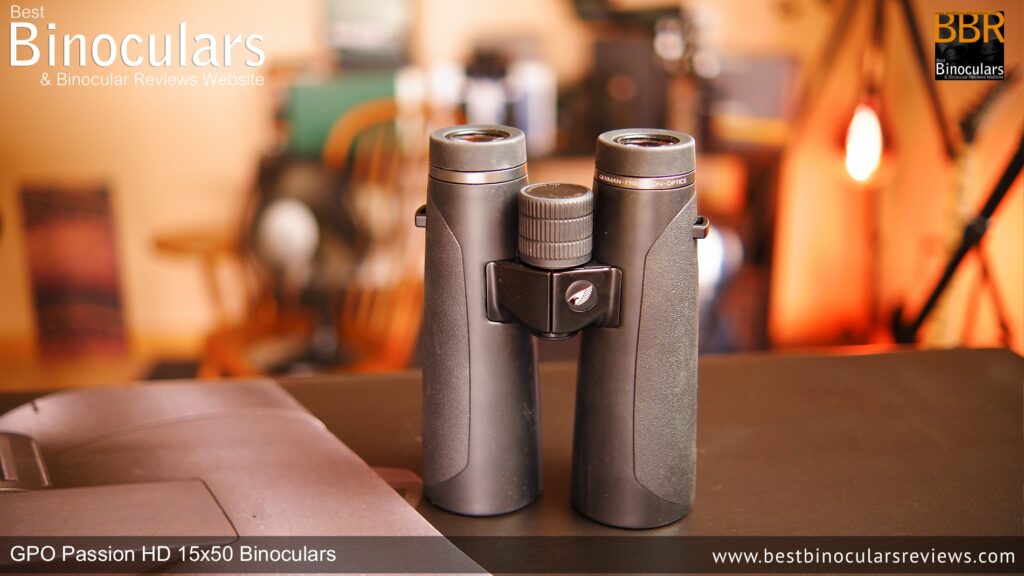
Credit: www.bestbinocularsreviews.com
Close-focus Binoculars Features
Close-focus binoculars let you see objects that are very near. These binoculars are useful for bird watching and nature observation.
Some people wonder if close-focus binoculars reduce chromatic aberration. This happens when colors blur around objects. Let’s look at their features to understand this better.
Design Differences
Close-focus binoculars have a special design that allows focusing on objects just a few feet away. This design changes the lens arrangement compared to regular binoculars.
The main design change is in the focus mechanism. It must move the lenses closer or farther to focus on near objects clearly. This can affect light paths and image quality.
- Shorter minimum focus distance
- More precise focus adjustments
- Lens position changes to focus near objects
Optical Components
Close-focus binoculars use special lenses to keep images sharp at close range. These lenses try to reduce distortions like chromatic aberration.
Manufacturers use extra-low dispersion glass or special coatings to lower color fringing. These parts help in creating clearer and sharper images.
- Extra-low dispersion (ED) glass reduces color blur
- Anti-reflective coatings improve light clarity
- Lens elements designed for sharp close focus
Effect Of Close Focus On Aberration
Close-focus binoculars let you see objects near you clearly. This feature changes how light moves inside the lenses. It can affect the way colors appear.
Chromatic aberration is a color blur seen around objects. It happens because lenses bend colors differently. Close focus may change this effect in binoculars.
How Focus Distance Influences Chromatic Aberration
When you focus on close objects, lenses bend light at sharper angles. This can increase color fringing around edges. Distant focus usually shows less color blur.
Close focusing forces the lenses to work harder. This sometimes makes chromatic aberration more visible. The closer the focus, the stronger this effect can be.
- Close focus = more lens bending
- More bending = higher chance of color blur
- Distant focus = less color fringing
Real-world Performance
In real use, close-focus binoculars may show slight color edges on nearby subjects. This can happen in high-contrast scenes like bright flowers or dark branches.
Good-quality binoculars use special glass to reduce this effect. Many users find chromatic aberration small enough to ignore. It does not ruin the viewing experience.

Credit: www.urbannaturestore.ca
Technology Behind Chromatic Correction
Chromatic aberration happens when lenses fail to focus all colors at the same point. This causes color fringing and blurry images.
Close-focus binoculars use special technology to reduce this problem. They improve image clarity and color accuracy.
Lens Coatings
Lens coatings help reduce light reflections inside binoculars. They allow more light to pass through the lenses.
These coatings also reduce chromatic aberration by minimizing color fringing and improving image contrast.
- Anti-reflective coatings reduce glare and reflections
- Multi-layer coatings improve color correction
- Special coatings enhance sharpness at close focus
Special Glass Types
Special glass types help correct color distortions in binoculars. They bend different colors of light more evenly.
Using extra-low dispersion (ED) glass or fluorite glass reduces chromatic aberration. This gives clearer and sharper images.
- ED glass controls color fringing effectively
- Fluorite glass offers high color accuracy
- These glasses improve focus at close distances
Comparing Binocular Types
Binoculars come in different types with unique features. Close-focus binoculars and standard binoculars serve different needs. Understanding their differences helps in choosing the right one.
This article compares close-focus and standard binoculars. It also discusses if close-focus binoculars reduce chromatic aberration.
Close-focus Vs Standard Binoculars
Close-focus binoculars allow you to see objects clearly at very short distances. Standard binoculars focus on distant objects but struggle with nearby views. This difference affects their use in various activities.
- Close-Focus Binoculars:Best for birdwatching and observing flowers up close.
- Standard Binoculars:Ideal for sports events and wildlife watching far away.
- Both types have lenses that can show chromatic aberration, which causes color fringing.
Pros And Cons
| Binocular Type | Pros | Cons |
| Close-Focus | Clear view of close objects Good for detailed observation | Usually heavier May cost more |
| Standard | Lightweight Good for long-distance viewing | Not good for very close focus Chromatic aberration more visible on cheap models |
Close-focus binoculars do not automatically reduce chromatic aberration. The reduction depends on lens quality and coatings. Some high-end close-focus binoculars use extra-low dispersion glass to help.
User Tips To Minimize Aberration
Close-focus binoculars can sometimes show color fringes called chromatic aberration. This happens when light colors do not focus on the same point.
Users can follow simple tips to reduce these color edges and improve their viewing experience.
Proper Focusing Techniques
Focus your binoculars carefully to reduce chromatic aberration. Use the central focus wheel and the diopter adjustment for clear images.
Look at objects in good light and avoid focusing on very close objects all the time. This helps keep colors sharp and clear.
- Adjust central focus slowly until the image is sharp
- Use the diopter ring to match your eyes
- Focus on objects about 10 feet or more away
- Avoid rapid refocusing to reduce color distortions
Maintenance And Handling
Keep your binoculars clean and handle them with care. Dust and smudges can worsen chromatic aberration effects.
Store binoculars in a dry place and avoid touching the lenses with your fingers. Use a soft cloth for cleaning.
- Use a lens brush or blower to remove dust
- Clean lenses with a microfiber cloth and lens cleaner
- Store in a padded case to prevent damage
- Keep away from extreme heat or moisture
Credit: www.gaborruff.com
Frequently Asked Questions
Do Close-focus Binoculars Minimize Chromatic Aberration?
Close-focus binoculars can reduce chromatic aberration by using special lens coatings. These coatings limit color fringing and improve image clarity. However, the degree of reduction depends on the binocular quality and design. Premium models typically offer better chromatic aberration control.
How Does Chromatic Aberration Affect Close-focus Viewing?
Chromatic aberration causes color fringing around objects, reducing image sharpness. When viewing close objects, this effect can be more noticeable. Proper lens design in close-focus binoculars helps minimize this distortion, delivering clearer and more natural images.
Are All Close-focus Binoculars Equally Effective Against Chromatic Aberration?
No, effectiveness varies based on lens quality and coatings. High-end close-focus binoculars use extra-low dispersion glass to reduce chromatic aberration. Budget models may show more color fringing. Choosing binoculars with advanced optics ensures better chromatic aberration control.
Can Lens Coatings Improve Chromatic Aberration In Binoculars?
Yes, specialized lens coatings reduce chromatic aberration by filtering unwanted light wavelengths. These coatings enhance contrast and color accuracy, especially for close-focus views. Quality coatings significantly improve image clarity and reduce color distortions.
Conclusion
Close-focus binoculars help reduce chromatic aberration by improving lens design. They bring objects closer with clearer colors and less blur. Still, some color fringing may appear depending on lens quality. Choosing binoculars with good coatings also limits this effect. Clear, sharp views matter most for enjoyable use.
Understanding how close-focus works helps pick the right pair. Try different models to see what fits your needs best. Good optics make a real difference in your viewing experience.