Have you ever wondered if your wildlife binoculars can stand up to the harshest weather conditions? Whether you’re out in heavy rain, freezing cold, or scorching heat, you want to be sure your gear won’t fail you at the crucial moment.
Imagine spotting a rare bird or an elusive animal, only to have your binoculars fog up or stop working because of the weather. You’ll discover how to choose and use wildlife binoculars that perform reliably, no matter what nature throws at you.
Keep reading to make sure your next outdoor adventure is never interrupted by unpredictable weather.
Credit: gearjunkie.com
Types Of Wildlife Binoculars
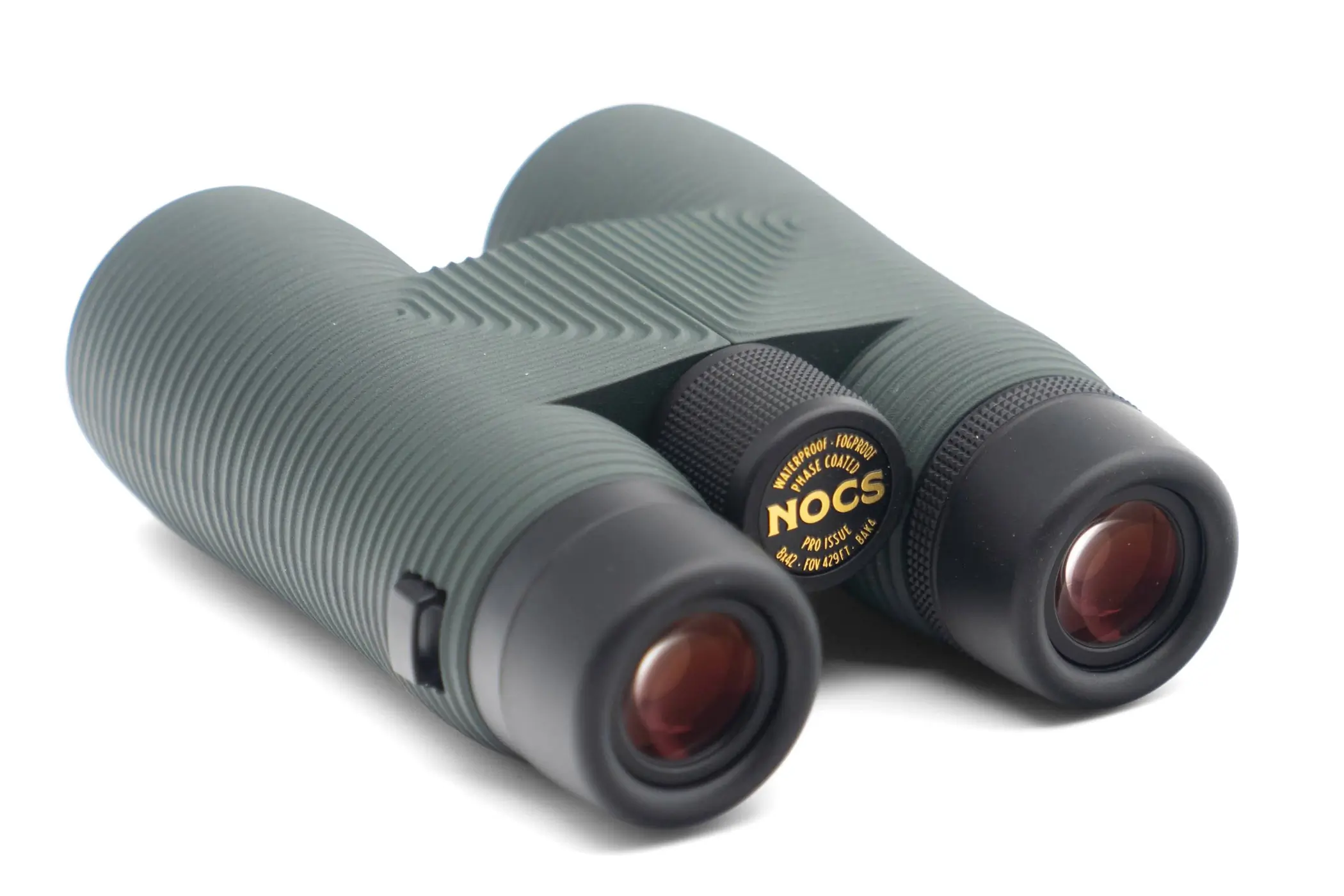
Waterproof modelskeep water out during rain or snow. They protect lenses and internal parts from damage. Perfect for wet and rainy conditions.
Fogproof featuresstop lenses from fogging inside. They use special gas or coatings to keep vision clear. Good for cold or humid weather.
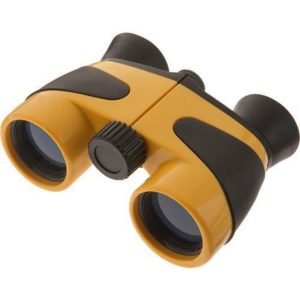
Durability and build qualitymatter in tough weather. Strong materials resist drops and scratches. Rubber armor adds grip and shock resistance.
Impact Of Extreme Weather
Heavy raincan blur lenses and reduce visibility. Wildlife binoculars with waterproofseals and coatings work best. Rain might cause fogging inside the lenses if not sealed well. Carrying a rain coverhelps protect binoculars during storms.
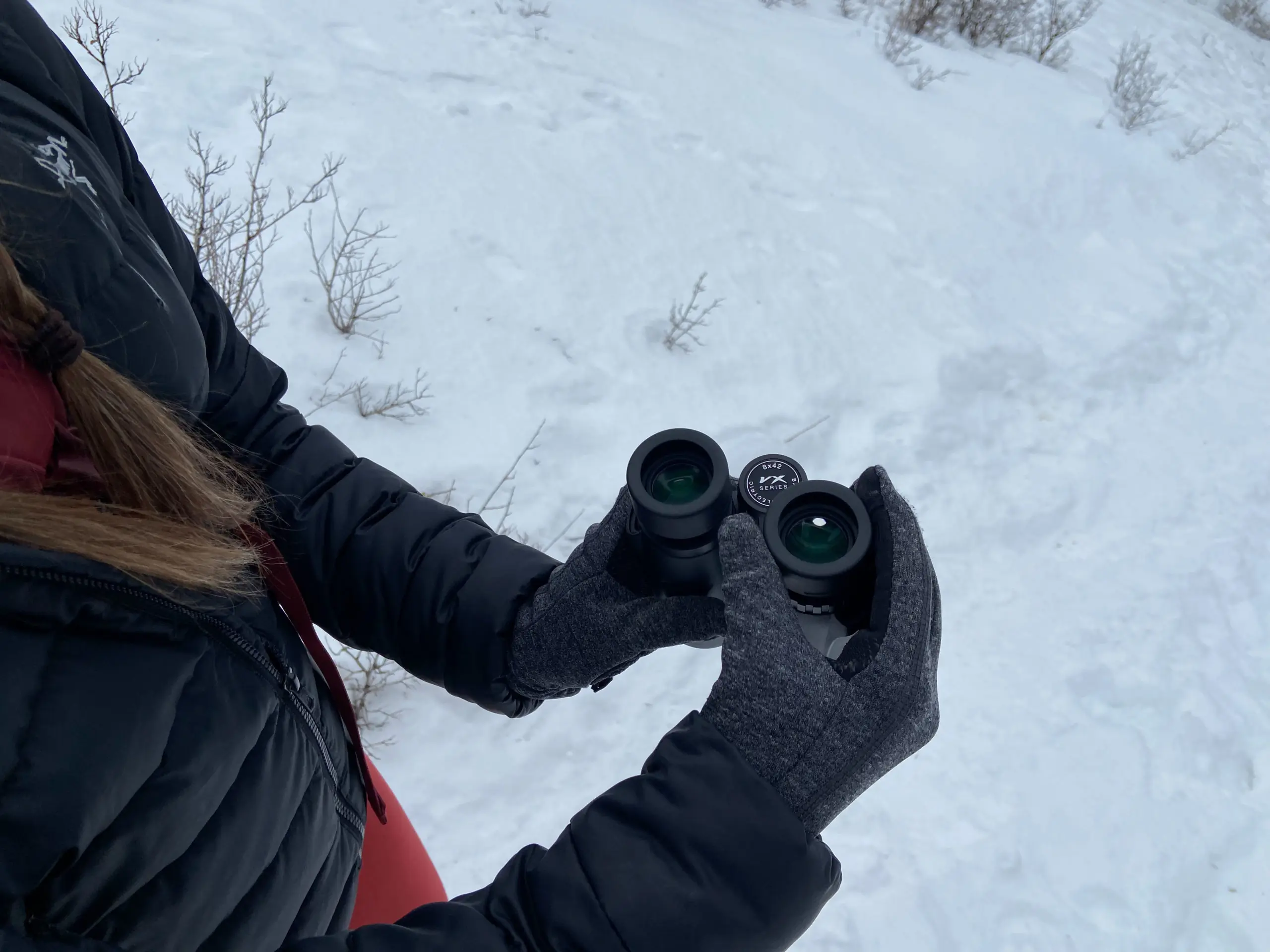
Snow and icecan freeze moving parts like the focus wheel. Cold temperatures may make materials brittle or cause condensation inside. Using binoculars designed for cold weatherensures durability and clear views. Wiping off snow quickly prevents damage.
High windsmake it hard to keep binoculars steady. It can also blow dust and debris onto lenses. Using a tripod or stabilizerhelps maintain a clear image. Protecting lenses with caps when not in use stops scratches from wind-blown particles.
Expert Opinions On Usage
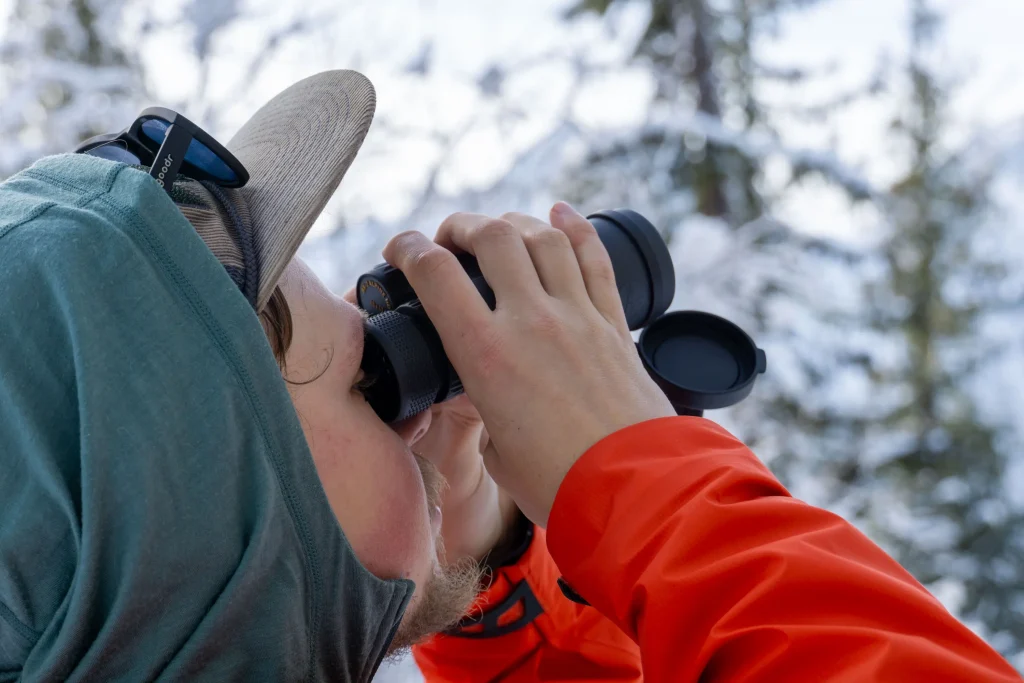
Wildlife binoculars with waterproof features work well in rainy conditions. Use binoculars with rubber armor for better grip when wet. Lens covers help keep water drops off the lenses. Wipe lenses gently with a soft cloth to avoid scratches.
Cold weather can cause lenses to fog up. Choose binoculars with anti-fog coatings or nitrogen purging. Keep binoculars close to your body to stay warm. Avoid sudden temperature changes to prevent fogging inside the lenses.
Strong winds can make holding binoculars steady difficult. Use a tripod or monopod for better stability. Look for binoculars with good grip and lightweight design to reduce hand fatigue. Stay low or behind a shield to reduce wind impact on your view.

Credit: www.amazon.com
Technological Advancements
Weather-resistant coatingshelp binoculars stay clear in rain or snow. These coatings stop water drops from sticking. They also reduce fog on lenses. This lets you see better in wet or cold places.
Advanced lens technologygives sharper and brighter images. Special glass and coatings cut glare and improve light. This means you can spot animals even in low light or cloudy weather.
Innovations in binocular designinclude tough shells and sealed bodies. These protect the inside parts from dust and water. Some models have rubber covers to stop slips and shocks. This makes them last longer in harsh weather.
Maintenance Tips
Cleaning wildlife binoculars regularly keeps lenses clear and sharp. Use a soft cloth to wipe dust and dirt gently. Avoid touching lenses with fingers to stop smudges. Store binoculars in a dry, cool place to prevent mold or rust. A padded case protects them from bumps and scratches during travel.
- Use rain covers or waterproof cases in wet weather.
- Attach lens caps when not in use to avoid damage.
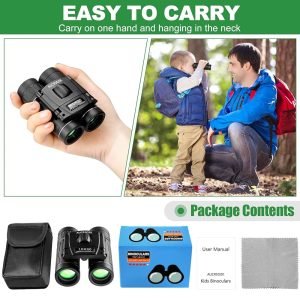
- Carry binoculars with a sturdy neck strap for safety.
Check binoculars often for loose screws or cracked lenses. Tighten parts carefully to keep the device stable. Look inside for moisture or fogging signs and dry quickly. Replace worn-out parts to ensure good performance in tough weather.
Credit: gearjunkie.com
Choosing The Right Binoculars
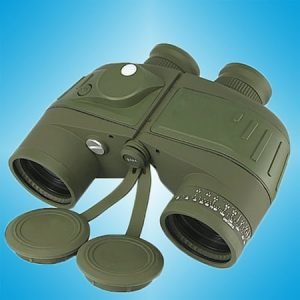
Weather resistanceis key for wildlife binoculars used outdoors. Choose models with waterproofand fog-prooffeatures. Rubber armor offers good grip and shock protection. Look for binoculars with nitrogen or argon gas inside to stop fogging.
Consider the weightand sizefor comfort during long use. Bigger lenses let in more light but can be heavier. Compact binoculars are easier to carry but may lose some image quality.
Good binoculars balance durabilityand price. Expensive does not always mean better. Match features to your needs and budget.
| Feature | Why It Matters | Budget Tips |
|---|---|---|
| Waterproof & Fog-proof | Protects lenses in rain and cold | Look for sealed models with gas filling |
| Lens Size | More light means clearer view | Choose medium size for balance |
| Rubber Armor | Provides grip and shock resistance | Common in mid-range binoculars |
- Read expert reviews to find reliable brands.
- Check user feedback for real-life weather use.
- Consider warranty and customer support.
Frequently Asked Questions
Can Wildlife Binoculars Handle Extreme Cold Weather?
Yes, many wildlife binoculars are designed with fog-proof and waterproof features. These help them withstand cold, icy conditions without damage or fogging inside the lenses.
Are Waterproof Binoculars Suitable For Heavy Rain?
Waterproof binoculars are ideal for heavy rain. They prevent water from entering and protect internal components, ensuring clear vision during wet weather.
How Do Binoculars Resist Fog In Humid Conditions?
Binoculars use nitrogen or argon gas filling to prevent internal fogging. This keeps the lenses clear even in humid or rapidly changing temperatures.
Can Binoculars Survive In Dusty Or Sandy Environments?
Yes, many wildlife binoculars have sealed bodies and protective coatings. This design shields them from dust and sand, making them durable in harsh outdoor conditions.
Conclusion
Wildlife binoculars can handle many tough weather conditions. Choose models with waterproof and fog-proof features. These help keep your view clear and sharp. Always protect your binoculars with a good case. Carry them carefully during storms or heavy rain. This keeps your gear safe and working well.
Good binoculars make outdoor adventures more enjoyable. Stay prepared, and you can explore nature anytime.