Have you ever struggled to keep your hands steady while using your surveillance binoculars? If you want clearer, sharper views without the shake and fatigue, mounting your binoculars on a tripod might be exactly what you need.
But can surveillance binoculars actually be tripod-mounted? You’ll discover how easy it is to boost your viewing experience, what types of binoculars work best with tripods, and simple tips to get started. Keep reading to learn how you can transform your surveillance setup for better comfort and precision.
Benefits Of Tripod Mounting
Using a tripod with surveillance binoculars can make a big difference. Tripod mounting helps keep the binoculars steady and easy to use for long times.
Below are some key benefits of using a tripod with your surveillance binoculars.
Enhanced Stability
A tripod provides a solid base for your binoculars. It stops shaking and movement while you watch.
This stable setup helps you focus on details without distraction from hand movements.
- Prevents blurry images caused by shaking
- Keeps binoculars steady for long observations
- Allows precise tracking of moving objects
Reduced Hand Fatigue
Holding binoculars for a long time can make your hands tired. A tripod takes the weight off your arms.
This means you can watch for hours without feeling uncomfortable or shaky.
- Supports binoculars’ weight
- Frees your hands for other tasks
- Makes long surveillance easier
Improved Image Clarity
Tripod mounting helps you get clearer pictures. Less movement means sharper views.
Clear images help you see small or distant objects better during surveillance.
- Reduces blurriness from hand shakes
- Helps focus on fine details
- Improves viewing in low light conditions
Types Of Surveillance Binoculars
Surveillance binoculars come in different types based on size and features. Each type suits different needs and environments.
Understanding these types helps you choose the right binoculars for your surveillance tasks.
Compact Models
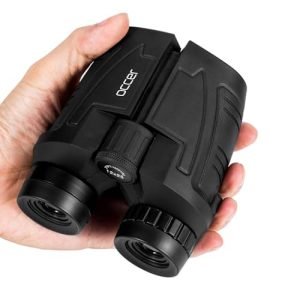
Compact binoculars are small and easy to carry. They work well for quick observation and short distances.
These models are lightweight and fit in pockets or small bags. They are not ideal for long surveillance periods.
Full-size Binoculars
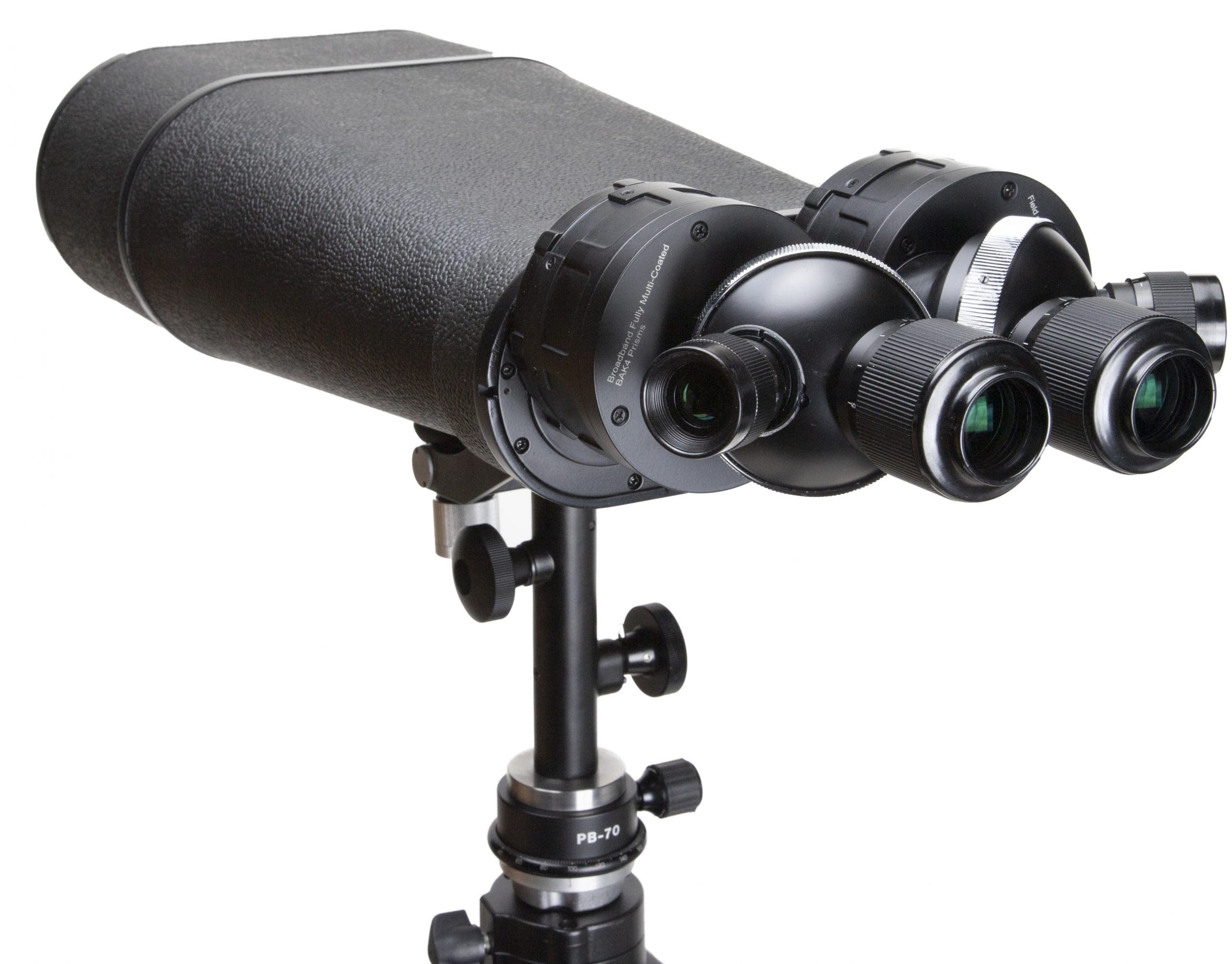
Full-size binoculars offer better image quality and longer viewing range. They are heavier and less portable.
These binoculars are good for detailed observation over long distances. Many can be mounted on tripods for stability.
Digital And Night Vision Options
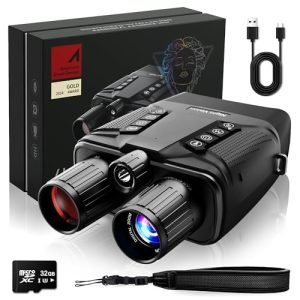
Digital binoculars include cameras and screens for viewing and recording. Night vision models work in low light or darkness.
These options add advanced features but often need batteries. They are useful for 24-hour surveillance tasks.
Tripod Compatibility Features
Surveillance binoculars can often be mounted on tripods. This helps to keep the view steady for long periods. Not all binoculars fit every tripod. Knowing the right features helps you choose the right setup.
Tripod compatibility depends on several key features. These include mounting threads, adapter options, and how the weight affects balance. Understanding these points makes it easier to use binoculars with a tripod.
Standard Mounting Threads
Most binoculars that work with tripods have a standard mounting thread. This thread is usually 1/4 inch in size. It fits most camera and tripod mounts. This makes it easy to attach binoculars directly to many tripods.
Check if your binoculars have this thread. It is often found on the front or center of the binoculars. Some models may not have any mounting thread at all.
Adapter Options
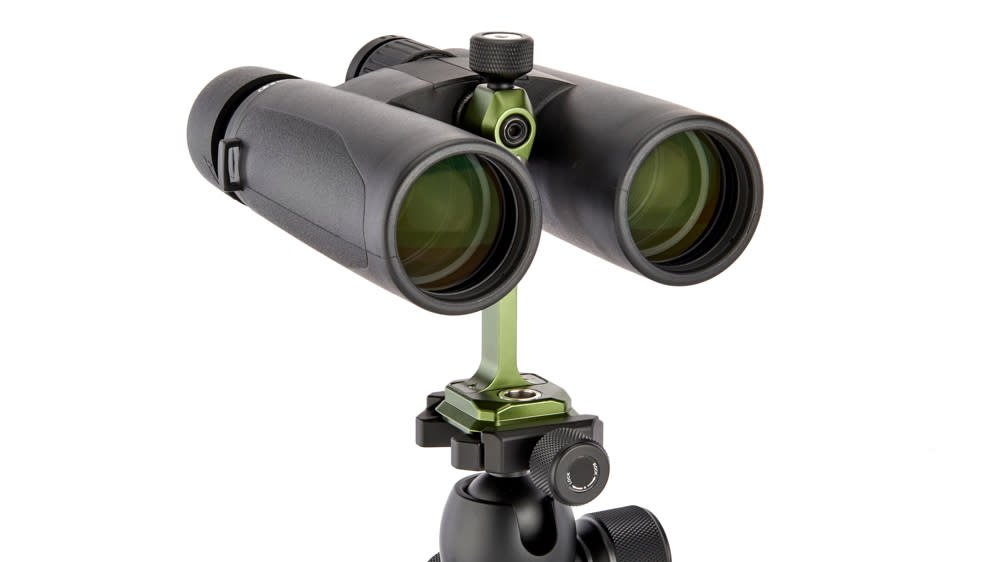
When binoculars lack a standard thread, adapters help connect them to tripods. Many adapters clamp around the binoculars. Others screw into special fittings. These adapters make more binoculars tripod-ready.
Adapters come in various shapes and sizes. Choose one that fits your binocular model well. A secure fit prevents slipping or damage during use.
- Clamp-style adapters grip the binocular barrels
- Tripod adapters screw into a built-in thread
- Universal adapters adjust to different binocular sizes
Weight And Balance Considerations
Binocular weight affects tripod stability. Heavy binoculars need stronger tripods. Balance is important to avoid tipping or shaking. The tripod head should support the binoculars well.
Keep the binoculars centered on the tripod mount. This spreads the weight evenly. Adjust tripod legs for a firm base. Proper balance improves viewing comfort and image steadying.
- Use a sturdy tripod for heavier binoculars
- Check tripod weight limits before mounting
- Position binoculars to keep balance over the tripod

Credit: www.amazon.com
Choosing The Right Tripod
Using a tripod with surveillance binoculars helps keep your view steady. A good tripod makes long observation easier and clearer.
Choosing the right tripod depends on what you need. Look at its material, height, and how easy it is to carry.
Material And Build Quality
Tripods come in different materials like aluminum, carbon fiber, and plastic. Each type affects the tripod’s strength and weight.
Carbon fiber tripods are strong but light. Aluminum tripods are durable and less costly. Plastic tripods are light but less stable.
- Carbon fiber: light, strong, and expensive
- Aluminum: durable, heavier, and affordable
- Plastic: light, less stable, budget-friendly
Height And Adjustability
Choose a tripod that can adjust to different heights. This helps you find the best view without straining your neck or back.
Look for tripods with easy-to-use locks. They let you quickly change height and angle while keeping the binoculars steady.
- Adjustable legs for different heights
- Swivel and tilt head for flexible angles
- Secure locking mechanisms for stability
Portability And Weight
Surveillance trips may require walking or hiking. A lightweight and compact tripod is easier to carry for long times.
Some tripods fold down small. Check the folded size and weight before buying. This helps you decide if it fits your needs.
- Lightweight materials reduce carrying effort
- Compact folding size fits in backpacks
- Carrying case adds convenience
Step-by-step Mounting Process
Surveillance binoculars can be mounted on a tripod for steady and clear viewing. Using a tripod helps reduce hand shake and allows longer observation times.
This guide explains how to mount your binoculars on a tripod step-by-step. Follow these easy instructions to set up correctly.
Preparing The Binoculars
First, check if your binoculars have a tripod adapter or mounting thread. Most surveillance binoculars include a tripod socket under the center hinge.
Remove any lens caps and clean the lenses gently. Make sure the binoculars are in good working order before mounting.
Attaching To The Tripod
Locate the screw on your tripod’s mounting plate. Align the screw with the tripod socket on your binoculars.
Turn the screw clockwise to attach the binoculars securely. Tighten it enough to prevent wobbling, but avoid over-tightening.
- Attach mounting plate to tripod head if needed
- Align binoculars’ tripod socket with screw
- Turn screw until binoculars feel stable
Adjusting For Optimal Viewing
Once mounted, adjust the tripod height and angle to fit your eye level. Use the tripod controls to tilt and pan smoothly.
Look through the binoculars and focus on your target. Make small adjustments to keep the view steady and clear.
- Set tripod height for comfortable viewing
- Use pan and tilt controls to aim binoculars
- Focus binoculars on the subject clearly
Common Issues And Solutions
Surveillance binoculars can be mounted on tripods to improve viewing comfort. Using a tripod helps keep the binoculars steady over long periods. However, some common issues may arise when mounting surveillance binoculars on tripods.
This guide covers common problems and simple solutions for using surveillance binoculars with tripods. It helps you get better results in different outdoor conditions.
Vibration And Shaking
One of the main problems is vibration or shaking. Even a small movement can blur the view through binoculars. This happens when the tripod is not strong or stable enough.
To reduce vibration, use a sturdy tripod with strong legs. Avoid lightweight or flimsy tripods that can wobble easily. Also, keep the tripod on a flat, solid surface to improve stability.
- Choose a tripod with thick, strong legs
- Set the tripod on firm ground
- Use tripod weights or sandbags to add stability
- Keep hands off the binoculars while watching
Compatibility Problems
Not all surveillance binoculars fit every tripod. The mounting thread size on binoculars may differ from tripod screws. This causes compatibility problems when attaching the binoculars.
Check the thread size of your binoculars and tripod before buying. Most tripods use a standard 1/4-inch screw. If sizes do not match, use an adapter to connect them securely.
- Identify the mounting thread size on binoculars
- Match it with the tripod screw size
- Use an adapter if the sizes differ
- Test the connection before long use
Maintaining Stability Outdoors
Outdoor conditions can cause problems keeping the binoculars stable on a tripod. Wind, uneven ground, and moving surfaces can shake the setup and reduce viewing quality.
Use these tips to maintain stability outside. Set up the tripod on solid, level ground. Use tripod spikes if available to grip soft soil. Shield the setup from strong wind if possible.
- Place tripod on flat, solid surfaces
- Use tripod spikes for soft or grassy ground
- Block wind with natural barriers or screens
- Keep the binoculars low to reduce wind effect
Use Cases For Tripod-mounted Binoculars
Tripod-mounted binoculars provide steady and clear views. They reduce hand shakiness, making it easier to see distant objects.
People use tripod mounts in many activities. These mounts improve comfort and help observe details for long periods.
Wildlife Observation
Wildlife watchers need steady views to see animals clearly. Tripod-mounted binoculars help keep the image stable and sharp.
Observers can watch animals without disturbing them. The tripod lets them stay still for long times without fatigue.
- Bird watching in forests or parks
- Tracking animals in open fields
- Studying animal behavior quietly
Surveillance And Security
Security personnel use tripod-mounted binoculars for clear, long-range views. The stability helps in identifying people or objects from afar.
Tripods allow hands-free monitoring. This helps keep watch for long hours without tired arms or blurry images.
- Monitoring large areas like parking lots
- Watching entrances or borders
- Supporting law enforcement during patrols
Astronomy And Stargazing
Tripods are very useful for astronomy. They hold binoculars steady to see stars and planets clearly in the night sky.
Stable binoculars reduce image shaking, making it easier to spot details on the moon or distant constellations.
- Viewing the moon’s craters
- Watching planets like Jupiter and Saturn
- Observing star clusters and galaxies
Credit: oberwerk.com

Credit: www.amazon.com
Frequently Asked Questions
Can Surveillance Binoculars Be Mounted On A Tripod?
Yes, many surveillance binoculars have tripod mounts. This stabilizes the view, reducing hand shake. It enhances image clarity for prolonged observation sessions.
What Are The Benefits Of Tripod Mounting Binoculars?
Tripod mounting offers steady viewing, especially at high magnifications. It reduces fatigue during long use. It allows hands-free operation, improving focus and image stability.
Which Tripod Types Suit Surveillance Binoculars Best?
Lightweight, adjustable tripods are ideal. They provide stability without bulk. Tripods with quick-release plates help in fast setup and removal. Compatibility with binocular mounting threads is essential.
Do All Surveillance Binoculars Support Tripod Mounting?
Not all models support tripod mounting. Check for a threaded socket, usually 1/4-inch. Some compact or budget binoculars lack tripod adapters. Always verify before purchase.
Conclusion
Mounting surveillance binoculars on a tripod enhances stability. It offers clearer views. Many binoculars come tripod-compatible. Check your model for this feature. A tripod reduces hand fatigue during long observations. It’s useful for wildlife watching. Or for security purposes. Easy to set up.
Just attach and adjust. Enjoy hands-free viewing. Tripod use makes long sessions comfortable. Consider the tripod’s weight and height. Portable tripods work best for travel. Ensure your binoculars fit securely. Always test the setup before use. A good investment for serious observers.
Make your viewing experience more enjoyable and efficient.