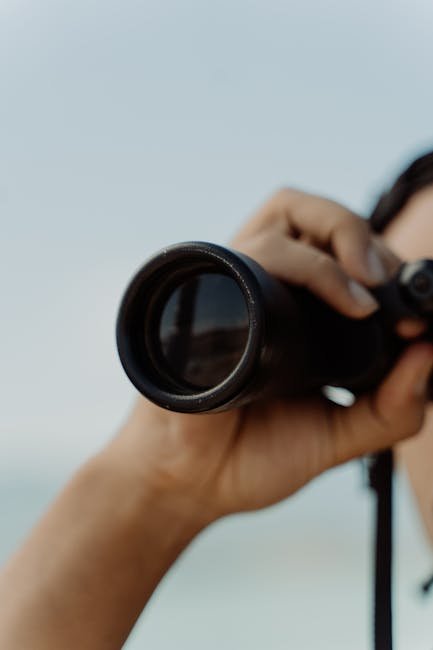
Have you ever wondered if the binoculars you use for birdwatching or hiking could also unlock the mysteries of the night sky? Roof prism binoculars are popular for their compact design and sharp images, but can they really help you see distant stars, planets, and galaxies?
If you’re curious about exploring astronomy without buying expensive telescopes, this article is just for you. Keep reading to discover how roof prism binoculars perform under the stars and whether they’re the right choice for your stargazing adventures.
Roof Prism Binoculars Basics
Roof prism binoculars offer clear and bright images, making them suitable for stargazing. Their compact design helps in easy handling during astronomy sessions. Many beginners find them useful for viewing the moon and brighter stars.
Design And Features
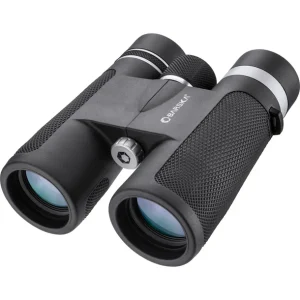
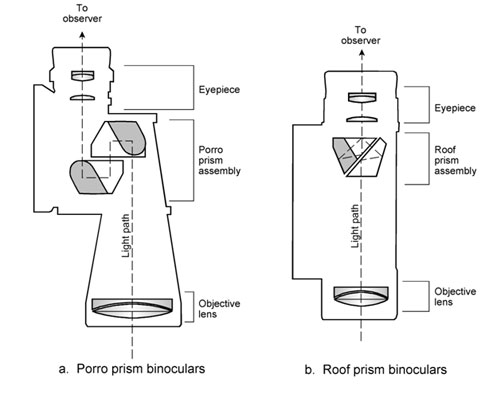
Roof prism binoculars have a straight barrel shape. This design makes them compact and easy to carry. They are great for travel or outdoor adventures. The lenses are aligned in a straight line. This gives a sleek look and good balance. Some models have waterproof features. This is useful for rainy days or near water.
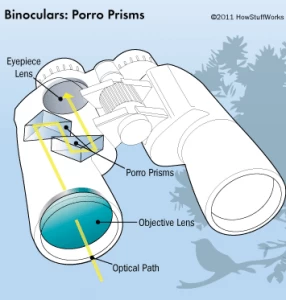
Advantages Over Porro Prisms
Roof prisms are lighter and more compact. They are easy to hold for long periods. The straight design reduces light loss. This helps in dim conditions. Roof prism binoculars are also more durable. They have fewer moving parts. This means less chance of breaking. They are usually waterproof and fog-resistant. Perfect for all-weather use.
Key Features For Astronomy
Magnificationhelps see far objects closer but too much can blur images. Aperturemeans how much light the binoculars let in. Bigger apertures show clearer and brighter stars.
Field of viewtells how wide the area looks through the binoculars. A wide field is good to see more stars at once.
Light transmissionis how well the binoculars pass light to your eyes. Better light transmission means you see stars and planets more clearly.
| Feature | Importance for Astronomy |
|---|---|
| Magnification | Shows distant stars but not too high to avoid blur |
| Aperture | Bigger lets in more light, clearer view of stars |
| Field of View | Wide view helps see many stars at once |
| Light Transmission | More light means brighter and clearer images |
Benefits For Stargazing
Roof prism binocularsare popular for stargazing due to their compact size. Their portabilitymakes them easy to carry on night trips. They fit well in backpacks without adding much weight.
These binoculars are designed for easy handling. Their shape allows quick adjustments, which is great for spotting stars fast. You can use them comfortably with one hand.
Image stabilityis better with roof prism binoculars because of their straight design. This helps you see clearer and sharper views of planets and stars. Less shaking means less eye strain.
They are built to be durablein outdoor conditions. Most models resist water, dust, and fog. This protection ensures they work well even on cold or humid nights.
| Benefit | Description |
|---|---|
| Portability | Compact and lightweight, easy to carry for night trips |
| Ease of Use | Quick focus and good grip for easy star spotting |
| Image Stability | Less shaking, clearer views of celestial objects |
| Durability | Water and fog resistant, works in tough outdoor weather |
Credit: www.astronomy.com
Limitations Compared To Telescopes
Roof prism binocularsusually have lower magnificationthan telescopes. This limits how much detail you can see in the night sky. Stars and planets appear smaller and less clear. Binoculars often show wide views but miss tiny details.
Detail resolutionis another limit. Telescopes have bigger lenses or mirrors to gather more light. This helps them show finer details in dim objects. Roof prism binoculars cannot match this, so small features stay hidden.
Using binoculars for night sky observationis also tricky. They can be hard to hold steady for long times. Shaky hands blur the view. Telescopes often have mounts that keep them still. Also, roof prism binoculars may not collect enough light for faint stars or galaxies.
Choosing The Right Binoculars
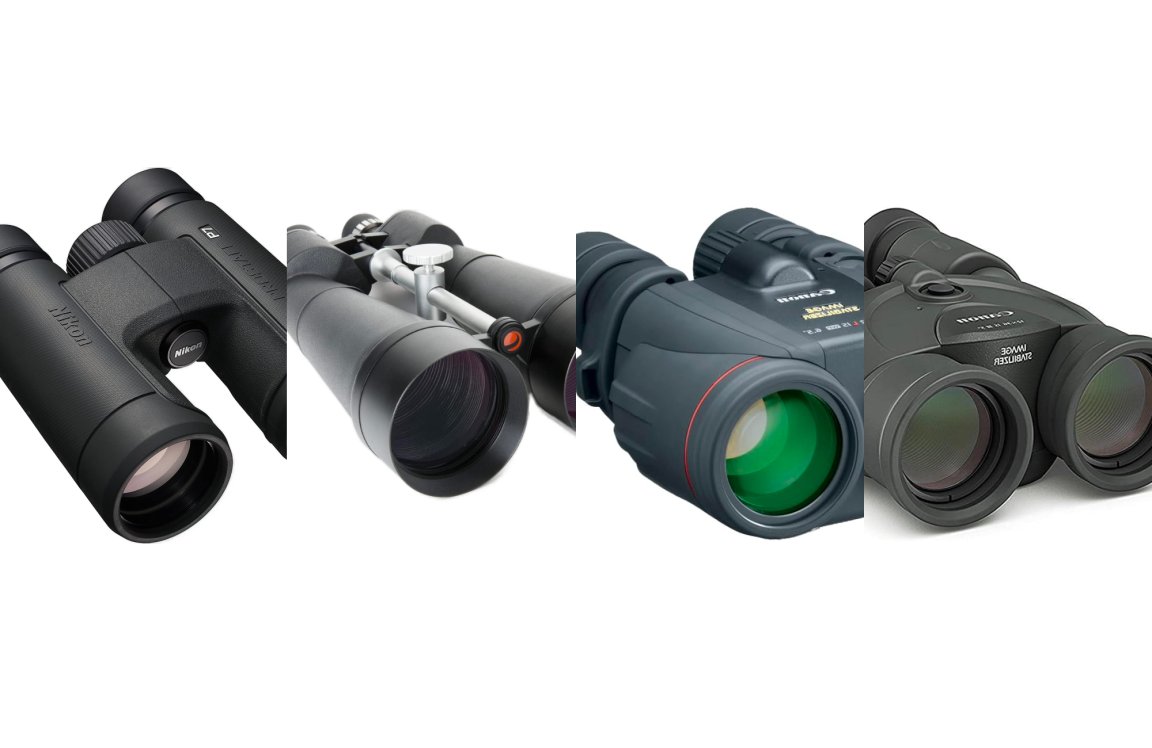
Choosing binoculars for astronomy means picking the right magnificationand size. Too much magnification makes images shaky without a tripod. A good choice is 7x to 10x magnification. Size matters because bigger binoculars are heavier and harder to hold steady for long.
Coatings on lenses improve light transmissionand reduce glare. Roof prism binoculars often have good coatings. Clear, bright views are key for stargazing. Look for terms like multi-coatedor fully multi-coatedon the product.
| Factor | What to Look For |
|---|---|
| Magnification | 7x to 10x for steady views without tripod |
| Objective Lens Size | 35mm to 50mm for good light gathering |
| Lens Coatings | Fully multi-coated for clear, bright images |
| Budget | Mid-range offers good quality without high cost |
Budget counts. Spending a bit more can improve optical qualityand durability. But many affordable roof prism binoculars still work well for beginners. Balance cost and features to find the best fit.
Credit: www.popsci.com
Tips For Using Binoculars In Astronomy
Hold binoculars steady to avoid blurry views. Rest elbows on a table or wall. Use a tripod adapter for long sessions. Gentle breathing helps keep the image clear. A stable view shows more stars and details.
Choose nights with clear skies and no moonlight. Find dark places away from city lights. Check weather for calm, dry air. Less light pollution means better star visibility.
- Start with bright objects like the Moon or planets.
- Look for easy constellations like Orion or the Big Dipper.
- Use star maps or apps to find objects.
- Focus slowly and adjust for sharp images.

Credit: www.amazon.com
Frequently Asked Questions
Can Roof Prism Binoculars Enhance Stargazing Experiences?
Yes, roof prism binoculars provide clear and bright images, making them great for casual stargazing. Their compact design is easy to handle outdoors.
Are Roof Prism Binoculars Better Than Porro Prisms For Astronomy?
Roof prism binoculars are more compact and durable, but Porro prisms often offer better depth perception. Choice depends on your specific astronomy needs.
What Magnification Is Ideal In Roof Prism Binoculars For Astronomy?
A magnification between 7x and 10x is ideal for astronomy. It balances image stability and detail visibility effectively for beginners.
Can Roof Prism Binoculars Be Used For Deep-sky Observation?
Yes, they can observe bright deep-sky objects like star clusters and some galaxies, but they are limited compared to telescopes for faint objects.
Conclusion
Roof prism binoculars can work well for casual astronomy. They offer clear and bright views of the moon and some planets. Their compact size makes them easy to carry outside. Though not as powerful as telescopes, they still show many stars.
For beginners, they provide a simple way to explore the night sky. Choose models with good magnification and lens size. Keep expectations realistic for deep space objects. Overall, roof prism binoculars offer a fun and easy start to stargazing. Give them a try on your next clear night.