Are you struggling to keep your roof prism binoculars steady during long viewing sessions? You’re not alone.
Shaky hands can ruin the experience, especially when you want a clear, sharp image. But here’s the good news: you might be able to mount your binoculars on a tripod for better stability and comfort. Curious if your roof prism binoculars can do that?
Keep reading to find out how this simple setup can transform your viewing experience and what you need to make it happen.
Roof Prism Binoculars Basics
Roof prism binoculars are a popular type of binoculars. They have straight barrels and a compact shape. This design makes them easy to carry and use.
These binoculars use a special prism system to reflect light. This helps create clear and sharp images. Many people want to know if roof prism binoculars can be mounted on a tripod.
Key Features
Roof prism binoculars have a straight and slim design. The prisms are aligned to make the binoculars more compact. This shape is different from other types, like Porro prism binoculars.
They often have good waterproof and fog-proof features. This makes them useful in many weather conditions. Their design also helps keep the image stable and clear.
- Straight, slim shape for easy handling
- Compact size for better portability
- Waterproof and fog-proof options available
- Good image stability and clarity
Advantages Over Porro Prisms
Roof prism binoculars are smaller and lighter than Porro prism models. This makes them easier to carry on trips. Their straight barrels also make them easier to hold steady.
The shape of roof prism binoculars allows for better sealing. This keeps dust and moisture out. Porro prism binoculars have a wider shape and are less compact.
- Smaller and lighter for easy travel
- Better protection from dust and water
- Straight barrels improve grip and stability
- More modern and sleek design
Tripod Compatibility
Roof prism binoculars often come with a central hinge and straight design. This shape can affect how they mount on a tripod. Many users ask if these binoculars can be stable on tripods.
Using a tripod helps reduce hand shake and allows for longer viewing sessions. It is important to check if your roof prism binoculars have features to attach a tripod.
Design Considerations
Most roof prism binoculars have a threaded hole on the front hinge. This hole is for attaching a tripod adapter. Without this hole, mounting on a tripod is difficult or impossible.
- Check if the binoculars have a tripod thread on the center hinge.
- Look for binoculars with a built-in tripod adapter or an optional accessory.
- Consider the weight of the binoculars; heavier models need stronger tripod support.
- Ensure the binoculars balance well on the tripod to avoid tipping.
Tripod Adapter Types
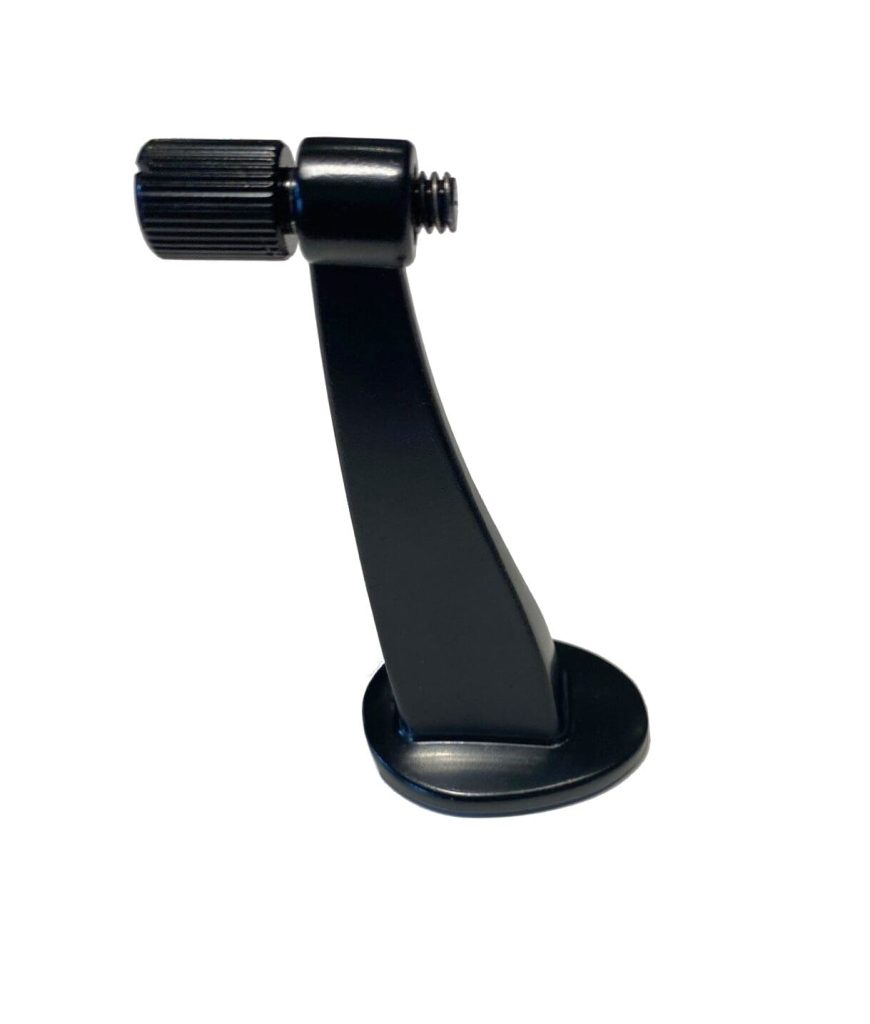
There are different tripod adapters designed for roof prism binoculars. These adapters connect the binoculars to the tripod securely.
| Adapter Type | Description | Compatibility |
| Standard Tripod Adapter | Fits the threaded hole on the binoculars’ hinge. | Most roof prism models |
| Quick Release Adapter | Allows fast mounting and removal. | Models with compatible tripod threads |
| Clamp-style Adapter | Clamps around the binocular body without threads. | Binoculars without tripod threads |
Mounting Methods
Roof prism binoculars can be attached to tripods for steady viewing. This helps reduce hand shake and improves image clarity. There are several ways to mount these binoculars on a tripod.
Different mounting methods fit different binocular models. Some need special adapters, while others use built-in features. You can also create simple DIY solutions.
Using Built-in Threaded Sockets
Many roof prism binoculars have a built-in threaded socket. This is usually located on the central hinge. The socket lets you screw the binoculars directly onto a tripod plate.
This method is simple and secure. You only need a tripod with a matching screw size. Most tripod screws are 1/4 inch, which fits many binocular sockets.
Adapters And Brackets
Some binoculars lack a built-in threaded socket. You can use special adapters or brackets to mount them. These parts attach to the binoculars and provide a tripod thread.
Adapters come in many styles. Some clamp around the body, while others fit under the binoculars. Choose one that fits your binocular model and tripod.
- Clamp-on adapters hold binoculars without damage
- Universal brackets fit many sizes and shapes
- Quick-release plates allow fast mounting and removal
Diy Mounting Solutions
You can create your own mounting solution if no adapter fits. Use strong tape, Velcro straps, or custom brackets. Make sure the binoculars stay stable and safe.
DIY mounts work well for short use or light binoculars. Avoid heavy pressure or unstable attachments. Test your setup before long viewing sessions.
- Use rubber pads to protect binocular surfaces
- Secure straps tightly but gently
- Check stability before use

Credit: www.amazon.com
Benefits Of Tripod Use
Using a tripod with roof prism binoculars can improve your viewing experience. It helps keep the binoculars steady and reduces hand fatigue.
Tripods are useful for long observation sessions and when viewing distant objects. They offer several key benefits that enhance binocular use.
Improved Stability
A tripod holds the binoculars firmly in place. This stability prevents shaking and allows for clearer views. It is especially helpful when using high magnification.
Enhanced Viewing Comfort
Holding binoculars for a long time can cause arm and hand tiredness. A tripod supports the weight, letting you watch comfortably. You can focus on details without strain.
- Reduces muscle fatigue
- Frees your hands for note-taking or using a camera
- Allows for longer observation periods
Better Image Clarity
| Without Tripod | Image may shake, causing blur |
| With Tripod | Stable view with sharp details |
| Best Use | Long-distance or low-light viewing |
Tripods reduce small movements that blur images. This makes it easier to see fine details, especially in low light or at high zoom levels.
Choosing The Right Tripod
Roof prism binoculars can be mounted on tripods for steady viewing. Picking the right tripod makes your experience better. This guide helps you find the best tripod.
Consider key features like weight, height, and compatibility. These factors affect how well the tripod works with your binoculars.
Weight And Portability
Choose a tripod that is light enough to carry easily. Heavy tripods can be hard to move during outdoor activities. Look for models made with aluminum or carbon fiber.
Portability matters if you hike or travel. A compact tripod fits better in your backpack. Some tripods fold down small for easy transport.
- Lightweight materials reduce carrying effort
- Compact design improves travel convenience
- Easy setup saves time in the field
Height And Adjustability
Pick a tripod with adjustable height to match your viewing needs. You should be able to set it low or high for comfort. Adjustable legs help on uneven ground.
Look for smooth controls to change height quickly. Some tripods offer multiple leg sections for fine tuning. A good tripod keeps your binoculars steady at any height.
- Adjustable height fits different users
- Multiple leg sections allow precise setup
- Stable on rough or sloped surfaces
Compatibility With Binoculars
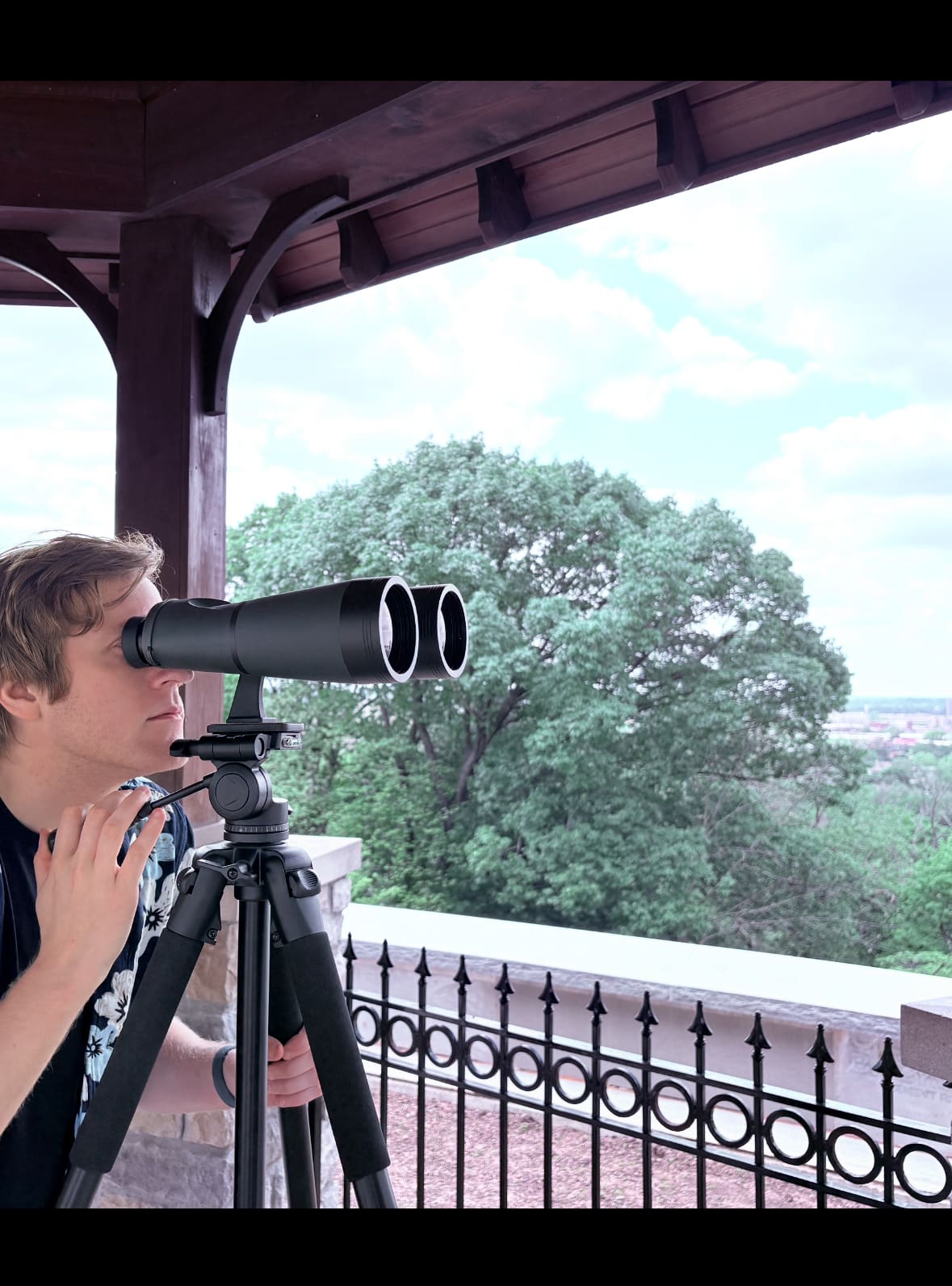
Ensure the tripod head works with your roof prism binoculars. Many binoculars have a standard tripod adapter socket. Check the size and type before buying a tripod.
Some tripods come with quick-release plates or special mounts. These make attaching and removing binoculars easier. Confirm the tripod can support the binoculars’ weight.
- Check for standard tripod adapter socket
- Look for quick-release mounting options
- Tripod must hold binocular weight securely
Credit: oberwerk.com
Tips For Effective Setup
Roof prism binoculars can be mounted on a tripod for steady viewing. Setting them up correctly helps you get clear and stable images. Use these tips to set up your binoculars effectively.
Proper setup reduces hand shake and makes long viewing sessions comfortable. Follow these simple steps to balance and secure your binoculars on a tripod.
Balancing Your Binoculars
Balance your binoculars on the tripod to prevent tipping. Adjust the position until the binoculars feel steady and even. A well-balanced setup keeps the image stable.
Check that the binoculars do not lean forward or backward. Keep the weight centered over the tripod head. This makes it easier to move and hold still.
Securing The Mount
Use a proper tripod adapter designed for binoculars. Attach the adapter firmly to the binoculars’ tripod socket. Tighten all screws so the binoculars do not wobble.
Make sure the adapter fits well and holds the binoculars securely. This prevents accidental drops and keeps the view steady.
Avoiding Vibrations
Vibrations blur the image and cause eye strain. Use a sturdy tripod with thick legs to reduce shake. Place the tripod on a solid surface for best stability.
Avoid touching the binoculars during viewing. Use the tripod’s pan and tilt controls to move the binoculars smoothly. This keeps your view steady and clear.

Credit: www.amazon.com
Frequently Asked Questions
Can Roof Prism Binoculars Be Mounted On A Tripod?
Yes, many roof prism binoculars have a tripod adapter thread. This allows stable mounting for extended viewing sessions and better image steadiness.
Why Use A Tripod With Roof Prism Binoculars?
Using a tripod reduces hand shake, improving image clarity. It is ideal for long observations like birdwatching or astronomy.
Do All Roof Prism Binoculars Support Tripod Mounting?
Not all models have tripod adapters. Check specifications or look for a tripod mount thread before purchasing.
How To Attach Roof Prism Binoculars To A Tripod?
Use a tripod adapter ring that screws into the binocular’s tripod socket. Then secure it to the tripod head.
Conclusion
Roof prism binoculars can be mounted on a tripod for steady viewing. Many models have a threaded hole for easy attachment. Using a tripod reduces hand shake and improves focus. This setup works well for bird watching and stargazing. Make sure to check your binoculars’ compatibility before buying a tripod.
Simple adapters can help connect binoculars without a tripod mount. Tripod use brings comfort during long observation sessions. Overall, mounting your roof prism binoculars on a tripod is practical and effective. It enhances your viewing experience with less effort.