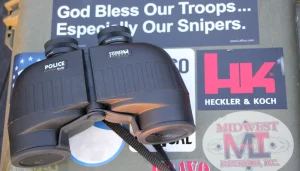
Are you curious about whether you can legally take military binoculars across borders? Maybe you own a pair and wonder if exporting them is allowed, or you’re thinking of buying some from abroad.
Understanding the rules around exporting military binoculars is crucial before you make any moves. This guide will clear up the confusion, help you avoid costly mistakes, and ensure you stay on the right side of the law. Keep reading to find out exactly what you need to know about exporting military binoculars safely and legally.
Military Binoculars And Export Laws
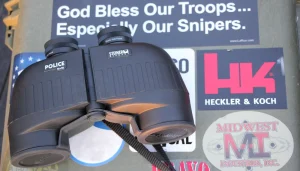
Military binoculars are special tools used by armed forces. They help soldiers see far distances clearly. These binoculars have advanced features for tough conditions.
Export laws control how military binoculars move between countries. These laws keep sensitive equipment safe and prevent misuse. Understanding these rules is important for legal trade.
Types Of Military Binoculars
Military binoculars come in different types. Each type serves a unique purpose in the field. Some focus on night vision, while others offer high zoom levels.
- Standard Field Binoculars: Used for general observation during the day.
- Night Vision Binoculars: Allow soldiers to see in low light or darkness.
- Rangefinder Binoculars: Measure distance to targets with built-in lasers.
- Thermal Imaging Binoculars: Detect heat signatures for spotting hidden objects.
Export Control Regulations
Export control laws regulate the sale and shipment of military binoculars. Many countries classify these binoculars as controlled goods. Exporters must follow strict rules to avoid legal problems.
| Country | Regulation Agency | License Required |
| United States | Department of State (ITAR) | Yes |
| European Union | National Export Authorities | Usually Yes |
| Canada | Global Affairs Canada | Yes |
| Australia | Department of Defence | Yes |
To export military binoculars, companies often need a license. The license ensures the binoculars do not reach unauthorized users. Exporters must also check the destination country’s rules.
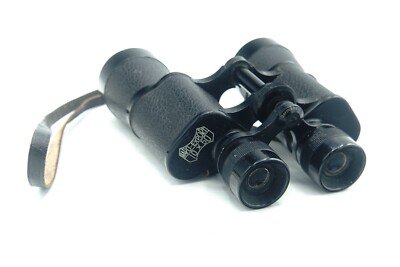
Credit: picclick.ca
Key Legal Restrictions
Military binoculars are often subject to strict export controls. These controls help keep sensitive technology from falling into the wrong hands. Export rules vary depending on the product and destination country.
Understanding these laws is important for anyone dealing with military-grade optical equipment. The main rules come from U.S. government regulations and international agreements.
International Traffic In Arms Regulations (itar)
ITAR controls the export of defense-related articles and services. Military binoculars designed for combat use often fall under ITAR restrictions. Exporting these products requires special licenses from the U.S. Department of State.
- Military binoculars classified as defense articles must follow ITAR.
- Exporters need to register with the Directorate of Defense Trade Controls (DDTC).
- Unauthorized export can lead to heavy fines and penalties.
- End-use and end-user checks are mandatory before export approval.
Export Administration Regulations (ear)
EAR covers items with both civilian and military uses. Some military binoculars may be controlled under EAR if they are not strictly for military use. The U.S. Department of Commerce manages EAR licensing.
| Category | Control Level | Agency |
| Military-grade binoculars | High | DDTC (ITAR) |
| Dual-use binoculars | Moderate | Bureau of Industry and Security (EAR) |
| Commercial binoculars | Low | Often not controlled |
Country-specific Embargoes And Sanctions
The U.S. government restricts exports to certain countries through embargoes and sanctions. Military binoculars cannot be shipped to these nations without approval. The Office of Foreign Assets Control (OFAC) enforces these rules.
- Countries under embargo are off-limits for most exports.
- Sanctions may limit sales to specific companies or individuals.
- Violations can result in criminal charges and fines.
- Exporters must screen buyers against OFAC lists before shipping.
Licensing And Permits
Military binoculars have special rules for export. Licensing and permits control their shipment.
Governments want to keep these items safe from misuse. Export licenses help track where they go.
When Licenses Are Required
Licenses are needed for exporting military binoculars in many cases. These include:
- If the binoculars have advanced technology
- When sending to certain countries on a restricted list
- If the binoculars can be used for military or defense purposes
- When large quantities are exported at once
How To Apply For Export Licenses
Applying for an export license involves several steps. You must provide details about the product and destination.
- Fill out the export license application form
- Submit technical specifications of the binoculars
- Provide information about the buyer and end user
- Wait for review and approval from the authorities
- Receive the license and follow its terms during export
Role Of Government Agencies
Different agencies help control the export of military binoculars. They check for compliance and security risks.
| Agency | Responsibility |
| Department of Commerce | Issues export licenses and monitors trade |
| Department of State | Controls defense-related exports and agreements |
| Customs Authorities | Inspects shipments and enforces export rules |
| Military Export Control Office | Reviews sensitive military technology exports |
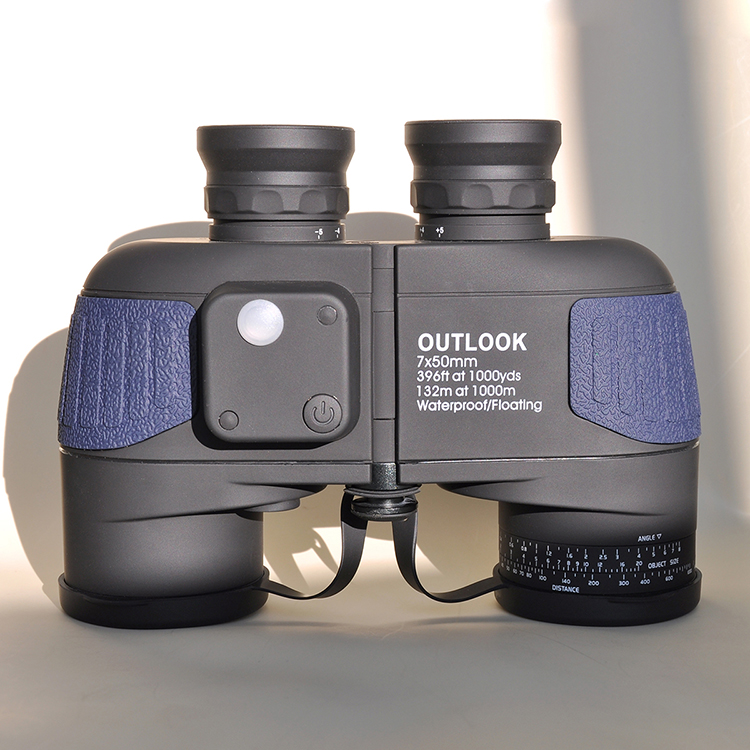
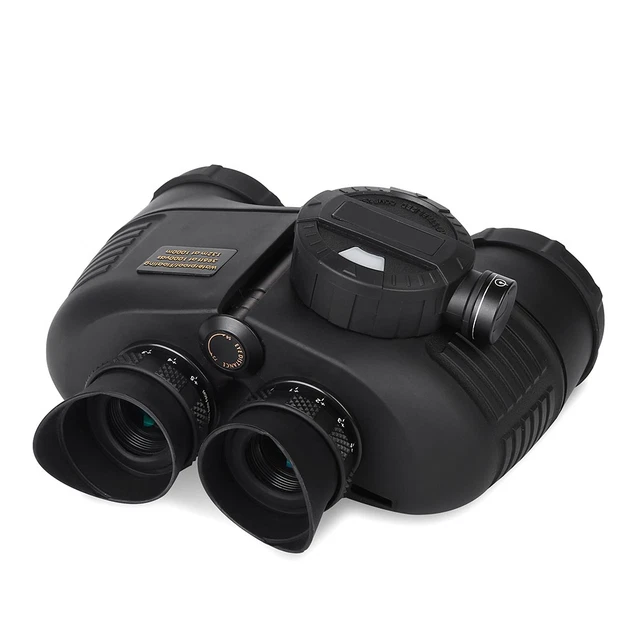
Credit: www.chinaarmysupplier.com
Risks And Penalties
Exporting military binoculars can lead to serious risks and penalties. These items are often controlled by law. It is important to understand the rules before exporting them.
Illegal export can cause harm to national security. Authorities watch closely to prevent unauthorized shipments. Breaking the rules can result in heavy fines and legal trouble.
Consequences Of Illegal Export
Exporting military binoculars without permission has strict consequences. The government takes illegal export very seriously.
- Seizure of goods by customs
- Heavy fines imposed on the exporter
- Criminal charges leading to imprisonment
- Loss of export privileges
- Damage to company reputation
Enforcement And Compliance Checks
Authorities perform checks to enforce export laws. Compliance is key to avoid penalties.
| Type of Check | What It Involves | Possible Outcome |
| Customs Inspection | Physical check of shipments | Confiscation of illegal items |
| Documentation Review | Verification of export licenses | Denial of export permission |
| Audits | Review of company export records | Fines or legal action |
Practical Tips For Exporters
Exporting military binoculars requires careful planning and knowledge. Exporters must follow strict rules. These rules protect national security and control sensitive technology.
This guide offers practical tips for exporters. It covers important steps to follow and resources to use.
Due Diligence Steps
Start by researching the product and destination country rules. Check if a license is needed to export military binoculars. Verify the end user and purpose of the binoculars. Avoid exporting to restricted countries or entities.
- Confirm product classification under export control lists
- Verify buyer and end user identities
- Understand destination country restrictions
- Obtain necessary export licenses
- Keep records of all export transactions
Working With Legal Experts
Legal experts help you understand complex export laws. They can assist in preparing license applications. Experts also advise on compliance to avoid penalties.
| Legal Support | Benefits |
| Export Law Specialist | Clarifies export controls and licensing |
| Customs Lawyer | Helps with customs regulations and documentation |
| Compliance Consultant | Advises on company policies and audits |
Keeping Updated On Regulation Changes
Export rules change often. Stay informed to avoid mistakes. Sign up for government export control newsletters. Follow official websites and trade associations.
Tips to stay updated:
- Subscribe to export control mailing lists
- Attend industry webinars and workshops
- Regularly review government export websites
- Join exporter forums and networks

Credit: www.ebay.ca
Frequently Asked Questions
Can Military Binoculars Be Legally Exported Internationally?
Yes, military binoculars often require export licenses due to their sensitive technology. Export laws vary by country, so permissions depend on destination and product classification.
What Regulations Govern Exporting Military Binoculars?
Export of military binoculars is regulated by international arms control treaties and national export control laws. Compliance ensures restricted technology doesn’t reach unauthorized users.
Are There Restrictions On Buyers Of Exported Military Binoculars?
Yes, buyers usually must be government agencies or authorized entities. Private individuals often face restrictions due to national security concerns.
How To Apply For An Export License For Binoculars?
Applications typically involve submitting detailed product info, end-user certificates, and compliance documents to relevant export authorities. Approval times vary widely.
Conclusion
Military binoculars have strict rules for export. Countries set limits to protect security. Exporters must get proper licenses first. Breaking rules can lead to fines or jail. Understanding these laws helps avoid problems. Always check local and international regulations. Exporting without permission is risky and illegal.
Stay informed to ensure safe and legal trade. This keeps both sellers and buyers protected. Military binoculars are valuable but controlled items. Follow the rules to export them properly.