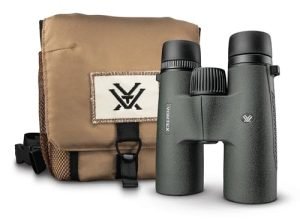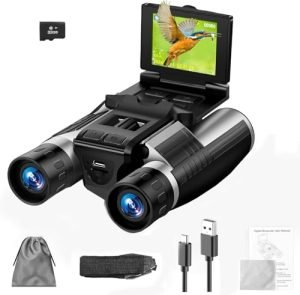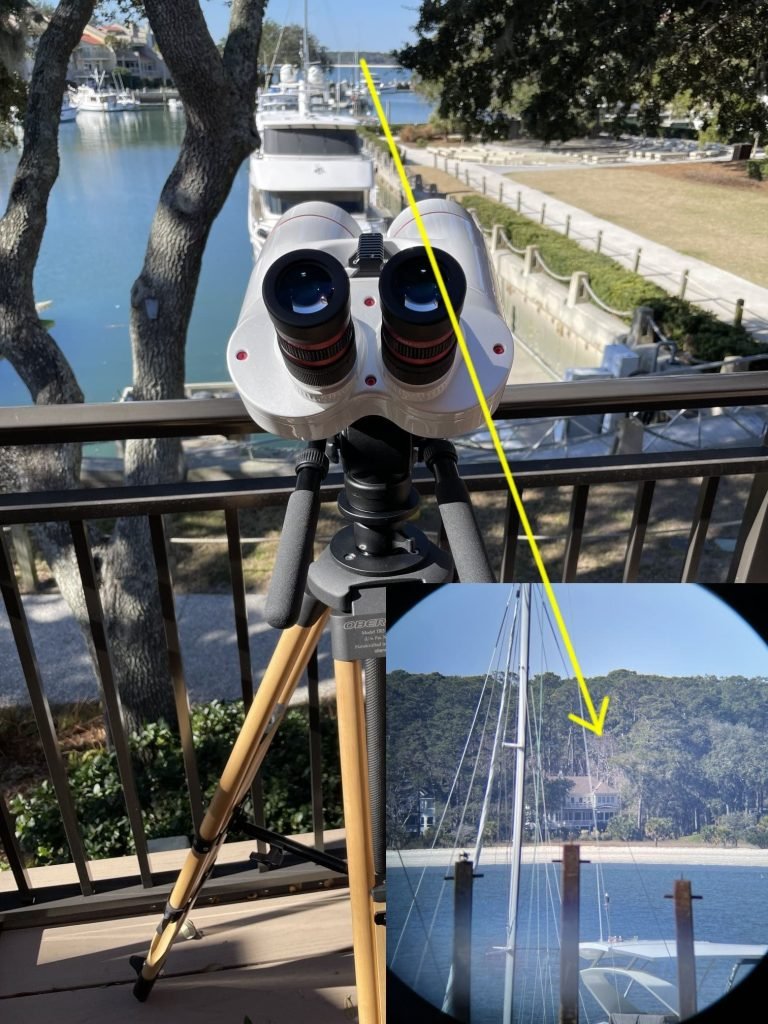
Have you ever wondered if your ED binoculars could do more than just enhance your outdoor adventures? Imagine turning your hobby into a tool for real scientific discovery.
You might be surprised to learn that these binoculars, known for their sharp, clear images, could play a key role in research. You’ll find out how ED binoculars work, what makes them special, and whether they can meet the demands of scientific study.
Keep reading to see if your next research project could start with the gear you already have.
Ed Binoculars Basics
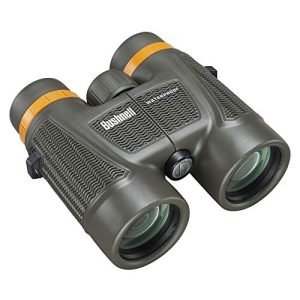
ED binoculars use special glass to improve image quality. They are popular for outdoor activities and can be helpful in research.
This article explains what ED binoculars are and their key features.
What Are Ed Binoculars?
ED stands for Extra-low Dispersion. This type of glass reduces color distortions in binoculars. It helps create sharper and clearer images.
- ED binoculars use special glass elements.
- They show images with less color fringing.
- They provide better clarity than standard binoculars.
- They are often used for bird watching and nature study.
Key Features Of Ed Glass
ED glass has unique qualities that improve viewing. It controls light better and reduces blur.
| Feature | Benefit |
| Low Dispersion | Reduces color blur around objects |
| Sharpness | Clearer and more detailed images |
| Light Transmission | Better brightness in low light |
| Durability | Strong glass for outdoor use |
Scientific Research Needs
Binoculars play a key role in many types of scientific research. Researchers use them to observe animals, plants, and natural events. The right binoculars help collect accurate data in the field.
Scientific studies require tools that meet specific needs. Binoculars must have clear optics and be easy to carry. These factors affect the quality of observations and the success of the research.
Optical Requirements
Good binoculars for research must have sharp image quality. They need to show details clearly and in true colors. This helps scientists identify species and observe behaviors accurately.
- High magnification with stable images
- Wide field of view to see more area
- Good light transmission for low-light use
- Corrected lenses to reduce color blur
- Waterproof coating to protect lenses
Durability And Portability
Researchers often work outdoors in tough conditions. Binoculars must resist rain, dust, and rough handling. They should also be light to carry during long fieldwork.
| Feature | Importance | Benefit for Research |
| Waterproof Body | High | Works in wet weather without damage |
| Shock Resistant | High | Survives accidental drops and bumps |
| Compact Size | Medium | Easier to carry on hikes and trips |
| Lightweight | High | Reduces fatigue during long use |
Ed Binoculars In Fieldwork
ED binoculars offer clearer and sharper views in the field. They reduce color distortion and improve image quality.
Scientists often use these binoculars for detailed observation. The enhanced optics help in studying wildlife and the environment.
Wildlife Observation
Researchers use ED binoculars to watch animals from a distance. The clear view helps in identifying species and noting behaviors.
- Spot small details like feather patterns
- Observe animals without disturbing them
- Record behaviors accurately with less eye strain
- Track movements over long distances
Environmental Monitoring
ED binoculars help in monitoring changes in habitats. Scientists can see plant health, water levels, and pollution signs more clearly.
| Use | Benefit |
| Checking tree health | Detect early signs of disease |
| Observing water bodies | Monitor clarity and pollution |
| Tracking soil erosion | See changes in land features |
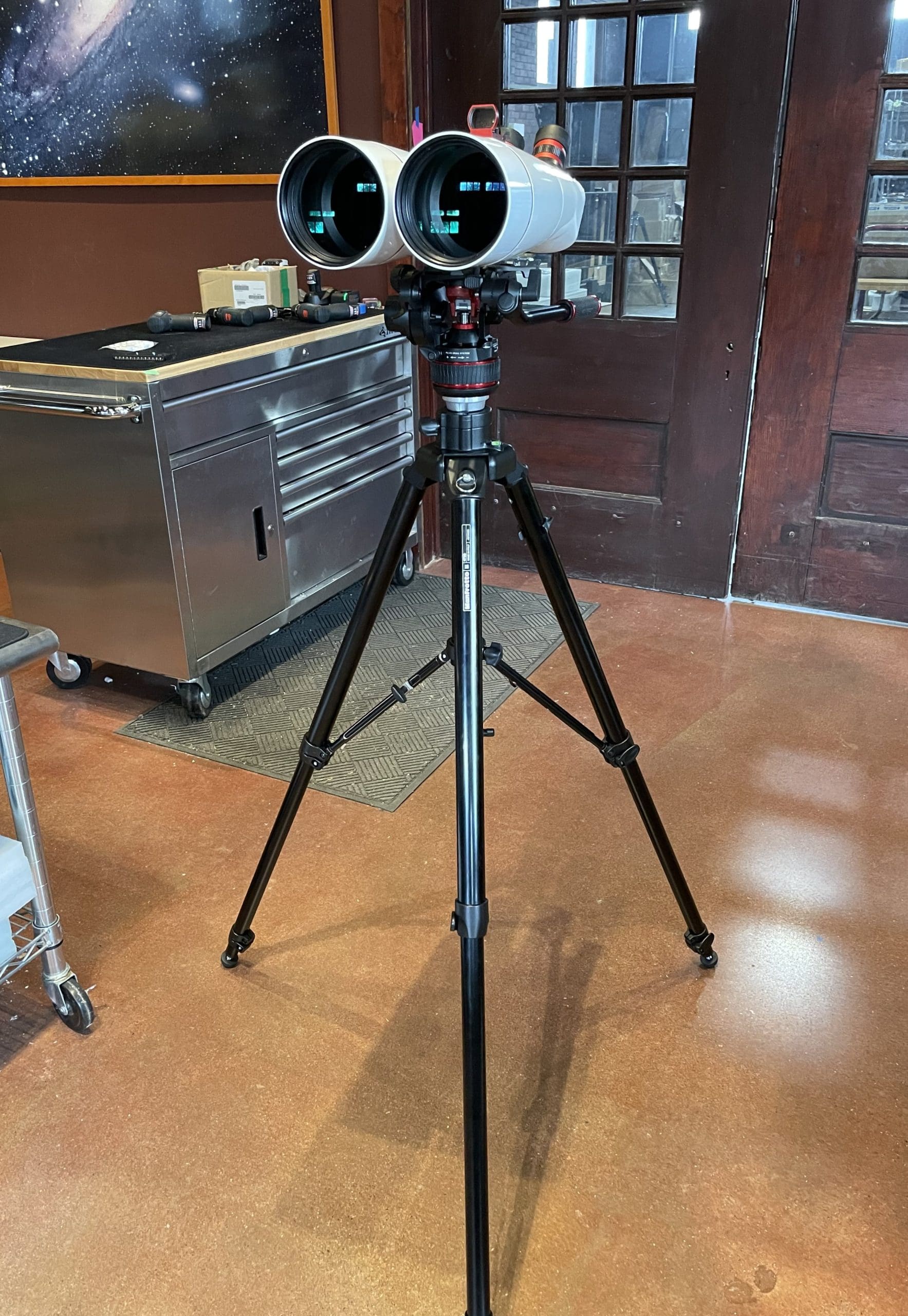
Credit: oberwerk.com
Limitations Of Ed Binoculars
ED binoculars offer clear images by reducing color distortion. They are popular for outdoor viewing. Yet, they have some limits for scientific research.
This article looks at two main limits: magnification and resolution, and how ED binoculars compare to other tools.
Magnification And Resolution
ED binoculars usually have magnification between 7x to 12x. This is good for casual use but not for detailed study. Their resolution is limited by the lens size and quality.
- Magnification above 12x can cause shaky images without a tripod.
- Resolution may not show fine details needed in scientific work.
- Small lenses limit light gathering in low light conditions.
Comparison With Other Instruments
Other tools like microscopes or telescopes provide higher magnification and better resolution. They suit scientific tasks better than ED binoculars.
| Instrument | Typical Magnification | Resolution | Use in Research |
| ED Binoculars | 7x – 12x | Moderate | Limited field studies |
| Microscope | 40x – 1000x+ | High | Cell and microorganism analysis |
| Telescope | 50x – 1000x+ | High | Astronomical observations |
Enhancing Research With Ed Binoculars
ED binoculars are useful tools for scientific research. They provide clear and sharp images. Researchers use them for studying wildlife, landscapes, and distant objects.
These binoculars help scientists observe details that are hard to see with the naked eye. They improve accuracy and data collection in many fields.
Accessory Options
Choosing the right accessories can improve the use of ED binoculars in research. Common accessories include tripods, carrying cases, and lens cleaning kits.
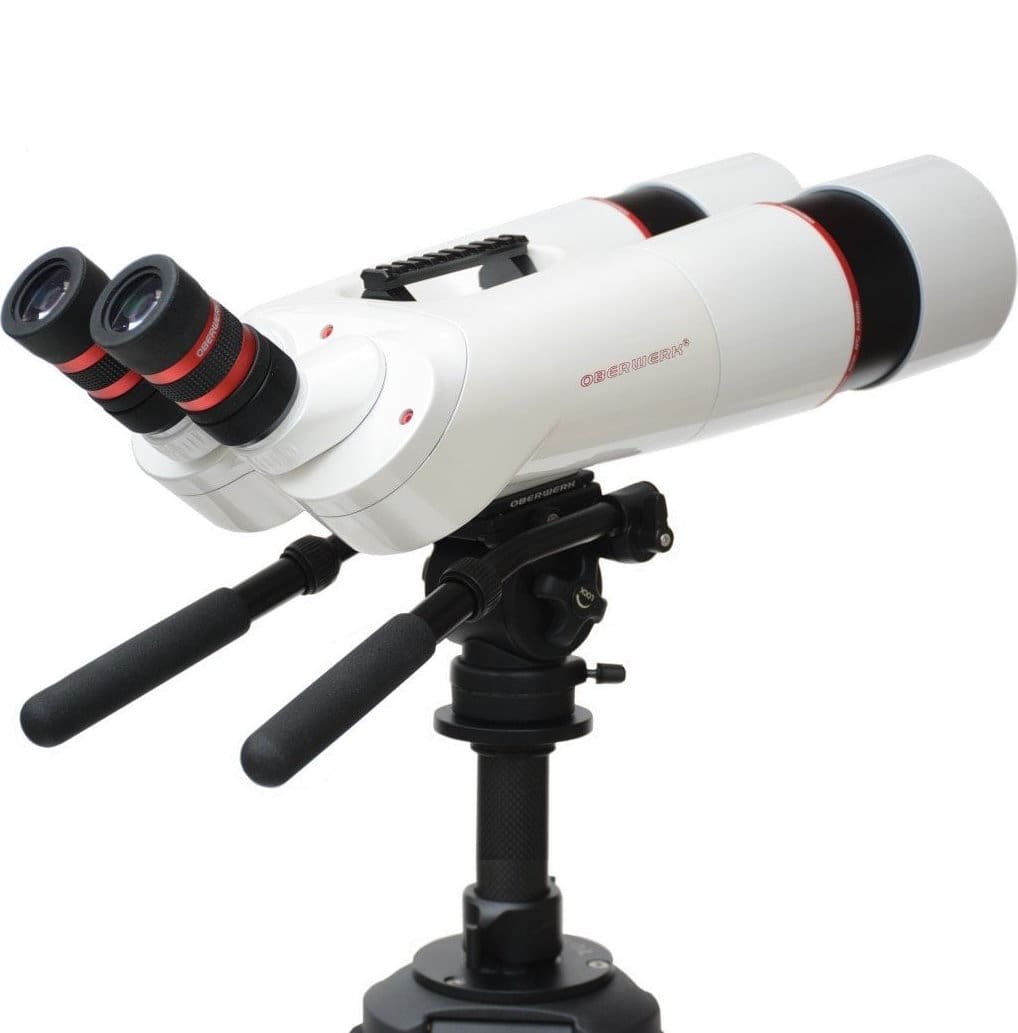
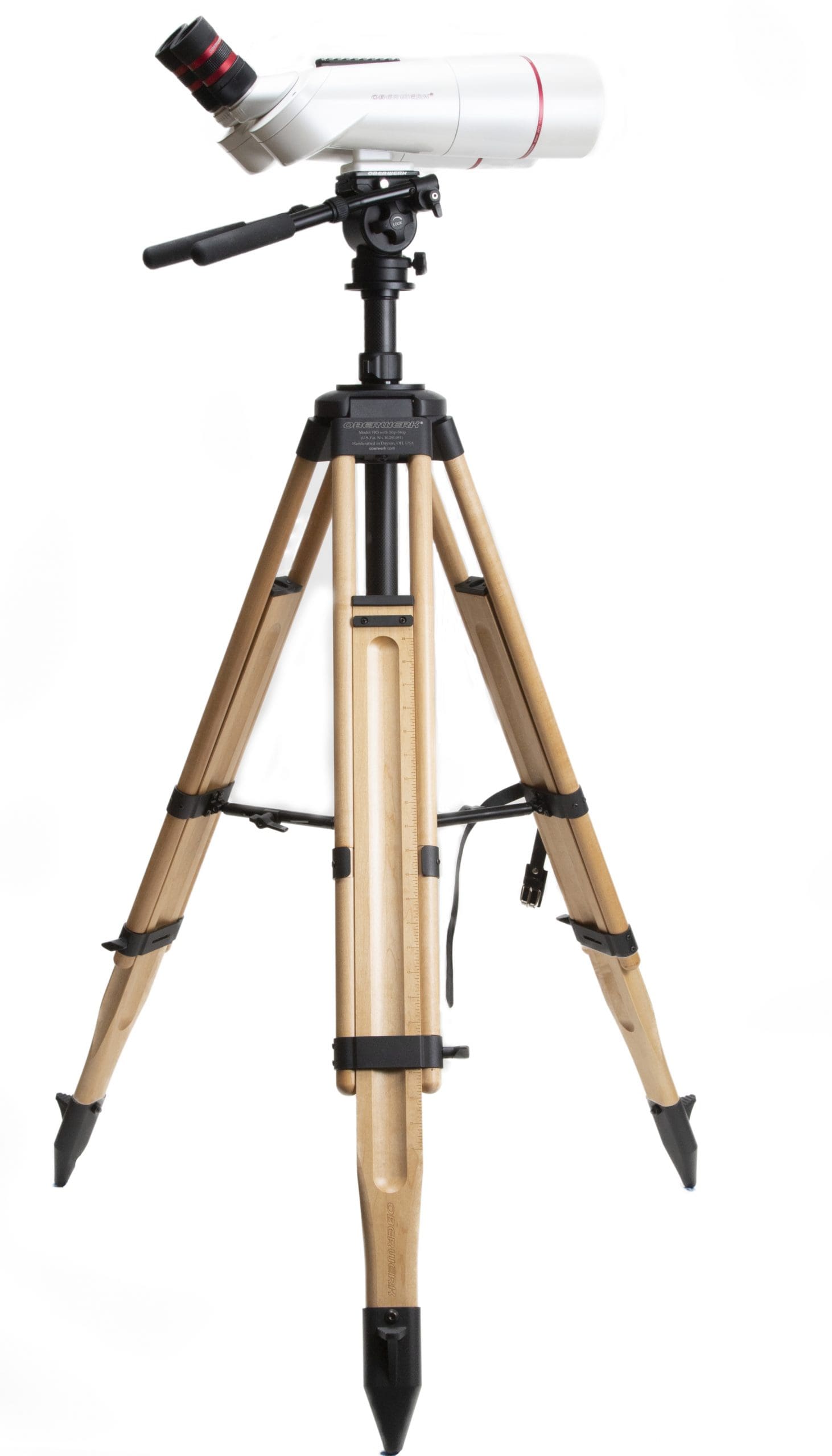
- Tripods help keep the binoculars steady for long observations.
- Carrying cases protect the binoculars during fieldwork.
- Lens cleaning kits keep the lenses clear for better viewing.
- Adapter mounts allow attachment to cameras or other devices.
Integration With Technology
ED binoculars can connect with modern technology to enhance research. They often work with digital cameras and smartphones.
| Technology | Benefit |
| Digital Cameras | Capture detailed images through the binoculars |
| Smartphone Adapters | Allow easy sharing and analysis of images |
| Range Finders | Measure distances accurately during observations |
| GPS Devices | Mark locations of important findings |
Credit: oberwerk.com
Case Studies And Examples
Ed binoculars are often used in scientific research. They help scientists see far objects clearly. This section shows cases where these binoculars made a difference.
Researchers use Ed binoculars in fields like bird watching, wildlife study, and astronomy. The clear images help collect better data for their work.
Successful Research Applications
One study used Ed binoculars to track bird migration. Scientists observed flight patterns and behaviors with clear views. This gave them new insights into migration routes.
In wildlife research, Ed binoculars helped identify animal species from a distance. Researchers avoided disturbing animals while gathering important data. This improved the accuracy of their studies.
- Bird migration tracking
- Wildlife species identification
- Observing animal behavior
- Astronomical observations
User Experiences
Many users say Ed binoculars are easy to use in the field. They report clear, sharp images that help with detailed observations. Some note that the binoculars work well in low light.
Scientists appreciate the light weight of Ed binoculars. They can carry them for hours without fatigue. The durability also makes them good for outdoor research.
- Clear images improve data quality
- Lightweight design aids long studies
- Durability withstands tough conditions
- Works well in various weather
Credit: oberwerk.com
Frequently Asked Questions
What Makes Ed Binoculars Suitable For Scientific Research?
ED binoculars offer extra-low dispersion glass that reduces chromatic aberration. This feature ensures clearer, sharper images, crucial for precise scientific observations. Their high-quality optics provide accurate color rendition and detail, making them valuable tools for researchers in fields like ornithology, geology, and environmental science.
Can Ed Binoculars Replace Microscopes In Research?
No, ED binoculars cannot replace microscopes. They are designed for distant viewing and fieldwork, while microscopes magnify tiny objects at close range. However, ED binoculars complement microscopes by enabling researchers to observe larger specimens or environments before detailed microscopic analysis.
Are Ed Binoculars Cost-effective For Scientific Studies?
Yes, ED binoculars are cost-effective for many scientific applications. They provide high optical quality at a reasonable price compared to specialized equipment. Their durability and versatility make them a practical investment for field researchers needing reliable, clear vision during data collection.
How Do Ed Binoculars Enhance Field Research Accuracy?
ED binoculars enhance accuracy by delivering crisp, detailed images with minimal color distortion. This clarity helps researchers identify species, geological formations, or environmental changes precisely. Improved visual accuracy reduces errors and supports more reliable data collection in outdoor scientific studies.
Conclusion
ED binoculars offer clear and sharp views for many outdoor activities. Scientists can use them for some types of research, like bird watching and nature studies. They help observe details from a distance without disturbing the environment. Still, for precise measurements or deep space work, other tools work better.
Choosing the right equipment depends on the research needs. ED binoculars provide good image quality and comfort. They are a useful option for many scientific observations. Simple, reliable, and easy to carry. Worth considering for fieldwork and casual studies.