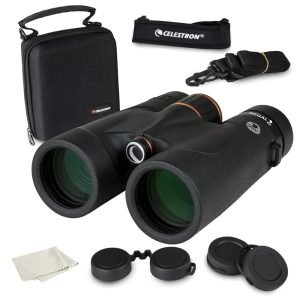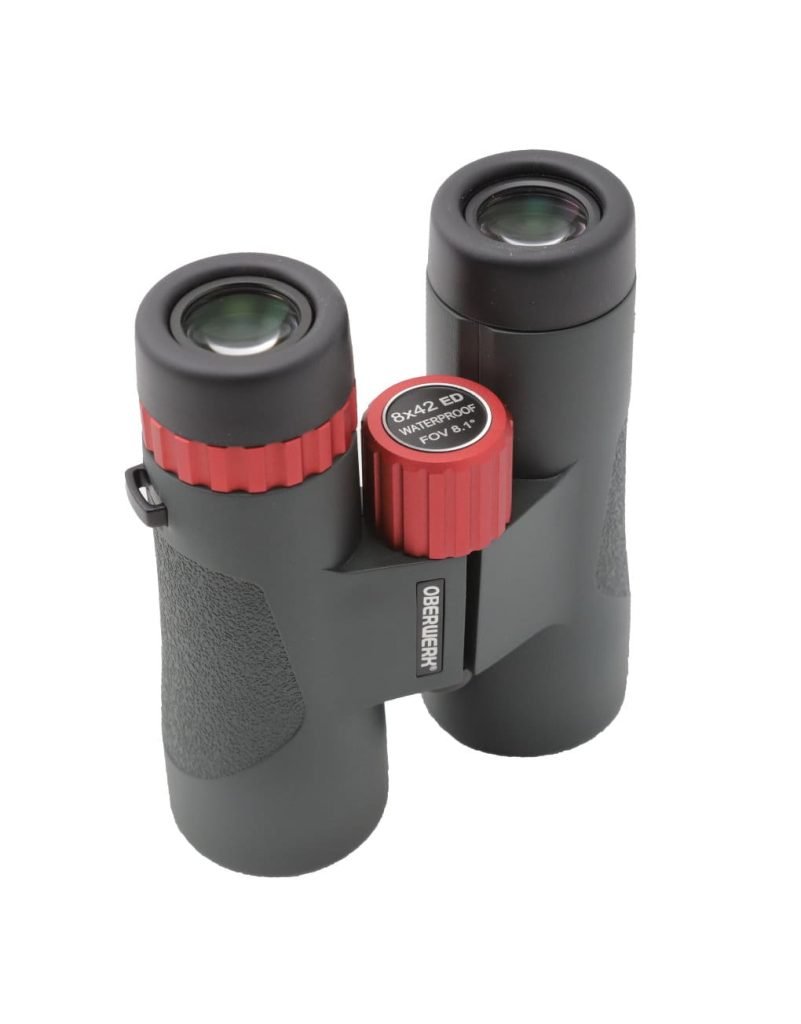
Have you ever wondered if your ED binoculars can help you see clearly in the dark? Whether you’re a night-time adventurer, a wildlife watcher, or just curious, knowing how your binoculars perform at night can make all the difference.
Imagine spotting a distant owl or navigating a dark trail with confidence. You’ll discover the truth about using ED binoculars after sunset and learn tips to get the best view when the light fades. Keep reading to unlock the secrets of night vision with your binoculars.

Credit: www.amazon.com
How Ed Binoculars Work
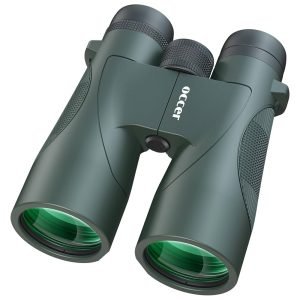
ED binoculars use special glass to improve image quality. They reduce color distortion for clearer views. This helps you see objects more sharply and naturally.
These binoculars work by controlling how light passes through the lenses. The design helps you get bright and clear images, even in low light.
What Ed Glass Means
ED stands for Extra-low Dispersion glass. This type of glass limits the spread of light inside the binoculars. It helps reduce color fringing around objects. This makes the image clearer and easier to see.
- Reduces chromatic aberration
- Improves sharpness of images
- Enhances color accuracy
- Provides better contrast
Light Transmission And Clarity
Good light transmission means more light enters the binoculars. This creates brighter images. ED glass improves this by limiting light loss inside the lenses.
| Feature | Effect |
| High Light Transmission | Brighter images in low light |
| Reduced Chromatic Aberration | Sharper image edges |
| Enhanced Contrast | Clearer details and colors |
| Low Light Performance | Better viewing at dusk or dawn |
Credit: jaxy-binoculars.com
Nighttime Visibility With Ed Binoculars
ED binoculars have lenses made with extra-low dispersion glass. This glass helps produce clear, sharp images during the day. Many people wonder if these binoculars work well at night.
At night, light is much lower. This makes it harder to see distant objects. ED binoculars can help, but they have limits in low light.
Limitations In Low Light
ED binoculars do not have special night vision technology. They rely on available light to show images. When it is very dark, they may not show clear pictures.
Even with bright lenses, ED binoculars need some light to work. Streetlights, moonlight, or stars can help you see better. Without enough light, the image will be dim and hard to see.
- Require some light to work well
- Image brightness drops in very dark places
- Cannot show images in complete darkness
Comparing To Night Vision Devices
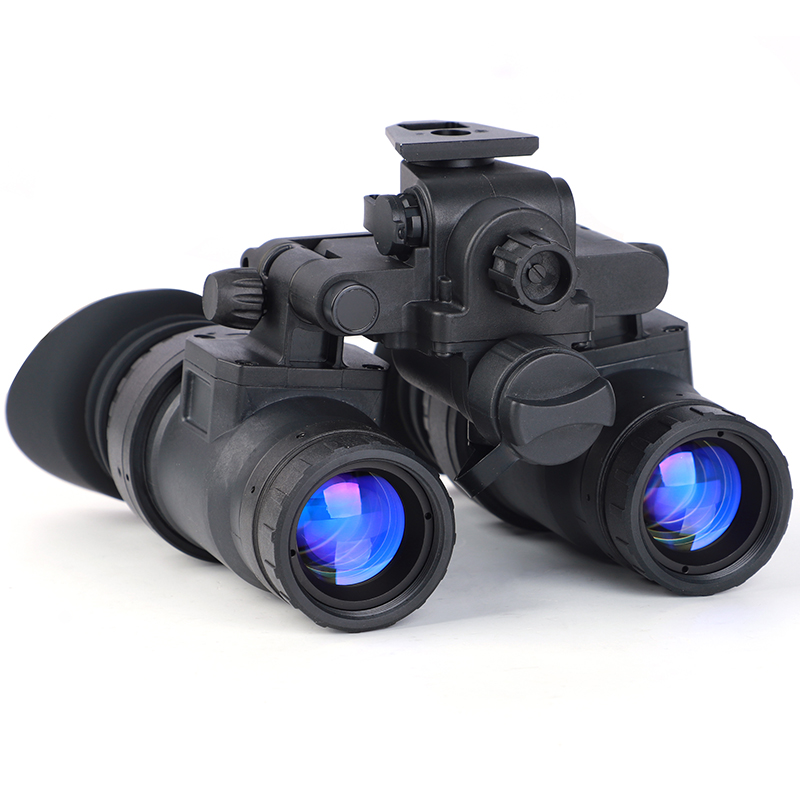
Night vision devices use special tech to brighten dark scenes. They can show images in very low or no light. ED binoculars do not have this ability.
Night vision devices often use infrared light or image amplification. This lets you see animals or objects clearly at night. ED binoculars only improve image quality in normal light.
| Feature | ED Binoculars | Night Vision Devices |
|---|---|---|
| Works in complete darkness | No | Yes |
| Image clarity in low light | Moderate | High |
| Uses natural light | Yes | No (uses IR or amplification) |
| Price range | Lower | Higher |
Enhancing Night Use
Using binoculars at night can be tricky because they need light to work well. Ed binoculars help, but you must use them the right way. There are simple ways to improve your experience.
Adding some light and picking the right settings can make your night view clearer and better. This guide explains how to use external light sources and choose the right magnification.
Using External Light Sources
Binoculars need light to show images. At night, there is less light, so adding light helps. Use soft light to avoid glare or reflections on the lenses.
Flashlights or small LED lamps can provide enough light to see objects clearly. Point the light nearby but not directly into the binoculars to keep the image sharp.
- Use red or dim light to protect night vision
- Avoid shining light straight into lenses
- Try handheld or clip-on lights for convenience
- Adjust light brightness for best view
Choosing The Right Magnification
Magnification changes how close objects look. At night, too much magnification can make images blurry and dark. Pick a moderate level for clearer views.
Lower magnification lets more light in and gives a wider view. This helps you see better in low light. High magnification is better for bright conditions.
- Choose 7x to 10x magnification for night use
- Lower magnification helps keep images bright
- Higher magnification may reduce image quality
- Test different levels to find what works best
Credit: www.svbony.com
Best Practices For Night Viewing
Using binoculars at night can be challenging. Low light makes it hard to see details clearly.
There are ways to improve your night viewing experience. These tips help you get clearer images.
Stability And Support Tips
Keeping your binoculars steady is key for sharp views. Nighttime makes shaking more noticeable.
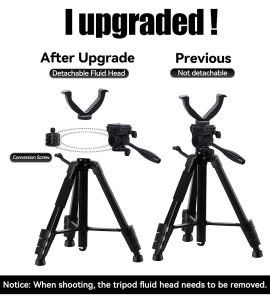
- Use a tripod to hold your binoculars steady.
- Rest your elbows on a solid surface like a table or wall.
- Hold the binoculars firmly but avoid tight grips that cause shaking.
- Take slow, deep breaths to reduce body movement.
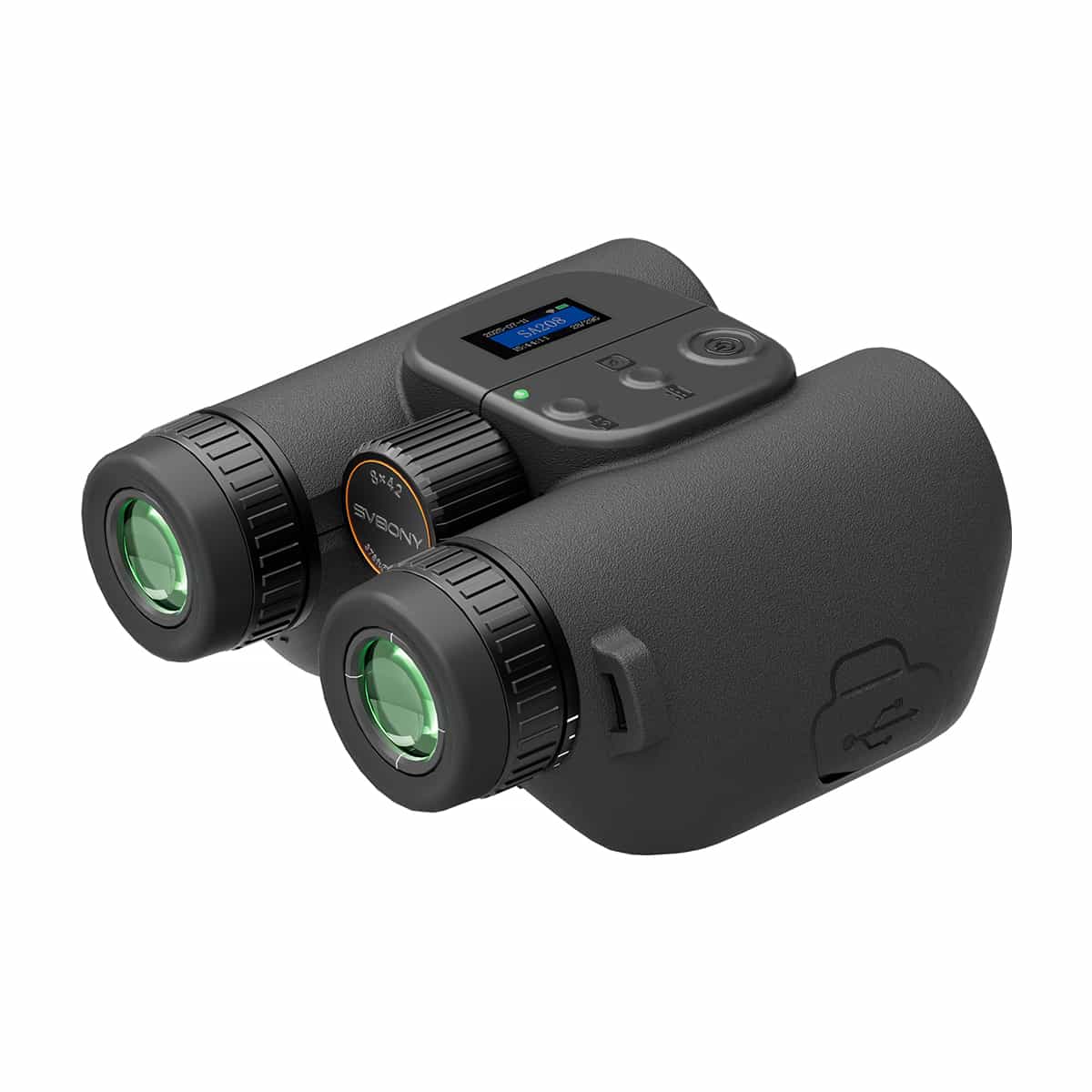
- Use binoculars with image stabilization if possible.
Eye Adaptation Techniques
Your eyes need time to adjust to darkness. This helps you see better with binoculars at night.
| Technique | Description | Benefits |
| Dark Adaptation | Stay in the dark for 20-30 minutes before viewing. | Improves night vision sensitivity. |
| Use Red Light | Use a red flashlight to read maps or adjust settings. | Does not spoil night vision. |
| Limit Screen Use | Avoid phones or bright screens before viewing. | Prevents eye adjustment loss. |
Recommended Ed Binoculars For Low Light
ED binoculars are great for seeing in low light. They help you see clear and bright images at dusk or dawn.
This guide shows the best models and features for good night vision with ED binoculars.
Top Models With High Light Gathering
Some ED binoculars collect more light. This helps you see better in dark places. Below are top models known for high light gathering:
- Swarovski EL 8.5×42
- Zeiss Victory SF 10×42
- Nikon Monarch 7 8×42
- Vortex Viper HD 10×42
- Leica Ultravid HD-Plus 8×42
Features To Look For
| Feature | Why It Matters |
| Large Objective Lens | Lets in more light for brighter images |
| ED Glass | Reduces color blur and sharpens view |
| Wide Field of View | Easier to find objects in dark |
| Good Eye Relief | Comfortable for use with glasses |
| Waterproof and Fog Proof | Works well in damp or cold conditions |
Alternatives For Night Observation
Binoculars often need light to work well. They do not help much in the dark.
People use special tools to see better at night. These tools help in dark places.
Night Vision Goggles
Night vision goggles use light that is too dim for the eye to see. They make this light visible.
- They amplify small amounts of light.
- They work well in low light but need some light to function.
- They are often used by police and soldiers.
- They are lightweight and easy to wear.
Thermal Imaging Devices
Thermal imaging devices detect heat from objects. They show heat differences as images.
| Feature | Night Vision Goggles | Thermal Imaging Devices |
| Light Needed | Low light required | None needed |
| Image Type | Amplified visible light | Heat signature |
| Use Case | Near darkness | Total darkness or smoke |
| Cost | Usually less expensive | Usually more expensive |
Frequently Asked Questions
Can Ed Binoculars Work Effectively At Night?
ED binoculars have excellent clarity but lack built-in night vision. They perform well in low light but are not ideal for complete darkness without additional light sources.
Do Ed Binoculars Need Extra Light For Night Use?
Yes, ED binoculars require ambient light or external illumination to function at night. Without light, they cannot enhance visibility in total darkness.
How Do Ed Binoculars Compare To Night Vision Devices?
ED binoculars provide sharper images in daylight but do not amplify light like night vision devices. Night vision goggles are better for dark conditions.
Are Ed Binoculars Suitable For Stargazing At Night?
ED binoculars are good for stargazing with some ambient light. They offer clear views of stars but are limited by low light sensitivity.
Conclusion
Ed binoculars can enhance night viewing with certain features. They need good light-gathering capability. Look for models with larger lenses. Night vision technology helps, too. These binoculars can capture more light. They make images clearer in dim conditions. So, choose wisely.
Consider your needs and environment. Different models offer varying benefits. Nighttime adventures become more enjoyable. Explore the night sky or wildlife. With the right pair, your experience improves. Night vision capabilities matter. Always check specifications before buying. This ensures you get the best value.
Happy stargazing or wildlife watching!