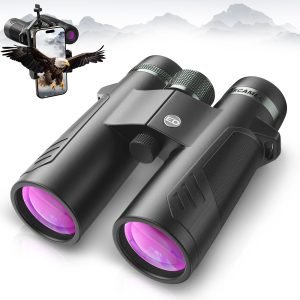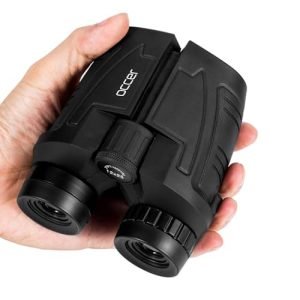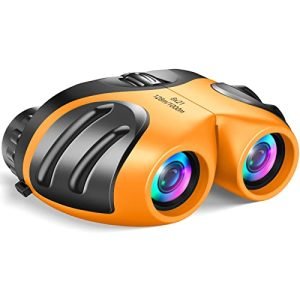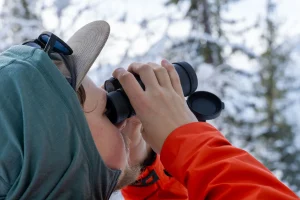
Have you ever wondered if you can use close-focus binoculars in snowy conditions? If you love exploring winter landscapes or spotting wildlife up close, this question is probably on your mind.
Snowy environments can be tricky for optics, and you want to be sure your binoculars won’t let you down when you need them most. You’ll discover how close-focus binoculars perform in the snow and what you should look for to get the best experience.
Keep reading to make the most out of your winter adventures!
Close-focus Binoculars Basics
Close-focus binoculars help you see objects that are very near. They are useful for watching small details up close.
These binoculars are often used for bird watching, nature study, and other activities needing clear views of close objects.
What Are Close-focus Binoculars
Close-focus binoculars allow you to focus on objects just a few feet away. Normal binoculars usually focus on distant items only.
This feature helps you see insects, flowers, or small animals clearly without losing sharpness.
Key Features And Specifications
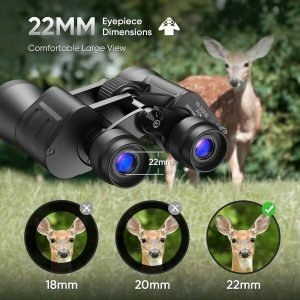
Close-focus binoculars have special lenses and focusing mechanisms. These parts enable clear images at short distances.
- Minimum focus distance is often 3 to 6 feet
- Magnification usually ranges from 8x to 10x
- Wide field of view helps see more details
- Compact design makes them easy to carry
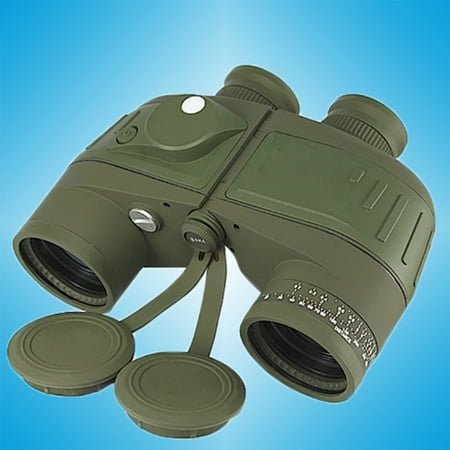
- Water-resistant models are available for outdoor use

Credit: www.amazon.com
Snow Conditions And Challenges
Using close-focus binoculars in snowy areas comes with special challenges. Snow can change how well you see and how your binoculars work.
It is important to understand these challenges to get the best use from your binoculars in snow.
Impact Of Cold Temperatures
Cold temperatures can make binoculars harder to use. The metal parts can feel very cold to touch. This can make holding and adjusting the binoculars uncomfortable.
Extreme cold can also affect the internal parts of binoculars. Some lenses may shrink or expand, causing focus problems.
- Batteries in binoculars can lose power faster in the cold.
- Plastic and rubber parts may become stiff or brittle.
- Lens coatings can sometimes be affected by low temperatures.
Visibility Issues In Snow
Snow can reduce visibility. Bright white snow can cause glare, making it hard to see details through binoculars. Falling snow also blocks your view.
Close-focus binoculars may struggle to focus on objects that blend with the snowy background. This reduces the sharpness of the image.
- Glare from snow can strain your eyes.
- Snowfall can blur the view.
- Objects may appear less clear because of the white surroundings.
Moisture And Fogging Concerns
Snow means moisture is always nearby. Moisture can get inside binoculars if they are not sealed well. This can damage lenses and internal parts.
Fogging is a big problem in cold snow conditions. When warm breath or body heat meets cold lenses, fog forms quickly. This makes it hard to see through binoculars.
- Use binoculars with waterproof seals to keep moisture out.
- Anti-fog coatings help reduce lens fogging.
- Keep binoculars covered when not in use to prevent snow buildup.
Performance Of Close-focus Binoculars In Snow
Close-focus binoculars let you see objects very near to you. They are useful for snow activities like bird watching or exploring ice patterns.
Snow creates bright and cold conditions. It is important to know how these binoculars work in such an environment.
Image Clarity And Focus Range
Close-focus binoculars offer sharp images at short distances. This helps you see small details in snowy landscapes.
Snow’s brightness can cause glare, affecting clarity. Good binoculars reduce glare and keep images clear.
- Focus range usually starts around 2 to 3 feet.
- Wide focus range helps see near and far objects.
- Anti-reflective coatings improve clarity in bright snow.
Durability And Weather Resistance
Snowy conditions are tough on binoculars. Cold and moisture can cause damage if the device is not strong.
Close-focus binoculars made for outdoor use often have strong, weatherproof bodies. This protects them from snow and cold.
- Rubber armor protects against drops and shocks.
- Sealed bodies keep out snow and dust.
- Metal frames resist cold better than plastic ones.
Handling Moisture And Fog
Moisture and fog can blur the lenses. Snow melts and causes water drops on binoculars.
Many close-focus binoculars have fog-proof and waterproof features. These help keep the view clear in wet snow conditions.
- Nitrogen or argon gas filling stops internal fogging.
- Waterproof seals block moisture from entering.
- Lens coatings repel water for better visibility.
Expert Tips For Using Binoculars In Snow
Using binoculars in snowy weather can be challenging. Cold, moisture, and glare affect your view.
Close-focus binoculars work well if you take care of them. Here are expert tips for best results.
Maintenance And Care In Cold Weather
Protect your binoculars from ice and moisture. Cold can cause fogging and damage lenses.
- Keep binoculars in a padded case when not in use.
- Use lens caps to stop snow from scratching lenses.
- Wipe lenses with a soft cloth to remove moisture.
- Avoid sudden temperature changes to prevent fog inside.
- Store binoculars in a warm place after use.
Best Practices For Clear Viewing
Snow reflects a lot of light, which can make viewing tricky. Adjust your habits to see clearly.
- Use lens hoods to reduce glare from the snow.
- Adjust the focus carefully to match the snowy distance.
- Wear polarized sunglasses to cut down on bright reflections.
- Keep your hands warm to maintain steady grip and focus.
- Shield your binoculars with your body to block wind and snow.
Recommended Models For Snow Use
| Model | Features | Why Good for Snow |
| SnowView 8×32 | Waterproof, Fog-proof | Resists moisture and cold |
| ClearSight 10×42 | Close focus, Wide field | Sharp, easy to use near snow |
| FrostGuard 7×35 | Rubber armor, Anti-glare | Protects in harsh weather |
Alternative Optical Tools For Snow
Close-focus binoculars help you see objects up close. In snow, other tools may work better.
Different optical devices offer clear views of snowy landscapes. Each tool has unique strengths.
Comparison With Standard Binoculars
Standard binoculars have good range but often lack close focus ability. They work well for distant views.
Close-focus binoculars let you see things nearby clearly. They help spot details in snow-covered plants or animals.
- Standard binoculars show far objects with good detail
- Close-focus binoculars focus on near objects better
- Snow can reflect light, affecting clarity in both types
- Choose binoculars with good lens coatings for snow use
Use Of Spotting Scopes And Monoculars
Spotting scopes give strong magnification for distant views in snow. They often need a tripod for steady use.
Monoculars are small and easy to carry. They work well for quick spotting in snowy areas.
- Spotting scopes deliver high detail at long distances
- Monoculars are lightweight and simple to use
- Both tools can handle snowy light with proper lenses
- Choose waterproof models for snow and cold weather
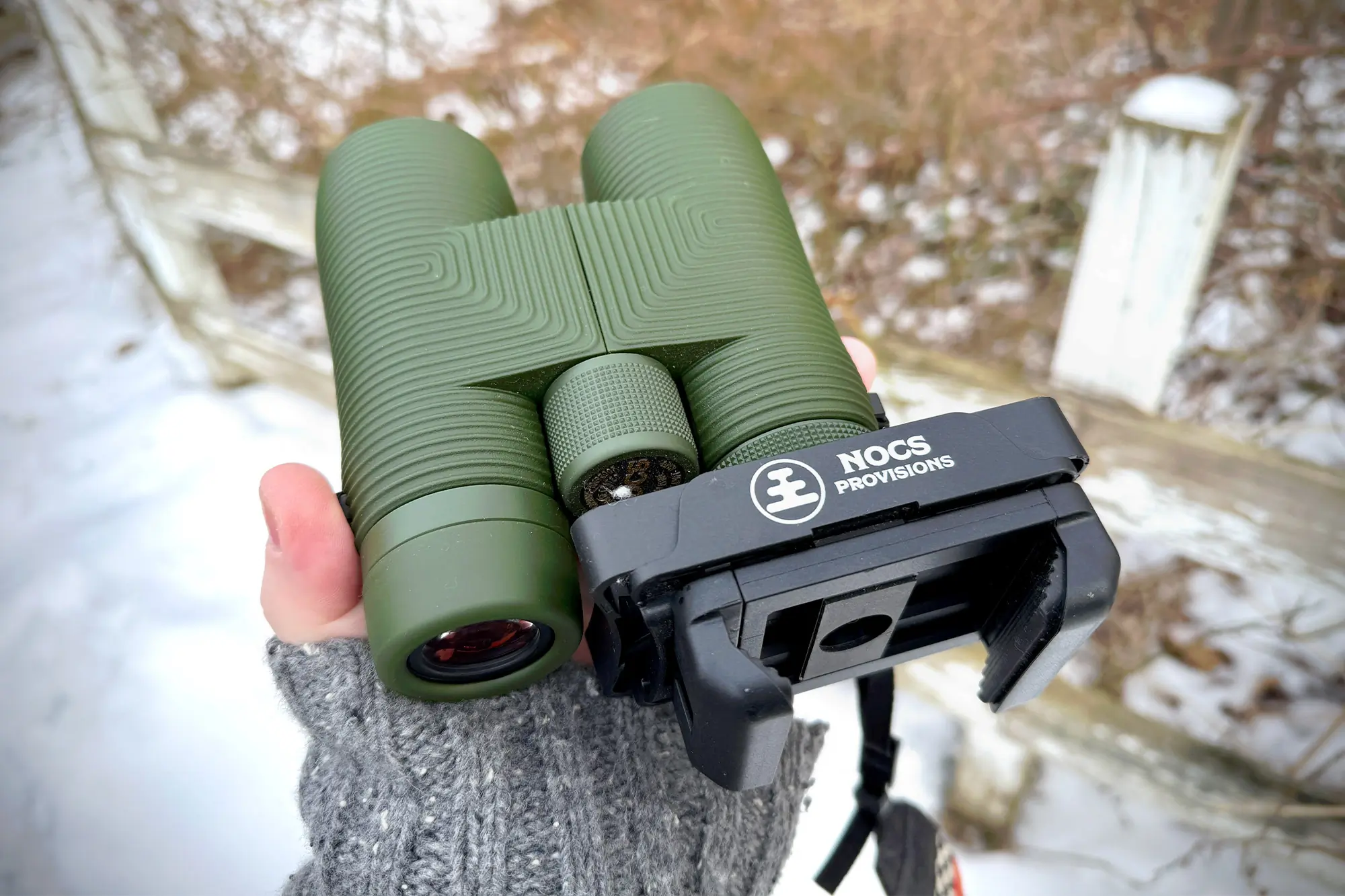
Credit: gearjunkie.com

Credit: newhopegr.org
Frequently Asked Questions
Can Close-focus Binoculars Work Well In Snowy Conditions?
Yes, close-focus binoculars can work in snow. They offer sharp, detailed views of nearby objects, even with snow around. However, fogging and moisture can affect clarity, so choose waterproof, fog-proof models for best performance in snowy environments.
Are Close-focus Binoculars Suitable For Winter Wildlife Watching?
Absolutely, close-focus binoculars are great for winter wildlife. They help spot animals near snow-covered areas clearly. Their ability to focus on close objects enhances observing small details in snowy landscapes, making them ideal for winter wildlife enthusiasts.
How To Prevent Fogging In Close-focus Binoculars In Snow?
To prevent fogging, use binoculars with anti-fog coatings. Keep them dry and avoid rapid temperature changes. Store binoculars in sealed bags when not in use. These steps help maintain clear vision during snowy outdoor activities.
Do Close-focus Binoculars Handle Cold Temperatures Well?
Most quality close-focus binoculars withstand cold temperatures. Look for models rated for sub-zero conditions. Cold-resistant materials and seals protect optics and mechanics, ensuring reliable performance in snowy, freezing weather.
Conclusion
Exploring snowy landscapes with close-focus binoculars offers unique experiences. Snow enhances visibility. It reflects light, making details pop. Ensure your binoculars have weatherproof features. Snow can be unpredictable. Keep them safe from moisture. Choose models with good grip. Cold conditions can make things slippery.
Always check lens clarity. Snowflakes may obscure your view. Regular cleaning ensures clear sights. Enjoy observing wildlife in winter wonderlands. Experience nature’s beauty from afar. Appreciate every frosty detail. Close-focus binoculars provide a fantastic way to enjoy winter scenes. Happy observing!