Have you ever been out in nature, ready to get a closer look at something amazing, only to have rain start pouring down? If you own close-focus binoculars, you might wonder, “Can I still use them in the rain?” This question matters because your gear needs to keep up with you, no matter the weather.
You’ll discover how rain affects your binoculars, what to watch out for, and simple tips to protect your view. Keep reading to make sure your next adventure isn’t ruined by unexpected weather.

Credit: swoptics.co.uk
Close-focus Binoculars Basics
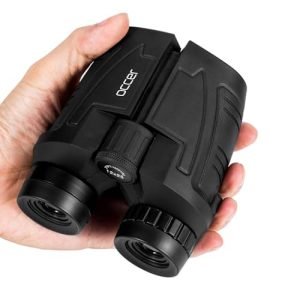
Close-focus binoculars let you see objects clearly at very short distances. They are great for viewing flowers, insects, and other nearby things.
People often wonder if these binoculars work well in the rain. To answer this, we first need to understand what close-focus binoculars are and their key features.
What Are Close-focus Binoculars
Close-focus binoculars are designed to focus on objects very near to you. They allow you to see details that regular binoculars cannot show up close.
They usually focus on objects within a few feet, making them perfect for nature lovers and hobbyists who want to explore small details.
Key Features To Know
These binoculars have a special lens system that lets you focus on close objects sharply. They often have wide fields of view to see more at once.
- Short minimum focus distance, often less than 6 feet
- Sharp image quality for close objects
- Lightweight and easy to hold
- Some models are waterproof or water-resistant

Credit: www.amazon.ca
Rain Impact On Binoculars
Using binoculars in the rain can affect their performance and durability. Rain may cause water to enter the lenses or damage the internal parts.
Understanding how rain affects binoculars helps users protect their gear and maintain clear vision outdoors.
How Rain Affects Optics
Rain drops on binocular lenses can blur or distort the image. Water can create spots that block light and reduce clarity.
- Lens coatings may wear out faster if exposed to water often.
- Water can cause fogging inside the lenses if seals are weak.
- Reflections from raindrops reduce contrast and sharpness.
Common Issues In Wet Conditions
Binoculars face several problems when used in rain or wet weather. Moisture can harm both the optics and mechanics.
| Issue | Cause | Effect |
| Fogging | Water vapor inside lenses | Blurry vision |
| Water Damage | Leaks through seals | Corrosion and mold |
| Lens Spots | Raindrops on glass | Image distortion |
| Mechanical Stiffness | Water inside joints | Hard to adjust focus |
Water Resistance Levels
Close-focus binoculars are great for seeing things up close. But rain can cause problems if they are not protected. Water resistance helps keep binoculars safe in wet weather.
Knowing the water resistance levels helps you pick the right binoculars for rain. This guide explains the key terms and ratings you should know.
Waterproof Vs Water-resistant
Waterproof binoculars stop water from getting inside at all. You can use them in heavy rain or even underwater for a short time.
Water-resistant binoculars resist some water but may let water in if the rain is strong. They work well in light rain or mist but not in storms.
- Waterproof means fully protected from water.
- Water-resistant means some protection, not full.
- Use waterproof binoculars for wet or extreme conditions.
- Water-resistant ones are good for light rain or damp weather.
Ip Ratings Explained
IP ratings show how well binoculars resist dust and water. The rating has two numbers. The first number is for dust protection, the second is for water.
Higher numbers mean better protection. For rain use, look for a rating with at least a 4 or 5 for water. This means it can handle splashes or light rain.
| IP Number | Dust Protection | Water Protection |
|---|---|---|
| IPX4 | Not rated | Protected from splashing water |
| IPX5 | Not rated | Protected from water jets |
| IPX6 | Not rated | Protected from powerful water jets |
| IP67 | Dust tight | Protected from immersion up to 1 meter |
Choose binoculars with IP ratings that fit your needs. For rainy weather, IPX4 or higher is best.
Using Close-focus Binoculars In Rain
Close-focus binoculars let you see objects nearby with clear detail. Using them in rain can be tricky. Water drops can blur your view and damage lenses.
Protecting your binoculars and keeping the lenses clear helps you enjoy their full use even in wet weather. Follow simple tips to handle rain safely.
Best Practices For Protection
Close-focus binoculars need care in rain. Keep them safe by using covers or rain guards. Avoid exposing binoculars to heavy rain without protection. Dry them gently after use to stop damage.
- Use a waterproof case when not in use
- Wear a rain cover or use an umbrella to shield them
- Do not open the binoculars when wet
- Wipe off water drops with a soft cloth
- Store them in a dry place after use
Techniques To Keep Lenses Clear
Water and fog on lenses block your view. Clean lenses carefully to keep the image sharp. Use tools that do not scratch or harm the glass.
| Technique | Description |
| Use a lens cloth | Soft and dry cloth to wipe drops gently |
| Apply anti-fog solution | Prevents fogging during rain or humidity |
| Use a blower | Blow off water drops without touching lenses |
| Keep binoculars under shelter | Protects lenses from heavy rain |
Recommended Models For Wet Weather
Close-focus binoculars can be used in the rain if they are waterproof. Many models offer protection against water and fog.
Choosing the right binoculars helps you see clearly in wet weather without damage.
Top Waterproof Options
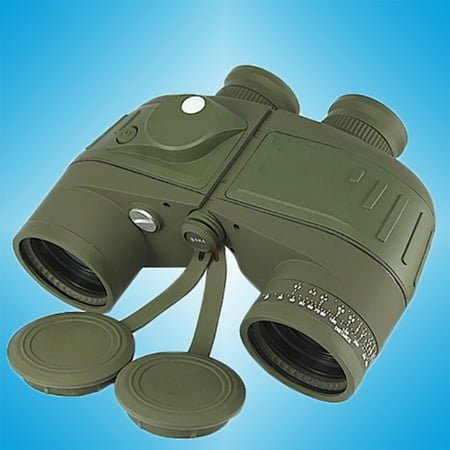
Waterproof binoculars have sealed bodies and special coatings. These features stop water from entering.
Look for models with nitrogen or argon purging. These prevent fogging inside the lenses.
- Binoculars with rubber armor offer better grip in rain.
- Many waterproof models have close focus under 10 feet.
- Opt for binoculars rated IPX7 or higher for strong water resistance.
Budget-friendly Rainproof Choices
There are affordable close-focus binoculars with rainproof features. They may not be fully waterproof but resist light rain.
These models suit casual users who need protection for short outdoor use in wet weather.
- Look for models with water-resistant coatings.
- Rubber armoring helps protect against splashes.
- Check user reviews for rain performance on budget models.
Maintenance After Rain Exposure
Using close-focus binoculars in the rain can expose them to moisture. Proper care after rain helps keep them working well.
Cleaning and storing your binoculars correctly prevents damage and extends their life.
Cleaning Tips
After rain, dry your binoculars gently with a soft cloth. Avoid using rough materials that can scratch lenses.
- Use a microfiber cloth to wipe water drops.
- If lenses are dirty, use lens cleaner and a soft cloth.
- Do not open binoculars to dry inside; water can damage internal parts.
- Check for fogging inside the lenses and consult a professional if present.
Storage Advice
Store binoculars in a dry place after cleaning. Moisture can cause mold or corrosion if left inside the case.
| Storage Tip | Reason |
| Keep in a padded, waterproof case | Protects from moisture and physical damage |
| Store in a cool, dry area | Prevents mold and corrosion |
| Remove batteries if unused for long | Avoid battery leaks that harm electronics |
| Air dry before storing | Stops moisture build-up inside the case |

Credit: www.cafr.ebay.ca
Frequently Asked Questions
Can Close-focus Binoculars Handle Light Rain?
Yes, many close-focus binoculars are water-resistant and can handle light rain. However, prolonged exposure may affect their performance.
Are Close-focus Binoculars Waterproof Or Water-resistant?
Most close-focus binoculars are water-resistant, not fully waterproof. Check product specs to ensure they suit wet conditions.
How To Protect Close-focus Binoculars During Rain?
Use rain covers or waterproof cases to protect binoculars. Wipe lenses gently with a microfiber cloth after rain exposure.
Does Rain Affect Binoculars’ Image Quality?
Rain droplets on lenses can blur vision. Waterproof coatings help repel water, maintaining clearer views during rain.
Conclusion
Close-focus binoculars work well in rain with proper care. Choose waterproof models for best results. Keep lenses clean and dry. Protective covers help prevent water damage. Store them in a dry place after use. Remember to maintain them regularly for long-lasting performance.
Always check product specifications before buying. Enjoy clear views of nature, even on rainy days. Happy exploring!