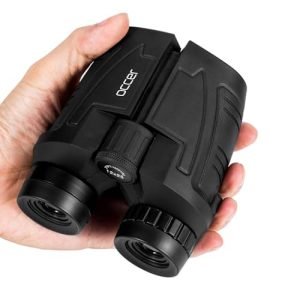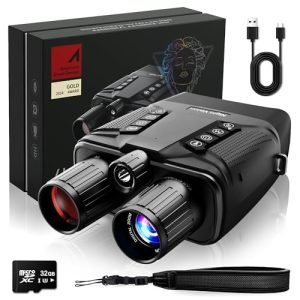
Have you ever wondered if close-focus binoculars could make your science classes more exciting and hands-on? Imagine being able to see tiny details up close, right in your backyard or classroom, without needing a microscope.
If you want to bring your lessons to life and explore the natural world in a new way, understanding how close-focus binoculars work might be the key. Keep reading to discover how these simple tools can transform your learning experience and why they could be the perfect addition to your science toolkit.
Close-focus Binoculars Basics
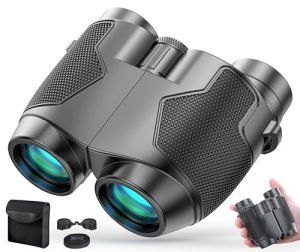
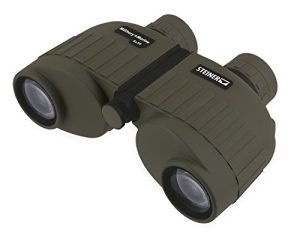
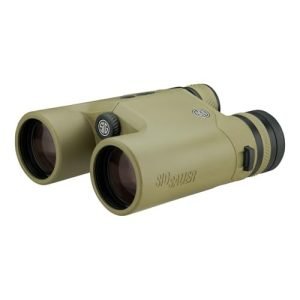
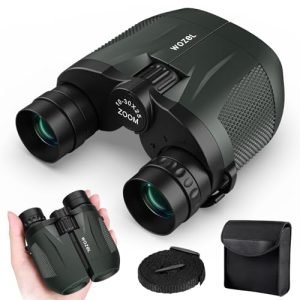
Close-focus binoculars allow you to see objects clearly at short distances. They are useful for detailed observation in science classes.
These binoculars differ from regular ones because they focus on things that are near, not far away.
What Are Close-focus Binoculars
Close-focus binoculars let you focus on objects just a few feet away. They are ideal for viewing small details up close.
- Designed to focus at short distances, often less than 6 feet
- Used in nature study, insect observation, and science experiments
- Help students see fine details clearly without moving the object
- Usually lightweight and easy to handle for young users
How Close-focus Works
Close-focus binoculars have special lenses that adjust to focus on near objects. This lets your eyes see sharp images at short range.
| Feature | Description |
| Focus Range | Very close, usually 2 to 6 feet |
| Lens Design | Extra focusing elements for near clarity |
| Usage | Observation of small, nearby objects |
| Benefit | Clear, sharp images at close distance |

Credit: www.yahoo.com
Science Class Applications
Close-focus binoculars offer unique opportunities for science classes. They allow students to observe details up close. These binoculars can be valuable tools in various science subjects.
Teachers can use close-focus binoculars to make lessons more interactive. Students can explore nature and space with better clarity. This helps develop curiosity and observation skills.
Using Binoculars For Biology
In biology, close-focus binoculars help students study plants and animals. They can see small insects on leaves or details on flowers. This tool supports hands-on learning outside the classroom.
- Observe insect behavior in natural habitats
- Examine leaf patterns and textures
- Watch birds and small animals from a distance
- Identify species without disturbing them
Benefits In Environmental Studies
Close-focus binoculars assist students in studying ecosystems clearly. They can monitor plant growth and animal interactions up close. This aids in understanding environmental changes and human impact.
| Activity | How Binoculars Help |
| Plant Identification | View leaf shapes and flowers closely |
| Animal Tracking | Spot animals without disturbing them |
| Water Quality Study | Observe aquatic plants and small creatures |
| Pollution Impact | Watch changes in local habitats |
Enhancing Astronomy Lessons
Close-focus binoculars can enhance astronomy lessons by providing clear views of the moon and nearby planets. Students learn to focus and adjust lenses for sharp images. This practice builds skills useful for telescope use.
Tips for Using Binoculars in Astronomy:
- Choose a clear night with little light pollution
- Start with the moon for easy observation
- Practice focusing on stars and planets
- Take notes on what you observe
Advantages For Students
Close-focus binoculars help students explore science topics closely. They allow detailed views of small objects in nature and science labs.
Using these binoculars can improve learning by making observations clearer and more engaging.
Improved Observation Skills
Students learn to focus carefully on details. They notice colors, shapes, and movements better. This helps them understand scientific ideas more deeply.
- Enhances attention to small details
- Develops patience and concentration
- Improves ability to compare and contrast
Hands-on Learning Experience
Using binoculars offers active participation in lessons. Students handle tools and explore real objects. This makes science lessons more interactive.
| Activity | Benefit |
| Examining leaves up close | Better understanding of plant structure |
| Watching insects | Learning about animal behavior |
| Observing rocks and minerals | Recognizing textures and colors |
Engaging Visual Exploration
Binoculars make science visual and fun. Students see things clearly at a short distance. This keeps their interest high during lessons.
- Clear images of small or distant objects
- Encourages curiosity and questions
- Supports group discussions with shared views

Credit: www.yahoo.com
Choosing The Right Binoculars
Binoculars are useful tools for science classes. They help students see small details up close. Choosing the right binoculars makes learning easier and more fun.
Close-focus binoculars let you see objects near you clearly. This feature is important for studying plants, insects, and other small things in nature.
Key Features To Consider
Look for binoculars with good close-focus distance. This means they can focus on objects just a few feet away. Check the magnification and lens size too. Higher magnification shows more detail but can be harder to hold steady.
- Close-focus distance of 6 feet or less
- Magnification between 6x and 10x
- Lens size around 25mm to 42mm
- Clear and bright lenses
Budget-friendly Options
Science classes often need several binoculars. Choose affordable models that still have good quality. You do not need the most expensive brand. Many budget binoculars offer clear views for close focus.
- Look for brands with good reviews
- Check for warranties or guarantees
- Buy in sets to save money
- Avoid very cheap models that blur images
Durability And Portability
Binoculars for science classes should be strong and easy to carry. Kids may use them outdoors in different weather. Choose models that resist water and shocks. Lightweight binoculars are easier to hold for longer times.
- Rubber coating for shock resistance
- Waterproof or water-resistant design
- Compact size for easy carrying
- Adjustable straps or cases for safety
Tips For Effective Use
Close-focus binoculars are great tools for science classes. They help students see details up close. Using them correctly makes learning easier.
Below are tips on handling, lesson ideas, and safety to get the most from these binoculars.
Proper Handling And Care
Keep binoculars clean and safe. Handle them gently and store them properly after use. This keeps them working well for a long time.
- Use the neck strap to avoid drops.
- Clean lenses with a soft cloth only.
- Store in a dry, dust-free case.
- Avoid touching lenses with fingers.
- Check for loose parts before class.
Incorporating Binoculars Into Lessons
Use binoculars to explore plants, insects, or rocks. Bring students outside or use objects in the classroom to observe closely.
| Subject | Activity | Binocular Use |
| Biology | Observe leaf veins | View fine details |
| Earth Science | Look at rock textures | Spot small grains |
| Environmental Studies | Watch insects | See movement closely |
Safety Precautions
Safety is important when using binoculars. Teach students to use them carefully to avoid accidents or damage.
- Never look directly at the sun through binoculars.
- Keep binoculars away from young children without supervision.
- Use binoculars only as instructed by the teacher.
- Report any damage or malfunction immediately.

Credit: www.amazon.com
Frequently Asked Questions
Can Close-focus Binoculars Improve Science Class Observations?
Yes, close-focus binoculars allow detailed viewing of objects up close. They enhance students’ understanding of small specimens during science lessons.
Are Close-focus Binoculars Suitable For Biology Studies?
Absolutely, they are ideal for biology. These binoculars help observe insects, plants, and other small biological samples clearly.
How Do Close-focus Binoculars Benefit Outdoor Science Activities?
They provide clear, magnified views of nature up close. This helps students engage more effectively in outdoor learning and exploration.
Can Close-focus Binoculars Be Used For Microscopy Tasks?
While not a replacement for microscopes, they offer a portable option for preliminary close-up observations in science classes.
Conclusion
Close-focus binoculars are useful tools for science classes. They help students observe details closely. This can spark curiosity and engagement. Teachers can use them for various subjects. Biology, geology, and astronomy benefit greatly. They are easy to handle and affordable.
Students enjoy learning through hands-on experiences. Clear observations lead to better understanding. Binoculars help make science fun and interactive. They are a valuable addition to any classroom. Overall, they enrich the learning environment. Investing in them is a smart choice for educators.
Students gain knowledge and enjoy the process.