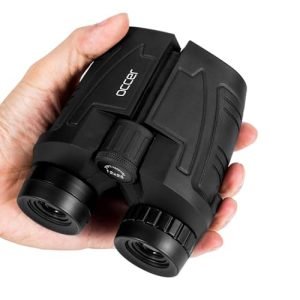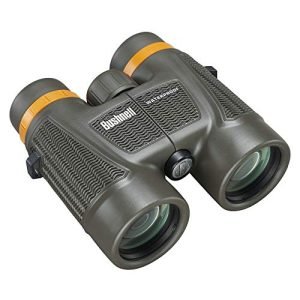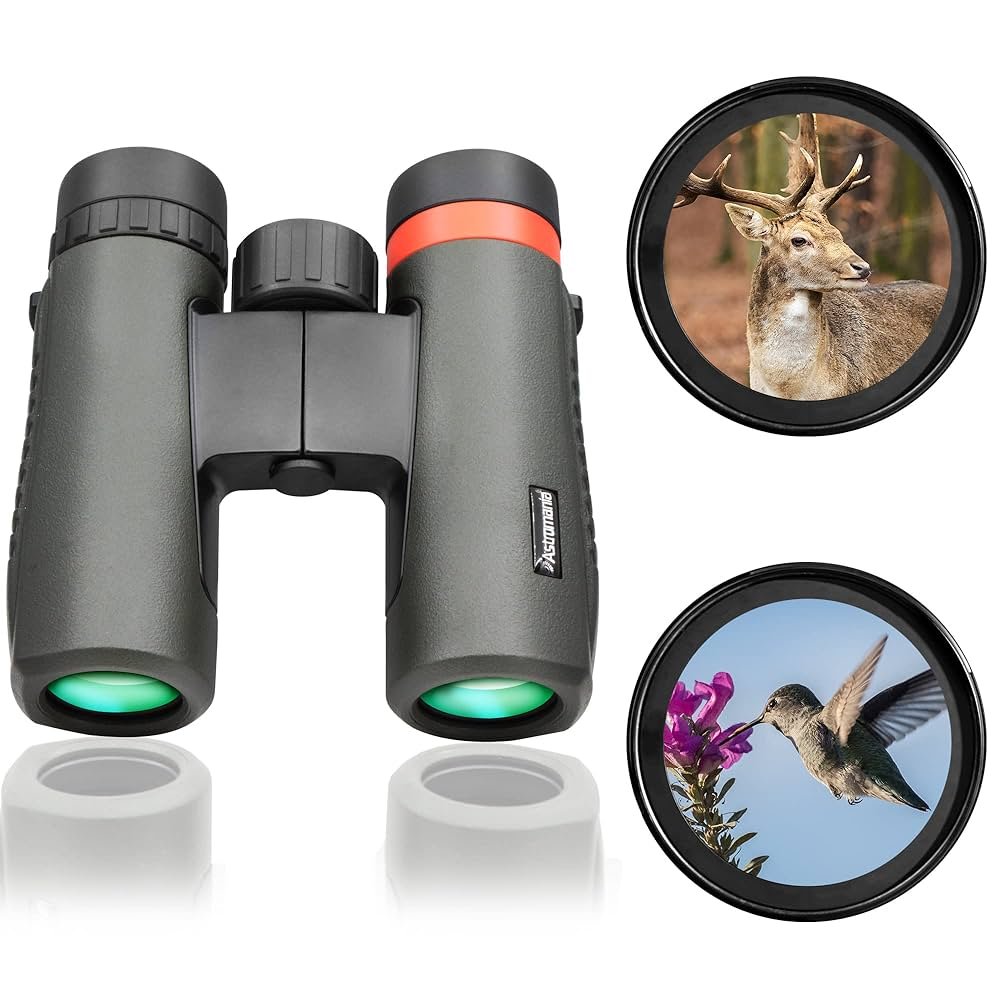
When you’re out camping, having the right gear can make all the difference. But what happens when the weather turns harsh—heavy rain, freezing cold, or strong winds?
Can your camping binoculars still perform when conditions get extreme? You want to be sure your equipment won’t let you down just when you need it most. You’ll discover what makes binoculars tough enough for extreme weather and how to choose the best ones to keep your adventures safe and clear, no matter what nature throws at you.
Keep reading to find out how to protect your view—and your peace of mind.
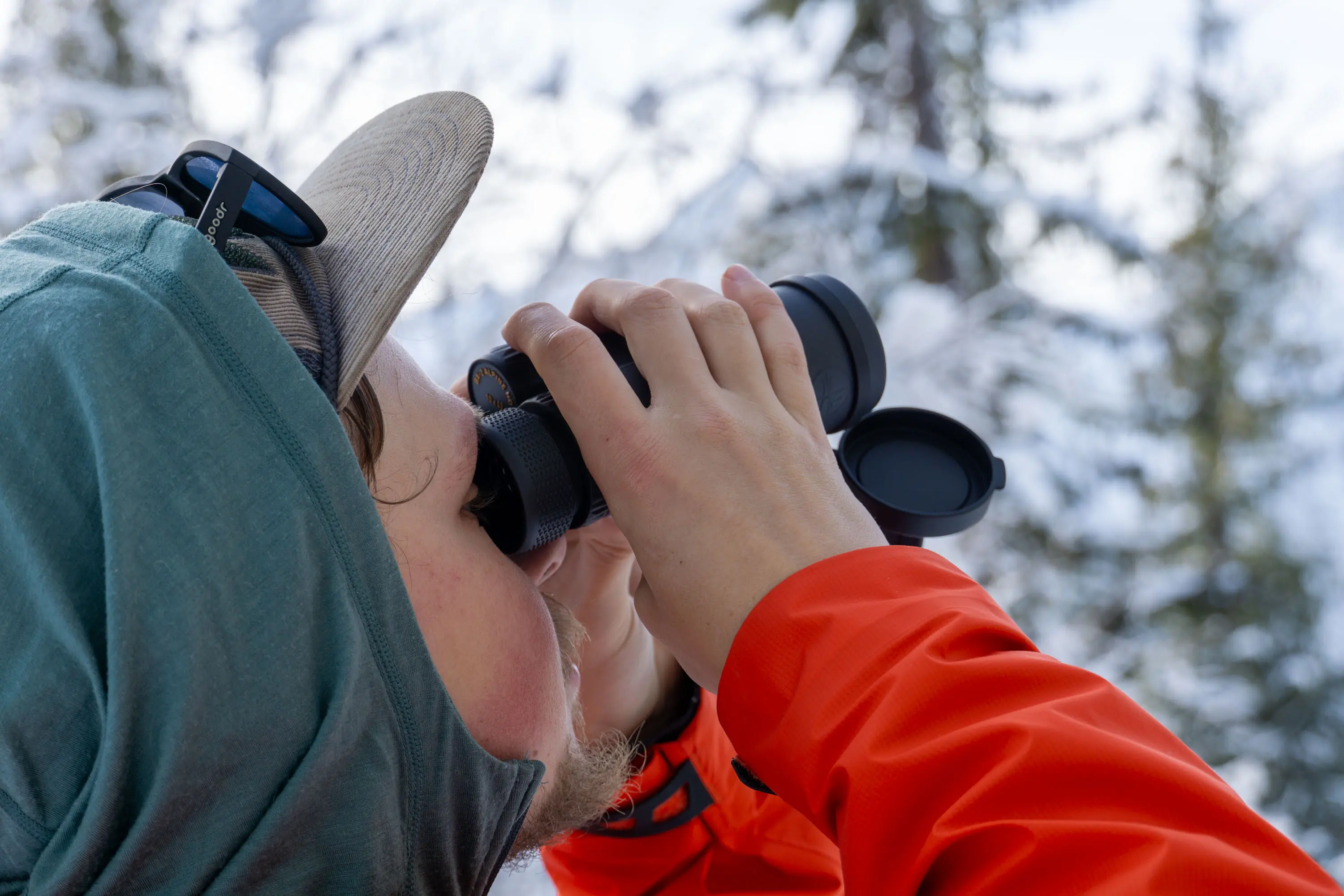
Credit: gearjunkie.com
Types Of Camping Binoculars
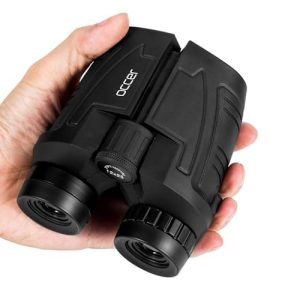
Compact binocularsare small and light. Easy to carry in a pocket or bag. Best for short trips and quick views. They may not offer the best image quality in tough weather.
Full-size binocularsare bigger and heavier. They give clearer and brighter images. Good for detailed viewing. Might be harder to carry for long hikes.
Waterproof binocularsare designed for wet and harsh conditions. They can handle rain, snow, and fog without damage. Often have a fog-proof feature inside to keep lenses clear.
Features For Extreme Weather
Camping binocularsdesigned for extreme weather often feature weatherproof construction. This means they resist water, dust, and dirt, keeping the lenses clear and the device working in rain or snow. The outer shell usually has a strong coating to protect against impacts and rough use.
Fog-proof technologystops moisture inside the binoculars. This keeps the view clear even when moving between cold and warm places. The lenses are sealed and filled with dry gas like nitrogen or argon to prevent fogging.
Temperature resistanceallows binoculars to work well in very cold or hot weather. They can handle freezing temperatures without the parts cracking or sticking. In hot weather, they stay stable and do not lose focus easily.
Testing Binoculars In Harsh Conditions
Binocularsface many challenges in cold weather. Low temperatures can make lenses fog and freeze. Some models have fog-proofand anti-fog coatingsto prevent this. Rubber armor helps protect them from cold shocks. Batteries inside electronic binoculars may drain faster in the cold. It’s best to choose binoculars with nitrogen or argon gas fillingto stop moisture inside.
Rain and high humidity can cause water damageand fogging. Binoculars with waterproof sealskeep water out. Drying them quickly after rain helps avoid mold. Some have special coatings to repel water drops. Using a rain guard or cover can protect lenses and mechanics.
| Condition | Durability Feature | Effect on Binoculars |
|---|---|---|
| Desert Heat | Heat-resistant materials | Prevents warping and lens damage |
| Sand & Dust | Sealed body and lens covers | Keeps dirt out of optics |
| High UV Exposure | UV protection coatings | Protects lens clarity |
Desert heat can cause some binocular parts to expand. Strong, heat-resistant materialshelp maintain shape. Dust and sand can scratch lenses or block moving parts. Sealed bodies and covers stop dirt from getting inside. UV rays may fade lens coatings, so UV protection is important for clear views.

Credit: www.amazon.com.au
Choosing The Right Binoculars
Lens qualitymatters most for clear views. Look for lenses with good coating. This helps reduce glare and improves brightness. Coated lenses also protect against scratches and fog.
Magnificationshows how close objects appear. A higher number means bigger images but less field of view. A wide field of viewlets you see more area at once. Balance both for best results.
| Feature | What to Look For |
|---|---|
| Durability | Waterproof and fog-proof binoculars resist harsh weather. |
| Material | Rubber armor protects binoculars from drops and shocks. |
| Weight | Lightweight models are easier to carry during long hikes. |
Care And Maintenance
Cleaning techniquesfor camping binoculars include using a soft brush or cloth. Avoid harsh chemicals that can damage lenses. Use lens cleaning solution or water with a microfiber cloth. Gently wipe the lenses in a circular motion to remove dirt and smudges. Regular cleaning keeps the view clear and sharp.
Storage tipshelp protect binoculars from extreme weather. Store them in a dry, cool place away from direct sunlight. Use a padded case or a protective cover to prevent scratches and dust. Keep silica gel packets inside the case to absorb moisture and avoid mold.
Repair and replacementdepend on the damage type. For minor issues like loose screws, tighten them carefully. For lens damage or broken parts, contact a professional repair service. Avoid trying to fix complex problems yourself to prevent more damage. Replace parts only with manufacturer-approved components.
Top Binocular Brands For Extreme Weather
Top binocular brands offer models designed for extreme weather. These binoculars are waterproof, fog-proof, and built with durable materials. They provide clear views even in rain, snow, or strong winds.
| Brand | Weather Resistance | Lens Quality | Price Range |
|---|---|---|---|
| Nikon | Waterproof, Fog-proof | High clarity, Anti-reflective | $$ |
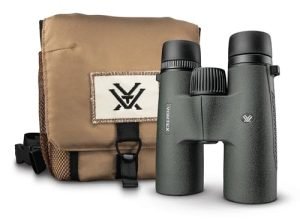
| Vortex | Shockproof, Waterproof | Bright, Sharp images | $$$ |
| Bushnell | Water-resistant, Fog-proof | Good clarity | $ |
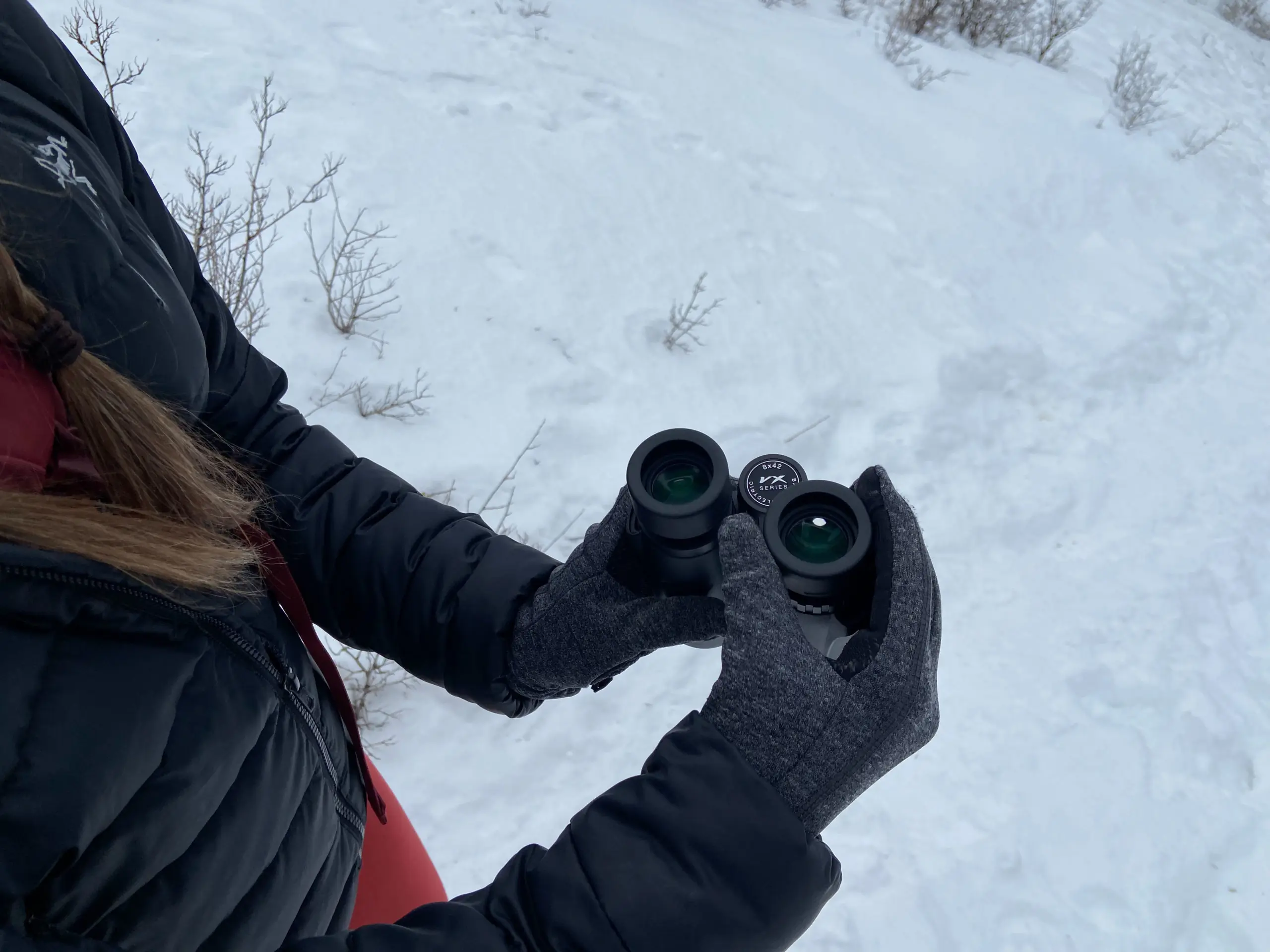
- Users praise the clear vieweven in bad weather.
- Many find the binoculars easy to usein cold conditions.
- Some mention the weightas light and comfortable.
- Experts recommend models with rubber armorfor extra grip.
- Look for binoculars with multi-coated lensesfor better vision.
Credit: gearjunkie.com
Frequently Asked Questions
Can Camping Binoculars Withstand Heavy Rain?
Yes, many camping binoculars are waterproof and fog-proof. Look for models with IPX7 or higher ratings for heavy rain protection. These binoculars have sealed O-rings to prevent water entry and offer clear vision even in wet conditions.
Are Camping Binoculars Usable In Freezing Temperatures?
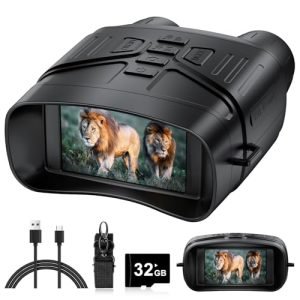
High-quality camping binoculars use materials that resist cold weather damage. They often have nitrogen or argon gas to prevent internal fogging. However, extreme cold may affect battery life in digital models, so check specifications for temperature tolerance.
What Features Make Binoculars Suitable For Extreme Weather?
Waterproofing, fog-proofing, and durable rubber armor are key features. Lens coatings improve visibility in harsh light and weather. A sturdy build helps resist impacts from rough outdoor conditions, ensuring reliability in extreme weather.
How Do I Maintain Binoculars After Exposure To Harsh Weather?
Wipe lenses with a microfiber cloth and dry the body thoroughly. Store binoculars in a dry, padded case to prevent damage. Regularly check seals and clean lenses to maintain optimal performance and longevity.
Conclusion
Camping binoculars can handle many tough weather conditions well. Choose models with waterproof and fog-proof features for best results. Keep lenses clean and store binoculars safely after use. This care helps them last longer and work better. Remember, not all binoculars are made for extreme weather.
Check product details before buying. Good binoculars make outdoor adventures clearer and more fun. Stay prepared, and enjoy your view no matter the weather.