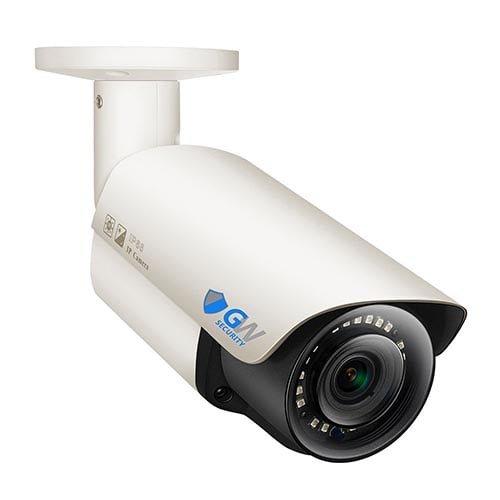
Are you looking for a simple way to keep an eye on your property without investing in expensive CCTV systems? You might wonder if binoculars could be the quick fix for small surveillance jobs.
It sounds easy—just grab your binoculars and watch from a distance. But can they really replace CCTV cameras when it comes to security and peace of mind? You’ll discover the surprising truths about using binoculars for surveillance and whether they can truly meet your needs.
Keep reading to find out what works best for your safety and convenience.

Credit: www.shopabunda.com
Binoculars For Surveillance
Binoculars offer a simple way to see distant objects clearly. People use them for watching birds, sports, and sometimes for small surveillance tasks. But can binoculars replace CCTV cameras for these jobs?
This article looks at binoculars and their features to help decide if they fit small surveillance needs.
Types Of Binoculars
There are many types of binoculars. Each type suits different uses. Understanding them helps choose the right one for watching from a distance.
- Roof Prism Binoculars:Compact and straight design. Good for travel and quick use.
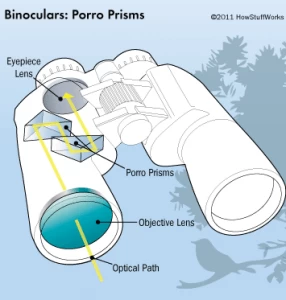
- Porro Prism Binoculars:Bulkier but offer better depth and wider views.
- Zoom Binoculars:Allow changing magnification but can reduce image quality.
- Night Vision Binoculars:Work in low light for night surveillance.
Magnification And Clarity
Magnification shows how much closer objects appear. Clarity means how sharp the image is. Both are key for surveillance.
| Magnification | Field of View | Best Use |
| 8x | Wide | General viewing and moving targets |
| 10x | Moderate | Detailed observation at medium distance |
| 12x and above | Narrow | Long-distance but harder to hold steady |
Portability And Ease Of Use
Small surveillance jobs need tools that are easy to carry and use. Heavy or complex binoculars may slow down the watcher.
- Lightweight binoculars reduce arm fatigue during long use.
- Compact sizes fit in pockets or small bags.
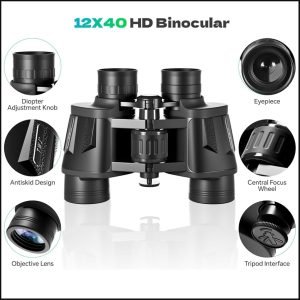
- Simple focus adjustment helps quick targeting.
- Waterproof and durable models last longer outdoors.
Cctv Systems In Small Surveillance
Small surveillance jobs need reliable ways to watch over places. Binoculars give a close look but lack extra features. CCTV systems offer more options for small areas.
This article explores CCTV camera types, how to install them, and how recording works. It helps decide if binoculars can replace CCTV for small tasks.
Camera Types And Features
CCTV cameras come in many types. Each fits different needs for small surveillance. Some cameras work well in low light, while others zoom in on details.
- Fixed Cameras: Show a steady view of one area.
- PTZ Cameras: Move and zoom to cover more space.
- Infrared Cameras: See clearly in the dark.
- Wireless Cameras: Easy to place without wires.
- High-Definition Cameras: Offer clear and sharp images.
Installation And Coverage
Installing CCTV depends on the area size and layout. Proper camera placement ensures good coverage. Binoculars need a person watching all the time, but CCTV can watch 24/7.
| Installation Type | Coverage Area | Ease of Setup |
| Indoor Fixed | Small rooms | Easy |
| Outdoor PTZ | Large yards | Moderate |
| Wireless | Flexible spots | Easy |
| Infrared | Dark areas | Moderate |
Recording And Remote Access
CCTV records all footage for later review. Some systems store videos on a local device or the cloud. Remote access lets users watch live feeds from phones or computers.
- Continuous recording stores everything all the time.
- Motion detection records only when movement happens.
- Cloud storage keeps videos safe from damage.
- Remote apps allow watching from anywhere.
Comparing Binoculars And Cctv
Binoculars and CCTV are tools used for small surveillance jobs. They serve different purposes and work in unique ways. Understanding how they compare helps choose the right tool for the job.
This comparison looks at their field of view, monitoring style, and need for human presence. These points show the strengths and limits of each device.
Field Of View And Monitoring
Binoculars provide a narrow but clear view. They let users see details far away, but only in one direction at a time.
CCTV cameras cover a wider area. Some cameras can move or zoom to monitor different spots without missing much.
- Binoculars: Focus on one small area at a time
- CCTV: Can watch large areas continuously
- Binoculars: Need manual aiming and adjusting
- CCTV: Often fixed or remotely controlled
Real-time Observation Vs Recorded Footage
Binoculars require someone to watch in real time. They do not record or save what is seen.
CCTV systems record video automatically. Users can check footage later if needed. Some systems also allow live viewing from anywhere.
- Binoculars: Only real-time viewing
- CCTV: Records video for later review
- CCTV: Can stream live video remotely
- Binoculars: No recording or playback
Dependence On Human Presence
Binoculars need a person to be present and actively watch the area. They cannot work alone.
CCTV cameras work without someone watching all the time. They can alert users when something unusual happens.
- Binoculars: Require constant human attention
- CCTV: Operate automatically and continuously
- CCTV: Can send alerts to users remotely
- Binoculars: No automatic detection or alerts
Advantages Of Binoculars
Binoculars offer a simple way to watch areas from a distance. They are useful for small surveillance tasks. These tools do not need complex setups.
Using binoculars can be a good choice for quick checks. They allow users to see far without installing devices.
Cost-effectiveness
Binoculars usually cost less than CCTV systems. They do not need extra equipment or wiring. This makes them good for small budgets.
- One-time purchase with no monthly fees
- No need for professional installation
- Low maintenance costs
- Can be used for many years
Flexibility In Mobility
Binoculars are easy to carry and use anywhere. You can move quickly to different spots without limits.
| Feature | Binoculars | CCTV Cameras |
| Portability | High – hand-held and light | Low – fixed installation |
| Setup Time | None – ready to use | Long – requires wiring |
| Use in Different Locations | Easy – move freely | Hard – fixed to one place |
No Power Requirement
Binoculars do not need electricity to work. This makes them useful in places without power or during outages.
- No need for batteries or plugs
- Works anytime without power sources
- Can be used in remote or outdoor areas
Limitations Of Binoculars
Binoculars are useful tools for seeing far away objects. They can help spot things clearly in the moment. But binoculars have limits for small surveillance jobs.
Understanding these limits helps decide if binoculars can replace CCTV cameras. This article covers three main drawbacks of binoculars for surveillance.
Limited Continuous Surveillance
Binoculars require a person to hold and watch through them. This makes it hard to keep looking at one place for a long time without breaks. The watcher can get tired or distracted.
Unlike CCTV cameras, binoculars do not run all day. They cannot provide nonstop monitoring or alerts. This limits their use for security or long-term surveillance tasks.
Subjectivity And Human Error
People using binoculars may miss important details. They might not see everything clearly or may mistake what they see. Different people can interpret the same view in different ways.
- Eye strain can reduce accuracy over time.
- Fatigue may cause missed events.
- Personal bias affects what is noticed and recorded.
- Quick movements are hard to follow precisely.
Lack Of Recording Capability
Binoculars do not record images or video. This means no proof or review is possible after watching. CCTV cameras keep a record for later checking.
| Feature | Binoculars | CCTV Cameras |
| Continuous Monitoring | No | Yes |
| Recording | No | Yes |
| Alert System | No | Possible |
| Human Error | High | Low |
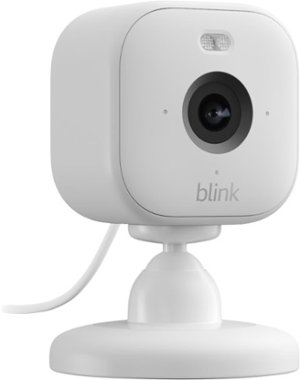
Credit: www.bestbuy.com
Advantages Of Cctv
CCTV systems help keep places safe by watching all the time. They work day and night without stopping.
Binoculars can see far but cannot watch all the time. CCTV has many benefits for small surveillance jobs.
24/7 Monitoring
CCTV cameras record continuously and do not miss any moment. This helps catch problems as they happen.
- Works in day and night with infrared lights
- Records all movements automatically
- Can be checked anytime from a phone or computer
Automated Alerts And Analytics
CCTV can send alerts when it detects something unusual. It uses smart tools to find problems fast.
| Alert Type | Description |
| Motion Detection | Notifies when movement is seen |
| Sound Detection | Alerts on loud noises |
| Facial Recognition | Identifies known faces |
Evidence Collection
CCTV records video that can be used as proof in legal cases. It stores clear images for review.
Key features for evidence:
- High-resolution video capture
- Time-stamped recordings
- Secure storage to prevent tampering
Drawbacks Of Cctv
CCTV cameras are common for security and surveillance. They help watch places to keep them safe.
Still, CCTV has some drawbacks that can make it less useful for small jobs. Let’s look at these problems.
Installation Costs
Installing CCTV cameras can be expensive. You need to buy cameras, cables, and other parts.
Sometimes, you also pay for professional help to set up the system correctly.
- Camera price varies by quality and features
- Wiring and power supply add extra cost
- Professional installation may cost more
- Extra devices like monitors increase expenses
Privacy Concerns
CCTV cameras record videos that may invade people’s privacy. This raises concerns in public and private places.
People may feel uncomfortable knowing they are always watched. Rules and laws control where cameras can be placed.
- Cameras may record areas without permission
- Unauthorized use can break privacy laws
- Visible cameras may make people nervous
- Data storage must be secure to protect privacy
Technical Maintenance
CCTV systems need regular checks and fixes. Cameras can stop working or lose image quality over time.
Maintenance can be hard for people without technical skills. It may require extra time and money.
- Cleaning lenses keeps clear video quality
- Software updates improve system security
- Hardware repairs may need expert help
- Power failures can cause system downtime
Credit: www.costco.com
Best Use Cases For Binoculars
Binoculars offer a simple way to observe areas from a distance. They work well in many situations where setting up cameras is tough.
This guide looks at when binoculars can be the right choice for small surveillance tasks. It focuses on temporary needs and outdoor spots.
Temporary Surveillance Needs
Binoculars suit short-term watching jobs. They do not need power or installation. You can carry them easily and move as needed.
- Event security for a few hours or days
- Watching construction sites during certain shifts
- Monitoring parking lots without permanent equipment
- Checking properties during inspections or viewings
Outdoor And Remote Locations
Binoculars work well in places without electricity or where cameras can be seen easily. They allow quiet, hidden observation from a distance.
| Location Type | Why Binoculars Are Useful |
| Forests and Parks | No power needed, easy to carry |
| Large Farms | Can watch wide areas quickly |
| Mountain or Hilltops | Good for spotting from high ground |
| Remote Buildings | No internet or wiring needed |
Best Use Cases For Cctv
Binoculars can help see things far away but have limits. CCTV cameras watch areas all the time.
CCTV is best for places that need constant watching. It records and shows live videos.
Permanent Security Solutions
CCTV works well for long-term security. It keeps an eye on places every day and night.
Binoculars only work when someone looks through them. CCTV records and saves videos to check later.
- Protect homes and businesses all the time
- Record any events for evidence
- Alert security if something unusual happens
Indoor And Fixed Areas
CCTV is great indoors where cameras stay in one place. They watch rooms, halls, or offices nonstop.
Binoculars cannot watch inside spaces without someone holding them. CCTV gives clear views day and night.
Combining Binoculars And Cctv
Binoculars and CCTV cameras both help with watching small areas. Each tool has its own strengths. Using them together can improve small surveillance jobs.
Binoculars give clear, close-up views by hand. CCTV cameras work all day and record video automatically. Combining both can cover more ground and catch more details.
Enhancing Surveillance Coverage
Binoculars let you see far and zoom in quickly on something suspicious. CCTV cameras watch an area nonstop. This helps catch events that might be missed with just one tool.
Using binoculars, a person can scan a wide area and then focus on specific spots. CCTV cameras record all movement and keep evidence. Together, they cover blind spots and increase safety.
- Binoculars provide instant zoom and flexibility.
- CCTV cameras offer constant monitoring and recording.
- Both tools can cover areas that the other misses.
- Combining them means fewer gaps in surveillance.
Complementary Strengths
Binoculars are good for quick checks and far distances. CCTV cameras work best for long-term watching and storing video. Each tool supports the other’s limits.
People using binoculars can react to live events. CCTV cameras keep a record to review later. This teamwork helps in finding and proving incidents during small surveillance jobs.
- Binoculars: portable and easy to use on the spot.
- CCTV: automatic and records 24/7 without breaks.
- Binoculars help confirm details CCTV might miss.
- CCTV stores footage that binoculars cannot capture.
Frequently Asked Questions
Can Binoculars Fully Replace Cctv For Surveillance?
Binoculars provide real-time, close-up views but lack continuous recording. CCTV offers 24/7 monitoring and video storage. For small, temporary tasks, binoculars may suffice. For long-term surveillance, CCTV is more effective and reliable.
Are Binoculars Suitable For Night Surveillance?
Most binoculars have limited night vision capabilities. Specialized night vision binoculars exist but are costly. CCTV cameras with infrared perform better in low light. For consistent night surveillance, CCTV is preferable.
How Do Binoculars Compare To Cctv In Cost?
Binoculars are generally cheaper upfront than CCTV systems. However, binoculars require manual operation and cannot record footage. CCTV systems have higher initial costs but offer automated, continuous monitoring. Consider long-term needs before choosing.
Can Binoculars Capture Detailed Images Like Cctv Cameras?
Binoculars provide magnified live views but do not capture images. CCTV cameras record high-resolution video for detailed analysis. For evidence collection, CCTV is more suitable. Binoculars aid observation but lack recording features.
Conclusion
Binoculars offer a quick and low-cost way to watch small areas. They work well for short times and close distances. CCTV gives constant watching and records what happens. It helps catch events later and covers wide spaces. For small jobs, binoculars can help but miss some details CCTV sees.
Think about your needs and budget before choosing. Sometimes, using both tools together works best. Choose what fits your situation for better security and peace of mind.