Imagine being in the middle of an earthquake response, where every second counts and clear vision can make all the difference. You might wonder, can binoculars really help you in such a chaotic and fast-moving situation?
If you’re involved in rescue efforts or just want to understand how to stay prepared, knowing the role binoculars play could change how you act when disaster strikes. Keep reading to discover how these simple tools might become your unexpected ally during an earthquake response.

Credit: www.yahoo.com
Role Of Binoculars In Emergencies
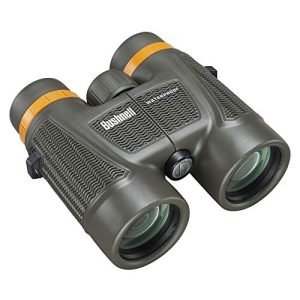
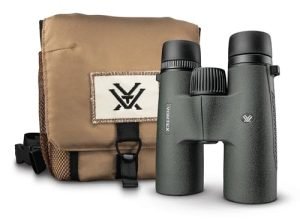
Binoculars can be a useful tool during earthquake response. They help responders see distant areas clearly. This improves safety and decision-making in chaotic situations.
Using binoculars allows quick checks of hard-to-reach places. They offer a safe way to assess damage and find people who need help.
Binoculars As A Tool For Situational Awareness
Binoculars improve situational awareness by magnifying distant scenes. Responders can spot hazards like cracks, fires, or falling debris early. This helps them avoid dangerous zones.
- Check rooftops and upper floors for trapped people
- Survey damaged buildings from a safe distance
- Identify safe paths through debris
- Monitor crowd movement and emergency vehicles
- Communicate findings quickly to teams
Advantages Over Other Visual Devices
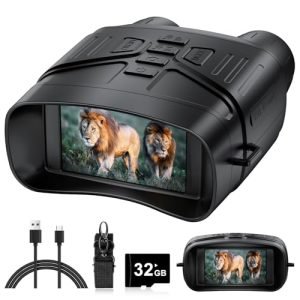
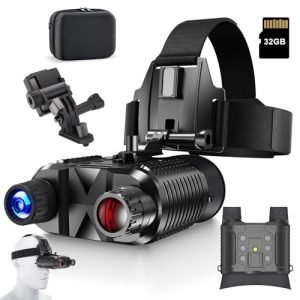
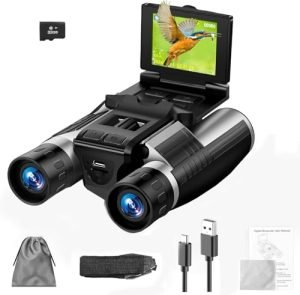
Binoculars have benefits compared to cameras or drones. They are simple to use and work without power. Binoculars are lightweight and easy to carry in emergency kits.
| Device | Power Needed | Weight | Ease of Use |
| Binoculars | No | Light | Simple |
| Camera | Yes | Medium | Moderate |
| Drone | Yes | Heavy | Complex |
Credit: gearjunkie.com
Benefits During Earthquake Response
Binoculars help responders see far areas clearly during earthquakes. They improve safety and search efforts.
Using binoculars makes it easier to find dangers and people who need help. They support quick decisions in emergencies.
Identifying Safe Zones And Hazards
Binoculars allow responders to spot safe places away from damage. They also help find hazards like cracks or falling debris.
Seeing these details early keeps teams and survivors safe. It helps guide people to secure locations quickly.
- Check for stable ground and buildings
- Watch for gas leaks or fires
- Spot blocked roads or fallen power lines
Locating Survivors From A Distance
Binoculars let responders find survivors who are hard to see up close. They help locate people trapped or stranded in rubble.
Seeing survivors early speeds up rescue. It saves time and helps direct resources to the right spots.
- Scan wide areas quickly
- Spot waving hands or signs of life
- Identify safe paths to reach survivors
Supporting Search And Rescue Teams
Binoculars improve communication between teams. They help leaders watch team locations and hazards from a distance.
Teams use binoculars to plan safe routes. This support increases rescue success and reduces risks during operations.
- Monitor team movements
- Spot new dangers ahead
- Coordinate rescue efforts effectively
Limitations And Challenges
Binoculars can help responders see far areas during an earthquake. Still, they have limits that reduce their usefulness. These limits come from the environment and the tools themselves.
Knowing the challenges helps responders prepare better and use binoculars wisely. This section explains the main problems faced while using binoculars in earthquake response.
Visibility Issues In Dust And Debris
Earthquakes often cause dust clouds and falling debris. These particles block clear sight. Binocular lenses can get dirty quickly, making viewing difficult.
- Dust reduces image sharpness and clarity.
- Debris can scratch or damage lenses.
- Smoke or fog lowers visibility range.
- Cleaning lenses in the field is hard.
Mobility And Handling Concerns
Carrying binoculars during an earthquake response can be tricky. Responders move fast and need both hands free. Bulky or heavy devices slow them down.
| Challenge | Impact |
| Weight | Causes fatigue when carried long |
| Size | Hard to store or quickly access |
| Glove Use | Difficult to adjust focus or hold steady |
| One-Hand Use | Limits stability and image clarity |
Durability Under Harsh Conditions
Earthquake sites can be rough on binoculars. They face shocks, drops, and wet conditions. Not all binoculars handle these well.
- Shockproof build to resist drops
- Water resistance for rain or spills
- Fog proof lenses to keep view clear
- Strong housing to avoid cracks
Best Practices For Using Binoculars
Binoculars can help responders see distant areas clearly during an earthquake. Using them correctly improves safety and efficiency. This guide covers how to pick, care for, and use binoculars with other tools.
Following these best practices ensures binoculars work well in tough conditions. Proper use supports better decision-making in emergencies.
Choosing The Right Type And Magnification
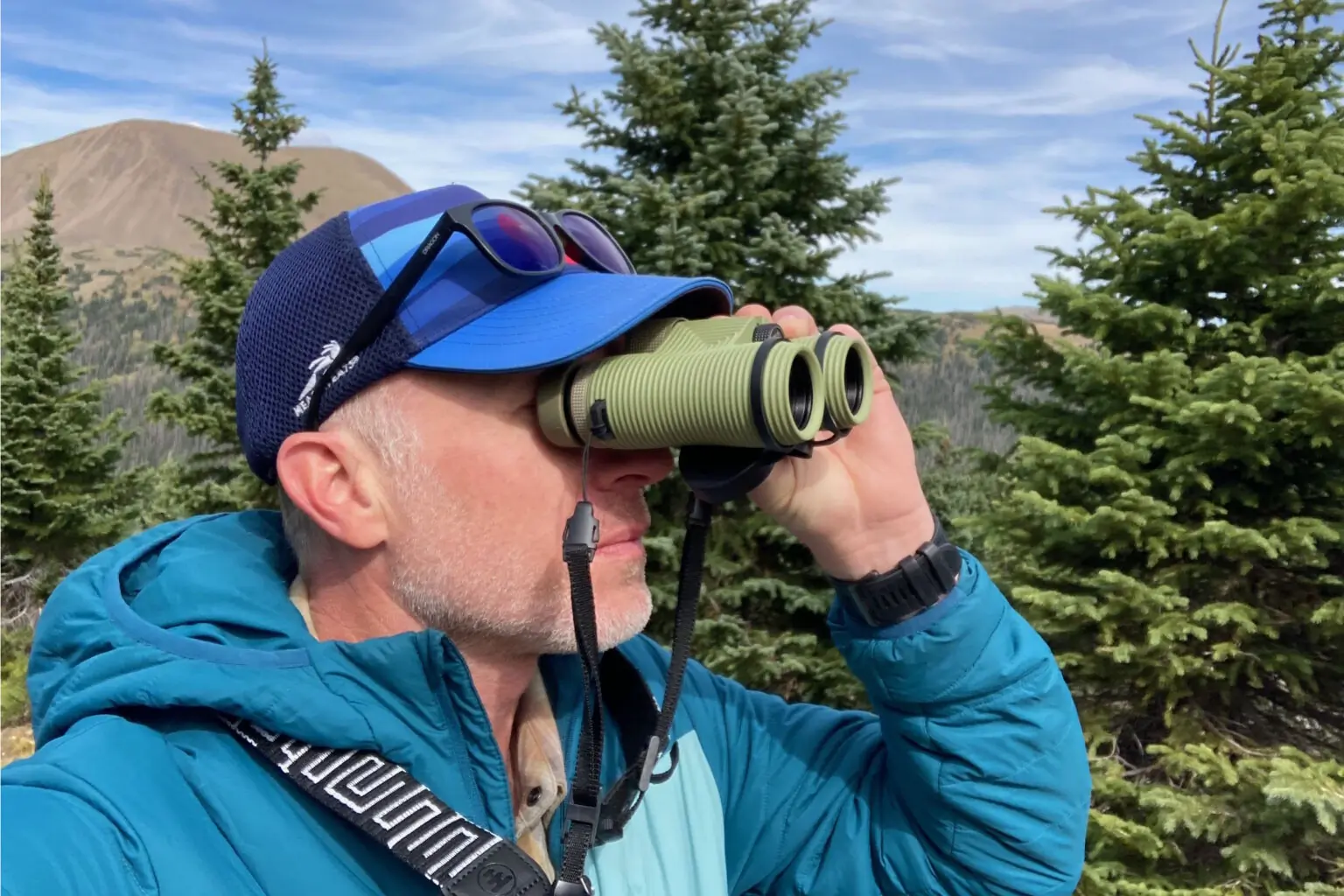
Select binoculars that fit the earthquake response needs. Look for durable models with clear lenses. Choose magnification that balances detail and field of view.
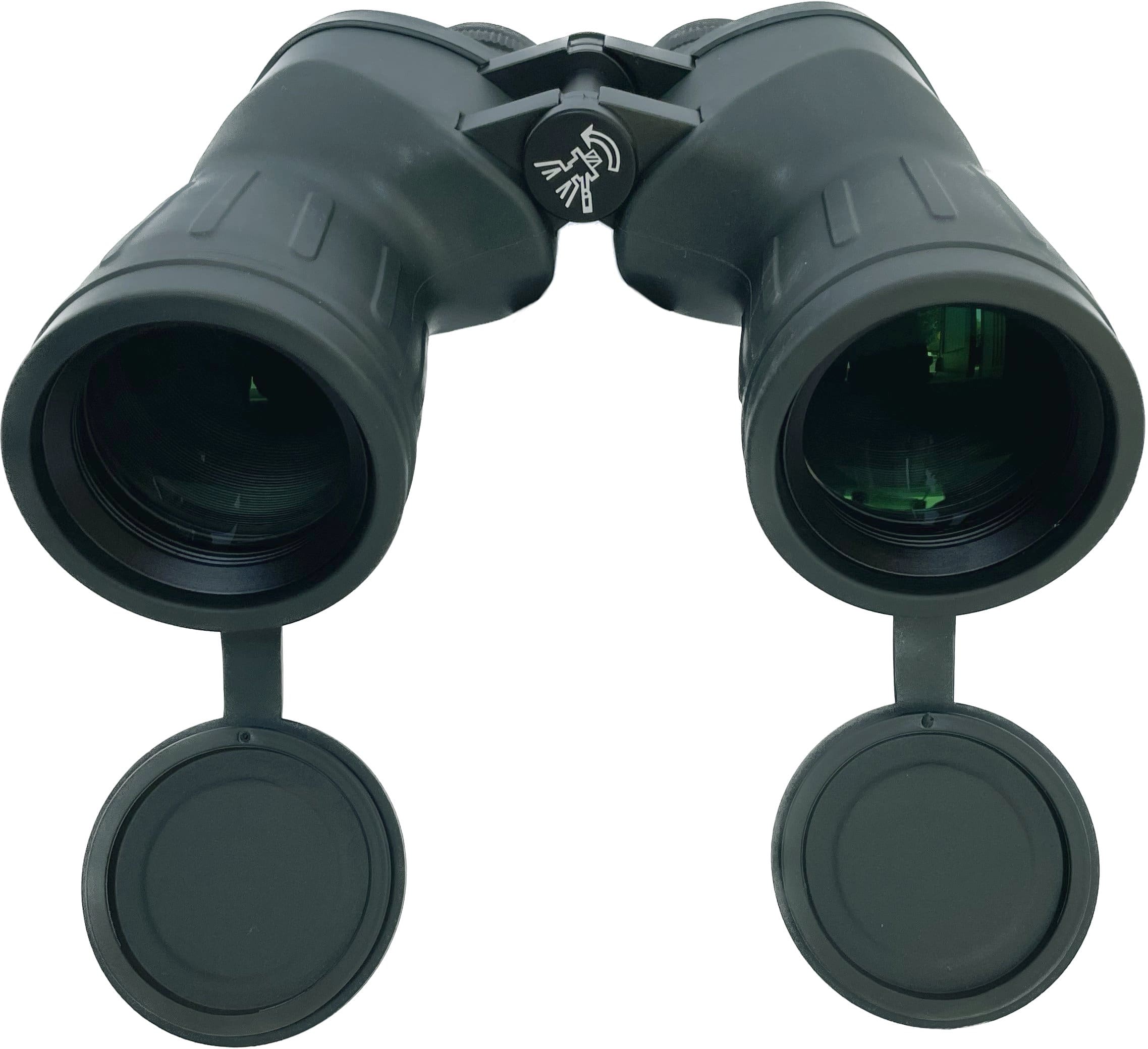
- Use 7x to 10x magnification for clear images without shaking.
- Pick waterproof and shockproof designs for rough environments.
- Consider size and weight for easy carrying and long use.
Maintenance And Protection Tips
Keep binoculars clean and safe to ensure they last. Regular checks help spot damage early. Store them in a protective case when not in use.
| Maintenance Task | How Often | Purpose |
|---|---|---|
| Clean lenses with soft cloth | After each use | Remove dust and smudges |
| Check for loose parts | Weekly | Prevent malfunctions |
| Store in dry case | Always | Protect from moisture and damage |
| Lubricate moving parts lightly | Monthly | Ensure smooth adjustment |
Integrating Binoculars With Other Equipment
Use binoculars alongside radios, maps, and GPS for better response. This helps share clear information fast. Combining tools saves time and improves safety.
- Pair binoculars with radios to report observations immediately.
- Use maps to mark points seen through binoculars.
- Combine with GPS to track exact locations.
- Practice using all tools together before an emergency.
Case Studies And Real-life Examples
Binoculars help responders see distant areas after an earthquake. They improve safety and speed up rescue work. Real cases show how useful binoculars can be in disaster zones.
Using binoculars lets teams find survivors and assess damage from far away. This helps them plan better and avoid danger.
Successful Uses In Past Earthquake Responses
In the 2015 Nepal earthquake, rescue teams used binoculars to scan collapsed buildings. They spotted trapped victims without getting too close to unstable structures.
In Japan’s 2011 earthquake, emergency crews used binoculars to watch for landslides and aftershocks. This helped them warn others and avoid hazards.
- Rescue teams located survivors quickly from safe distances.
- Damage was assessed before sending in heavy equipment.
- Teams monitored risky areas to protect workers from falling debris.
Lessons Learned From Field Operations
Responders found that binoculars must be high quality and easy to use. Poor lenses make spotting hard and slow down work. Training is important for fast, accurate use.
Teams learned to combine binoculars with other tools like drones and radios. This gave a better overall view of the disaster site. Communication between spotters and ground teams is key.
- Choose binoculars with clear zoom and wide view.
- Train responders on binocular use before disasters happen.
- Use binoculars as part of a larger system with other technology.
- Keep communication open between observers and rescuers.
Credit: oberwerk.com
Frequently Asked Questions
Can Binoculars Help Spot Earthquake Damage Quickly?
Yes, binoculars allow responders to see distant damage clearly. They help assess unsafe structures and prioritize rescue efforts effectively.
Are Binoculars Useful For Locating Trapped Survivors?
Binoculars can identify signs of trapped survivors from a distance. They aid responders in targeting search areas efficiently, saving critical time.
How Do Binoculars Improve Safety During Earthquake Response?
Using binoculars keeps responders at a safe distance from unstable zones. This reduces risk while maintaining effective visual assessment capabilities.
Can Binoculars Assist In Coordinating Earthquake Rescue Teams?
Binoculars help coordinators monitor team movements and hazards remotely. They improve communication and ensure smooth rescue operation management.
Conclusion
Binoculars can help spot dangers after an earthquake. They let responders see far and wide quickly. This helps find people who need help. Using binoculars also keeps rescuers safer. They avoid risky areas until help arrives. But binoculars do not replace other tools.
Teamwork and communication remain very important. In earthquake response, every tool counts. Binoculars add value but do not solve everything. Simple, clear vision aids fast action. This helps save lives and reduce harm.