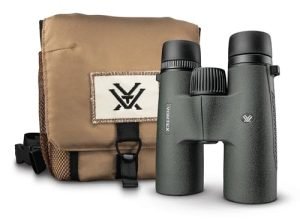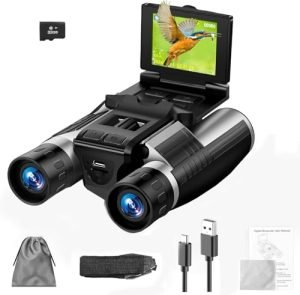
Have you ever wondered if binoculars can be safely and effectively mounted inside rescue vehicles? If you work in emergency services or are involved in rescue operations, this question might be more important than you think.
The right setup can make a huge difference when every second counts. You’ll discover how mounting binoculars can improve your response time, enhance safety, and keep your gear ready for action. Keep reading to find out what you need to know before adding binoculars to your rescue vehicle’s equipment.
Benefits Of Binoculars In Rescue Vehicles
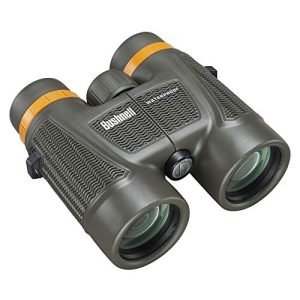
Binoculars are useful tools in rescue vehicles. They help rescue teams see far and clear during emergencies.
Mounting binoculars in rescue vehicles makes them easy to use quickly. This helps teams act faster and safer.
Enhanced Situational Awareness
Binoculars let rescuers see distant areas clearly. This improves their understanding of the scene.
Clear vision helps spot dangers early. Teams can avoid risks and plan better actions.
- Identify hazards from a safe distance
- Monitor changing situations quickly
- Spot victims or obstacles easily
Improved Search And Rescue Efficiency
Using binoculars speeds up the search for people in need. Rescuers can cover large areas fast.
Mounted binoculars allow hands-free use. This helps teams keep tools ready while searching.
- Locate missing persons quicker
- Scan large areas without moving
- Save time during rescue missions
Better Communication And Coordination
Binoculars help teams share clear information about the scene. This improves teamwork and decisions.
Mounted binoculars allow easy viewing by multiple team members. This supports quick updates and plans.
- Show exact locations of victims or hazards
- Help teams coordinate movements safely
- Improve clarity in radio or face-to-face talks
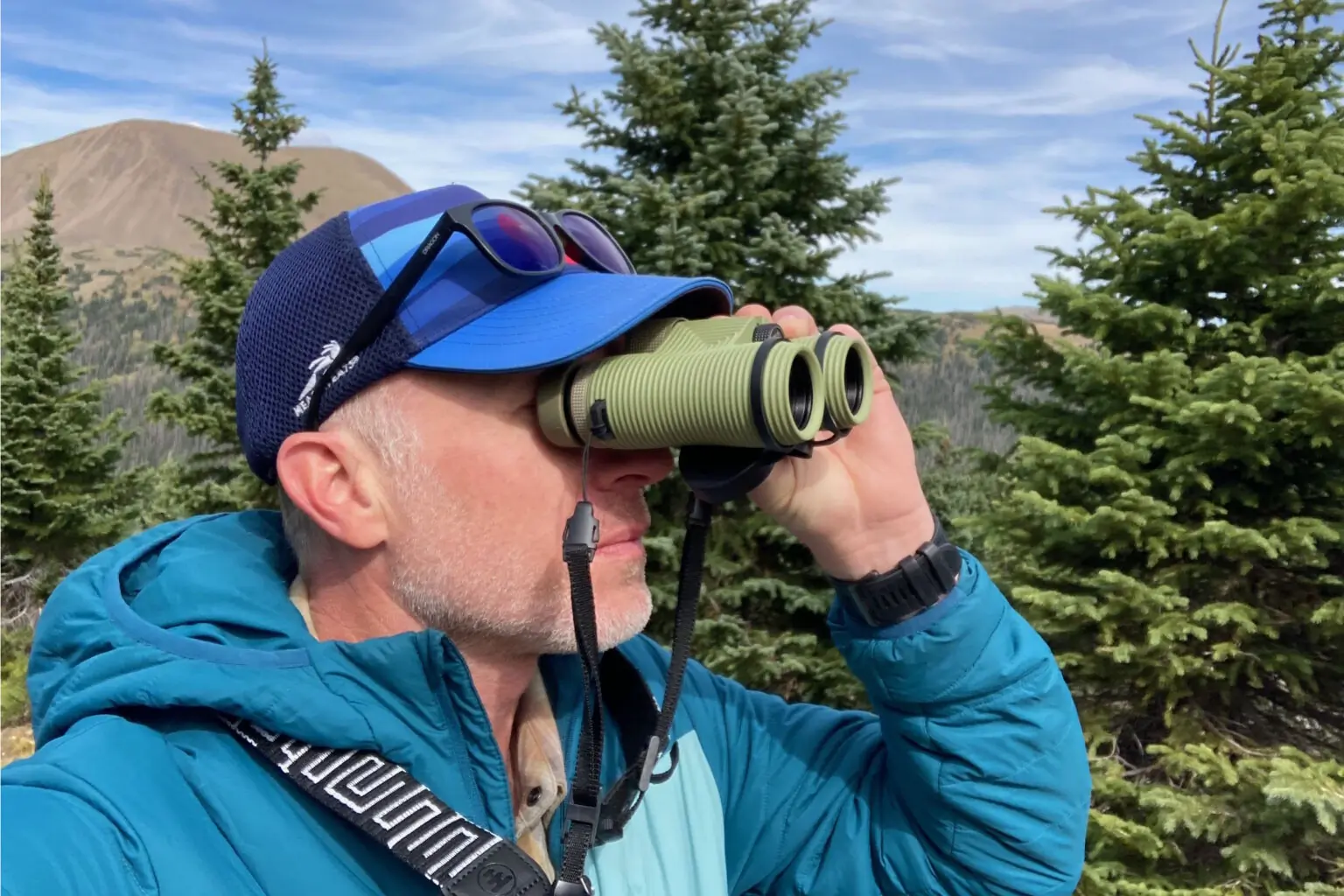
Credit: gearjunkie.com
Types Of Binoculars Suitable For Rescue
Binoculars help rescue teams see far and spot people or dangers. Choosing the right type is important for quick and safe action.
Different binoculars have features that fit rescue needs. Some work better in the day, others at night or in bad weather.
Compact Vs. Full-size Binoculars
Compact binoculars are small and easy to carry. They fit well in rescue vehicles and do not weigh much.
Full-size binoculars give clearer and brighter images. They work better at long distances but are heavier and bigger.
- Compact binoculars: light, portable, less zoom
- Full-size binoculars: heavier, stronger zoom, clearer view
- Choose based on how far and clear you need to see
Night Vision And Thermal Options
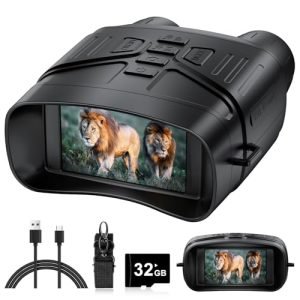
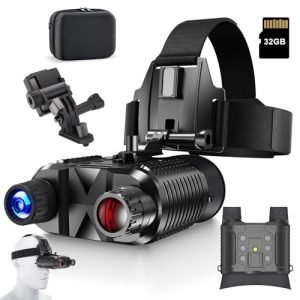
Night vision binoculars help see in the dark using special lenses. They are useful for night rescues.
Thermal binoculars detect heat from people or animals. They work well in smoke, fog, or thick brush.
- Night vision: shows images in low light
- Thermal: shows heat signatures, works in no light
- Both help find people when normal binoculars fail
Durability And Weather Resistance
Rescue binoculars must resist water, dust, and drops. They need to work in rain, snow, or mud.
Look for binoculars with rubber coating and sealed parts. These features protect them during tough rescue missions.
- Waterproof and fog proof for all weather
- Shockproof to handle rough use
- Strong outer shells protect lenses and mechanics
Mounting Options For Binoculars
Binoculars are useful tools in rescue vehicles. Mounting them properly keeps them safe and ready for quick use.
Different mounting options fit various needs. Choose a mount based on space, accessibility, and stability.
Fixed Mounts
Fixed mounts attach binoculars firmly to a spot inside the vehicle. They keep binoculars stable during travel and rough terrain.
These mounts are great for long trips where binoculars must stay in one place. They are often made of metal or strong plastic.
Adjustable And Quick-release Systems
Adjustable mounts allow changing the binocular position for comfort. Quick-release systems help remove binoculars fast in urgent moments.
- Swivel joints to change angles
- Locking clamps for security
- Easy detachment for fast use
- Compact design to save space
Portable Mount Solutions
Portable mounts offer flexibility to move binoculars between vehicles or locations. They use straps, clips, or suction cups for mounting.
| Mount Type | Advantages | Best Use |
| Strap Mount | Easy to attach and remove | Temporary setups |
| Clip Mount | Secure hold with quick access | Helmet or dashboard mounting |
| Suction Cup | Non-damaging, movable | Glass or smooth surfaces |
Installation Considerations
Binoculars can be very useful in rescue vehicles for spotting and assessing situations. Proper installation is important to make sure they work well and stay safe.
Several factors should be checked before mounting binoculars in rescue vehicles. These factors help rescue teams use binoculars quickly and safely.
Vehicle Space And Accessibility
Rescue vehicles have limited space. Binoculars must fit without blocking other equipment or movement. They should be easy to reach in emergencies.
Mount binoculars where they do not get in the way of drivers or other tools. Accessibility speeds up rescue work and saves time.
- Choose a spot near the crew seating area
- Avoid blocking windows or controls
- Use mounts that keep binoculars visible and ready
Safety And Stability During Transit
Vehicles move fast and often on rough roads. Binoculars must be secured to avoid falling or damage. Loose equipment can cause injuries.
Use strong mounts and straps designed for vehicle use. Check stability regularly to keep binoculars safe during transit.
- Secure mounts with shock-absorbing materials
- Test mount strength on bumpy rides
- Keep binoculars locked in place at all times
Ease Of Use For Rescue Personnel
Rescue workers need quick access to binoculars. Mount them where they can grab and use them fast. The setup should be simple and clear.
Choose mounts that allow easy removal and replacement. This helps when rescuers move quickly or work in tight spaces.
- Use mounts with quick-release systems
- Place binoculars at arm’s length
- Ensure mounts do not require tools to open
Challenges And Limitations
Mounting binoculars in rescue vehicles can seem useful for quick observation. Still, there are several challenges to consider before installation. These challenges affect performance and safety during emergency operations.
Understanding these limitations helps in deciding if binoculars should be part of vehicle equipment. The main areas to focus on are vibration and movement impact, maintenance, and cost versus benefit.
Vibration And Movement Impact
Rescue vehicles often move fast on rough roads. This causes strong vibrations and shaking. Such conditions can harm mounted binoculars.
- Vibrations may cause the binoculars to lose calibration.
- Movement can make it hard to keep binoculars steady for clear views.
- Repeated shocks may damage lenses or internal parts.
- Mounts need to absorb shocks without loosening or breaking.
Maintenance And Upkeep
Mounted binoculars require regular checks and cleaning. Dust, moisture, and dirt can build up quickly inside a rescue vehicle.
| Maintenance Task | Frequency | Reason |
| Cleaning lenses | Weekly | To maintain clear vision |
| Checking mounts | Monthly | To ensure secure attachment |
| Inspecting for damage | After every rough trip | To prevent failure during use |
Cost Vs. Benefit Analysis
Installing binoculars adds extra costs. The price includes purchase, mounting, and maintenance. Benefits must outweigh these costs.
Consider these points for cost-benefit analysis:
- Initial purchase price of rugged binoculars
- Cost of specialized mounts and installation
- Time and money spent on maintenance
- Potential improvement in rescue operation efficiency
- Risk of damage leading to replacement costs
Credit: www.khaleejtimes.com
Case Studies And Real-world Examples
Mounted binoculars in rescue vehicles have become a valuable tool for teams in the field. These devices help improve visibility and speed up decision-making. This section shares case studies and real-life examples to show their impact.
By exploring how rescue teams use mounted binoculars, we can understand the benefits and challenges. Lessons learned from actual operations provide useful insights for future missions.
Rescue Teams Using Mounted Binoculars
Several rescue teams have adopted mounted binoculars to enhance their search and rescue missions. These tools allow teams to scan large areas quickly without leaving the vehicle.
- The Mountain Rescue Service used binocular mounts to spot lost hikers faster on steep terrain.
- A coastal search team found missing boats by scanning wide sea areas from their vehicles.
- Urban rescue squads used mounted binoculars to identify safe entry points during building evacuations.
Lessons Learned From Field Operations
Field use of mounted binoculars revealed key points to improve their effectiveness. Teams shared their experiences to help others prepare better.
| Lesson | Detail |
| Mount Stability | Strong mounts reduce shaking, making images clearer during vehicle movement. |
| Operator Training | Proper training ensures quick adjustments and better use of binocular features. |
| Weather Impact | Binoculars need weather protection to perform well in rain or fog. |
| Vehicle Compatibility | Mounts must fit securely on different vehicle types without blocking other equipment. |
Future Trends In Rescue Vehicle Equipment
Rescue vehicles need new tools to help save lives. Binoculars are one item that may be mounted on these vehicles. This helps rescue teams see far places quickly.
Technology in rescue gear keeps changing. It makes work easier and faster for emergency workers. Let’s look at the future of binoculars in rescue vehicles.
Integration With Digital Systems
Binoculars in rescue vehicles can connect with digital tools. This allows live video feeds to show on screens inside the vehicle. Teams can share what they see instantly.
Digital integration also helps record images and videos. This data can be used for reports or training later. It makes rescue work more organized and clear.
- Live streaming to vehicle monitors
- Recording images for review
- Connecting with GPS for location tagging
- Sharing visuals with other teams remotely
Advances In Optical Technology
Binoculars are getting lighter and stronger. New lenses give clearer and sharper views. This helps rescuers see details from far away.
Night vision and thermal imaging are also improving. These features help in dark or smoky places. Rescuers can find people faster and safer.
- Lighter and compact designs
- Better lens clarity and zoom
- Improved night vision capabilities
- Thermal imaging to spot heat signatures
Credit: www.marinesuperstore.com
Frequently Asked Questions
Can Binoculars Improve Rescue Vehicle Operations?
Yes, binoculars enhance visibility and situational awareness during rescues. They help spot hazards and victims from a distance, improving response time.
Are Binocular Mounts Available For Rescue Vehicles?
Specialized mounts exist to securely attach binoculars inside rescue vehicles. These mounts keep binoculars accessible and stable during transit and emergencies.
What Features Should Rescue Vehicle Binoculars Have?
Rescue binoculars should be durable, lightweight, and offer clear, wide-angle vision. Waterproof and fog-resistant models are ideal for varying conditions.
Can Binoculars Be Used In Night Rescue Missions?
Yes, binoculars with night vision or low-light capabilities assist in nighttime rescues. They improve visibility in dark or low-visibility environments.
Conclusion
Mounting binoculars in rescue vehicles offers clear benefits. They enhance visibility. Rescue teams spot dangers quickly. Binoculars aid in navigation and coordination. Team members can communicate effectively. They make decisions faster. The setup is simple and cost-effective. Binoculars are durable and reliable tools.
Essential for rescue missions. They improve success rates. Consider equipping rescue vehicles with them. Safety and efficiency increase. A wise investment.