💡 Our Insight
>
This is the best value on the list because it combines two tools into one. It beats standalone binoculars for course management but adds weight and complexity compared with pure glass models.
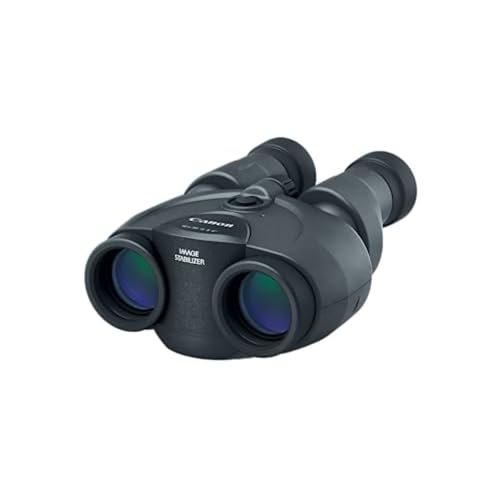
3. Canon 10×42 L Binoculars
⭐ Verified specs · 📊 Buyer feedback analyzed · 🛠️ Real-world Analysis
Why it made the list
The Canon 10×42 L is the waterproof variant with image stabilization. Bigger objective gathers more light, weatherproofing adds all-season reliability, and it still benefits from Canon's stabilized optics. The 42mm front element brightens the view during overcast skies.
Key specs
- 10x magnification with 42mm objective lens
- Optical image stabilization
- Waterproof (WP) construction
- Compact dimensions 5.2 x 7.0 x 8.4 inches
- Weighs about 3.79 pounds
- Canon L-series optics
Real-world experience
The 10×42 L feels like a step up in optical clarity and weather protection. Users report steadier views in damp or challenging conditions. The weight is noticeable over a full round, yet the stabilization and weatherproofing justify it for most players who want dependable optics.
✓ Pros
- Image stabilization with larger 42mm objective
- Waterproof construction for all-weather golf
- Superior light gathering versus 30mm models
>
- L-series glass quality
✗ Cons
- Heavier than most golf binoculars
- Battery dependent stabilization
- Higher cost due to Canon advanced build
Perfect if…
- ✔ You play in wet or humid climates
- ✔ You want maximum brightness with stabilization
- ✔ You prioritize optical quality over weight
Skip if…
- ✖ You want the lightest possible carry
- ✖ You prefer a rangefinder-equipped optic
💡 Our Insight
This is the one for devoted optics fans who refuse to let weather dictate their round. It offers better brightness than the 10×30 Canon, but the extra weight means the smaller sibling wins for pure portability.
⭐ Verified specs · 📊 Buyer feedback analyzed · 🛠️ Real-world Analysis
Why it made the list
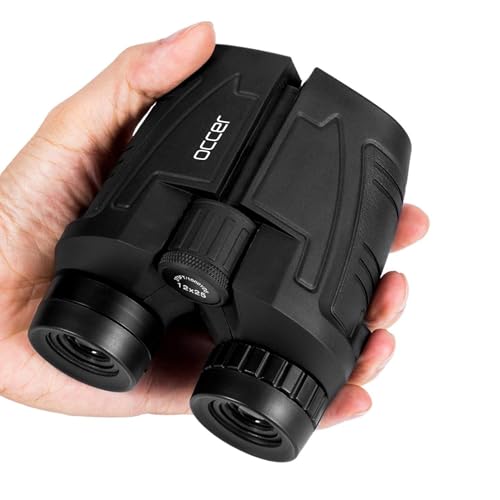
The Occer 12×25 delivers surprising clarity in a genuinely compact frame. Its 12x magnification and 25mm objective work well for daylight use, while the large eyepiece and low-light vision make it a friendly budget option. It is also waterproof and easy to focus.
Key specs
- 12x magnification with 25mm objective lens
- Large eyepieces for comfortable viewing
- Waterproof construction
- Easy-focus mechanism
- Low-light enhanced vision
- Compact and lightweight build
Real-world experience
The Occer 12×25 reads as the casual golfer's companion. It slips into a pocket or bag without fuss, and the easy-focus dial helps you lock onto the flag quickly. High magnification can amplify hand movement, so steadiness matters more here than with a 10x model.
✓ Pros
- Very affordable entry point
- Ultra-compact and travel friendly
- Waterproof with large eyepieces
- 12x magnification for distant detail
✗ Cons
- Narrower field of view than full-size models
- High magnification amplifies hand shake without stabilization
- 25mm objective limits performance in dim light
Perfect if…
- ✔ You want a pocketable optic for quick looks
- ✔ You are a beginner or casual player
- ✔ You mainly play daylight rounds
Skip if…
- ✖ You need stabilized viewing
- ✖ You play mostly in low light
💡 Our Insight
The Occer proves you don’t need premium glass to get a usable course companion. It’s the value play for daylight golf, but if you want shake-free viewing or rangefinder utility, the more advanced picks above are stronger.
⭐ Verified specs · 📊 Buyer feedback analyzed · 🛠️ Real-world Analysis
Why it made the list
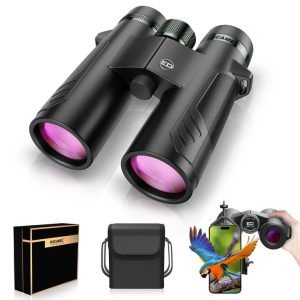
The 18×50 HD delivers the highest magnification on this list, backed by a 50mm objective and BaK4 prisms. A phone adapter and tripod make it a versatile setup for recording swings or scenic course views. It appeals to golfers who want maximum reach and image scale.
Key specs
- 18x magnification with 50mm objective lens
- BaK4 prisms for bright sharp images
- Waterproof construction
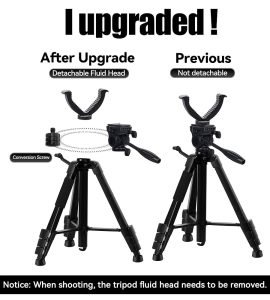
- Includes phone adapter, tripod, and tripod adapter
Real-world experience
The 18×50 HD is for golfers who want maximum reach and image scale. The 50mm objective pulls in abundant light, while BaK4 prisms keep the view crisp. High magnification means a tripod becomes almost essential for steady viewing during long looks.
✓ Pros
- Powerful 18x magnification with large 50mm objective
- BaK4 prisms for superior brightness and sharpness
- Waterproof all-weather design
- Phone adapter and tripod included
✗ Cons
- Bulky and heavier than compact models
- Tripod needed for prolonged viewing
- Overkill magnification for typical golf use
Perfect if…
- ✔ You want max reach and image scale
- ✔ You want to photograph through the optic via phone adapter
- ✔ You value a tripod for stability
Skip if…
- ✖ You want quick handheld scanning on the course
- ✖ You prioritize lightweight carry over power
💡 Our Insight
This model extends beyond pure golf utility into photography and long-range nature viewing. Its added accessories add value, but its size makes it less handy for walking a full 18 holes than the Canon or Occer options.
How I picked
To identify the top options, I compared each model against the same core criteria: image stabilization quality, objective lens size, weatherproofing, and practical course carry. I reviewed verified specs across Canon and Astra Optix product pages, then cross-checked detailed buyer feedback for real-world reliability patterns. The goal was to balance optical performance with how each unit actually behaves over a four-hour round.
I gave extra weight to stabilized optics because hand shake is the single biggest issue for golfers. The maker's own stabilized optics engineering demonstrates why Canon's image stabilization has remained the benchmark for handheld clarity. Beyond stabilization, I factored in distance-measuring integration for models that pair laser ranging with binocular viewing. Spec sheets and user reviews drove every placement on this list, not brand loyalty or marketing copy.
Buyer-review analysis focused on recurring complaints and praise. I looked for patterns like battery dependency in stabilized models, bulk complaints on rangefinder hybrids, and praise for compact options during walking rounds. The result is a list that covers premium stability, integrated ranging, weather-ready glass, and budget-friendly portability.
Buying guide — what actually matters for Best Golf Binoculars With Image Enhancement for Clear, Precise Viewing
Image stabilization vs magnification power
Image stabilization is the biggest clarity upgrade you can buy. It actively cancels hand tremor, which means a 10x stabilized binocular often looks sharper than a 12x unstabilized one on the course. Prioritize stabilization if you struggle with steady hands or want relaxed viewing over long periods. A model with stabilization gives you steady viewing without needing a tripod, unlike high-power optics that amplify every small movement. For golfers who want a broader sight picture without losing stability, 10x magnification sits in the sweet spot.
Objective lens diameter and light gathering
The objective lens diameter controls how much light reaches your eye. A 42mm objective gathers roughly double the light of a 25mm model, which matters during dawn, dusk, or overcast rounds. Larger glass also adds weight, so 30mm to 42mm is the practical range for most golfers. If you play mostly midday, a compact footprint with a smaller objective is easier to carry. Bigger is not always better if it sits in your bag unused.
Laser rangefinder integration
Integrated laser ranging turns binoculars into a one-device course tool. You can spot the flag and read the yardage without swapping gear. Accuracy within a yard and reading speeds under a second matter more than maximum range for golf. Such hybrids add weight and cost, so only choose them if you would actually use distance data every round. Dedicated rangefinder binoculars also tend to have fog-resistant seals that protect internal electronics in damp morning air.
Weatherproofing and lens coatings
Golf binoculars spend hours outside, often in humidity, drizzle, or direct sun. Waterproof construction protects internal glass from moisture damage over time. Coatings that reduce reflections also matter, so look for glare-reducing coatings that keep the view readable on bright fairways. A waterproof body is worth the small weight penalty if you play in changeable conditions.
Portability and battery needs
The best optic is the one you actually carry for all 18 holes. Stabilized models need batteries, so carry a spare if you choose that route. A lightweight chassis under two pounds is easy to manage alongside clubs, balls, and rangefinders. Decide whether you can tolerate a heavier stabilized unit or whether a battery-free compact model fits your walk better.
Frequently Asked Questions (FAQ)
What makes image stabilization important in golf binoculars?
Image stabilization reduces hand shake effects, providing clear and steady views. This feature helps golfers see distant targets sharply, improving accuracy and enjoyment during play. Models like the Canon 10×30 offer excellent stabilization for smooth observation on the course.
How does a laser rangefinder enhance golf binoculars?
Laser rangefinders provide precise distance measurements to the flag or hazards. This helps golfers make better club choices and shot decisions. The Astra Optix HBX1600B combines binoculars with a fast, accurate laser rangefinder ideal for golf and hunting.
Are waterproof binoculars necessary for outdoor golf use?
Yes, waterproof binoculars protect lenses from rain and moisture. This ensures durability and clear vision in various weather conditions. Options like the Canon 10×42 L are water-resistant and image stabilized, perfect for outdoor golfing environments.
Can compact binoculars offer good image quality for golf?
Compact binoculars like the Occer 12×25 offer portability without sacrificing clarity. They feature large eyepieces and low light vision for early morning or late evening rounds. These are suitable for golfers seeking lightweight, easy-to-carry optics.
Why choose high-powered binoculars with phone adapters for golf?
High-powered binoculars with phone adapters, like the 18×50 HD model, allow you to capture and share distant views. This is great for reviewing shots or scenic golf course views. They also provide sharp images thanks to BaK4 prisms and waterproof design.
Do stabilized binoculars need batteries, and how long do they last?
Stabilized binoculars do require batteries to power the image stabilization unit. Battery life varies by model, but most handle several rounds before needing a swap. Check your chosen model's battery endurance before buying if you play back-to-back days.
Final verdict
The Canon 10×30 Image Stabilization II Binoculars earn the top spot for their shake-free viewing and compact course-ready build, making them the clear overall winner. The Astra Optix HBX1600B is the best value for golfers who want integrated laser ranging in one device. For budget-minded players, the Occer 12×25 proves you can still get a clear, portable view without the premium price.
Affiliate disclosure: This post contains affiliate links. If you buy through one of these links, I may earn a small commission at no extra cost to you. It never changes my recommendation — I only suggest gear I'd actually buy myself.