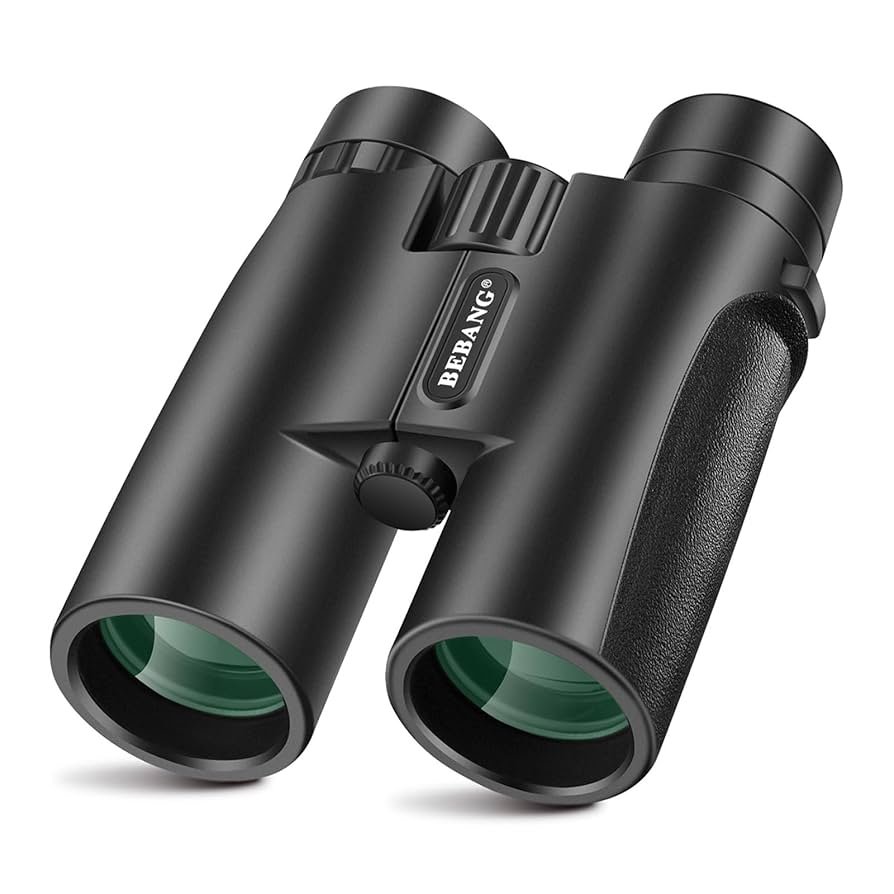
When you’re out exploring nature, having the right gear can make all the difference. You want to get a clear view of wildlife without worrying about your binoculars getting damaged by rain, fog, or accidental splashes.
So, are wildlife binoculars waterproof? This question matters because your experience depends on how well your binoculars hold up in wet conditions. Keep reading, and you’ll discover what makes binoculars waterproof, why it’s important for your outdoor adventures, and how to choose the best pair that won’t let you down when the weather turns.

Credit: www.amazon.ca
Features Of Wildlife Binoculars
Magnificationis key for wildlife binoculars. It shows how close animals appear. A common range is 8x to 10x, which balances zoom and steady view. Lens quality affects brightness and clarity. High-quality lenses let more light in, helping in low light. Coatings on lenses reduce glare and improve color.
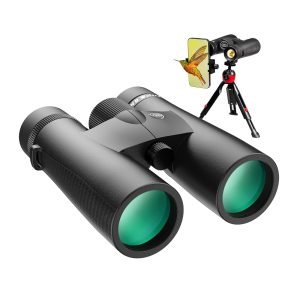
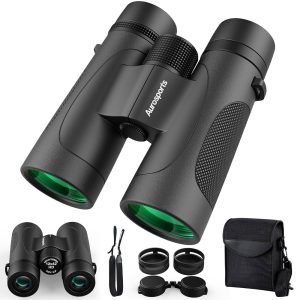
Durability matters outdoors. Binoculars often have rubber armorfor shock protection. Many are waterproofand fog-proof, sealed with O-rings. This keeps moisture and dust out. Strong construction helps binoculars last through rough use and bad weather.

Credit: explore.omsystem.com
Waterproof Vs. Water-resistant Binoculars
Waterproof binocularscan be fully submerged in water without damage. Water-resistant binocularsonly resist water splashes and light rain. The main difference lies in the level of protection. Waterproof models have sealed O-rings and nitrogen or argon gas inside to stop fogging. Water-resistant types lack these features, so they can get damaged if wet for too long.
Waterproof binoculars are great for outdoor use. They work well in rainy or wet conditions. They keep clear views even if they get wet. Water-resistant binoculars are better for mild weather but not for heavy rain or water immersion.
| Feature | Waterproof | Water-Resistant |
|---|---|---|
| Water Protection | Can be submerged | Resists splashes only |
| Fog Prevention | Sealed and gas-filled | No special sealing |
| Use in Rain | Safe in heavy rain | Safe in light rain |
| Durability | More durable outdoors | Less durable in wet |
- Protects lenses from water damage
- Prevents fogging inside the lenses
- Works well in all weather
- Lasts longer with rough use
- Better for boating, hiking, and bird watching
Testing Waterproof Capabilities
To test if wildlife binoculars are waterproof, they are often placed in water tanks. The binoculars stay submerged for a set time to check for leaks. Inspectors also look inside for fog or moisture after the test. Another way is spraying water at different angles to mimic rain. Then, the binoculars are dried and checked again for any damage.
| Standard | Rating | Meaning |
|---|---|---|
| IPX7 | Waterproof | Can be submerged in water up to 1 meter for 30 minutes |
| IPX6 | Water Resistant | Protected against powerful water jets |
| Fog Proof | N/A | Filled with nitrogen or argon gas to stop fogging |
Top Brands Offering Waterproof Binoculars
Many top brands offer wildlife binoculars that are fully waterproof and fog-proof. These models ensure clear views in rain or damp conditions. Durable and reliable, they suit outdoor wildlife watchers well.
Popular Choices
- Nikonbinoculars are well-known for their clear view and water resistance.
- Bushnelloffers many models with strong waterproof features and good grip.
- Vortexbinoculars provide excellent durability and fog-proof technology.
- Leicamakes high-quality waterproof binoculars with sharp images.
Comparative Analysis
| Brand | Waterproof Rating | Weight | Price Range |
|---|---|---|---|
| Nikon | IPX7 | 650g | $$ |
| Bushnell | IPX6 | 700g | $ |
| Vortex | IPX7 | 680g | $$$ |
| Leica | IPX8 | 600g | $$$$ |
Maintenance Tips For Waterproof Binoculars
Wildlife binoculars often come with waterproof features to protect them from rain and moisture. Regularly clean and dry them after use to keep lenses clear and prevent damage. Store binoculars in a dry place to maintain their waterproof seals and ensure long-lasting performance.
Cleaning And Care
Use a soft cloth to wipe lenses gently. Avoid using rough materials that can scratch. Clean dirt and dust with a small brush or air blower. Use lens cleaner made for optics. Never touch lenses with fingers. Dry binoculars well after exposure to water. Avoid harsh chemicals or soaps. Check seals and joints for damage often. Repair any cracks to keep water out.
Storage Recommendations
- Store binoculars in a dry, cool place.
- Keep them in a padded case to avoid bumps.
- Avoid leaving binoculars in direct sunlight for long.
- Remove batteries if not used for months.
- Check and clean before storing for long periods.
Choosing The Right Binoculars For Outdoor Use
Choosing the right binoculars for outdoor use means thinking about durabilityand weather resistance. Waterproof binoculars protect lenses from rain, fog, and moisture. This feature is very important for wildlife watching in wet conditions.
Other factors include weightfor easy carrying, lens sizefor clear views, and field of viewto spot animals faster. Look for binoculars with rubber coatingto prevent slipping and damage.
Reading user reviews helps. Users often share real experiences about waterproof performanceand lens clarity. Feedback shows if binoculars work well in rain or humid places. Pay attention to comments about foggingor water leaks.
- Durability and waterproof rating
- Comfort and weight
- Lens size and clarity
- Field of view width
- User reviews on weather resistance

Credit: www.amazon.com
Frequently Asked Questions
Are All Wildlife Binoculars Waterproof?
Not all wildlife binoculars are waterproof. Check product specifications to confirm if they have waterproof seals and nitrogen purging for fog resistance.
How Does Waterproofing Benefit Wildlife Binoculars?
Waterproofing protects binoculars from rain, humidity, and accidental water exposure, ensuring clear vision and durability in outdoor conditions.
Can Waterproof Binoculars Be Submerged In Water?
Most waterproof binoculars withstand brief submersion, but depth limits vary. Always verify manufacturer guidelines for specific waterproof ratings and care instructions.
Do Waterproof Binoculars Fog Up Less?
Yes, waterproof binoculars with nitrogen or argon gas filling reduce internal fogging, maintaining clear views during temperature changes and humid environments.
Conclusion
Wildlife binoculars often come with waterproof features. This helps protect them from rain, fog, and splashes. Waterproof binoculars last longer and work better outdoors. They let you enjoy nature without worry. Not all models are fully waterproof, so check before buying.
Choose binoculars that fit your needs and budget. Stay prepared for wet conditions during your wildlife adventures. Quality waterproof binoculars enhance your outdoor experience.