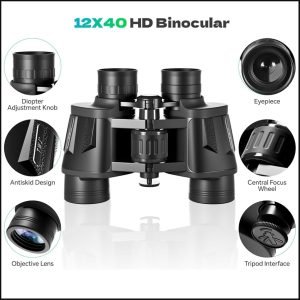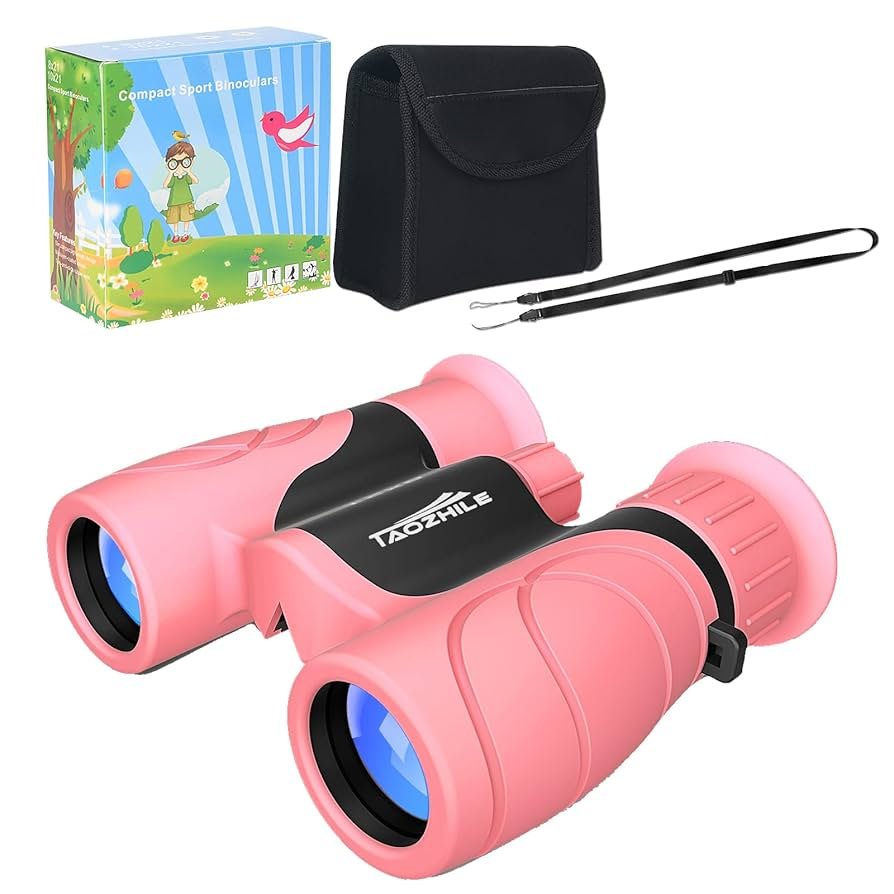
Have you ever wondered if toy binoculars can actually help your child learn? You might think they’re just simple playthings, but there’s more to them than meets the eye.
Imagine your little one exploring the world around them with curiosity and focus, all while having fun. You’ll discover how toy binoculars can boost your child’s observation skills, spark their imagination, and even support early science learning. Keep reading to find out why these small gadgets could make a big difference in your child’s development.

Credit: www.amazon.ca
Benefits Of Toy Binoculars
Toy binoculars help kids learn by making seeing fun. They are simple tools that improve many skills.
Children use toy binoculars to explore and understand the world around them. This helps their brain grow.
Enhancing Observation Skills
Using toy binoculars teaches kids to watch closely. They learn to notice small details far away.
This skill helps children pay attention and remember what they see. It builds focus and patience.
Encouraging Outdoor Exploration
Toy binoculars make going outside more exciting. Kids want to find birds, insects, or distant objects.
Playing outdoors helps children stay active and healthy. It also grows their love for nature.
- Find animals in the park
- Look at trees and plants
- Spot clouds and stars in the sky
Developing Hand-eye Coordination
Holding and adjusting binoculars trains hand-eye coordination. Kids learn to control their hands better.
This skill helps in many activities like writing, sports, and crafts. Toy binoculars make practice fun.
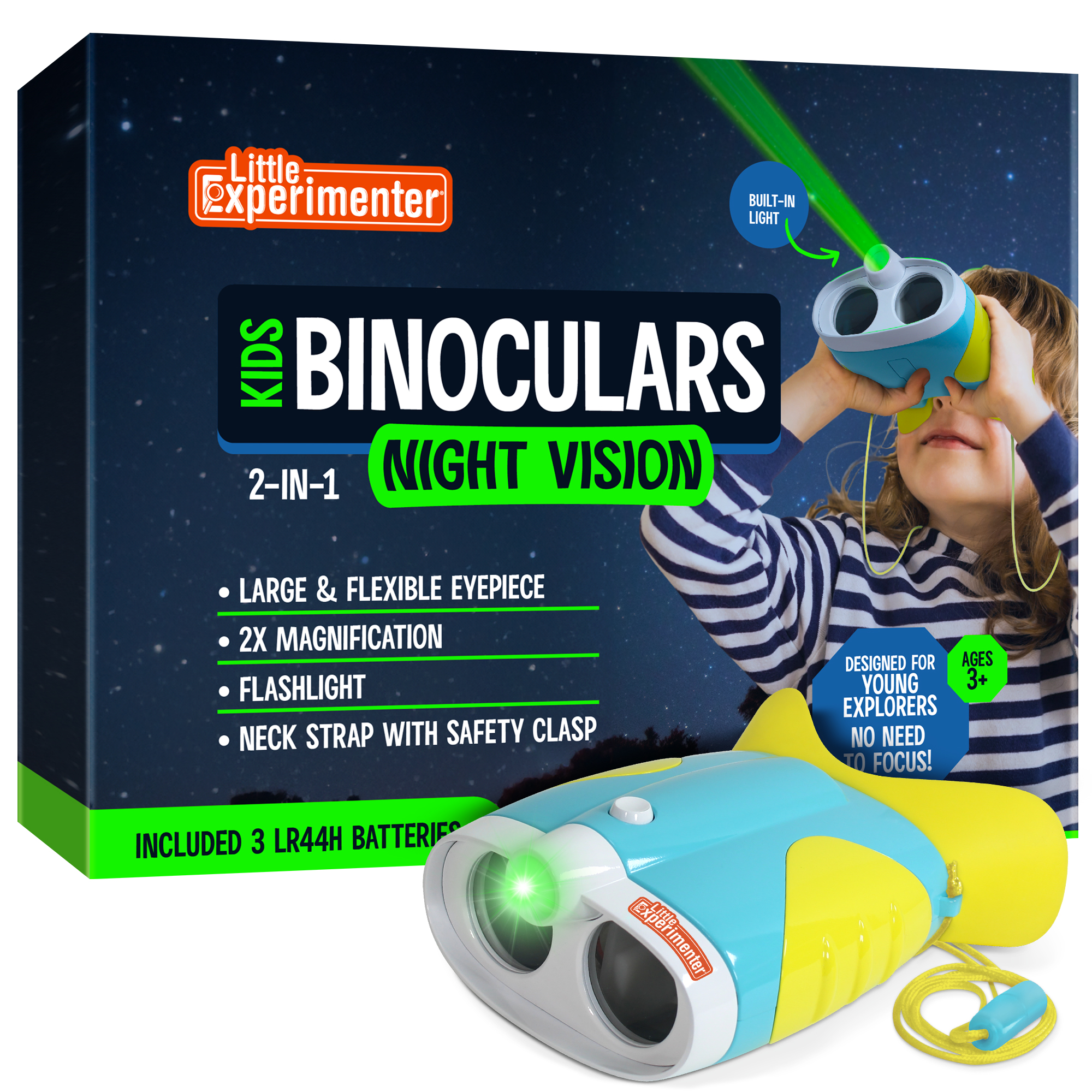
Credit: www.walmart.com
Limitations To Consider
Toy binoculars can be fun for kids to explore the world. They have some limits that affect learning.
Knowing these limits helps parents and teachers choose the right tool for children.
Durability And Build Quality
Toy binoculars are usually made with plastic parts. They can break easily if dropped.
Low build quality means lenses might get loose or fall out. This affects how long they last.
- Plastic body parts may crack or snap
- Lens covers might be missing or flimsy
- Small parts can detach and get lost
Optical Clarity And Magnification
Toy binoculars often have simple lenses. The image seen through them can be blurry or distorted.
Magnification is usually low and fixed. Kids cannot zoom in or adjust focus well.
- Blurry images reduce learning about details
- Low magnification limits viewing distance
- No focus adjustment can cause eye strain
Age Appropriateness
Toy binoculars suit young children but not older kids. They match simple play, not serious learning.
Small parts can be a choking hazard for toddlers. Some designs may be too simple for older children.
- Best for kids aged 3 to 7 years
- Not safe for children under 3 years
- Older kids may need better optics
Choosing The Right Toy Binoculars
Toy binoculars can help kids learn about nature and develop focus. Picking the right pair is important for a good experience.
Look for features, safety, and cost before buying. These points guide you to a smart choice.
Features To Look For
Good toy binoculars should be easy to hold and use. Clear lenses and adjustable focus help kids see better.
- Lightweight design for small hands
- Durable materials that resist drops
- Adjustable focus for clear images
- Wide field of view to see more
- Comfortable eyepieces for long use
Safety Considerations
Safety is key when choosing toy binoculars. Avoid sharp edges and toxic materials. Make sure parts do not come loose easily.
| Safety Feature | Why It Matters |
| Rounded edges | Prevents cuts and scratches |
| Non-toxic paint | Safe if touched or mouthed |
| Secure straps | Keeps binoculars from falling |
| Shatterproof lenses | Reduces risk of eye injury |
Budget-friendly Options
You do not need to spend a lot for good toy binoculars. Many affordable models work well for beginners.
Here are tips for finding budget-friendly binoculars:
- Look for simple designs with fewer features
- Check online reviews for value and quality
- Buy from trusted brands offering warranties
- Consider second-hand or gift options

Credit: www.amazon.ca
Integrating Toy Binoculars Into Learning
Toy binoculars can help children explore the world around them. They support learning by making outdoor activities more fun.
Using these tools encourages kids to observe nature and develop new skills. Teachers and parents can use them in many ways.
Creative Learning Activities
Children enjoy using toy binoculars in different creative activities. These activities improve focus and observation skills.
- Bird watching in the backyard or park
- Identifying shapes and colors of distant objects
- Nature scavenger hunts with binoculars
- Storytelling based on things seen through binoculars
Encouraging Curiosity And Discovery
Toy binoculars spark curiosity in children by letting them explore faraway things. They ask questions and learn answers through observation.
| Benefit | Description |
| Focus Improvement | Helps children pay attention to small details |
| Interest in Nature | Encourages learning about animals and plants |
| Problem Solving | Children figure out what they see and how it fits |
| Confidence | Using binoculars makes kids feel capable and smart |
Using Binoculars In Group Settings
Groups of children can share toy binoculars during activities. This helps them learn teamwork and communication.
- Take turns spotting objects and sharing findings
- Discuss what each child sees through the binoculars
- Work together on nature walks or outdoor lessons
- Create group projects based on observations
Comparing Toy Binoculars With Real Binoculars
Toy binoculars and real binoculars both let kids explore the world. They have some important differences. These affect how children learn and use them.
This comparison helps decide if toy binoculars are good for learning or if real binoculars are better.
Cost And Accessibility
Toy binoculars are cheaper and easy to find. They fit small hands and are safe for young kids.
Real binoculars cost more and need care. They can be hard to handle for beginners but offer better views.
- Toy binoculars: low price, easy to buy, kid-friendly
- Real binoculars: higher price, need careful use, better quality
Learning Outcomes
Toy binoculars help kids learn basic skills like focusing and hand-eye coordination. They encourage curiosity and outdoor play.
Real binoculars show clear, distant views. They teach more about nature and science. Kids learn to adjust lenses and understand magnification.
- Toy binoculars: simple use, build early skills, boost interest
- Real binoculars: advanced learning, better detail, technical skills
Long-term Use
Toy binoculars may break faster and lose interest as kids grow. They suit short-term fun and early exploration.
Real binoculars last long with care. They grow with the child and support deeper learning over years.
- Toy binoculars: short lifespan, good for young kids
- Real binoculars: durable, good for ongoing learning
Frequently Asked Questions
Are Toy Binoculars Effective For Early Learning?
Toy binoculars help develop observation and focus skills. They encourage curiosity about nature and improve hand-eye coordination in young children.
Can Toy Binoculars Improve A Child’s Attention Span?
Yes, toy binoculars engage kids in exploring details. This focused activity can enhance their attention and concentration over time.
What Age Is Suitable For Toy Binoculars?
Toy binoculars are ideal for children aged 3 and up. They are designed to be safe and easy for little hands to use.
Do Toy Binoculars Promote Outdoor Learning?
Absolutely, toy binoculars encourage outdoor exploration. They make learning about nature fun and interactive, fostering a love for the environment.
Conclusion
Toy binoculars can help children explore and learn about their world. They encourage curiosity and improve focus. Kids develop basic observation skills while having fun. These binoculars offer a simple way to introduce science and nature. They also support hand-eye coordination and concentration.
While not as powerful as real ones, they suit young learners well. Parents and teachers can use them for early education. Overall, toy binoculars provide a playful start to learning. A good tool for young minds to grow.