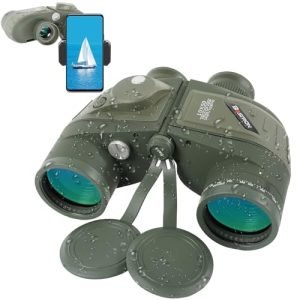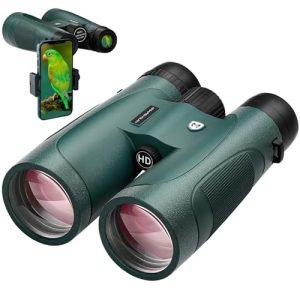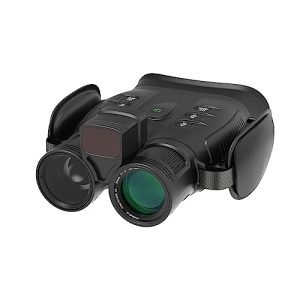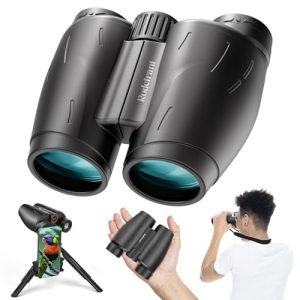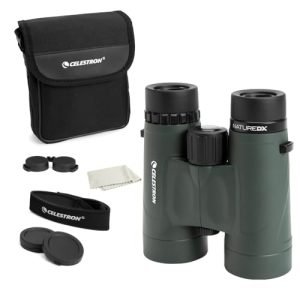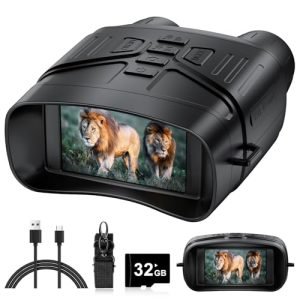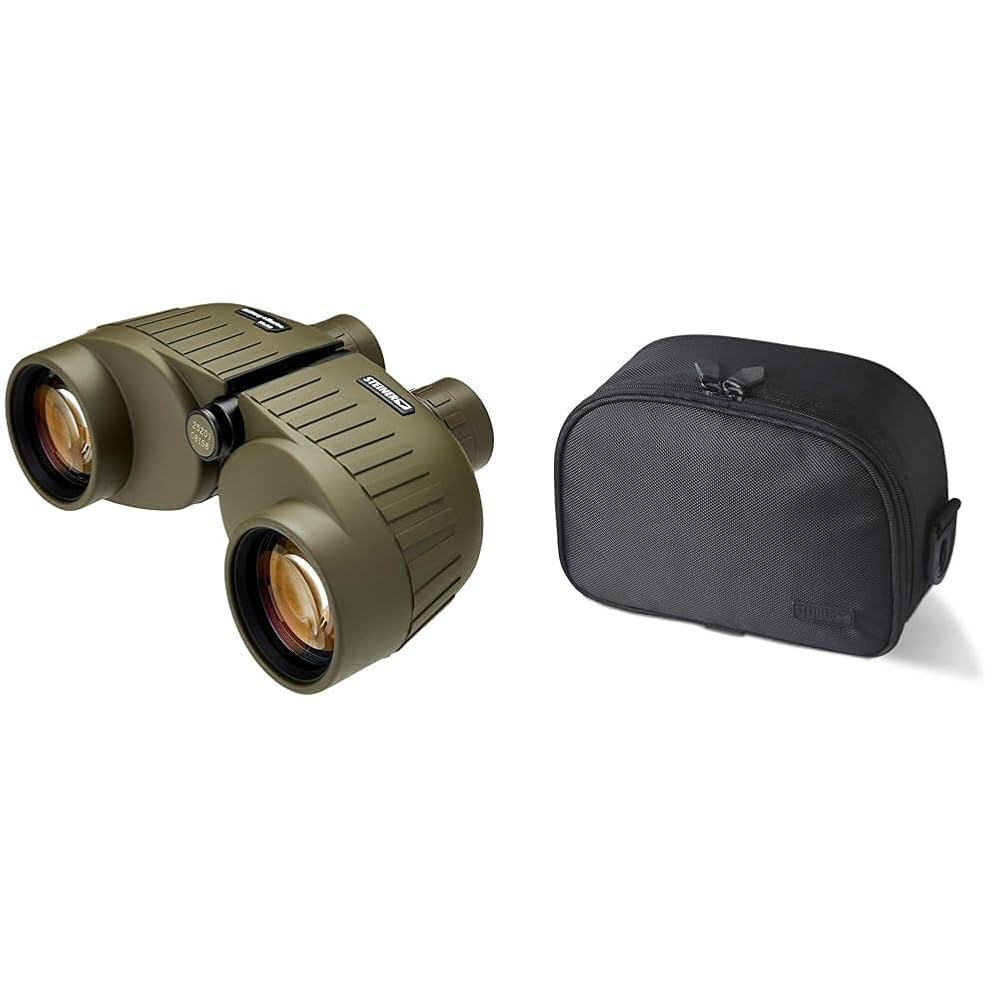
When you’re choosing tactical binoculars, one question probably crosses your mind: Are they anti-reflective? You want clear, sharp views without glare giving away your position or ruining your sight.
Understanding how anti-reflective coatings work can make a big difference in your experience. You’ll discover what makes tactical binoculars special, why anti-reflective features matter, and how to pick the best pair for your needs. Keep reading to unlock the secrets behind crystal-clear vision and stay ahead in any situation.
Tactical Binoculars Basics
Tactical binoculars are designed for tough outdoor use. They help users see distant objects clearly in different conditions.
One important feature is the coating on the lenses. This affects brightness and glare.
Key Features
Tactical binoculars often have anti-reflective coatings on their lenses. These coatings reduce light reflection and improve image clarity.
- Anti-reflective coating lowers glare from sunlight or artificial light
- Coatings increase light transmission for clearer views in low light
- Many tactical binoculars use multi-layer coatings for better performance
- Durable, waterproof, and fog-proof designs support outdoor use
Common Uses
Tactical binoculars suit many activities that need strong vision and stealth. They help users stay unnoticed and focused.
| Use | Benefit of Anti-Reflective Coating |
| Military and Law Enforcement | Reduces lens shine to avoid detection |
| Hunting | Improves spotting animals without glare |
| Bird Watching | Enhances image clarity in natural light |
| Outdoor Sports | Provides clear views in bright or low light |

Credit: www.ebay.com
Role Of Anti-reflective Coatings
Anti-reflective coatings are common on tactical binoculars. They improve vision by reducing light reflection on the lenses.
These coatings help users see clearer images, especially in low light or bright conditions.
How Coatings Work
Anti-reflective coatings work by allowing more light to pass through the lenses. They reduce glare and reflection from surfaces.
- Coatings use thin layers of material on the lens.
- These layers cancel out reflected light waves.
- This process lets more light enter the binoculars.
- The result is a brighter and sharper image.
Benefits In Optics
Using anti-reflective coatings gives several advantages in tactical binoculars. They help in different situations and improve user experience.
| Benefit | Description |
|---|---|
| Improved Light Transmission | More light reaches your eyes, making images brighter. |
| Reduced Glare | Less reflection means clearer views without distractions. |
| Better Contrast | Colors and details stand out more with coatings. |
| Night Use | Enhanced vision in low-light or night conditions. |
| Stealth | Less reflection helps avoid detection in tactical situations. |
Anti-reflective Properties In Tactical Binoculars
Tactical binoculars often have special coatings to reduce glare. These coatings help users see clearer images.
Anti-reflective coatings lower the light reflection on lenses. This makes viewing easier in bright conditions.
Standard Coating Types
There are several common coatings on tactical binocular lenses. These include single, multi, and fully multi-coated lenses.
Single-coated lenses have one layer to reduce reflection. Multi-coated lenses have several layers on some surfaces. Fully multi-coated lenses have multiple layers on all air-to-glass surfaces.
- Single Coating: One anti-reflective layer.
- Multi-Coating: Multiple layers on some lens surfaces.
- Fully Multi-Coated: Multiple layers on all lens surfaces.
Impact On Visibility
Anti-reflective coatings improve light transmission. This helps you see brighter and clearer images through the binoculars.
Coatings also reduce glare from the sun or artificial lights. This lowers eye strain and improves focus on your target.
- Better light transmission means clearer images.
- Less glare helps in bright environments.
- Improved contrast for easier target spotting.
- Reduced eye fatigue during long use.
Choosing Binoculars With Effective Coatings
Binocular coatings improve image quality and protect lenses. They reduce glare and increase light transmission.
Effective coatings help users see clearer and sharper images. Choosing binoculars with the right coatings is important.
Factors To Consider
Look for binoculars with multi-coated or fully multi-coated lenses. These coatings reduce reflections on lens surfaces.
- Anti-reflective coatings lower glare and improve brightness.
- Waterproof and fog-proof features add durability.
- Lens material affects the coating quality and image clarity.
- Check if the coatings cover all lens surfaces or only some.
- Consider binoculars with phase-corrected prisms for better contrast.
Top Brands And Models
| Brand | Model | Coating Type | Special Features |
| Vortex | Diamondback | Fully Multi-Coated | Anti-reflective, Waterproof |
| Nikon | Monarch 5 | Multi-Coated | Phase-corrected Prism, Fog-proof |
| Leupold | BX-1 | Fully Multi-Coated | Waterproof, Anti-fog |
| Bushnell | Legend Ultra HD | Fully Multi-Coated | ED Glass, Anti-reflective |
Maintenance Tips For Coated Lenses
Tactical binoculars often have anti-reflective coatings on their lenses. These coatings reduce glare and improve image clarity. Proper care helps keep these coatings effective for a long time.
Cleaning and handling coated lenses with care prevents scratches and damage. Follow simple tips to maintain your binoculars’ performance.
Cleaning Techniques
Use a soft brush or air blower to remove dust from the lenses. Avoid wiping dust directly as it can scratch the coating.
Clean lenses with a microfiber cloth. Use gentle circular motions to avoid damage. If needed, use lens cleaning solution made for coated optics.
- Remove loose dust with a soft brush or air blower
- Use a microfiber cloth for wiping lenses
- Apply lens cleaner designed for coated lenses only
- Never use paper towels or rough fabrics
Avoiding Damage
Store your binoculars in a protective case when not in use. This prevents dust buildup and accidental scratches.
Avoid touching the lenses with fingers. Oils from skin can harm the anti-reflective coating over time.
- Keep binoculars in a padded case after use
- Do not touch lenses directly with your fingers
- Avoid exposing lenses to extreme heat or cold
- Handle binoculars carefully to prevent drops

Credit: www.walmart.com

Credit: www.ebay.com
Frequently Asked Questions
Are Tactical Binoculars Equipped With Anti-reflective Coatings?
Most tactical binoculars feature anti-reflective coatings on their lenses. These coatings reduce glare and improve light transmission. This enhances image clarity and brightness, especially in low-light conditions. Anti-reflective coatings also help to minimize reflections that might reveal your position outdoors.
How Do Anti-reflective Coatings Benefit Tactical Binoculars?
Anti-reflective coatings enhance visual clarity by reducing lens reflections. This improves contrast and sharpness, making it easier to spot distant objects. The coatings also increase light transmission, which is vital for tactical use during dawn or dusk. Additionally, they reduce eye strain during prolonged use.
Can Anti-reflective Coatings Protect Binocular Lenses?
Yes, anti-reflective coatings can protect lenses from scratches and dust. They add a durable layer that resists minor abrasions. Coatings also repel water and oil, keeping lenses cleaner longer. This protection ensures better performance and extends the binoculars’ lifespan.
Are All Tactical Binoculars Anti-reflective By Default?
Not all tactical binoculars come with anti-reflective coatings by default. Entry-level models may lack advanced coatings. High-quality tactical binoculars typically include multi-layer anti-reflective treatments. Always check product specifications to confirm the presence of these coatings before purchase.
Conclusion
Tactical binoculars often have anti-reflective coatings. These coatings reduce glare. They improve visibility in bright conditions. Hunters, birdwatchers, and outdoor enthusiasts benefit greatly. Clearer images mean better decisions. Anti-reflective features enhance viewing experiences. They are a valuable addition to binoculars.
Users can enjoy clearer, sharper views. This feature aids in various lighting conditions. Investing in quality binoculars is worthwhile. Always check for anti-reflective features before buying. Better visibility can make a big difference. Enhanced optics lead to more successful outings.
Stay informed. Choose wisely for your needs. Enjoy clearer adventures with the right gear.