Have you ever wondered if your roof prism binoculars can handle the harsh conditions of the desert? Whether you’re an avid birdwatcher, a wildlife enthusiast, or just someone who loves exploring arid landscapes, knowing how your gear performs is key.
Desert climates bring intense heat, dust, and dryness that can challenge even the best equipment. You’ll discover what makes roof prism binoculars a good—or bad—choice for desert use. By the end, you’ll know exactly how to protect your binoculars and get the clearest views, no matter how tough the environment.
Keep reading to find out if your binoculars are truly desert-ready.

Credit: www.amazon.com
Roof Prism Binoculars Basics
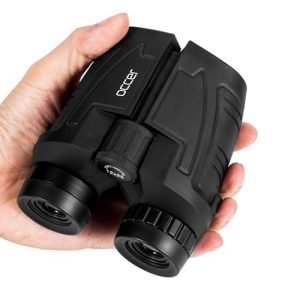
Roof prism binoculars have a straight and compact design. They use prisms aligned in a straight line to reflect light.
This design makes them easier to carry and hold. Many people like roof prism binoculars for outdoor use.
Design And Construction
Roof prism binoculars have two prisms stacked in a straight line. This shape makes the binoculars slim and easy to handle.
The body is usually sealed and sometimes filled with gas. This helps stop dust, water, and fog from getting inside.
- Compact and lightweight design
- Sealed for protection against dust and moisture
- Durable materials for tough use
- Often nitrogen or argon gas filled to prevent fogging
Optical Performance
Roof prism binoculars give sharp and clear images. Their prisms help keep the image straight and bright.
They often have coatings on lenses to reduce glare. These coatings improve light transmission and color quality.
- Clear and sharp images
- Good light transmission for bright views
- Lens coatings reduce glare and improve colors
- Some models offer waterproof and fog-proof features

Credit: www.amazon.com
Challenges In Desert Environments
Desert climates present many challenges for using roof prism binoculars. These environments have extreme conditions that can affect the binoculars’ performance and durability.
Understanding these challenges helps in choosing the right binoculars for desert use. It also guides in proper care and maintenance.
Heat And Temperature Fluctuations
Deserts often have very high daytime temperatures and cold nights. This wide temperature range can cause parts inside roof prism binoculars to expand and contract.
Extreme heat may also affect the lenses and coatings. Over time, this can reduce image clarity and damage the binoculars.
Dust And Sand Exposure
Dust and sand are common in deserts and can easily get into binoculars. Small particles can scratch lenses and damage internal parts.
Wind often carries sand, which adds to the risk of abrasion and mechanical problems. Keeping binoculars clean is important in these conditions.
- Sand can scratch lenses and prisms
- Dust can block moving parts
- Frequent cleaning is needed
Humidity And Moisture
Deserts are usually dry, but some have sudden humidity changes or rare rain. Moisture can enter binoculars and cause fogging inside the lenses.
Water inside binoculars can lead to mold growth and rust. Roof prism binoculars need good sealing to protect against moisture damage.
Durability Of Roof Prism Binoculars
Roof prism binoculars are popular for their compact design. Durability is key for using them in desert climates. The harsh sun and sand can damage weak binoculars.
Strong materials and special features help these binoculars last longer. They protect against heat, dust, and moisture found in deserts.
Waterproof And Fogproof Features
Waterproof binoculars keep water out during sudden desert storms. Fogproof models stop internal fog from forming when temperatures change fast.
These features use sealed bodies and gas fills like nitrogen or argon. This stops moisture and dust from entering the binoculars.
- Sealed O-rings prevent water and dust entry
- Nitrogen or argon gas stops internal fog
- Protects lenses during sudden weather changes
Protective Coatings And Materials
Roof prism binoculars use tough coatings to resist scratches and glare. Special lens coatings improve light clarity and reduce damage from sun rays.
Body materials like rubber or armored plastic add shock resistance. These protect binoculars from drops and sand abrasion common in deserts.
- Multi-coated lenses improve brightness and reduce glare
- Rubber armor protects against bumps and drops
- Durable plastic bodies resist sand and dust wear

Credit: www.amazon.com
Performance In Harsh Conditions
Roof prism binoculars are popular for their compact design. In desert climates, they face heat, dust, and dry air. Their performance depends on how well they handle these harsh conditions.
Durability and reliability are key. Roof prism binoculars often have sealed bodies and protective coatings. These features help keep dust out and resist heat damage.
Image Clarity And Brightness
Clear and bright images are important in bright desert sunlight. Roof prism binoculars usually have good lens coatings. These coatings reduce glare and improve light transmission.
Some models use extra-low dispersion glass. This helps reduce color fringing and sharpens the image. Brightness may drop slightly in very hot weather but stays usable.
- Lens coatings reduce glare from bright sunlight
- Extra-low dispersion glass improves sharpness
- Brightness remains stable in dry heat
Handling And Comfort
Handling binoculars in a desert means dealing with heat and sand. Roof prism binoculars are often compact and lightweight. This makes them easier to carry on long walks.
Rubber armor protects against scratches and improves grip. Sealed bodies prevent sand and dust from entering. This keeps the binoculars working smoothly in rough conditions.
- Lightweight design suits long outdoor use
- Rubber armor offers good grip and protection
- Sealed bodies keep out dust and sand
Maintenance Tips For Desert Use
Using roof prism binoculars in desert climates requires special care. Dry air and fine sand can damage the lenses and mechanics.
Proper cleaning and storage keep your binoculars working well and extend their life.
Cleaning Dust And Sand
Desert dust and sand particles can scratch lenses and clog moving parts. Clean your binoculars gently after every use.
- Use a soft brush or air blower to remove loose dust.
- Do not wipe lenses with dry cloth; it may cause scratches.
- Apply lens cleaning solution and wipe with microfiber cloth.
- Avoid opening binoculars to clean internal parts.
- Keep dust caps on when not in use.
Storage And Care
Proper storage protects binoculars from heat, sand, and moisture changes common in deserts.
| Storage Tip | Reason |
| Store in a padded case | Protects from shocks and sand |
| Keep in cool, dry place | Prevents heat damage and mold |
| Remove batteries if unused for long | Avoid battery leaks |
| Check seals regularly | Ensures waterproofing |
Alternatives For Desert Viewing
Desert climates have unique challenges for binoculars. Heat, dust, and dryness can affect lenses and performance. Roof prism binoculars may not always work best in these conditions.
There are other options designed to handle desert environments better. These alternatives offer better durability and clearer views in tough conditions.
Porro Prism Binoculars
Porro prism binoculars have a different design than roof prisms. Their shape allows for better depth and wider views. This can help in open desert landscapes.
They usually have larger lenses, which bring in more light. This helps with clarity during dusty or low-light desert times. Porro prisms also tend to be more affordable.
- Wider field of view for scanning large areas
- Larger objective lenses for better light intake
- Often more durable in harsh conditions
- Generally lower cost than roof prism models
Specialized Desert Optics
Some binoculars are made just for desert use. They have coatings that resist dust and heat. These coatings keep lenses clean and clear longer.
Special seals stop sand and moisture from getting inside. These models often have extra sun protection to reduce glare. This helps with bright desert sunlight.
- Protective lens coatings for dust and heat
- Waterproof and sealed against sand
- Anti-glare features for bright sunlight
- Lightweight but strong materials
Frequently Asked Questions
Are Roof Prism Binoculars Durable In Desert Conditions?
Yes, roof prism binoculars are durable in desert climates. Their sealed design protects against dust and sand infiltration, making them suitable for harsh, dry environments.
Do Roof Prism Binoculars Resist Heat And Sand Well?
Roof prism binoculars resist heat and sand effectively. Their robust materials and protective coatings help maintain performance despite high temperatures and abrasive particles.
Are Roof Prism Binoculars Easy To Clean After Desert Use?
Yes, roof prism binoculars are easy to clean. Their compact design and sealed lenses simplify removal of dust and sand, ensuring clear optics after desert exposure.
Can Roof Prism Binoculars Handle Low Humidity In Deserts?
Roof prism binoculars handle low humidity well. Their fog-proof, nitrogen-purged interiors prevent moisture buildup, preserving clarity in dry desert air.
Conclusion
Roof prism binoculars can work well in desert climates if chosen carefully. They offer compact design and good image quality. Dust and heat can affect performance, so pick models with good seals and durable coatings. Carrying a protective case helps keep them safe.
Regular cleaning is important to maintain clear views. These binoculars suit desert use when you take care of them properly. They provide clear sight for desert adventures without extra bulk. Choose wisely and enjoy your desert explorations with confidence.