Are you tired of shaky views ruining your outdoor adventures? When you’re using roof prism binoculars, stability is key to seeing every detail clearly.
But are roof prism binoculars stable enough for your needs? Whether you’re birdwatching, hiking, or attending a sports event, having steady, sharp images can make all the difference. You’ll discover how stable these binoculars really are and what you can do to get the best experience.
Keep reading to find out if roof prism binoculars are the right choice for your next adventure.
Roof Prism Binoculars Basics
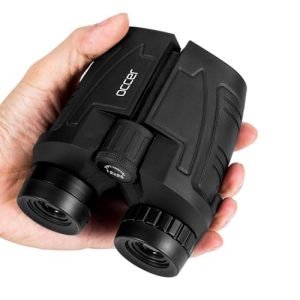
Roof prism binoculars are popular for their compact design. They are easy to carry and use for many activities.
These binoculars use a straight-line design that makes them shorter than other types. This makes them more stable to hold.
Design And Structure
Roof prism binoculars have a straight barrel design. The light path inside is shorter and more direct than in other binoculars.
The prisms are aligned in a straight line which helps keep the binoculars slim. This design makes them easy to hold steady.
- Straight barrel shape
- Compact and lightweight
- Internal prisms aligned in a straight line
- Shorter light path for better image clarity
Common Features
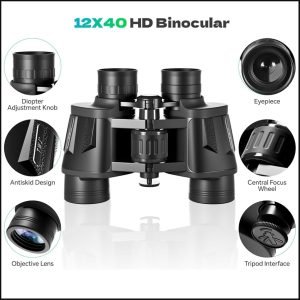
Many roof prism binoculars have waterproof and fog-proof features. This helps keep the lenses clear in different weather conditions.
They often include rubber coatings for a better grip. This improves stability when holding the binoculars for a long time.
- Waterproof and fog-proof seals
- Rubberized grips for steady hold
- Adjustable focus and eye cups
- Lightweight materials for easy handling

Credit: www.amazon.com
Factors Affecting Stability
Roof prism binoculars are popular for their compact design. Their stability depends on several key factors. Understanding these helps users hold them steady.
Two main factors influence stability: weight and balance, and grip and ergonomics. Each affects how easy it is to keep the binoculars still.
Weight And Balance
Weight affects how long you can hold binoculars without shaking. Heavy binoculars tire your hands faster. Balance means how weight spreads over your hands.
| Factor | Effect on Stability |
| Heavy Weight | Causes quicker hand fatigue and more shaking |
| Light Weight | Easier to hold steady for longer times |
| Good Balance | Distributes weight evenly, reducing strain |
| Poor Balance | Leads to awkward holding positions and less control |
Grip And Ergonomics
Grip design helps you hold the binoculars firmly. Ergonomics means how well the shape fits your hands. Both affect how steady you can keep them.
- Rubber coatings improve grip and reduce slipping
- Textured surfaces give better control
- Ergonomic shapes reduce hand strain
- Easy access to focus knobs helps quick adjustments
Image Stability Explained
Image stability is key to clear views in binoculars. A steady image helps you see details better. Roof prism binoculars have a unique design that affects stability.
Understanding how these binoculars keep images stable can help you choose the right pair. Two main factors affect this: optical alignment and prism quality.
Optical Alignment
Optical alignment means how well the lenses and prisms line up inside the binoculars. Poor alignment causes shaky or blurry images. Good alignment keeps the image steady even if you move the binoculars slightly.
- Correct lens positioning reduces image shake
- Proper prism placement improves focus stability
- Alignment errors lead to eye strain and discomfort
- Manufacturers use precise tools to align parts
Prism Quality Impact
Roof prisms bend light to create the image you see. The quality of these prisms affects how stable the image looks. Low-quality prisms can cause distortions and reduce stability.
| Prism Quality | Effect on Image Stability |
|---|---|
| High Quality | Clear, stable image with less shake |
| Medium Quality | Moderate image stability with some distortion |
| Low Quality | Unstable image with noticeable blur and shake |

Credit: www.ebay.com
Comparing Roof Prism With Porro Prism
Binoculars use two main prism types: roof prism and Porro prism. Each type has a different design and affects how stable the binoculars feel.
Understanding the differences helps you choose binoculars that match your needs, especially for steady viewing.
Stability Differences
Roof prism binoculars have a straight design. This makes them compact and easy to hold. Their shape helps keep the view stable in your hands.
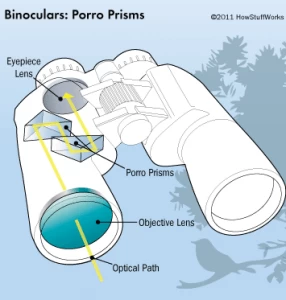
Porro prism binoculars have a wider, angled shape. This can make them feel less steady. They may shake more when you hold them without support.
- Roof prism: compact, easier to hold steady
- Porro prism: wider, may feel less stable
- Weight distribution affects stability for both types
Performance In Various Conditions
Roof prism binoculars perform well in bright light and low light. Their design keeps images clear and sharp in different weather.
Porro prism binoculars often give better depth and wider views. They work well in stable settings but can be harder to use in windy or moving situations.
- Roof prism: good clarity in many light conditions
- Porro prism: better depth perception and wider view
- Roof prism: easier to use in windy or moving places
- Porro prism: best in calm, steady conditions
User Experiences And Reviews
Roof prism binoculars are popular for their compact design. Many users wonder if they are stable during use. This section shares real experiences and reviews from people who use them often.
Understanding what users say helps others decide if roof prism binoculars fit their needs. The feedback covers both common problems and strong points.
Common Complaints
Some users report issues with roof prism binoculars. These problems affect the stability and comfort during use. Here are the main complaints:
- Shaky view when holding binoculars by hand for long periods
- Heavier models cause arm fatigue, reducing stability
- Difficulty in focusing quickly on moving objects
- Occasional misalignment causing double images
- Less stable compared to porro prism binoculars in rough conditions
Positive Feedback
Many users praise roof prism binoculars for their design and performance. They find them reliable and easy to carry. The table below shows key strengths shared by users.
| Feature | User Comments |
| Compact Size | Fits easily in bags and pockets |
| Sharp Image | Clear view with good color accuracy |
| Durability | Sturdy build that withstands outdoor use |
| Water Resistance | Works well in wet or foggy conditions |
| Comfort | Good grip and easy to adjust focus |
Tips To Improve Stability
Roof prism binoculars can sometimes feel shaky when you hold them by hand. This can make it hard to see clear, steady images. There are ways to improve their stability for better viewing.
Using the right tools and choosing the best model helps reduce shaking. This guide shows simple tips to keep your view steady.
Using Tripods And Supports
Attaching your roof prism binoculars to a tripod or other support can greatly reduce movement. This method provides a steady base and frees your hands.
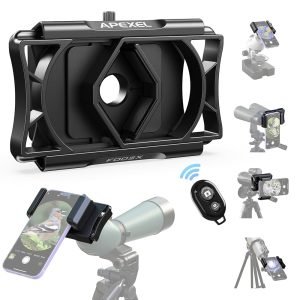
- Use a tripod adapter made for binoculars to mount them securely.
- Choose a sturdy tripod with adjustable legs for uneven ground.
- Rest your elbows on a solid surface if you do not have a tripod.
- Try a monopod for light support and easier movement.
- Hold the binoculars with both hands close to your face for extra stability.
Choosing The Right Model
Some roof prism binoculars are easier to hold steady than others. The size, weight, and design affect how stable they feel.
| Feature | Effect on Stability | Tip |
|---|---|---|
| Weight | Lighter models reduce arm fatigue. | Choose models under 800 grams for comfort. |
| Size | Compact designs are easier to hold steady. | Look for binoculars with 8x or 10x magnification. |
| Rubber Coating | Improves grip and reduces slipping. | Pick binoculars with a textured rubber surface. |
| Center Focus Wheel | Makes quick adjustments easier without shaking. | Test the wheel for smoothness before buying. |
Credit: www.newegg.com
Frequently Asked Questions
Are Roof Prism Binoculars More Stable Than Porro Prism?
Roof prism binoculars are generally more compact and lighter, which may feel less stable. Porro prism models often provide better depth perception and image stability due to their wider design.
What Affects The Stability Of Roof Prism Binoculars?
Stability depends on factors like build quality, weight, grip design, and lens alignment. Heavier, well-balanced roof prism binoculars usually feel more stable during use.
Can Image Stabilization Improve Roof Prism Binoculars Stability?
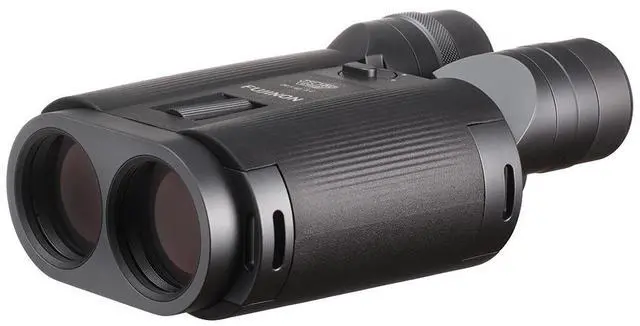
Yes, some roof prism binoculars include image stabilization technology. This feature reduces hand shake effects, offering a steadier and clearer viewing experience.
Are Tripod Adapters Recommended For Roof Prism Binoculars?
Using a tripod adapter significantly enhances stability for roof prism binoculars. It’s especially useful for prolonged viewing or high magnification models to reduce shake.
Conclusion
Roof prism binoculars offer good stability for most uses. Their compact design helps keep images steady. You can hold them comfortably for longer periods. Some models include features that reduce shaking. This makes them suitable for birdwatching or hiking. Still, using a tripod can improve stability further.
Choose based on your needs and budget. Stable viewing means better enjoyment of nature’s details. Give roof prism binoculars a try for clear, steady views.