Are you worried about your roof prism binoculars getting scratched during your outdoor adventures? You want clear, sharp views without worrying about damage every time you take them out.
But are roof prism binoculars really scratch-resistant? Understanding how durable your gear is can save you money and frustration. Keep reading to discover what makes roof prism binoculars tough, what to look for, and how to protect your investment so you can enjoy every moment with crystal-clear vision.

Credit: www.canadiantire.ca
Roof Prism Binoculars Basics
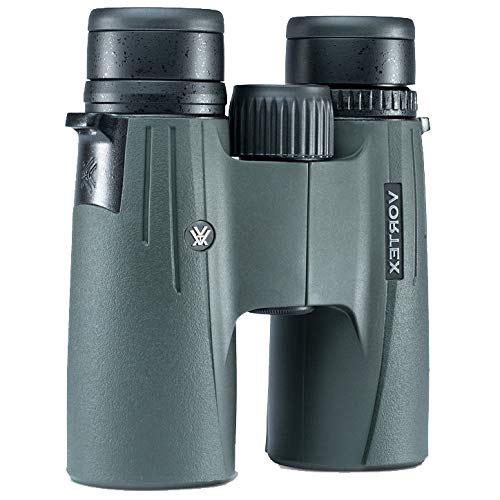
Roof prism binoculars have a straight design that makes them compact. The light travels in a straight line inside the binoculars.
These binoculars are popular for their slim shape and easy handling. Many people use them for birdwatching, hiking, and sports.
Key Features
Roof prism binoculars have several important features. They offer good image quality and a narrow shape. They are also lightweight, making them easy to carry.
- Straight barrel design
- Compact and slim
- Lightweight for easy use
- Good image clarity
- Durable construction
Common Materials
Roof prism binoculars often use strong materials for their body and lenses. The body is usually made from metal or tough plastic.
The lenses are coated to protect from scratches and improve vision. Some models have extra layers to resist damage better.
- Metal or polycarbonate body
- Rubber armor for grip and shock resistance
- Multi-coated lenses to reduce glare
- Scratch-resistant coatings on lenses
Scratch Resistance Factors
Are roof prism binoculars scratch-resistant? It depends on several factors. The main elements that affect scratch resistance are lens coatings and protective layers.
These features help protect the glass surfaces from damage during use. Understanding them can help you care for your binoculars better.
Lens Coatings
Lens coatings reduce scratches by adding a hard, thin film on the glass. These coatings also improve light transmission. They make the lenses less prone to damage from small particles and rough handling.
- Single-layer coatings provide basic protection.
- Multi-layer coatings offer stronger scratch resistance.
- Some coatings include anti-reflective properties.
- Hard coatings are specially designed to resist scratches.
Protective Layers
Protective layers add extra durability to binocular lenses. These layers cover the coatings and lens surfaces. They guard against dust, dirt, and impacts that cause scratches.
| Type | Function | Scratch Resistance |
| Oleophobic Layer | Repels oil and fingerprints | Moderate |
| Hydrophobic Layer | Repels water and dirt | Moderate |
| Hard Shell Layer | Protects from physical scratches | High |
Comparing Roof Prism And Porro Prism
Binoculars use two main prism types: roof and porro. Each type changes how the binoculars look and work. Understanding their durability helps pick the right one.
Roof prism binoculars have a straight design. Porro prism binoculars have an angled shape. These designs affect how strong and scratch-resistant they are.
Durability Differences
Roof prism binoculars use a complex design with more parts inside. Porro prism binoculars have a simpler structure. This difference affects their toughness.
| Feature | Roof Prism | Porro Prism |
| Design | Straight, compact | Angled, bulkier |
| Number of parts | More internal parts | Fewer internal parts |
| Shock resistance | Less resistant to drops | Better shock absorption |
| Water resistance | Better sealing possible | Sealing harder to achieve |
Scratch Vulnerability
Both prism types use glass lenses. Lens coatings protect against scratches. The binocular body also affects scratch risk.
- Roof prism binoculars have a narrow shape that may expose edges.
- Porro prism binoculars have wider bodies that shield lenses better.
- Lens coatings on both types reduce scratch chances.
- Extra care is needed with roof prism binoculars due to their design.
Credit: oman.whizzcart.com
User Care Tips
Roof prism binoculars have delicate lenses and coatings. Proper care helps keep them scratch-free and working well.
Simple cleaning and storage habits protect your binoculars from damage and extend their life.
Cleaning Methods
Always use a soft cloth to clean the lenses. Avoid using paper towels or rough fabrics that can scratch the glass.
Use a lens brush or air blower to remove dust before wiping. This prevents rubbing dirt into the lens surface.
- Use a microfiber cloth for lens cleaning
- Blow away loose dust before wiping
- Use lens cleaning solution if needed
- Do not press hard on the lenses
Storage Recommendations
Store binoculars in a dry, cool place when not in use. Avoid leaving them in direct sunlight or hot environments.
Keep binoculars in their case to protect from dust and accidental scratches. Use lens caps to guard the lenses.
- Store in a padded case or pouch
- Keep lens caps on when stored
- Avoid humid or damp areas
- Do not place heavy objects on top
Popular Scratch-resistant Models
Roof prism binoculars often face rough use outdoors. Scratch resistance is important for lasting clarity. Many models have coatings that protect lenses from damage.
Choosing scratch-resistant binoculars helps keep your view clear. This guide covers popular models known for their durability and lens protection.
Top Brands
Several top brands use hard coatings on roof prism binocular lenses. These coatings resist scratches from dust, dirt, and accidental drops. Below is a list of popular scratch-resistant models from trusted brands.
- Nikon Monarch 5 – Features durable, scratch-resistant coatings on all lenses.
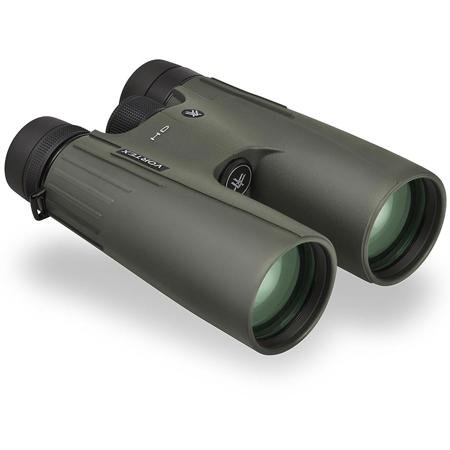
- Vortex Viper HD – Uses ArmorTek coating to protect lenses from scratches.
- Zeiss Terra ED – Includes LotuTec coating for water and scratch resistance.
- Leica Trinovid HD – Known for tough lens coatings and rugged design.
- Swarovski CL Companion – Offers scratch-resistant and hydrophobic lens coatings.
Customer Reviews
Customer feedback shows scratch-resistant coatings make a difference. Users report less lens damage and clear images after long use. Some brands stand out in durability and lens protection.
| Model | Scratch Resistance Rating | Customer Comments |
|---|---|---|
| Nikon Monarch 5 | 9/10 | Lenses stayed clear despite rough outdoor use. |
| Vortex Viper HD | 8.5/10 | ArmorTek coating helped avoid scratches on rocky trails. |
| Zeiss Terra ED | 8/10 | Coating resisted light scratches after a year of hiking. |
| Leica Trinovid HD | 9.5/10 | Very durable lenses; coating performs well in harsh conditions. |
| Swarovski CL Companion | 9/10 | Scratch-resistant lenses kept views sharp after frequent use. |
When To Repair Or Replace
Roof prism binoculars are built to last but can get damaged over time. Knowing when to repair or replace them saves you money and frustration. This guide helps you spot damage and think about costs.
Some problems are easy to fix. Others mean you should buy new binoculars. Read on to learn what signs to watch for and how to decide.
Signs Of Damage
Look for these signs that your roof prism binoculars need attention:
- Scratched or cloudy lenses affecting image clarity
- Loose or stiff focusing mechanism
- Water inside the binoculars causing fogging
- Cracks or dents on the prism housing
- Misaligned images or double vision
Minor scratches may not harm your view much, but water or alignment issues usually need fixing fast.
Cost Considerations
Repair costs vary depending on the problem and brand. Sometimes repairs cost almost as much as new binoculars.
| Issue | Typical Repair Cost | Replacement Advice |
| Lens scratches | $20 – $50 | Repair if minor |
| Focusing mechanism | $40 – $80 | Repair if smooth operation |
| Water damage | $70 – $150 | Replace if severe |
| Prism misalignment | $100 – $200 | Replace if image poor |
Compare repair prices with new binocular costs. If repairs cost over half the price of new ones, buying new is often smarter.
Credit: oman.whizzcart.com
Frequently Asked Questions
Are Roof Prism Binoculars Durable?
Roof prism binoculars are known for their durability. They are often built with rugged materials that withstand tough conditions. This design makes them ideal for outdoor activities. However, scratch resistance can vary depending on the lens coating and overall build quality.
Do Roof Prism Binoculars Resist Scratches Well?
Roof prism binoculars generally offer decent scratch resistance. This is due to their robust design and quality lens coatings. However, not all models are equal. Higher-end models typically feature better scratch-resistant coatings. It’s important to handle them carefully for the best longevity.
What Factors Affect Binocular Scratch Resistance?
Several factors influence binocular scratch resistance. These include the quality of lens coatings and the materials used in construction. High-quality coatings can significantly enhance scratch resistance. Additionally, proper care and storage are essential to maintaining their condition and prolonging their lifespan.
How To Protect Binoculars From Scratches?
To protect binoculars from scratches, always use lens caps when not in use. Clean lenses with a microfiber cloth and avoid abrasive materials. Store them in a protective case to prevent accidental damage. Regular maintenance and careful handling are key to preserving their condition.
Conclusion
Roof prism binoculars often come with coatings that help resist scratches. These coatings protect the lenses during normal use. Still, they are not completely scratch-proof. Careful handling and proper storage extend their life. Avoid placing them on rough surfaces or dropping them.
Regular cleaning with a soft cloth keeps lenses clear and safe. Investing in a good case adds extra protection. Scratch resistance adds value but does not replace good care. Choose binoculars with quality coatings for better durability. Keep them safe, and they will last longer.