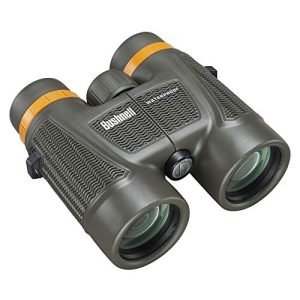
Are you struggling to find binoculars that work well when the light is low? Whether you’re stargazing at dusk, spotting wildlife at dawn, or watching a game in fading daylight, clear vision matters.
Roof prism binoculars are popular for their compact design, but are they truly good for low light use? You’ll discover what makes roof prism binoculars tick and how they perform when the sun goes down. Keep reading to find out if these binoculars can give you the sharp, bright view you need in dim conditions.
Roof Prism Binoculars Basics
Roof prism binoculars have a straight design that makes them easy to hold. They are popular for many outdoor activities.
This type of binocular uses a special prism system to reflect light. This system helps create clear images.
Compact Design Benefits
Roof prism binoculars are smaller and lighter than other types. This makes them easy to carry during long trips.
- Fits easily in pockets or small bags
- Less tiring to hold for long periods
- Durable and often waterproof
- Sleek shape that resists dirt and moisture
How Roof Prism Works
The roof prism system bends light twice inside the binoculars. This aligns the image and corrects its orientation.
| Feature | Description |
| Light Path | Light reflects twice inside the prisms |
| Image | Corrects flipped and reversed images |
| Shape | Straight line from eyepiece to objective lens |
| Size | Compact and slim design |

Credit: zarimex.eu
Low Light Performance Factors
Roof prism binoculars are popular for their compact design. Their low light use depends on several important factors.
Understanding these factors helps you choose the right binoculars for dawn, dusk, or shaded areas.
Aperture Size Importance
The aperture is the diameter of the front lenses. Larger apertures allow more light to enter.
This helps in dim light, making images appear brighter and clearer. Small apertures may cause dark images.
Lens Coatings And Brightness
Lens coatings reduce reflections and improve light transmission. This increases image brightness.
- Fully multi-coated lenses offer the best light transmission.
- Coatings also protect lenses from scratches and dirt.
- Good coatings improve contrast and color clarity in low light.
Exit Pupil Role
| Exit Pupil Size | Effect on Low Light Use |
| Less than 2 mm | Too small, image appears dim |
| 2 to 4 mm | Moderate brightness, suitable for daylight |
| 4 to 7 mm | Bright image, ideal for low light |
The exit pupil is the beam of light that reaches your eye. A larger exit pupil means more light enters your eye.
For low light, an exit pupil of 4 mm or more is better. It matches the human eye’s dilation in dark conditions.
Roof Prism Vs Porro Prism In Dim Conditions
Binoculars use different prism designs to focus light and create clear images. Roof prism and Porro prism are two common types. Their performance changes in low light conditions.
This article compares roof prism and Porro prism binoculars for dim lighting. It looks at image brightness and how easy they are to carry.
Image Brightness Comparison
Image brightness depends on how much light reaches your eyes. Porro prisms usually let in more light because of their design. Roof prisms have more glass and coatings, which can reduce brightness.
- Porro prism binoculars often give brighter images in low light.
- Roof prism models can lose some brightness due to extra glass surfaces.
- Advanced coatings on roof prisms can improve light transmission.
- The size of the objective lens also affects brightness.
Weight And Portability Differences
Roof prism binoculars are usually more compact and lighter. Porro prism binoculars tend to be bulkier and heavier. This affects how easy they are to carry during outdoor activities.
| Feature | Roof Prism | Porro Prism |
|---|---|---|
| Size | Compact and slim | Bulkier and wider |
| Weight | Lighter | Heavier |
| Durability | More rugged design | Less rugged |
| Ease of Carrying | Easy to carry all day | Can be tiring to carry long |
Top Roof Prism Binoculars For Low Light
Roof prism binoculars are popular for their compact design and durability. They can work well in low light conditions if you choose the right model.
Low light use means dawn, dusk, or shaded areas. Not all binoculars perform the same in these settings. Let’s explore the best options and features to look for.
Best Models For Dawn And Dusk
Some roof prism binoculars offer excellent brightness and clarity during low light. Look for models with wide objective lenses and quality glass coatings.
- Nikon Monarch 5 8×42: Bright images with extra-low dispersion glass.
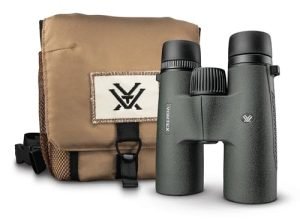
- Vortex Diamondback 10×42: Sharp views and good light transmission.
- Zeiss Terra ED 8×42: High contrast and excellent color fidelity.
- Swarovski CL Pocket 8×25: Compact but surprisingly good in dim light.
Features To Look For
Choosing roof prism binoculars for low light means focusing on certain key features. These features improve your viewing experience in poor lighting.
| Feature | Why It Matters |
| Objective Lens Size (42mm+) | Allows more light for brighter images. |
| Exit Pupil Size | Larger exit pupils give brighter views at dawn or dusk. |
| Phase-Corrected Coatings | Improves image sharpness and contrast. |
| Anti-Reflective Coatings | Reduces glare and boosts light transmission. |
| High-Quality Glass | Delivers clearer images with less distortion. |
| Waterproof and Fogproof | Ensures durability in outdoor conditions. |
Maintenance Tips For Optimal Clarity
Roof prism binoculars work well in low light. To keep their view clear, regular care is important. Dirt and smudges can block light and reduce image quality.
Good maintenance helps your binoculars last longer. It also keeps the glass clean for bright, sharp images in dim conditions.
Cleaning Lenses Safely
Use a soft brush or air blower to remove dust from lenses. Avoid wiping with dry cloth as it may scratch the glass.
To clean smudges, apply lens cleaner to a microfiber cloth. Gently wipe the lenses in a circular motion. Do not apply cleaner directly to the lenses.
- Use only lens cleaning solutions made for optics
- Never use paper towels or rough fabrics
- Handle binoculars by the body, not the lenses
Storage To Prevent Damage
Store your binoculars in a dry, cool place to avoid mold and fogging. Always keep them in a protective case when not in use.
Keep binoculars away from direct sunlight and extreme temperatures. Remove batteries if storing for a long time to prevent leaks.
- Use a padded case for safe transport
- Keep lens caps on to protect glass
- Store in a place with low humidity

Credit: www.amazon.ca

Credit: www.amazon.com
Frequently Asked Questions
Are Roof Prism Binoculars Suitable For Low Light Conditions?
Roof prism binoculars perform well in low light due to their compact design and good light transmission. Their quality coatings enhance brightness, making them ideal for dawn, dusk, or shaded environments.
How Do Roof Prism Binoculars Compare To Porro Prisms In Low Light?
Roof prism binoculars are more compact but may have slightly less brightness than Porro prisms. However, modern coatings narrow this gap, making roof prisms a strong choice for low light use.
What Features Improve Low Light Performance In Roof Prism Binoculars?
Large objective lenses, high-quality coatings, and wide exit pupils boost low light performance. These features allow more light to reach your eyes, enhancing clarity and brightness in dim environments.
Can Roof Prism Binoculars Be Used For Night Wildlife Observation?
Yes, roof prism binoculars with good light-gathering capabilities work well for night wildlife viewing. Choose models with large lenses and anti-reflective coatings for the best experience.
Conclusion
Roof prism binoculars offer good performance in low light conditions. Their compact design makes them easy to carry and handle. They provide bright images but may not match the brightness of some other types. Choosing the right model depends on your specific needs and budget.
For casual use, they work well at dawn or dusk. Think about lens size and coatings for better light gathering. Overall, roof prism binoculars can be a solid choice for low light viewing. Simple, reliable, and handy for many outdoor activities.