Are you looking for the perfect binoculars to explore the night sky? Roof prism binoculars are popular for many uses, but are they the right choice for astronomy?
Choosing the right optics can make a huge difference in what you see and how much you enjoy stargazing. You’ll discover the strengths and weaknesses of roof prism binoculars for astronomy. By the end, you’ll know if they match your stargazing needs or if another type might serve you better.
Keep reading to find out how to get the clearest, brightest views of the stars with the right binoculars.
Roof Prism Binoculars Basics
Roof prism binoculars are a popular choice for many outdoor activities. They have a straight shape, making them easy to carry and use.
These binoculars are also used for astronomy by beginners and hobbyists. Understanding how they work helps to know if they suit night sky viewing.
How Roof Prisms Work
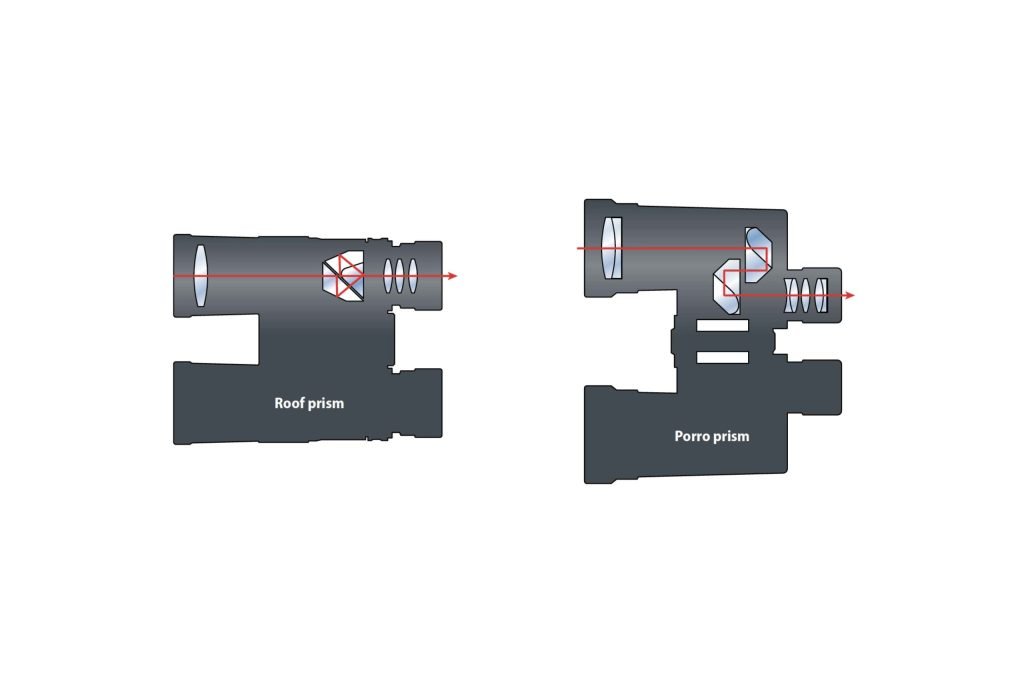
Roof prisms use two small prisms aligned in a straight line. This design bends light twice to correct the image.
The light path in roof prism binoculars is compact. This setup makes the binoculars slimmer and easier to hold.
- Light enters the objective lens
- It passes through the roof prisms
- The prisms flip and reverse the image
- The corrected image reaches your eyes
Key Features Of Roof Prism Binoculars
Roof prism binoculars are known for their compact shape and durability. They often have waterproof and fog-proof features.
These binoculars provide sharp images with good edge-to-edge clarity. Their straight design allows for easy focusing and handling.
- Sleek and compact body
- Durable and often weather-resistant
- Good image quality with sharp details
- Easy to focus and use
- Lightweight and portable
Credit: www.popsci.com
Benefits For Astronomy
Roof prism binoculars are popular for stargazing. They offer features that help both beginners and experts enjoy the night sky.
These binoculars combine ease of use with good optical performance. Their design suits the needs of astronomy enthusiasts.
Compact And Lightweight Design
Roof prism binoculars are smaller and lighter than many other types. This makes them easy to carry to dark sky locations.
- Easy to hold for long viewing sessions
- Fits comfortably in backpacks or small bags
- Reduces arm fatigue during observation
Durability And Weather Resistance
These binoculars often come with solid build quality. Many models resist fog, water, and dust, which helps in outdoor use.
| Feature | Benefit for Astronomy |
|---|---|
| Waterproof | Can be used in light rain or dew without damage |
| Fog-proof | Clear view even in cold or humid conditions |
| Shock-resistant | Withstands bumps during travel to observation sites |
Image Quality And Clarity
Roof prism binoculars often provide sharp and bright images. This clarity helps in seeing stars, planets, and details on the moon.
- Good light transmission for dim objects
- Reduced image distortion at edges
- Consistent focus across the view
Limitations To Consider
Roof prism binoculars are popular for many uses, but they have some limits for astronomy. Knowing these can help you decide if they fit your needs.
This section covers three main points: field of view, brightness, and cost compared to Porro prism binoculars.
Narrower Field Of View
Roof prism binoculars usually have a smaller field of view than Porro prism models. This means you see less sky at once. It can make it harder to find and track stars or planets.
A narrow view means you may need to move the binoculars more to see different parts of the sky. This can be tiring during long viewing sessions.
Potential Brightness Loss
Roof prism designs can lose some light inside the binoculars. This loss happens because of the way light bends through the prisms. Less light means dimmer images.
- Light loss can reduce the brightness of stars and planets.
- Images might look less sharp in low-light conditions.
- Coatings on lenses help but do not remove all brightness loss.
Cost Compared To Porro Prism Models
| Type | Average Cost | Design Complexity |
| Roof Prism | Higher | More Complex |
| Porro Prism | Lower | Less Complex |
Roof prism binoculars often cost more than Porro prism ones. The design needs precise alignment and special coatings. This raises production costs.
Credit: www.popsci.com
Comparing Roof Prism And Porro Prism
Binoculars use prisms to show clear images. Two common types are roof prism and Porro prism. Each type works differently and suits different needs.
People who enjoy astronomy often ask which prism type is better. This guide compares roof prism and Porro prism binoculars for star watching.
Optical Performance Differences
Porro prism binoculars usually give brighter and sharper images. They have a wider field of view, which helps to see more sky at once.
Roof prism binoculars have a narrower field of view but offer better image alignment. They often need special coatings to reduce light loss.
- Porro prism: wider view, brighter image
- Roof prism: narrower view, better image alignment
- Porro prism may show more depth in images
- Roof prism can have slight light loss without coatings
Size And Portability
Roof prism binoculars are compact and slim. Their straight design makes them easy to carry and store.
Porro prism binoculars are bulkier. Their shape is wider due to the prism layout, making them less portable.
- Roof prism: small, lightweight, easy to carry
- Porro prism: larger, heavier, less portable
- Roof prism fits well in backpacks or pockets
- Porro prism may need a larger case for storage
Price And Value
Porro prism binoculars often cost less. They give good optical quality for a lower price.
Roof prism binoculars tend to be more expensive. Their compact design and coatings add to the cost.
- Porro prism: affordable, good quality for price
- Roof prism: pricier, offers compact design
- Roof prism may last longer with proper care
- Porro prism is best for budget-conscious buyers
Best Roof Prism Models For Stargazing
Roof prism binoculars are popular for astronomy. They are compact and easy to use at night. Many models give clear views of the stars and planets.
Choosing the right binoculars helps you see better details in the night sky. Below are some top roof prism binoculars for beginners and advanced users.
Top Picks For Beginners
Beginners need binoculars that are easy to handle and offer good brightness. Roof prism models with 8x to 10x magnification work well. They show a wide view of the sky and are steady in your hands.
- Nikon Prostaff 3S 8×42: Lightweight and clear images for stargazing.
- Celestron Nature DX 8×42: Good brightness and sharp views of the moon and stars.
- Vortex Diamondback 8×42: Durable and offers good color contrast at night.
These models balance size and power. They help new users explore the sky without difficulty.
Options For Advanced Users
Advanced users want binoculars with higher magnification and better optics. Roof prism models with 10x or 12x magnification reveal more details on planets and distant stars.
- Zeiss Terra ED 10×42: High-quality glass for sharp, bright images.
- Leica Ultravid HD-Plus 10×42: Excellent clarity and color accuracy.
- Swarovski SLC 10×42: Premium optics with strong build quality.
These binoculars are heavier but provide clearer views. They are ideal for serious stargazers who want to see fine details.
Tips For Using Binoculars At Night
Using binoculars at night can help you see stars and planets more clearly. Roof prism binoculars are popular for astronomy because they are compact and easy to hold.
To get the best view, you need to know how to use binoculars properly at night. This guide will help you choose the right settings and keep your binoculars in good shape.
Choosing The Right Magnification
Magnification is how much bigger objects appear through your binoculars. For night sky viewing, too much magnification can make the image shaky and dim.
Binoculars with 7x to 10x magnification are best for astronomy. They give a clear and bright view without too much shaking.
- 7x magnification is easier to hold steady
- 10x magnification shows more detail but needs steady hands
- A wider lens diameter lets in more light for better night views
Stabilizing Your View
Keeping your binoculars steady is key to seeing stars clearly. Even small shakes can blur the image at night.
You can hold binoculars steady by resting your elbows on a table or using a tripod. A tripod mount adapter fits many roof prism binoculars.
- Use both hands to hold binoculars firmly
- Lean against a solid surface to reduce shaking
- Try a tripod for long viewing sessions
- Use a neck strap to support the weight
Maintenance And Care
Keeping your binoculars clean helps you see better at night. Dust and smudges can block light and reduce clarity.
Store binoculars in a dry place and use a case to protect them. Clean lenses with a soft cloth and special lens cleaner.
- Use a blower brush to remove loose dust
- Wipe lenses gently with a microfiber cloth
- Keep binoculars dry to avoid mold
- Check screws and moving parts regularly

Credit: www.popsci.com
Frequently Asked Questions
What Makes Roof Prism Binoculars Suitable For Astronomy?
Roof prism binoculars offer a compact design and excellent image clarity. Their straight barrels make them easy to handle for night sky viewing. They also provide good light transmission, making them effective for observing stars and planets.
Are Roof Prism Binoculars Better Than Porro Prisms For Stargazing?
Roof prism binoculars are more compact and durable, ideal for portability. Porro prism models often deliver brighter images but are bulkier. For astronomy, roof prisms balance convenience and optical quality, making them a popular choice.
What Magnification Is Ideal In Roof Prism Binoculars For Astronomy?
A magnification between 7x and 10x is ideal for astronomy with roof prism binoculars. This range offers a stable, wide field of view and sufficient detail for most celestial objects, without excessive shaking or dimming of the image.
Can Roof Prism Binoculars Show Clear Views Of Planets?
Yes, roof prism binoculars with good optics can reveal planets like Jupiter and Saturn. While they don’t match telescopes, they show key features such as Jupiter’s moons and Saturn’s rings when conditions are good.
Conclusion
Roof prism binoculars offer a solid choice for astronomy beginners. They provide clear and bright images of the night sky. Their compact design makes them easy to carry outside. While not perfect for deep space views, they work well for stars and the moon.
Plus, they handle low light better than some other types. Choosing the right binoculars depends on your needs and budget. Overall, roof prism binoculars can enhance your stargazing experience. A simple tool for enjoying the wonders above.