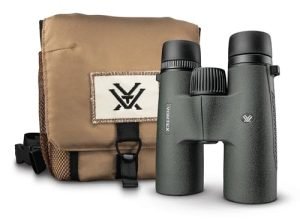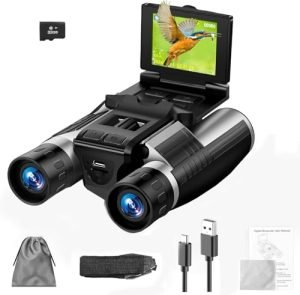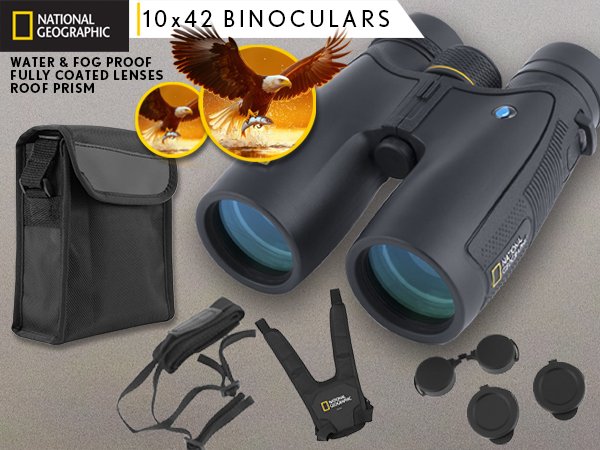
Have you ever been on an exciting wildlife adventure or a serene bird-watching trip only to find your view clouded by foggy binoculars? It’s frustrating, isn’t it?
You invest in a quality pair, expecting clear and crisp images, but the weather has other plans. If you’re considering roof prism binoculars, you might be wondering: Are they truly fog-proof? Understanding this aspect could make or break your outdoor experience.
Dive into the details with us and discover if these optical wonders can stand up to misty mornings and humid afternoons. Your next adventure might just depend on it.
Roof Prism Binoculars Basics
Roof prism binoculars are a popular choice for many users. They have a straight, compact design. This style makes them easy to carry and use.
These binoculars use a special prism system to make the image clear. They work well in many outdoor situations. Understanding their design and uses helps you pick the right pair.
Design And Structure
Roof prism binoculars have a straight tube design. The prisms are aligned in a straight line. This setup helps keep the binoculars compact and lightweight.
- Lightweight and easy to handle
- Prisms arranged in a straight path
- Usually waterproof and fog-proof
- Durable build for outdoor use
The fog-proof feature is common because these binoculars are sealed and filled with nitrogen or argon gas. This stops moisture from building inside.
Common Uses
| Use | Reason |
| Bird Watching | Clear, steady view in nature |
| Hiking | Compact size for easy carrying |
| Sports Events | Close-up view of fast action |
| Boating | Waterproof and fog-proof design |

Credit: focuscamera.com
Fogging Issues In Binoculars
Fogging in binoculars happens when moisture builds inside or on the lenses. This can blur the view and make it hard to see clearly.
Roof prism binoculars are popular for their compact design. But are they fog-proof? Understanding fogging causes and effects helps answer this.
Causes Of Fogging
Fogging occurs when warm, moist air meets a cooler surface inside the binoculars. This causes water droplets to form on the lenses.
- Temperature changes between outside and inside air
- High humidity in the environment
- Breathing near the lenses in cold weather
- Damaged or missing seals in the binocular body
- Lack of special coatings or nitrogen filling inside
Effects On Viewing
Fogged lenses reduce clarity and make images look blurry. This can strain your eyes and cause frustration during use.
| Effect | Description |
| Reduced Sharpness | Images appear fuzzy and unclear. |
| Lower Contrast | Colors and details are harder to distinguish. |
| Eye Strain | Users may feel tired or uncomfortable after looking. |
| Limited Use | Viewing time shortens until lenses clear up. |
Fog-proof Features Explained
Roof prism binoculars often face fogging inside the lenses. Fog inside blocks your view and makes binoculars hard to use.
Fog-proof features help stop fog from forming inside the binoculars. These features keep your vision clear in wet or cold places.
Nitrogen And Argon Purging
Manufacturers fill binoculars with nitrogen or argon gas. These gases stop moisture from entering inside the lenses.
These gases also prevent fog by removing air that holds water vapor. Without water vapor, fog cannot form inside the binoculars.
- Nitrogen is dry and stops internal fogging.
- Argon is heavier and blocks moisture well.
- Both gases improve the lifespan of binoculars.
Sealing Techniques
Good sealing keeps water and dust from entering binoculars. It also stops air from getting inside.
Seals use rubber or O-rings to close gaps tightly. These seals help keep the inside dry and fog-free.
- Rubber seals fit around the edges of binocular parts.
- O-rings are placed where moving parts meet.
- Tight seals stop moisture and dirt from entering.

Credit: us.amazon.com
Are Roof Prism Binoculars Fog-proof?
Roof prism binoculars are popular for their compact design and clear images. Many people wonder if these binoculars can resist fog inside the lenses.
Fog inside binoculars happens when moisture gets trapped. This can blur your view and damage the optics. Some binoculars have features to stop this problem.
Standard Models Vs Fog-proof Models
Standard roof prism binoculars do not have special protection against fog. Moisture can enter and cause fogging inside the lenses. This can happen in cold or humid weather.
Fog-proof models use sealed tubes and special gas inside. They often have nitrogen or argon gas to stop moisture from entering. This keeps the lenses clear even in wet weather.
- Standard models are not sealed well against moisture
- Fog-proof models have airtight seals
- Gas filling in fog-proof models prevents fog inside lenses
- Fog-proof binoculars work better in rain or cold
How To Identify Fog-proof Binoculars
Look for words like “fog-proof” or “nitrogen-filled” on the product label or description. These terms mean the binoculars have features to stop fog inside.
Check if the binoculars have sealed O-rings. O-rings block water and dust from entering. Many fog-proof models use these seals to keep moisture out.
- Labels: fog-proof, waterproof, nitrogen-filled
- Sealed O-rings on the body
- Gas inside the tubes (nitrogen or argon)
- Higher price often means more protection
Maintaining Fog-proof Performance
Roof prism binoculars often come with fog-proof features. These features depend on proper care and storage. Keeping them fog-free means protecting the lenses and seals from moisture and damage.
Good habits help keep the binoculars clear and working well for a long time. Let’s explore how to store and clean them to maintain their fog-proof quality.
Proper Storage Tips
Storing roof prism binoculars correctly prevents moisture buildup inside. Avoid places with high humidity or large temperature changes. Use a case that keeps dust and water away.
- Store binoculars in a dry, cool place.
- Keep them in a sealed case when not in use.
- Avoid leaving them in direct sunlight or hot cars.
- Remove lens caps only when using the binoculars.
- Use silica gel packs inside the case to absorb moisture.
Cleaning And Care
Cleaning roof prism binoculars carefully helps keep the fog-proof seals intact. Dirt or rough cleaning can damage the lenses or the waterproof coatings.
| Cleaning Step | Recommended Action |
| Remove dust | Use a soft brush or air blower |
| Clean lenses | Use lens cleaning solution and a microfiber cloth |
| Wipe body | Use a damp cloth, then dry immediately |
| Check seals | Inspect for cracks or damage regularly |
Top Fog-proof Roof Prism Binoculars
Roof prism binoculars are popular for their compact design and sharp images. Many models come with fog-proof features. This helps users see clearly in wet or cold weather.
Fog-proof binoculars use special seals and gases to stop moisture inside the lenses. This is useful for outdoor activities like hiking, bird watching, and hunting.
Popular Brands
Several brands are known for making good fog-proof roof prism binoculars. These brands focus on quality, durability, and clear vision. Many models include waterproofing and anti-fog technology.
- Nikon – Known for bright and sharp images with fog-proof seals.
- Vortex – Offers rugged and reliable binoculars with nitrogen purging.
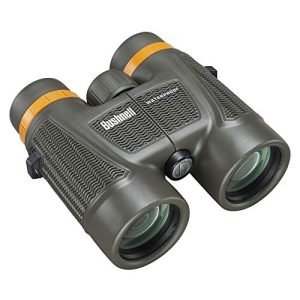
- Bushnell – Provides affordable options with waterproof and fog-proof features.
- Zeiss – Premium optics with advanced fog-proof coatings.
- Celestron – Good balance of price and fog-proof technology.
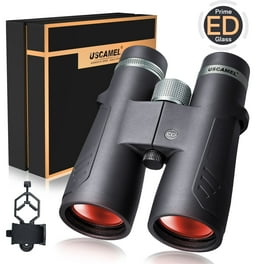
Features To Look For
Choosing the right fog-proof roof prism binoculars means checking important features. These features improve your viewing experience and protect your binoculars from weather damage.
- Fog-Proof Sealing – Look for nitrogen or argon gas purging inside the lenses.
- Waterproof Design – Rubber armor and sealed joints prevent water entry.
- Lens Coatings – Multi-coated lenses increase brightness and reduce glare.
- Magnification and Lens Size – Choose based on your use, like 8×42 for general use.
- Build Quality – Durable materials resist shocks and drops.
- Eye Relief – Important if you wear glasses to see the full view.
Credit: www.walmart.com
Frequently Asked Questions
Are Roof Prism Binoculars Naturally Fog-proof?
No, roof prism binoculars are not naturally fog-proof. They require special sealing and nitrogen or argon gas filling to prevent internal fogging during temperature changes.
How Do Manufacturers Make Roof Prism Binoculars Fog-proof?
Manufacturers seal the binoculars’ body to block moisture. They fill the internal space with nitrogen or argon gas, which stops fog from forming inside the lenses.
Can Fog-proof Roof Prism Binoculars Work In Extreme Weather?
Yes, fog-proof roof prism binoculars are designed to handle extreme weather. Their sealed and gas-filled construction prevents internal fogging in cold, humid, or wet conditions.
Is Fog-proofing Important For Outdoor Binocular Use?
Fog-proofing is essential for outdoor use. It ensures clear vision in humid, rainy, or cold environments by preventing condensation inside the binoculars.
Conclusion
Roof prism binoculars often come with fog-proof features. These features help keep your view clear in wet or cold weather. Manufacturers fill the binoculars with nitrogen or argon gas. This process stops moisture inside the lenses. So, you can trust them to perform well outdoors.
Choosing fog-proof binoculars means less worry about fog and mist. They work better during hiking, bird watching, or sports events. Always check product details to confirm fog-proof claims. Clear vision makes your outdoor experience much better.