Are you curious about getting the best view through your binoculars? If you’ve heard about roof prism binoculars and ED glass but wonder if they work well together, you’re not alone.
Choosing the right binoculars can make a huge difference in how clearly you see distant objects. You’ll discover whether roof prism binoculars are compatible with ED glass and how this combo could change your viewing experience. Keep reading to find out what you need to know before making your next binocular purchase.
Roof Prism Binoculars Basics
Roof prism binoculars have a straight design. They are easy to hold and carry.
These binoculars use prisms to flip the image right side up. This makes viewing clear and natural.
How Roof Prism Binoculars Work
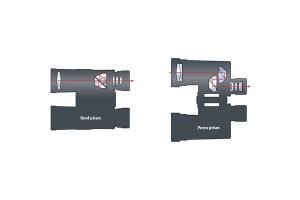
Roof prism binoculars use two prisms aligned in a straight line. Light passes through these prisms to correct the image.
- Light enters the objective lens.
- It hits the first prism and bends inside the binocular.
- The second prism flips the image right side up.
- The image exits through the eyepiece to your eyes.
Advantages Of Roof Prism Design
| Advantage | Description |
| Compact Size | Straight barrel design makes them smaller and lighter. |
| Durability | Strong prism alignment keeps binoculars tough and stable. |
| Water Resistance | Easy to seal against dust and water. |
| Easy Focus | Smooth focusing mechanisms for quick adjustments. |

Credit: www.amazon.com
Ed Glass Features
ED glass stands for extra-low dispersion glass. It helps improve image quality in optics.
This type of glass reduces color blur and sharpens views through lenses.
What Is Ed Glass?
ED glass limits the spread of light inside lenses. This stops colors from mixing wrongly.
- ED glass reduces chromatic aberration.
- It gives clearer and sharper images.
- It is often used in binoculars and cameras.
- ED glass improves contrast and color accuracy.
Benefits Of Ed Glass In Optics
Using ED glass in optics makes views more natural. It also reduces eye strain during long use.
| Benefit | Description |
| Sharper Images | Clearer details and less blur in the picture. |
| Better Color | Colors look more real and less washed out. |
| Reduced Eye Fatigue | Less strain when looking for a long time. |
| Improved Contrast | Objects stand out better against the background. |
Compatibility Factors
Are roof prism binoculars compatible with ED glass? This question matters for clear and sharp images.
Several factors affect if ED glass works well in roof prism models. These factors include design, coatings, and lens quality.
Ed Glass In Roof Prism Models
ED glass helps reduce color fringing and improves image clarity. Roof prism binoculars often need special design to fit ED glass.
- Roof prisms are compact and require precise lens alignment.
- ED glass lenses must fit exact sizes to avoid distortion.
- Coatings on ED glass help maintain light transmission in roof prisms.
- Good roof prism models use ED glass to boost image sharpness.
Manufacturers Using Ed Glass
Many top brands add ED glass in their roof prism binoculars. This improves viewing quality and color accuracy.
| Manufacturer | Model Example | ED Glass Use |
| Brand A | Model X100 | High quality ED lenses with multi-coating |
| Brand B | Model SkyPro | ED glass in both objective and eyepiece lenses |
| Brand C | Model ClearView | Partial ED glass to reduce chromatic aberration |

Credit: www.ebay.com
Performance Impact
Roof prism binoculars use a special lens design to make images look clear. They are popular for outdoor use. ED glass can improve image quality in these binoculars.
Understanding how roof prism and ED glass work together helps to know their performance effects. This affects what you see through the binoculars.
Image Clarity And Color Accuracy
Roof prism binoculars offer sharp images. Adding ED glass reduces color blur and improves sharpness. This gives better color accuracy and clearer views.
- ED glass lowers chromatic aberration, which is color distortion.
- Colors look natural and bright through the lenses.
- Details appear sharper, especially at the edges of the view.
- Roof prism design keeps the image stable and well-aligned.
Low Light And Contrast Enhancement
ED glass helps roof prism binoculars perform better in low light. It lets more light through and improves contrast. This makes images easier to see at dawn or dusk.
| Feature | Without ED Glass | With ED Glass |
| Light Transmission | Good | Better |
| Contrast | Moderate | High |
| Image Brightness | Normal | Brighter |
| Detail in Shadows | Less Clear | More Clear |
Choosing The Right Binoculars
Picking the right binoculars is important for a clear and comfortable view. Roof prism binoculars and ED glass offer different benefits. Knowing if they work well together helps you make a smart choice.
Understanding your needs helps find binoculars that fit your budget and use. This guide covers key points to help you decide.
Budget Considerations
Binocular prices vary a lot. Roof prism models tend to cost more than porro prisms. Adding ED glass usually raises the price because it improves image quality.
Think about how much you want to spend. High-quality roof prism binoculars with ED glass give sharp images but can be pricey. You can find budget options without ED glass that still work well.
- Roof prism binoculars are more compact and sturdy
- ED glass reduces color blur and improves clarity
- More features often mean higher prices
- Set a budget before shopping to narrow choices
Intended Use And Environment
Think about where and how you will use your binoculars. Roof prism binoculars are good for rough conditions and outdoor use. ED glass helps with clear views in low light and long distances.
If you use binoculars for bird watching, hunting, or hiking, ED glass can improve your experience. For casual use, roof prism binoculars without ED glass may be enough.
- Roof prism binoculars are compact and waterproof
- ED glass is best for detailed and bright images
- Choose weather-resistant models for harsh environments
- Match binocular features to your activity needs

Credit: www.amazon.com
Frequently Asked Questions
Are Roof Prism Binoculars Compatible With Ed Glass?
Yes, many roof prism binoculars are compatible with ED (Extra-low Dispersion) glass. ED glass reduces chromatic aberration, improving image clarity and color accuracy. This combination enhances overall optical performance, making roof prism binoculars with ED glass ideal for birdwatching and nature observation.
What Benefits Does Ed Glass Provide In Roof Prism Binoculars?
ED glass in roof prism binoculars offers sharper images and better color fidelity. It minimizes color fringing and chromatic aberrations. This results in clearer, brighter views, especially in challenging light conditions. ED glass enhances the viewing experience significantly for outdoor enthusiasts.
Can Roof Prism Binoculars Without Ed Glass Perform Well?
Yes, roof prism binoculars without ED glass can still perform well. However, they may show slight color fringing and less sharpness. ED glass improves image quality but is not mandatory for good optics. Budget-friendly options often lack ED glass but remain functional.
How To Identify Ed Glass In Roof Prism Binoculars?
Manufacturers typically label binoculars with “ED” or “Extra-low Dispersion” on the body or packaging. Product descriptions and specifications also mention ED glass. Checking these details ensures you get roof prism binoculars with ED glass for superior optical quality.
Conclusion
Roof prism binoculars often work well with ED glass. ED glass helps reduce color blur and sharpens images. This makes viewing clearer and more comfortable for your eyes. Many top brands combine these features for better performance. Choosing the right binocular depends on your needs and budget.
Remember, quality matters more than just names. Clear images and ease of use are key. Think about where and how you will use them. This way, you get the best experience every time you look through your binoculars.