Are you wondering if roof prism binoculars can stand up to dusty environments? If you love outdoor adventures, protecting your gear is probably high on your list.
Dust can easily sneak into your binoculars, affecting how clearly you see and even damaging the lenses over time. But are roof prism binoculars designed to keep dust out? Understanding this could save your equipment and improve your viewing experience.
Keep reading to find out what makes these binoculars dustproof or not—and how to choose the right pair for your needs.
What Are Roof Prism Binoculars
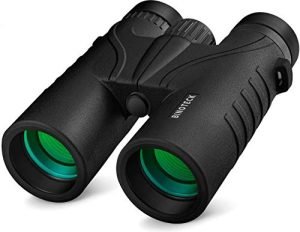
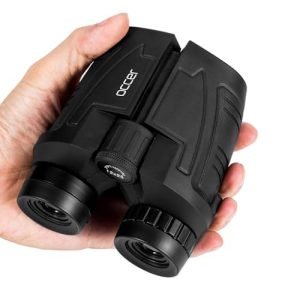
Roof prism binoculars use a straight design. The barrels are aligned in one line. This makes them compact and easy to carry.
They have prisms inside to flip the image right side up. This design is popular for many outdoor activities.
Structure Of Roof Prism Binoculars
The roof prism system uses two prisms placed in a straight line. This lets light pass through in a direct path. It helps keep the binoculars slim.
- Light enters the objective lens.
- It passes through the roof prisms.
- Image flips correctly before reaching the eyepiece.
- User sees a clear and upright view.
Advantages Of Roof Prism Design
This design offers good durability. It is easier to waterproof and dustproof. The shape fits well in hand and packs easily.
| Feature | Benefit |
| Compact size | Easy to carry and store |
| Straight barrels | Comfortable to hold |
| Prism alignment | Bright and clear images |
| Sealing options | Protects from dust and water |
Common Uses For Roof Prism Binoculars
People use them for bird watching, hiking, sports, and travel. They work well in many weather conditions.
Common Dust Problems In Binoculars
Binoculars often face issues from dust getting inside the lenses. Dust can blur the view and reduce image quality. Understanding these problems helps users keep their binoculars clean and clear.
Roof prism binoculars are popular for their compact design. But users wonder if they are dustproof. Let’s look at common dust problems in binoculars and what causes them.
How Dust Enters Binoculars
Dust can get inside binoculars through tiny gaps and seals. Over time, these particles settle on lenses and prisms. This dust buildup can affect the clarity and sharpness of images.
Effects Of Dust On Viewing Quality
Dust inside binoculars causes several issues. It can reduce brightness and contrast. Dust spots may appear in the view, making it hard to see details. In some cases, dust can even scratch the lenses during cleaning.
Signs Your Binoculars Have Dust Inside
- Blurry or hazy images
- Dark spots or shadows in the view
- Difficulty focusing on objects
- Reduced brightness or color fade
Preventing Dust Problems In Roof Prism Binoculars
| Method | Details |
| Use lens caps | Cover lenses when not in use |
| Store in a case | Keep binoculars in a sealed case |
| Clean gently | Use a soft brush or cloth |
| Check seals | Inspect and replace damaged seals |
Dustproof Features To Look For
Roof prism binoculars are popular for their compact design. Dust can affect their performance and durability.
Choosing dustproof binoculars helps keep the lenses clear and the image sharp. Look for specific features that block dust.
Sealed O-rings
Sealed O-rings are rubber rings that close gaps in the binoculars. They stop dust, dirt, and moisture from entering.
These rings also protect internal parts from damage and keep the lenses clean for clear views.
Nitrogen Or Argon Purging
Many dustproof binoculars have nitrogen or argon gas inside. This gas prevents fog and dust from building up.
The gas fills the space inside the binoculars and keeps moisture and dust out, helping the lenses stay clear.
Protective Coatings
Protective coatings on lenses reduce dust sticking to the glass. They also resist scratches and water spots.
These coatings help keep the image bright and clear even in dusty or wet conditions.

Credit: www.ebay.co.uk
Comparing Roof Prism And Porro Prism Dust Resistance
Binoculars use two main prism types: roof and porro. Each type handles dust differently. Dust resistance matters for clear views.
This article compares how roof prism and porro prism binoculars resist dust. Understanding this helps you pick the right binoculars.
Design Differences Affect Dust Resistance
Roof prism binoculars have a straight-line design. Porro prism binoculars have an offset shape. This affects dust protection.
Roof prisms are smaller and more compact. This design helps seal the binoculars better against dust. Porro prisms are bulkier and harder to seal fully.
Sealing And Coating Quality
Both prism types can be dustproof if sealed well. Manufacturers add rubber seals and special coatings. These stop dust from entering.
- Roof prism binoculars often have better sealing due to their shape.
- Porro prism binoculars may have gaps that let dust in.
- High-quality models of both types usually offer dustproof ratings.
Durability And Maintenance
Roof prism binoculars need less cleaning because dust enters less. Porro prism binoculars may need more care to keep dust out.
| Feature | Roof Prism Binoculars | Porro Prism Binoculars |
| Shape | Straight and compact | Offset and bulky |
| Dustproof Sealing | Usually better sealed | Often less sealed |
| Maintenance | Lower cleaning frequency | Needs frequent cleaning |
| Durability Against Dust | Higher | Moderate |
Top Dustproof Roof Prism Binocular Models
Roof prism binoculars are popular for their compact design. Many models come with dustproof features.
Dustproof binoculars keep dirt and debris out. This helps protect the lenses and internal parts.
Nikon Monarch 5 8×42
The Nikon Monarch 5 8×42 offers dustproof and waterproof protection. It uses O-ring seals to keep dust out.
This model has a durable design for outdoor use. It provides clear images even in dusty conditions.
Vortex Viper Hd 10×42
The Vortex Viper HD 10×42 is sealed to be dustproof. It uses nitrogen gas to prevent fogging inside.
This model is built for tough environments. It delivers bright and sharp views without dust interference.
Celestron Nature Dx 8×42
Celestron Nature DX 8×42 features waterproof and dustproof seals. It protects the optics from dirt and moisture.
This binocular is great for nature watching. It keeps dust from entering the lenses during outdoor use.
Bushnell Legend Ultra Hd 10×42
Bushnell Legend Ultra HD 10×42 is fully sealed against dust and water. It uses advanced coatings for clear views.
This model is popular for hiking and bird watching. It stays clean even in dusty or wet conditions.
Zeiss Terra Ed 8×42
Zeiss Terra ED 8×42 comes with dustproof and waterproof features. It is sealed with O-rings and filled with dry gas.
This binocular offers high-quality optics. It works well in dusty environments without damage to the lenses.

Credit: www.ebay.co.uk
Maintenance Tips To Keep Dust Out
Roof prism binoculars are designed to be durable, but dust can still affect their performance. Keeping dust out helps maintain clear views and extends the life of your binoculars.
Simple maintenance habits protect your binoculars from dust buildup. Follow these tips to keep them clean and working well.
Proper Storage
Store your roof prism binoculars in a dry and dust-free place. Use the original case or a soft pouch to protect them from dirt and scratches.
- Keep binoculars in their case when not in use
- Store in a cool, dry spot away from direct sunlight
- Avoid places with heavy dust or dirt particles
- Make sure lens caps are on before storing
Regular Cleaning
Clean your binoculars regularly to remove dust and dirt. Use gentle tools and avoid harsh chemicals that can damage the lenses or coatings.
| Cleaning Tool | Use |
| Soft brush or air blower | Remove loose dust |
| Microfiber cloth | Wipe lenses gently |
| Lens cleaning solution | Remove smudges (use sparingly) |
Avoiding Extreme Conditions
Protect your binoculars from harsh environments that can let dust inside or cause damage. Avoid sudden temperature changes and wet conditions.
- Do not leave binoculars in hot cars or under direct sun
- Avoid using binoculars in heavy rain or dusty storms
- Allow binoculars to warm up slowly when moving from cold to warm places
- Use rain covers or waterproof cases if needed
Credit: www.huntstand.com
Frequently Asked Questions
Are Roof Prism Binoculars Inherently Dustproof?
No, roof prism binoculars are not inherently dustproof. Dustproofing depends on the manufacturer’s sealing and design. Quality models often include O-ring seals to prevent dust entry. Always check product specifications to confirm dustproof features before purchase.
How Do Manufacturers Make Roof Prism Binoculars Dustproof?
Manufacturers use O-ring seals and waterproof coatings to make binoculars dustproof. These seals block dust particles from entering the internal parts. Additionally, nitrogen or argon purging prevents moisture and dust accumulation inside the binoculars.
Can Dust Damage Roof Prism Binoculars Internally?
Yes, dust can damage roof prism binoculars internally. Dust can scratch lenses and prisms, degrading image quality. It may also affect focusing mechanisms. Dustproof models reduce this risk, ensuring longevity and consistent performance.
Are All Roof Prism Binoculars Waterproof And Dustproof?
No, not all roof prism binoculars are waterproof and dustproof. Some models lack adequate sealing and coatings. Always verify the product details for dustproof and waterproof ratings before buying.
Conclusion
Roof prism binoculars offer a sleek design and clear vision. They often come with dustproof features, enhancing durability. Not all models are dustproof, though. Always check the specifications before buying. Proper care extends their lifespan. Regular cleaning helps keep them in top shape.
Dustproof models are great for outdoor adventures. They protect against dust and debris. Investing in quality binoculars pays off over time. Choose wisely based on your needs. Enjoy sharp views and lasting performance.