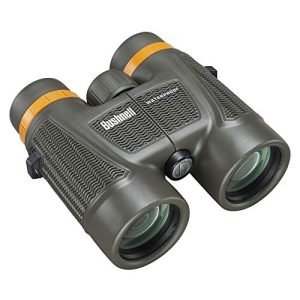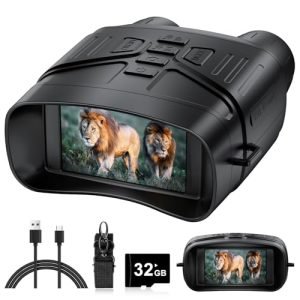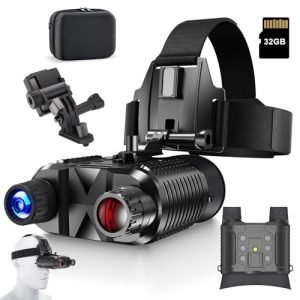
Have you ever wondered how soldiers can see clearly in complete darkness? Night vision binoculars might be the answer.
These powerful tools let you spot things your eyes can’t see at night. But are night vision binoculars really used in the military? If you’re curious about how these devices work and why they’re important for defense, keep reading. You’ll discover surprising facts that show just how vital night vision technology is for those who protect us.
Don’t miss out on what could change the way you see night-time operations forever.
Military Use Of Night Vision Binoculars
Night vision binoculars help soldiers see in the dark. They use special lenses and technology to show images at night.
These tools improve safety and accuracy during night missions. The military has used them for many years.
Historical Adoption
The military first used night vision in World War II. Early devices were large and heavy but worked in low light.
In the 1960s and 1970s, night vision technology became smaller and better. Soldiers could use binoculars more easily at night.
- World War II: First experimental night vision devices
- Vietnam War: Portable night vision goggles introduced
- 1970s: Night vision binoculars became common
Modern Deployment
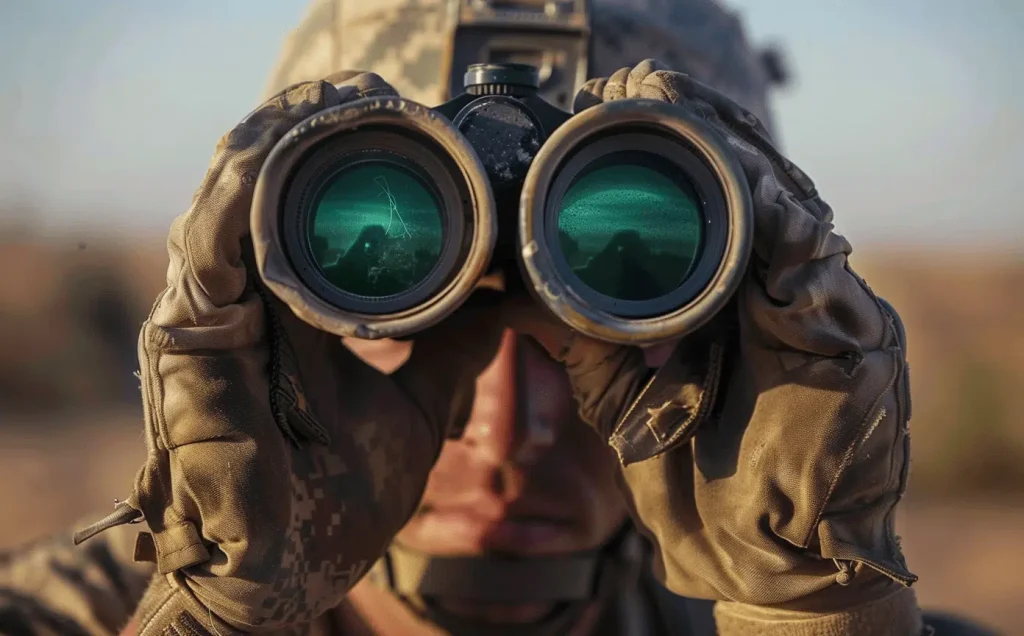
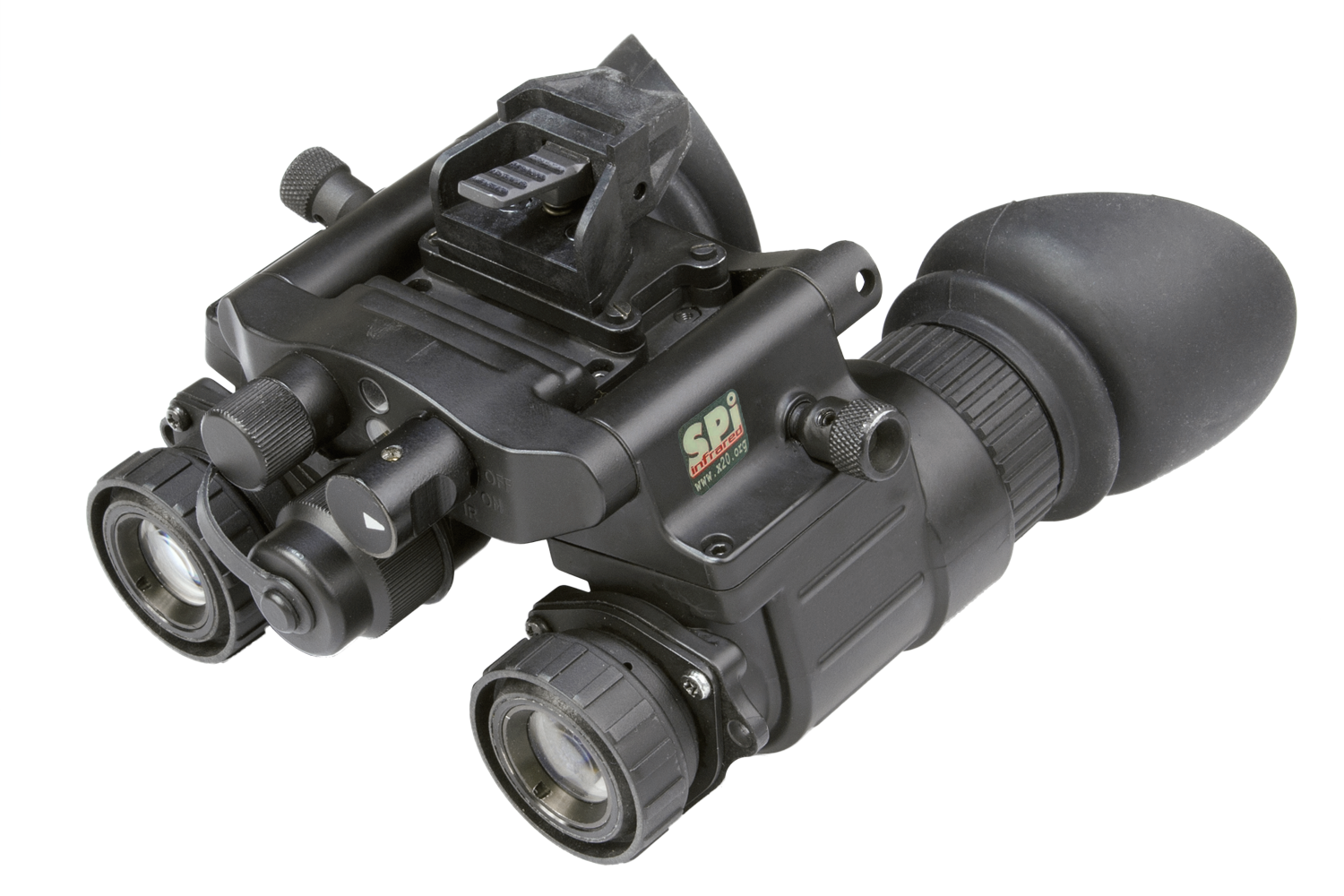
Today, the military uses advanced night vision binoculars. These devices offer clear views in total darkness.
Modern binoculars are lightweight and durable. They help soldiers spot enemies and navigate safely at night.
- Use in infantry and special forces operations
- Integration with digital and thermal imaging
- Improved battery life and image quality
Credit: 7b.org
Types Of Night Vision Devices In Combat
Night vision devices help soldiers see in the dark. These tools improve safety and mission success.
Different types of night vision binoculars are used in the military. Each type works in a unique way.
Image Intensifier Binoculars
Image intensifier binoculars make dim light brighter. They use ambient light like moon or stars.
These binoculars convert small light particles into electrons. Then they create a visible green image.
- Work best in low light conditions
- Show clear images in black and green shades
- Used for observation and target spotting
- Require some natural light to function
Thermal Imaging Binoculars
Thermal imaging binoculars detect heat from objects and people. They do not need any light to work.
These binoculars show heat as bright shapes against cooler backgrounds. They work well in total darkness.
- Detect heat signatures through smoke and fog
- Show clear images in complete darkness
- Used for surveillance and target detection
- Can spot hidden or camouflaged targets
Tactical Advantages In The Field
Night vision binoculars are important tools used by the military. They help soldiers see clearly in the dark. This gives them an edge during night missions.
These devices improve the ability to observe, find targets, and move quietly. They increase safety and effectiveness in dangerous areas.
Enhanced Surveillance
Night vision binoculars allow soldiers to watch enemy movements without being seen. They can monitor areas in total darkness.
This helps gather important information and avoid surprises. Soldiers can spot threats early and plan their actions better.
- See clearly in low light or no light
- Detect enemy positions from a safe distance
- Monitor wide areas quietly and safely
Improved Target Acquisition
Night vision binoculars help soldiers find and identify targets quickly. This reduces mistakes and increases mission success.
They allow for better aiming and faster response during night fights. Soldiers can track moving targets even in darkness.
- Spot targets faster in the dark
- Identify friend or foe clearly
- Enhance aiming accuracy at night
Stealth Operations
Night vision binoculars help soldiers move quietly without using lights. This keeps them hidden from enemies.
They can navigate tough terrain and avoid detection. This is important for surprise attacks and safe retreats.
- Move in darkness without using light
- Stay hidden from enemy view
- Perform surprise attacks safely

Credit: www.reddit.com
Challenges And Limitations
Night vision binoculars help soldiers see in the dark. They are useful but come with challenges. Understanding these limits is important.
These tools face problems from the environment, technology, and user training. Each factor affects their performance in the field.
Environmental Factors
Weather conditions can reduce the effectiveness of night vision binoculars. Fog, rain, and dust block or scatter light.
Bright lights, like explosions or street lamps, cause glare and make it hard to see. Cold temperatures can affect battery life.
- Fog and smoke blur the image
- Rain and dust reduce visibility
- Bright lights cause glare and distort vision
- Extreme cold drains batteries quickly
Technological Constraints
Night vision binoculars use special sensors and lenses. These have limits in how much detail they show at a distance.
Battery life is short, which limits use time. The devices can be heavy and bulky, affecting soldier movement and comfort.
- Limited image resolution at long ranges
- Short battery life restricts operation time
- Weight and size can slow down users
- Devices may require regular maintenance
Training Requirements
Using night vision binoculars well needs training. Soldiers must learn how to adjust the device and interpret images.
Proper training helps avoid mistakes like misjudging distance or missing targets. It also teaches how to care for the equipment.
- Training on device controls and settings
- Learning to read and interpret images
- Practicing movement while using binoculars
- Understanding equipment care and maintenance
Future Trends In Military Night Vision
Night vision binoculars are important tools for the military. They help soldiers see in the dark during missions. New technology is changing how these devices work.
Future trends focus on making night vision clearer, lighter, and easier to use. This helps improve safety and success in night operations.
Advancements In Technology
Military night vision is growing with better sensors and image processing. These changes allow clearer pictures even in very low light.
- Higher resolution sensors for sharper images
- Reduced device size and weight for easy carrying
- Improved battery life for longer missions
- Use of thermal imaging combined with night vision
- Smart software to highlight moving targets
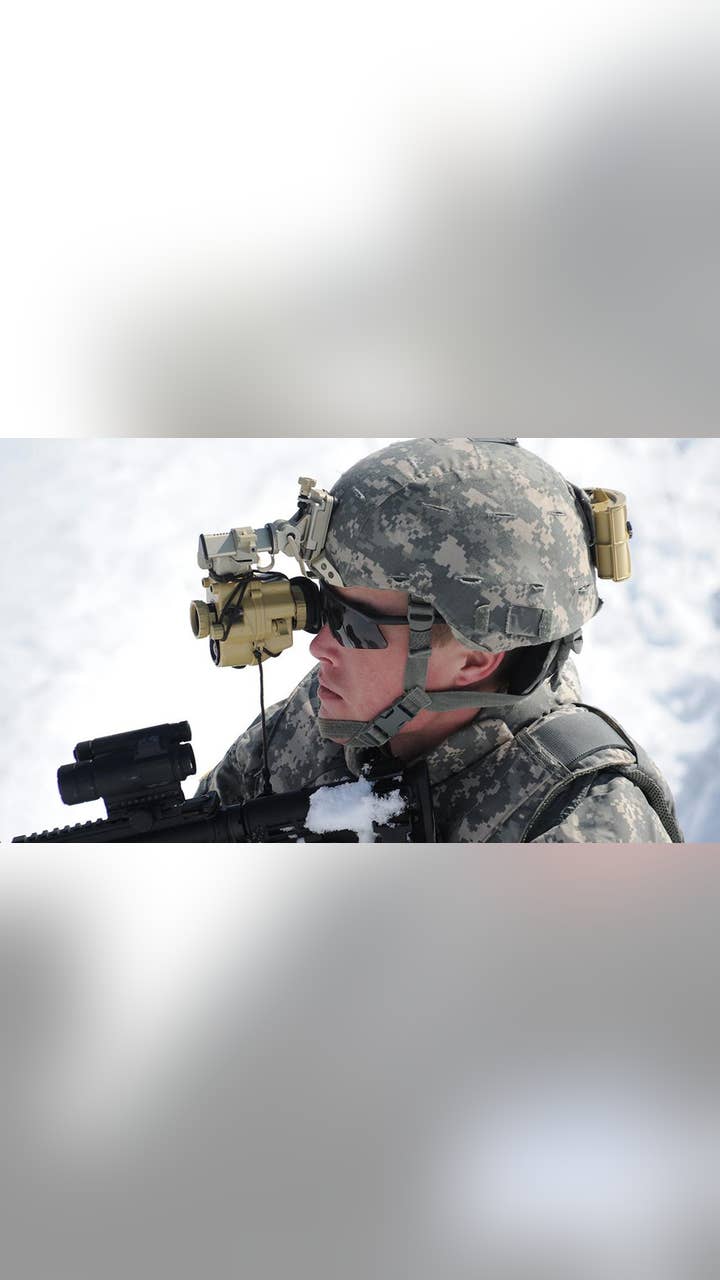
Integration With Other Systems
Night vision binoculars are now joining other military tools. This helps soldiers get more information quickly and act faster.
| System | Integration Benefits |
| Helmet-mounted displays | Hands-free viewing and data overlay |
| Drones and UAVs | Real-time video feed to binoculars |
| GPS and mapping tools | Location tracking and navigation help |
| Communication systems | Sharing night vision data with team |
Credit: www.foxnews.com
Frequently Asked Questions
Are Night Vision Binoculars Commonly Used In The Military?
Yes, night vision binoculars are widely used by military forces for surveillance and combat operations in low-light conditions. They enhance visibility at night, providing a tactical advantage during missions.
How Do Night Vision Binoculars Benefit Military Personnel?
They improve situational awareness, allowing soldiers to detect enemies and navigate safely in darkness. This technology increases mission success and reduces risks during nighttime operations.
What Technology Powers Military Night Vision Binoculars?
Military night vision binoculars typically use image intensification or thermal imaging technology. These systems amplify available light or detect heat signatures for clear night vision.
Can Night Vision Binoculars Be Used In Complete Darkness?
Yes, especially thermal imaging binoculars can detect heat signatures in total darkness. Image intensification devices need some ambient light but work well in very low light.
Conclusion
Night vision binoculars play a key role in military operations. Soldiers use them to see clearly in the dark. These devices help with safety and success in missions. They offer a clear advantage during night patrols or surveillance. Technology keeps improving, making night vision tools better and easier to use.
Military teams rely on these binoculars to stay alert and ready. Seeing in the dark is no longer a problem. This shows how important night vision binoculars are for the military today.