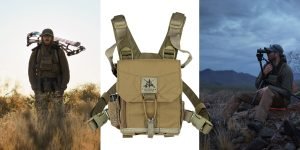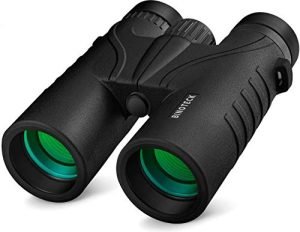
Are you planning to use military binoculars in tough outdoor conditions? You might be wondering, are military binoculars waterproof?
This question matters because nothing is more frustrating than gear that fails when you need it most. Imagine being out in the rain or near water and suddenly losing sight through fogged-up or damaged lenses. You’ll discover what makes military binoculars reliable in wet environments and how to choose the right pair that won’t let you down.
Keep reading to protect your investment and enhance your outdoor experience.
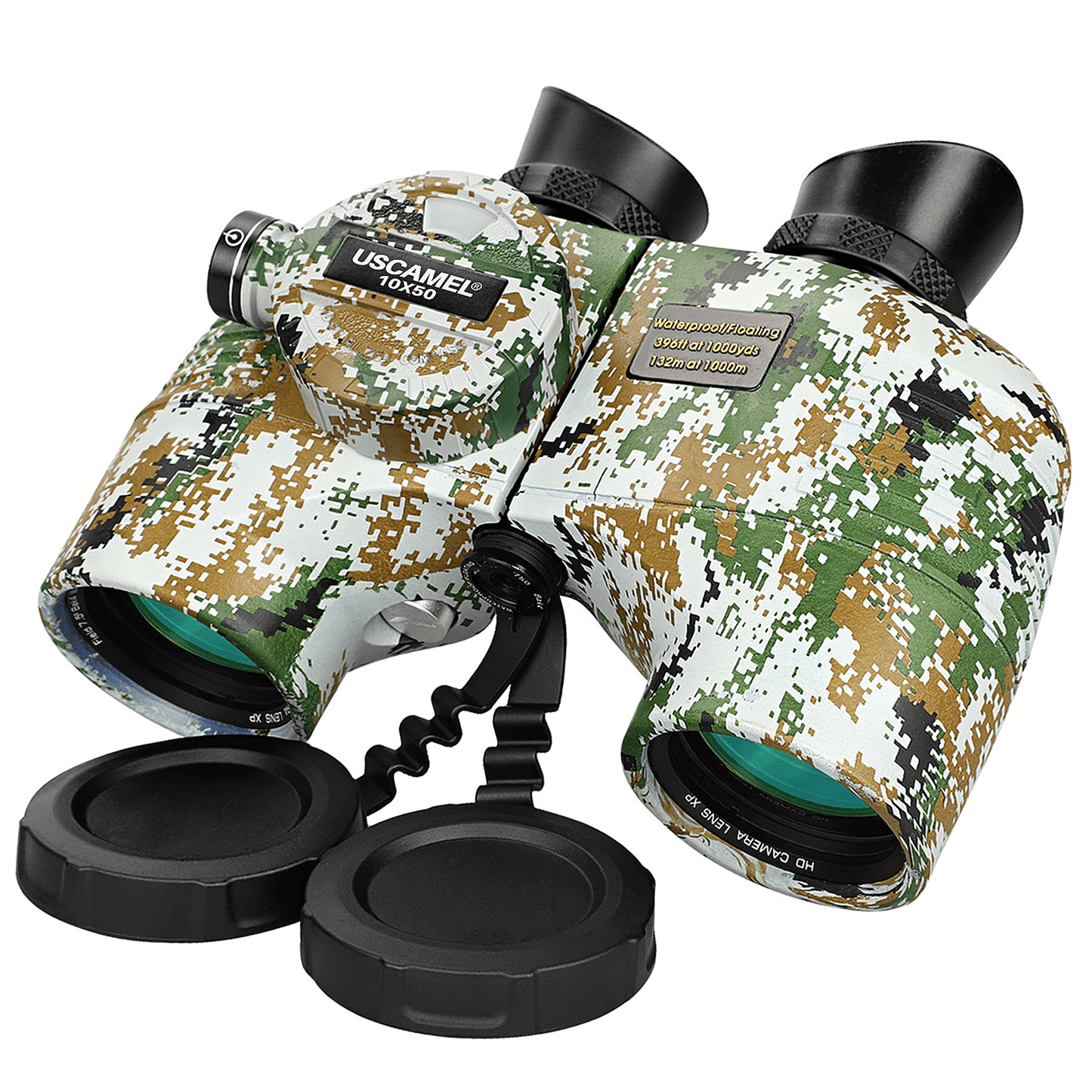
Credit: uscameloptics.com
Waterproof Features In Military Binoculars
Military binoculars often face tough weather and rough use. Their waterproof feature helps them work well in rain, fog, or wet conditions.
Waterproofing keeps moisture out, protecting the lenses and internal parts. This feature is important for soldiers in the field.
Materials Used For Waterproofing
Manufacturers use special materials to keep water away from the binoculars’ inside. These materials include rubber, silicone, and special coatings.
- Rubber coatings cover the outer body to block water.
- Silicone seals fill gaps to stop water entry.
- O-ring seals made of rubber provide tight closure.
- Hydrophobic lens coatings repel water drops on glass surfaces.
Sealing Techniques And Design
Good sealing design is key to waterproof binoculars. Makers use O-rings and sealed joints to block all water paths.
Common sealing methods include:
- O-ring seals around moving parts
- Glue or adhesive sealing on small openings
- Pressure testing to ensure no leaks
- Waterproof lens caps for extra protection
Standards And Ratings To Look For
| Standard | Description | What It Means |
| IPX7 | Protection against water immersion up to 1 meter for 30 minutes | Can survive heavy rain and short submersion |
| IPX8 | Protection against continuous water submersion beyond 1 meter | Safe for longer underwater exposure |
| Military MIL-STD-810G | Tested for water resistance in harsh conditions | Meets military water and dust resistance |

Credit: uscameloptics.com
Benefits Of Waterproof Binoculars In The Field
Military binoculars are often used in tough outdoor conditions. Waterproof models help users handle wet environments easily.
Using waterproof binoculars can improve reliability and protection during missions or outdoor activities.
Enhanced Durability
Waterproof binoculars have sturdy seals and coatings. These features prevent water damage and keep dust out.
- Strong outer casing protects against bumps and drops.
- Sealed joints stop water from entering sensitive parts.
- Materials resist rust and corrosion over time.
Reliable Performance In Harsh Conditions
Waterproof binoculars work well in rain, snow, or mud. They keep clarity even in tough weather.
| Condition | Benefit of Waterproof Binoculars |
| Heavy Rain | Clear vision without water spots |
| Snow and Ice | Lens and body stay dry and functional |
| Muddy Terrain | Easy cleaning without damage |
Protection Against Fogging And Moisture
Waterproof binoculars often have fog-resistant coatings. They prevent moisture build-up inside the lenses.
- Internal nitrogen or argon gas reduces fogging.
- Coated lenses keep views clear in cold or humid places.
- Moisture protection extends the life of the binoculars.
Common Misconceptions About Waterproof Binoculars
Many people believe all military binoculars are fully waterproof. This is not always true. Understanding the difference helps you choose the right gear.
Let’s clear up some myths about waterproof binoculars and what to expect from them in tough situations.
Water-resistant Vs. Waterproof
Water-resistant binoculars can handle light rain or splashes. They stop small amounts of moisture from getting inside. Waterproof binoculars are sealed tighter. They can survive being submerged in water for some time.
- Water-resistant means protection against light moisture.
- Waterproof means protection against full water immersion.
- Not all military binoculars are fully waterproof.
- Look for an IPX rating to know the level of water protection.
Limitations Under Extreme Conditions
Even waterproof binoculars have limits. Extreme cold, heat, or pressure can damage them. They might leak or fog up if pushed too far.
| Condition | Possible Effect |
| High Pressure Underwater | Seal failure and leaks |
| Extreme Cold | Lens fogging and cracks |
| High Heat | Warped parts and seal damage |
| Rapid Temperature Change | Condensation inside lenses |

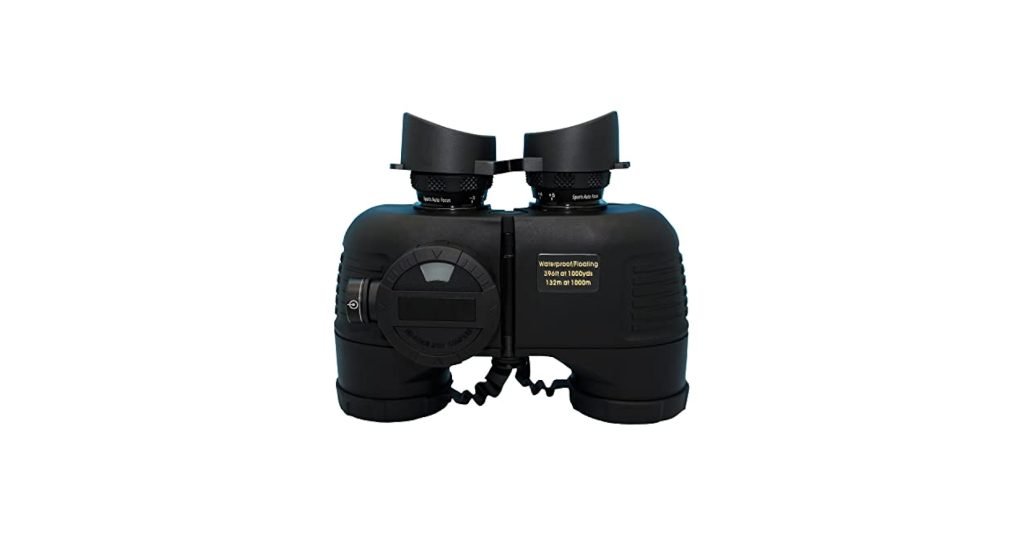
Credit: www.amazon.com
How To Test If Your Binoculars Are Waterproof
Military binoculars are often built to resist water. Knowing if your binoculars are waterproof helps protect them.
Simple tests at home can check their water resistance. Professional tests give more accurate results.
Basic Home Tests
At home, you can do a few safe tests to see if water enters your binoculars. Use gentle methods to avoid damage.
- Close all caps and covers tightly.
- Submerge binoculars in a bowl of water for a few minutes.
- Check for fog or water inside the lenses after removing.
- Look for leaks or moisture inside the eyepieces.
- Dry binoculars with a soft cloth after the test.
Do not press buttons or move parts underwater during this test. If you see water inside, your binoculars may not be waterproof.
Professional Testing Methods
Professionals use special equipment to test waterproof binoculars. These tests follow set standards for accuracy.
- Pressure testing tanks simulate underwater conditions.
- Humidity chambers check for internal fogging under moist air.
- X-ray or vacuum tests detect sealed air spaces.
- Thermal cycling exposes binoculars to heat and cold changes.
These tests confirm if binoculars can handle water and weather in tough situations. Professionals perform these tests in labs or factories.
Maintenance Tips For Waterproof Binoculars
Waterproof binoculars are designed to resist water damage. Proper care keeps them working well for a long time. Cleaning and storing them correctly helps avoid problems.
Use simple steps to maintain your binoculars after using them in wet conditions. This guide covers cleaning, storage, and repairs.
Cleaning After Exposure To Water
Rinse your binoculars with clean water after contact with salt or dirt. Use a soft cloth to dry the lenses gently. Avoid using harsh chemicals or rough materials.
- Use fresh water to wash off salt or dust
- Dry with a microfiber cloth only
- Do not open or disassemble the binoculars
- Let them air dry fully before storing
Storage Recommendations
Store binoculars in a dry place with moderate temperature. Keep them in a protective case to avoid dust and impact. Avoid storing in direct sunlight or damp areas.
| Storage Condition | Reason |
| Dry environment | Prevents mold and corrosion |
| Room temperature | Avoids damage from heat or cold |
| Protective case | Protects from dust and drops |
| Away from sunlight | Prevents lens damage and discoloration |
Handling Repairs And Warranty
Check the warranty terms before repairs. Contact the manufacturer or authorized service centers. Do not try to fix internal parts by yourself.
- Keep the purchase receipt for warranty claims
- Use only approved service centers for repairs
- Avoid opening sealed parts that affect waterproofing
- Report issues early to prevent further damage
Top Waterproof Military Binoculars On The Market
Military binoculars must endure tough conditions. Waterproofing is a key feature for durability. This helps protect against rain, snow, and humidity.
Many models on the market offer waterproof designs. Let’s explore important features and popular brands.
Features To Consider
Choosing waterproof military binoculars requires attention to several features. These features ensure performance and protection in harsh environments.
- Waterproof Rating:Look for IPX7 or IPX8 ratings. These ratings show resistance to water immersion.
- Fog Proof:Nitrogen or argon gas filling prevents internal fogging in cold or humid weather.
- Durability:Rubber coatings protect against shocks and drops.
- Lens Quality:Multi-coated lenses improve brightness and clarity.
- Magnification and Size:Balance between zoom power and portability is important.
Popular Models And Brands
Several brands offer reliable waterproof military binoculars. Below is a comparison of popular models and their key features.
| Model | Magnification | Waterproof Rating | Fog Proof | Weight (oz) |
|---|---|---|---|---|
| Brand A Tactical 10×42 | 10x | IPX7 | Yes | 24 |
| Brand B Pro 8×40 | 8x | IPX8 | Yes | 22 |
| Brand C Ranger 12×50 | 12x | IPX7 | Yes | 28 |
| Brand D Elite 7×35 | 7x | IPX8 | Yes | 20 |
Frequently Asked Questions
Are All Military Binoculars Waterproof?
Not all military binoculars are waterproof. Most modern models feature waterproof seals and nitrogen purging to prevent fogging. Always check product specifications to confirm waterproof ratings before purchase.
How Do Military Binoculars Resist Water Damage?
Military binoculars use O-ring seals and nitrogen gas to block water and moisture. This design prevents internal fogging and protects lenses during wet conditions.
Can Waterproof Military Binoculars Be Used Underwater?
Waterproof military binoculars resist rain and splashes but are not designed for full underwater use. For underwater viewing, specialized waterproof or dive binoculars are required.
What Waterproof Rating Should Military Binoculars Have?
Look for binoculars with at least an IPX7 rating for water resistance. This rating ensures protection against immersion in water up to 1 meter for 30 minutes.
Conclusion
Military binoculars often come with waterproof features for reliable use. This protects them from rain, splashes, and wet conditions. Waterproof seals and coatings keep moisture out effectively. Still, not all models offer the same level of protection. Checking product details ensures you pick binoculars suited for your needs.
Remember, waterproof does not mean submersible for long periods. Choose wisely to keep your gear safe and ready. Durability matters for outdoor and military activities. Waterproof binoculars add value but verify before buying.