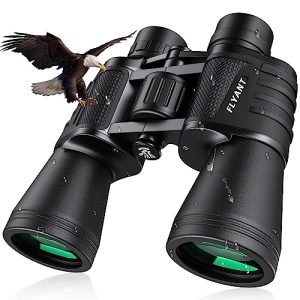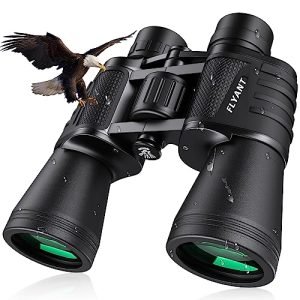
When you’re out hiking, having the right gear can make all the difference. You want binoculars that won’t let you down, especially when the weather turns wet or unpredictable.
So, are hiking binoculars waterproof? This question matters because your adventure shouldn’t stop just because of a little rain or a splash from a stream. Keep reading to discover what makes binoculars truly waterproof, how to choose the best ones for your outdoor trips, and why this feature could save your gear—and your view—when you need it most.
Hiking Binoculars Features
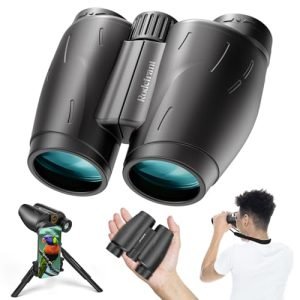
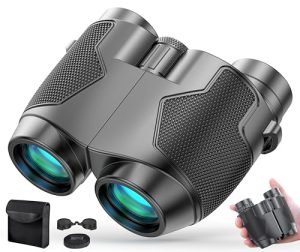
Good hiking binoculars must have clear and bright lenses. This helps you see far objects easily. The lenses often have coatings that reduce glare and improve color.
Binoculars with high magnification and wide field of viewmake spotting animals or landmarks easier. Look for models that balance power and size for comfort.
Durability is key. Many hiking binoculars are waterproof and fog-proof. This means they work well in rain or mist.
Strong materials like rubber or metal protect against bumps and drops. A good grip keeps binoculars steady in your hands.
| Feature | Description |
|---|---|
| Optical Quality | Clear lenses, anti-glare coating, bright and sharp images |
| Durability and Build | Waterproof, fog-proof, shock-resistant, rubber or metal casing |

Credit: www.amazon.com
Waterproof Vs Water-resistant
Hiking binoculars marked waterproof can handle full water exposure without damage. Water-resistant models only resist light splashes or mist. Understanding these terms helps choose the right binoculars for wet outdoor conditions.
Understanding Ratings
Waterproofmeans the binoculars can handle water fully. They won’t let water inside, even in heavy rain or if dropped in water. Water-resistantmeans the binoculars can resist some water, like light rain or splashes, but not full immersion.
Impact On Performance
Waterproof binoculars keep lenses clear and dry. This helps maintain good vision. Water-resistant binoculars may fog up or let water inside during heavy rain. This can hurt image qualityand damage the binoculars over time.
Importance Of Waterproofing
Waterproofing is very importantfor hiking binoculars. They face rain, fog, and wet conditionsduring hikes. This helps protect them from water damage.
Sometimes, binoculars can fall into water or get accidentally submerged. Waterproof models can survive such accidents without breaking.
- Protects lenses from fogging inside
- Keeps internal parts safe from water
- Ensures binoculars last longer outdoors
Testing Waterproof Binoculars
Testing waterproof binoculars involves checking their resistance to water and moisture. A common way is to submerge binoculars in waterfor a specific time. This helps see if water leaks inside.
Another method is spraying binoculars with water to mimic rain. This shows how well binoculars handle wet weather conditions.
Temperature changes test binoculars for fogging inside the lenses. Moving binoculars from hot to cold places can reveal this issue.
Some tests use pressure to ensure binocular seals hold tight and prevent water entry.
| Manufacturer Claims | What It Means |
|---|---|
| Waterproof | Can handle water contact without damage |
| Water-Resistant | Can resist some water but not full submersion |
| Fogproof | Lenses won’t fog from temperature changes |
| Shockproof | Built to resist damage from drops or bumps |
Choosing The Right Binoculars
Choosing binoculars means thinking about waterproof features. Waterproof binoculars protect lenses from rain, fog, and splashes. This keeps your view clear during hikes. Sealed O-rings and nitrogen filling stop water and fog inside.
Budget matters a lot. Cheaper models may lack full waterproofing. Mid-range binoculars often offer good water protection. Higher-end ones come with better optics and durability. Decide how much you want to spend based on use.
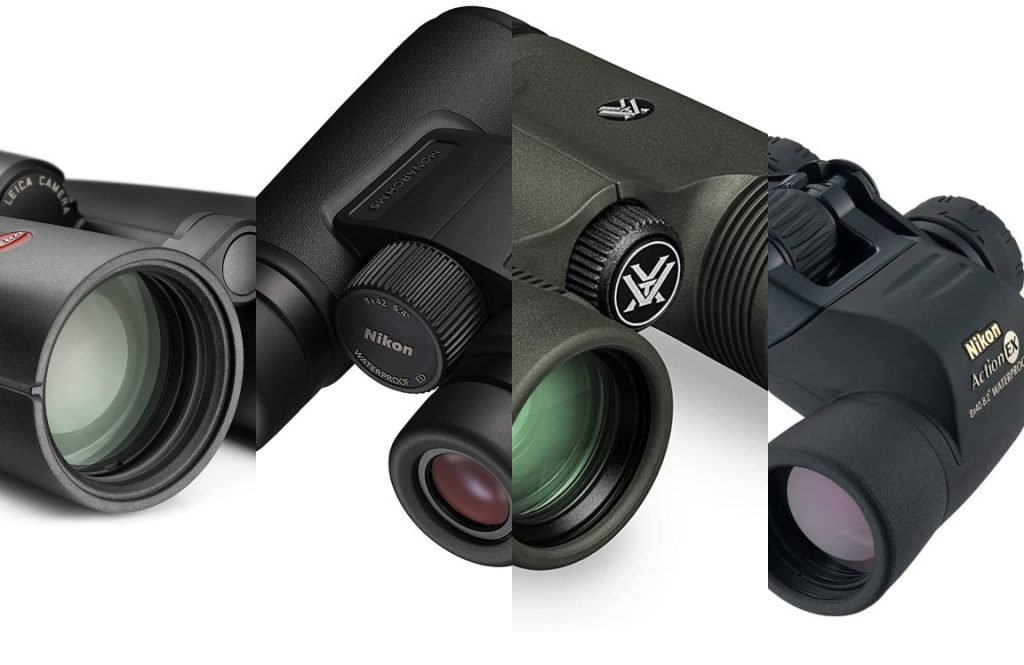
| Brand | Waterproof Rating | Price Range | Best For |
|---|---|---|---|
| Nikon | Fully waterproof, fog proof | Medium to High | Hiking and birdwatching |
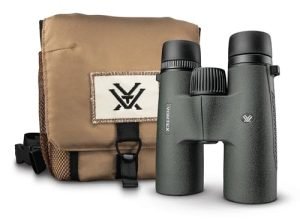
| Vortex | Waterproof and fog proof | Medium | Outdoor activities |
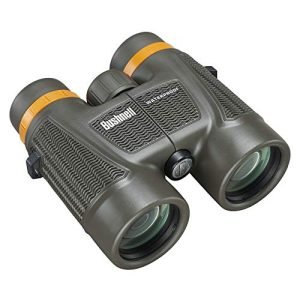
| Bushnell | Water resistant | Low to Medium | Casual use |
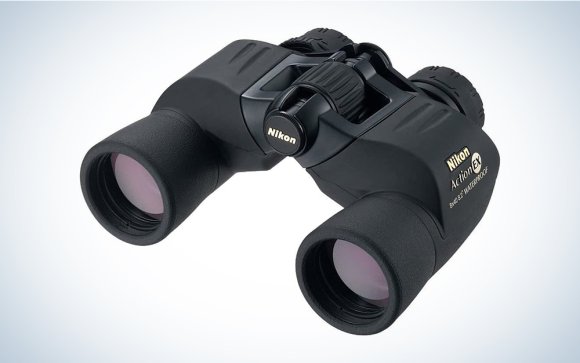
Credit: www.popsci.com
Maintenance Tips
Hiking binoculars often have waterproof features to protect against rain and moisture. Regular cleaning and drying help keep them in good condition. Storing binoculars in a dry place prevents damage and extends their life.
Cleaning And Storage
Keep lenses clean for clear views. Use a soft cloth to wipe dirt gently. Avoid harsh chemicals that can damage lenses. Store binoculars in a dry, cool place. Use a protective case to avoid dust and scratches. Remove moisture quickly to stop mold growth.
Handling Precautions
- Hold binoculars firmly but gently to avoid drops.
- Do not touch lenses with fingers to prevent smudges.
- Avoid exposing binoculars to extreme heat or cold.
- Check seals regularly to keep waterproof quality intact.
- Use the neck strap to prevent accidental falls.

Credit: www.amazon.com
Frequently Asked Questions
Are Hiking Binoculars Usually Waterproof?
Most hiking binoculars are waterproof or water-resistant. They use O-ring seals and nitrogen purging to prevent moisture entry. This feature protects lenses and internal parts during rain or wet conditions, ensuring clear views and durability on your outdoor adventures.
How To Check If Binoculars Are Waterproof?
Look for IPX ratings or terms like “waterproof” in product specs. Manufacturers often mention nitrogen-filled or sealed designs. Reading reviews and product descriptions helps confirm water resistance. Always verify before purchase to ensure binoculars withstand wet hiking environments.
Can Waterproof Binoculars Fog Up Inside?
Waterproof binoculars with nitrogen or argon gas rarely fog internally. Sealed construction prevents moisture from entering. However, rapid temperature changes might cause temporary external fog. Proper care and storage minimize fogging, maintaining clear vision during hiking trips.
Are Waterproof Binoculars More Expensive?
Waterproof binoculars tend to cost more due to added sealing and gas purging features. Quality materials and enhanced durability increase price. However, the investment ensures reliability and longevity, especially in harsh outdoor conditions, making them ideal for serious hikers.
Conclusion
Choosing waterproof hiking binoculars protects your gear from rain and moisture. They keep your view clear even in wet conditions. Not all binoculars are waterproof, so check product details before buying. Durable, waterproof models last longer and work better outdoors.
Your hiking trips become safer and more enjoyable with reliable binoculars. Always consider waterproof features for the best hiking experience. Stay prepared and enjoy nature without worry. Waterproof binoculars are a smart choice for any hiker.