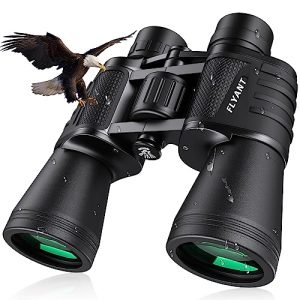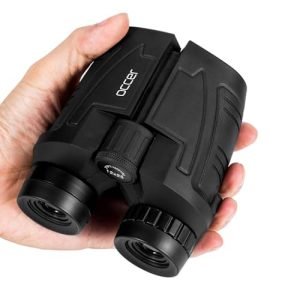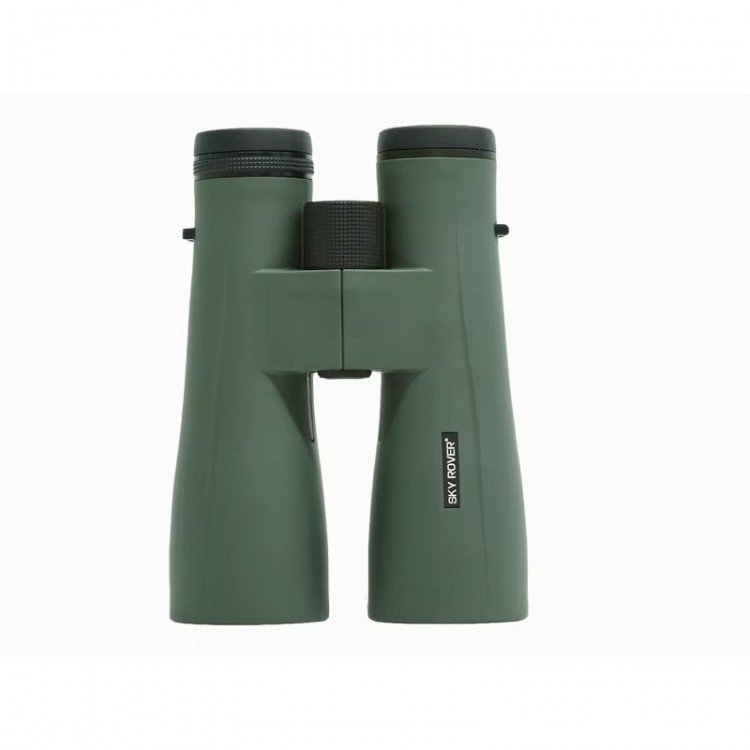
When you’re choosing binoculars, terms like “ED” and “Apo” can feel confusing. You might wonder, are ED binoculars the same as Apo binoculars?
Understanding the difference can make a huge impact on your viewing experience. Whether you’re birdwatching, hiking, or just exploring nature, knowing what these terms mean will help you pick the right pair for your needs. Keep reading, and by the end, you’ll feel confident about which binoculars match your vision goals perfectly.
Ed Vs Apo Binoculars
Binoculars often use special glass to improve image quality. Two common types are ED and APO lenses.
Understanding the difference helps you choose the right binoculars for clear and sharp views.
What Ed Means
ED stands for Extra-low Dispersion glass. This glass reduces color fringing around objects.
ED glass helps produce sharper images with better color accuracy compared to regular glass.
What Apo Means
APO means Apochromatic. APO lenses use multiple special glass elements to reduce color errors.
These lenses correct chromatic aberration better than ED lenses, creating very clear images.
- APO lenses use more than one type of special glass.
- They bring different colors of light to the same focus point.
- This process reduces blurring and color fringing strongly.
Core Differences
| Feature | ED Binoculars | APO Binoculars |
|---|---|---|
| Glass Type | Single Extra-low Dispersion glass | Multiple special glass elements |
| Chromatic Aberration | Reduced but present | Strongly minimized |
| Image Sharpness | High quality | Very high quality |
| Cost | Moderate | Usually higher |
| Complexity | Less complex design | More complex optical design |

Credit: www.ebay.com
Optical Performance
Ed binoculars and Apo binoculars differ in how they handle light and images. These differences affect the quality of what you see.
Understanding their optical performance helps you choose the right binoculars for your needs.
Color Accuracy
Color accuracy shows how true colors appear through the binoculars. Apo binoculars use special lenses to keep colors natural.
Ed binoculars reduce some color errors but not as well as Apo types. This means colors may look a little off with Ed binoculars.
Image Sharpness
Image sharpness means how clear and detailed the view is. Apo binoculars give sharper images because of their advanced lens design.
Ed binoculars offer good sharpness but may not show as much fine detail as Apo binoculars do.
Chromatic Aberration
Chromatic aberration is a color blur around objects. Apo binoculars almost eliminate this blur with their special lenses.
Ed binoculars reduce this blur, but some color fringes may still appear at high contrast edges.
Build Quality And Design
Ed binoculars and Apo binoculars differ mainly in their optical features, but their build quality and design also show some differences. Understanding these aspects helps you choose the right type for your needs.
This section looks at the materials used, lens coatings, and durability factors of both binocular types to clarify their build and design quality.
Materials Used
Both Ed and Apo binoculars use high-quality materials for the body and internal parts. These materials affect weight, strength, and handling comfort.
- Ed Binoculars:Often use lightweight metals like aluminum or magnesium for a sturdy but lighter frame.
- Apo Binoculars:Usually have a robust metal body, sometimes heavier but very strong and stable.
- Rubber coatings are common on both for better grip and shock resistance.
Lens Coatings
Lens coatings protect lenses and improve image quality by reducing glare and increasing light transmission.
| Ed Binoculars | Apo Binoculars | |
| Coating Type | Special extra-low dispersion coatings on lenses | Multiple layers including apochromatic coatings |
| Effect on Image | Sharp and clear image with reduced chromatic aberration | Sharper image with even less color fringing |
| Durability | Resistant to scratches and water | Highly resistant with added protective layers |
Durability Factors
Durability depends on build design, sealing, and resistance to elements like water and dust.
- Sealing:Both types often use O-ring seals to keep moisture and dust out.
- Shock Resistance:Rubber armor and internal padding protect against drops and bumps.
- Temperature Handling:Many models are nitrogen-purged to prevent fogging inside the lenses.
- Weight:Ed binoculars tend to be lighter, Apo models can be heavier but more rugged.
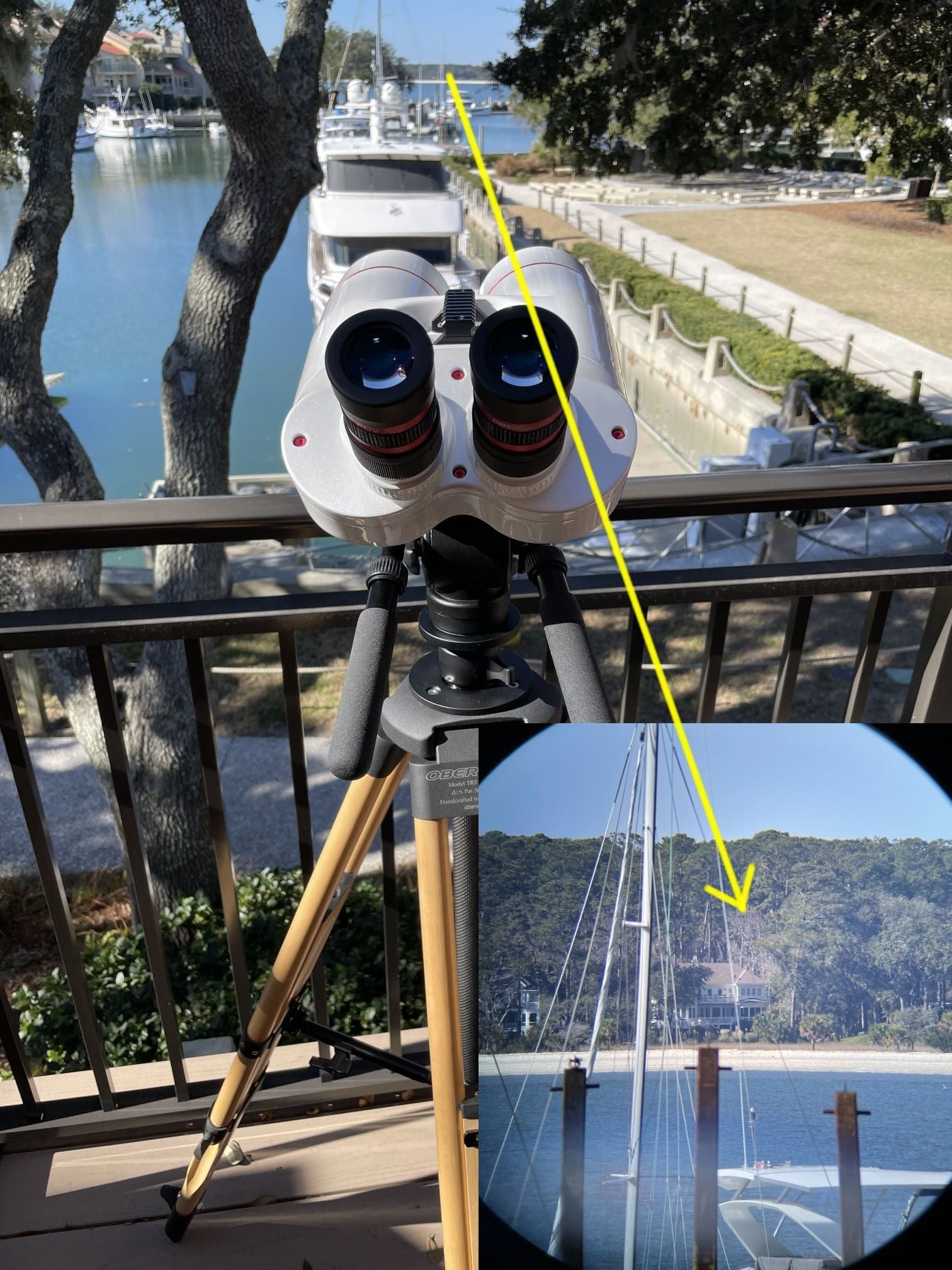
Credit: oberwerk.com
Price And Value
Choosing between ED binoculars and APO binoculars often depends on cost and value. Both types offer clear views but differ in price.
Understanding these differences helps buyers pick the right binoculars for their needs and budget.
Cost Comparison
ED binoculars usually cost less than APO binoculars. This is because APO lenses use special glass that reduces color errors more effectively.
| Type | Typical Price Range | Lens Quality |
| ED Binoculars | $150 – $800 | Extra-low Dispersion Glass |
| APO Binoculars | $500 – $2,000+ | Apochromatic Glass |
Value For Different Users
Different users find value in these binoculars based on their activities and budgets.
- Casual Users:ED binoculars offer good image quality at a fair price.
- Bird Watchers:APO binoculars give sharper images and better color accuracy.
- Professional Use:APO models suit experts who need the best optical performance.
- Budget Buyers:ED binoculars provide solid value without high cost.
Choosing The Right Binoculars
Picking the right binoculars can make a big difference in your experience. Not all binoculars are the same, and knowing the differences helps you choose well.
This guide focuses on key points to consider when deciding if Ed binoculars or Apo binoculars suit your needs.
Purpose And Usage
Think about how and where you will use the binoculars. Ed binoculars usually reduce color errors and are good for general use. Apo binoculars offer better image clarity and color correction for serious observation.
- Bird watching: Apo binoculars help see fine details.
- Hiking and travel: Ed binoculars are lighter and easier to carry.
- Stargazing: Apo binoculars give sharper images of stars.
- Sports events: Ed binoculars provide bright views in daylight.
Budget Considerations
Price can guide your choice between Ed and Apo binoculars. Apo types tend to be more expensive but deliver higher quality. Ed binoculars offer good performance at a lower cost.
| Binocular Type | Price Range | Quality |
| Ed Binoculars | $100 – $600 | Good color correction |
| Apo Binoculars | $400 – $2000+ | Superior clarity and color |
Brand Reputation
Choosing a trusted brand ensures good build and warranty. Many brands offer both Ed and Apo models. Look for brands known for quality optics and customer service.
Top brands to consider:
- Zeiss
- Leica
- Nikon
- Swarovski
- Vortex

Credit: www.amazon.de
Frequently Asked Questions
What Are Ed Binoculars?
ED binoculars use Extra-low Dispersion glass to reduce chromatic aberration. This improves image sharpness and color accuracy, making them great for detailed viewing and crisp visuals.
What Defines Apo Binoculars?
APO binoculars use apochromatic lenses to correct chromatic aberration across multiple wavelengths. This results in clearer, sharper images with minimal color fringing, ideal for high-precision optical performance.
Are Ed And Apo Binoculars The Same?
No, ED and APO binoculars differ in lens design and correction level. ED glass reduces chromatic aberration, while APO lenses offer superior correction across more wavelengths.
Which Binoculars Offer Better Image Quality, Ed Or Apo?
APO binoculars typically provide better image quality due to advanced lens correction. However, high-quality ED binoculars still deliver excellent clarity and color fidelity for most users.
Conclusion
Choosing between ED and APO binoculars depends on your needs. ED binoculars offer great color accuracy. APO binoculars provide superior clarity. Both types enhance your viewing experience. Think about your budget and preferences. Consider the environments you will use them in.
For birdwatchers or stargazers, APO might be better. Casual observers might prefer ED for its value. Research thoroughly before buying. This ensures you make an informed decision. Enjoy your adventures with the right binoculars.