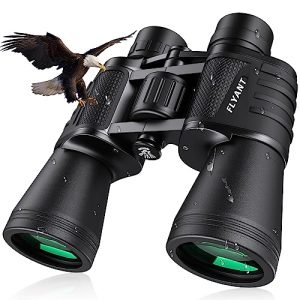
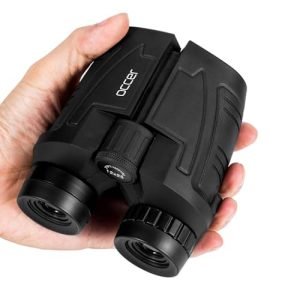
When you’re out on a safari, every moment counts. You need gear that helps you see the wild clearly, even from a distance.
That’s where ED binoculars come in. But are they really the right choice for safari guides like you? You’ll discover how ED binoculars can sharpen your view, improve your experience, and make your job easier. Keep reading to find out if these binoculars are the perfect match for your safari adventures.
What Are Ed Binoculars
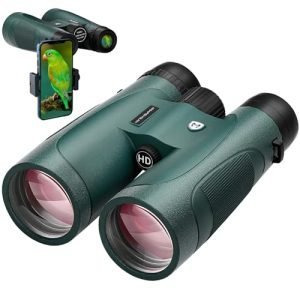
ED binoculars use special glass to improve image quality. ED stands for Extra-low Dispersion glass. This glass helps reduce color fringing around objects.
These binoculars show clearer and sharper views. They help users see details better, especially in bright light.
Benefits Of Ed Glass
ED glass improves color accuracy and sharpness. It reduces blurring and chromatic aberration, which can cause rainbow-like edges.
- Clearer images with true colors
- Sharper details at long distances
- Less eye strain during long use
- Better performance in bright sunlight
How Ed Binoculars Work
ED glass controls how light bends inside the binoculars. It uses special formulas to focus all colors to one point. This reduces color blur on the edges of objects.
Comparison Of Ed Vs Regular Binoculars
| Feature | ED Binoculars | Regular Binoculars |
| Image Sharpness | High | Medium |
| Color Accuracy | Excellent | Good |
| Chromatic Aberration | Low | High |
| Eye Comfort | Better | Average |
| Price | Higher | Lower |
Common Uses Of Ed Binoculars
- Bird watching
- Hiking and nature observation
- Sports events
- Safari and wildlife viewing
- Marine and boating activities

Credit: www.yahoo.com
Key Features Of Ed Binoculars
ED binoculars are popular for their clear vision and sharp images. They offer features that make them suitable for safari guides.
Understanding these key features helps in choosing the right binoculars for wildlife viewing and outdoor adventures.
Enhanced Optical Clarity
ED binoculars use special glass that improves image sharpness. This glass reduces distortion and gives clear views. Safari guides benefit from this clarity to spot animals from far away.
Reduced Chromatic Aberration
Chromatic aberration causes color fringing around objects. ED lenses cut down this problem. This means colors look natural and edges are clean. This feature helps guides see details better in bright light.
Durability And Build Quality
Safari conditions are tough on gear. ED binoculars often come with strong housings that resist dust and water. This makes them last longer during safaris.
| Feature | Benefit for Safari Guides |
| Waterproof Design | Works well in rain and wet conditions |
| Shockproof Body | Withstands drops and rough handling |
| Rubber Coating | Provides good grip and protection |
Weight And Portability
ED binoculars can be heavy, but many models balance weight and size well. Safari guides prefer lightweight binoculars for easy carrying all day.
- Compact size fits in bags easily
- Lightweight design reduces arm strain
- Straps and cases add to portability
Why Safari Guides Need Reliable Binoculars
Safari guides must see animals from far away. Good binoculars help them do this well.
Reliable binoculars keep guides safe and help them share the experience with tourists.
Spotting Wildlife From A Distance
Binoculars let guides see animals without getting too close. This keeps both safe.
Good optics show clear images even in low light or far away places.
- Find animals early and avoid surprises
- Watch animal behavior from a safe distance
- Spot rare or hidden species quickly
Navigating Diverse Terrains
Binoculars help guides see the land ahead. This aids in choosing the safest paths.
They can spot obstacles like rocks, water, or thick bushes before walking there.
- Identify clear trails and avoid dangers
- Check weather signs from far away
- Plan better routes for the group
Communicating With Tourists
Guides use binoculars to point out animals and plants to tourists. This makes tours fun.
Showing clear views helps tourists learn and enjoy the safari experience more.
- Spot animals and share details easily
- Help tourists see things they might miss
- Enhance storytelling with real-time views
Advantages Of Ed Binoculars For Safari Use
ED binoculars are popular among safari guides. They provide clear and bright views, which help spot animals easily.
These binoculars are designed to work well in different light conditions. They help guides see details better and stay comfortable during long safaris.
Improved Image Quality In Low Light
ED binoculars use special glass that reduces color blur. This makes images sharper, especially at dawn or dusk.
Safari guides often work early in the morning or late in the evening. ED glass helps them see animals clearly in these low light times.
Sharper Detail Recognition
ED binoculars show fine details like fur patterns and bird feathers. This helps guides identify animals quickly and accurately.
Sharper images reduce eye strain. Guides can observe wildlife without missing important features.
Comfortable Long-term Use
Many ED binoculars are lightweight and have good grip. This makes them easy to carry during long safari trips.
Comfort helps guides stay focused. They do not get tired from holding or using binoculars for many hours.
Potential Drawbacks For Safari Guides
Ed binoculars offer clear views but may not suit all safari guides. Some features might cause issues in the field.
It is important to consider certain drawbacks before choosing Ed binoculars for safari work.
Higher Cost Compared To Standard Models
Ed binoculars often cost much more than regular models. Safari guides may find the price hard to justify.
Paying more might not always bring extra benefits needed during a safari.
- High price can limit buying multiple units.
- Extra cost may not improve durability.
- Budget constraints affect guide equipment choices.
Fragility Concerns In Harsh Conditions
Ed binoculars have delicate lenses and coatings. Rough safari environments can cause damage more easily.
Exposure to dust, moisture, and bumps can reduce their lifespan on safari trips.
- Sensitive lenses need careful handling.
- Strong impacts may crack or misalign optics.
- Humidity and dust can harm internal parts.
Comparing Ed Binoculars With Other Types
ED binoculars use extra-low dispersion glass. This glass reduces color blur and sharpens images. Safari guides need clear views for spotting animals from a distance.
This article compares ED binoculars with standard roof prism and porro prism binoculars. It also looks at waterproof and fogproof features important for safaris.
Standard Roof Prism Binoculars
Standard roof prism binoculars are compact and lightweight. They have straight barrels, making them easy to carry on long trips. These binoculars offer good image quality but usually lack ED glass.
Without ED glass, colors may not be as sharp. Roof prism models are often more durable than porro prisms. They suit safari guides who want a balance of size and performance.
Porro Prism Binoculars
Porro prism binoculars have a wider shape with offset barrels. They often provide better depth perception and a wider field of view. These binoculars usually cost less than ED models.
- Good light transmission
- Wider field of view
- Heavier and bulkier design
- Less compact for long hikes
- Colors may not be as clear without ED glass
Porro prisms can be useful in low light, but they lack the color accuracy of ED binoculars. Safari guides may find them less convenient due to size.
Waterproof And Fogproof Features
| Feature | Importance for Safari Guides | ED Binoculars | Other Types |
| Waterproof | Protects against rain and wet conditions | Often included | Varies, sometimes missing |
| Fogproof | Prevents lens fogging in humid areas | Usually nitrogen or argon purged | Less common |
| Durability | Withstands rough use and drops | High with good sealing | Varies by model |
Waterproof and fogproof features are key for safaris. ED binoculars often have these features built-in. Other binocular types may lack full protection.
Top Ed Binocular Models For Safari Guides
ED binoculars use extra-low dispersion glass for sharp images. Safari guides need clear views to spot animals from far away. Choosing the right ED binoculars improves their work.
Many models fit different budgets and needs. Here are top ED binoculars for safari guides, split by price and features.
High-end Professional Options
High-end ED binoculars offer the best image quality and durability. These models have strong lenses and good light gathering for dawn and dusk.
They are lightweight and weatherproof. These features help guides stay comfortable and ready in tough conditions.
- Large objective lenses for bright views
- Waterproof and fog proof construction
- Wide field of view for easy spotting
- Strong build for rough use
Mid-range Choices For Budget
Mid-range ED binoculars balance price and performance. They still offer clear images and decent durability.
These models suit guides who want good quality without high cost. They work well in most daylight conditions.
- Good glass quality for sharp views
- Some waterproofing features
- Comfortable to hold for long periods
- Moderate weight and size
Affordable Yet Reliable Picks
Affordable ED binoculars provide essential features at low cost. They are suitable for guides starting out or on a tight budget.
Though simpler, they still improve image clarity over standard binoculars. These models are good for clear, sunny days.
- Basic ED glass for sharper images
- Lightweight and easy to carry
- Simple design with fewer extra features
- Good value for price
Tips For Choosing The Right Binoculars
Choosing the right binoculars is important for safari guides. The correct pair helps spot animals clearly and quickly.
Consider factors like magnification, size, weight, and support. These make a big difference during long safaris.
Assessing Magnification And Lens Size
Magnification shows how close objects appear. Lens size controls how much light enters. Bigger lenses give brighter images.
For safari guides, a balance between magnification and lens size is key. Too much magnification can cause shaky views.
- Choose 8x to 10x magnification for clear details.
- Lens size around 32mm to 42mm is good for brightness.
- Higher magnification means narrower view and more shake.
Considering Weight And Ergonomics
Safari guides carry binoculars for many hours. Lightweight models reduce fatigue and improve comfort.
Ergonomics matter. Binoculars should fit well in hand and be easy to adjust. Rubber grips help in wet conditions.
- Look for binoculars under 700 grams (1.5 pounds).
- Choose models with smooth focus wheels.
- Check for rubber coating to prevent slipping.
Checking Warranty And Customer Support
A good warranty protects your binoculars from defects and damage. Customer support helps with repairs and questions.
Safari guides need reliable gear. Choose brands with clear warranty policies and easy support access.
- Find binoculars with at least a 2-year warranty.
- Check if customer support is reachable by phone or email.
- Look for repair services near your location.
Maintaining Ed Binoculars In The Field
ED binoculars are valuable tools for safari guides. Proper care helps keep them reliable outdoors. This guide covers basic maintenance tips.
Following simple routines protects your binoculars from damage. It also improves their performance during your trips.
Cleaning And Storage Best Practices
Keep your binoculars clean to get clear views. Dirt and moisture can harm lenses and mechanics.
- Use a soft brush to remove dust from lenses.
- Wipe lenses gently with a microfiber cloth.
- Apply lens cleaner only designed for optics.
- Store binoculars in a dry, padded case when not in use.
- Avoid leaving them in direct sunlight or extreme heat.
- Open the case occasionally to air out moisture.
Handling Repairs And Replacements
Fix minor problems early to avoid bigger damage. Some repairs can be done in the field, while others need experts.
| Issue | Field Action | Professional Repair Needed |
| Loose eyepiece | Tighten gently by hand | No |
| Fog inside lenses | Dry with silica gel packets | Yes |
| Scratched lens | Clean carefully, avoid further damage | Yes |
| Broken focus wheel | Use only if functional | Yes |
| Cracked housing | Protect from moisture and shock | Yes |

Credit: www.amazon.com
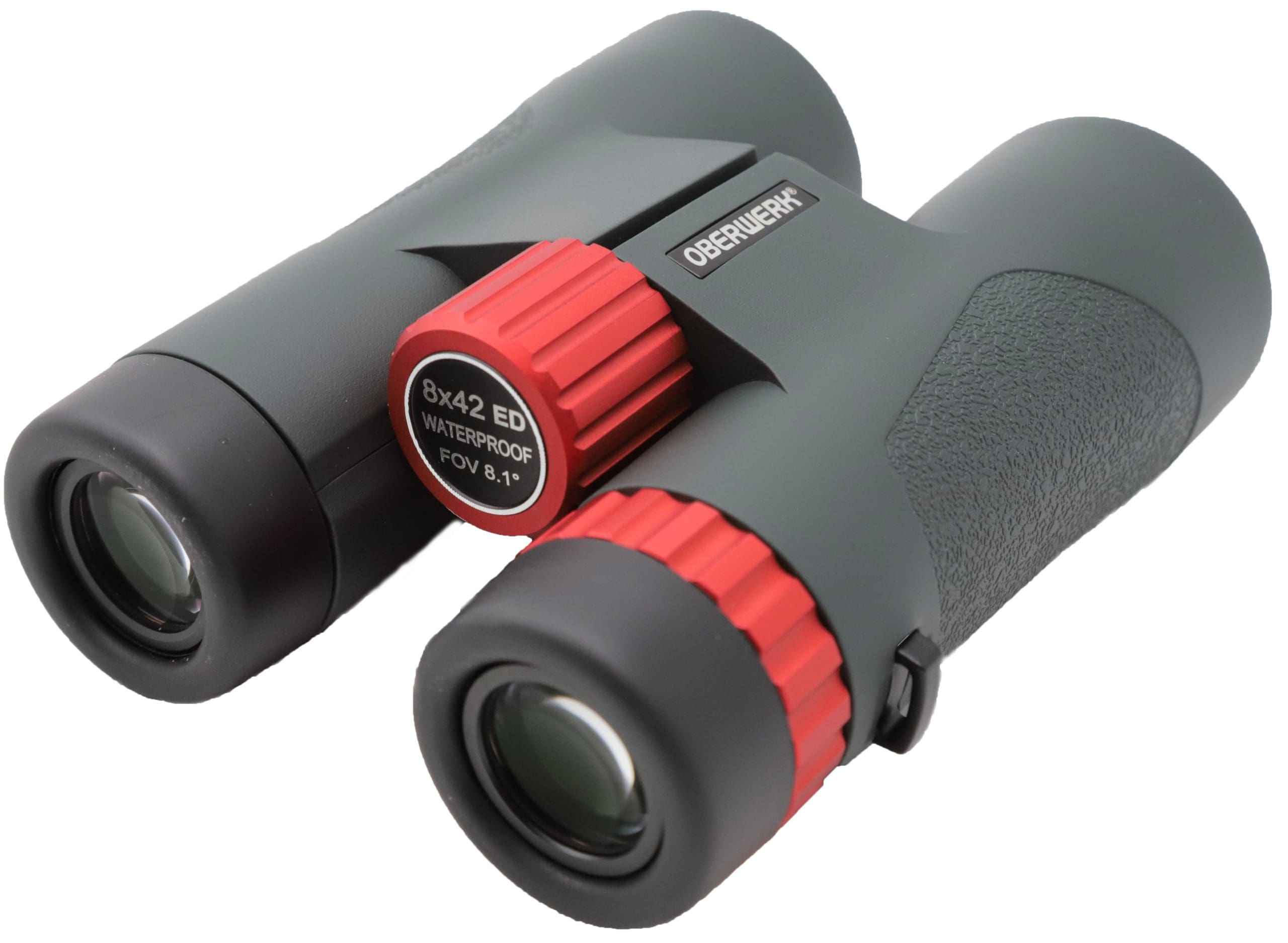
Credit: oberwerk.com
Frequently Asked Questions
What Makes Ed Binoculars Ideal For Safari Guides?
ED binoculars use extra-low dispersion glass to produce clear, sharp images. This enhances wildlife viewing by reducing color fringing and improving detail, essential for safari guides spotting animals at a distance.
How Do Ed Binoculars Improve Wildlife Observation?
ED glass provides high-resolution images with accurate colors. This clarity helps safari guides identify animals quickly and track movements effectively, making ED binoculars a valuable tool in the field.
Are Ed Binoculars Durable Enough For Safari Conditions?
Yes, most ED binoculars are built with robust, waterproof, and fog-proof materials. These features ensure reliability and durability in harsh safari environments, protecting the optics during outdoor adventures.
Do Ed Binoculars Offer Better Low-light Performance?
ED binoculars often have superior light transmission and contrast. This improves visibility during dawn and dusk, crucial times for safari guides when many animals are most active.
Conclusion
ED binoculars offer clear images and strong lenses for safari guides. They help spot animals from far distances with ease. The light and durable design suits long hours outdoors. Comfort matters during safaris, and ED binoculars deliver on that. Their colors appear sharp and true, aiding quick animal identification.
For guides, reliable gear is key. ED binoculars meet these needs well. They combine quality, comfort, and clarity in one tool. A smart choice for anyone leading safaris.