Are you wondering if your ED binoculars are phase-corrected? This question matters more than you might think.
Understanding phase correction can unlock sharper, brighter views and make your binocular experience truly outstanding. If you want to see clearer details and enjoy every moment outdoors, keep reading. We’ll break down what phase correction means for your ED binoculars and why it could change the way you see the world.
Don’t miss out on this simple tip that can boost your viewing power instantly.
What Are Ed Binoculars
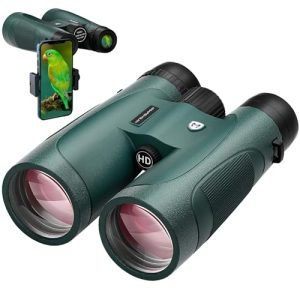
ED binoculars use special glass to improve image quality. ED stands for Extra-low Dispersion glass.
This glass reduces color distortion and makes images sharper. Many bird watchers and hunters prefer ED binoculars.
Definition Of Ed Glass
ED glass has a unique property to reduce chromatic aberration. This means less color fringing around objects.
How Ed Binoculars Work
The lenses in ED binoculars use special elements to control light better. This helps create clearer and brighter images.
- Light passes through ED glass elements
- Colors focus more accurately on the retina
- Images appear sharper and more natural
- Reduce eye strain during long use
Benefits Of Ed Binoculars
| Benefit | Explanation |
| Sharper Images | Less blurring and clearer details |
| Better Color Accuracy | True colors with less distortion |
| Reduced Eye Strain | Comfortable viewing for longer times |
| Improved Contrast | Clear difference between light and dark areas |
Ed Binoculars Vs. Standard Binoculars
Standard binoculars use regular glass that can cause color fringing. ED binoculars fix this problem with special glass.
- ED binoculars show less color blur on edges
- Standard binoculars may show purple or green halos
- ED binoculars have better image clarity
Role Of Phase Correction
Phase correction is a key feature in binocular optics. It helps improve image clarity and color accuracy. This is important for binoculars that use roof prisms.
Without phase correction, images may look blurry or have poor contrast. This happens because light waves can get out of sync inside the prism.
What Is Phase Correction?
Phase correction fixes the problem of light waves shifting out of phase. This shift can cause a loss in image quality. Special coatings are added to the prisms to correct this shift.
How Phase Correction Affects Ed Binoculars
Extra-low dispersion (ED) binoculars focus on reducing color blur. Phase correction improves sharpness and contrast in these binoculars. Both features work together to enhance viewing.
- ED glass reduces color fringing
- Phase correction improves image sharpness
- Combined, they give clearer and brighter views
How To Identify Phase-corrected Binoculars
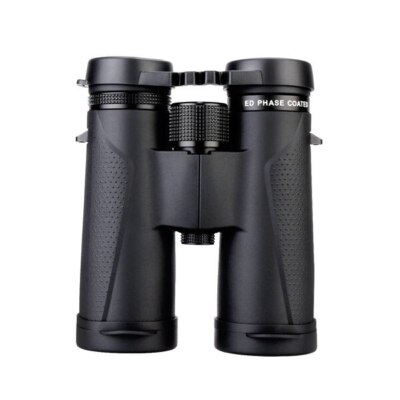
Manufacturers often label binoculars with phase correction. Look for terms like “PC” or “Phase Coated” in the product description. These indicate the prisms have phase-corrective coatings.
| Label | Meaning |
| PC | Phase Correction Coating |
| Phase Coated | Prisms have phase correction |
| ED | Extra-Low Dispersion Glass |
Ed Glass And Phase Correction Link
ED glass stands for Extra-low Dispersion glass. It helps reduce color fringing in binoculars.
Phase correction is a coating that improves image sharpness. It works mainly with roof prism binoculars.
What Is Ed Glass?
ED glass lowers light dispersion inside lenses. This means colors stay true and clear.
It is important for binoculars used in bright light or long distances. ED glass helps reduce blurry edges.
What Is Phase Correction?
Phase correction is a special coating on roof prism binoculars. It fixes phase shifts in light waves.
This correction makes images sharper and more detailed. Without it, images can look soft or blurry.
Are Ed Binoculars Phase-corrected?
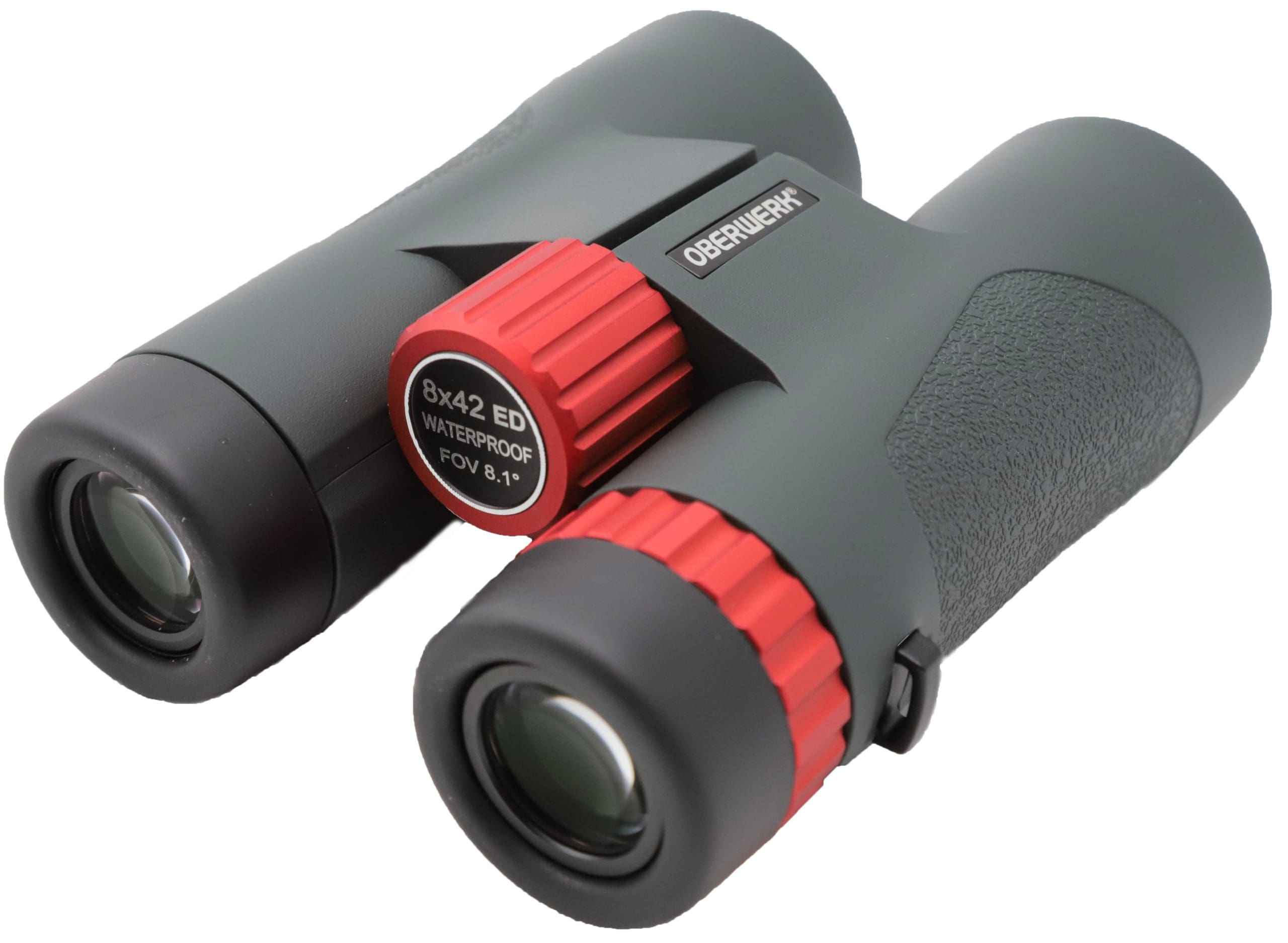
Not all ED binoculars have phase correction. ED glass and phase correction serve different purposes.
ED glass improves color quality. Phase correction improves image sharpness in roof prisms.
- Some ED binoculars use roof prisms and have phase correction.
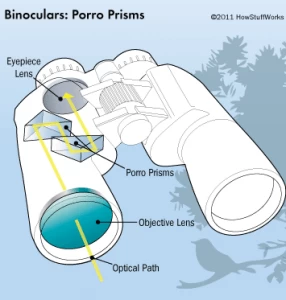
- Some ED binoculars use Porro prisms and do not need phase correction.
- Always check the specs to see if phase correction is included.
Credit: oberwerk.com
Identifying Phase-corrected Binoculars
Phase-corrected binoculars have special coatings on their prisms. These coatings improve image quality by fixing phase shift issues.
Not all binoculars have phase correction. Knowing how to identify them helps you choose better optics.
Coating Indicators
Phase-corrected binoculars usually show a purple or violet coating on the roof prisms. This color comes from the special phase-correction film.
The coating is visible when you look at the prism surface through the lens. It helps reduce light loss and improve sharpness.
- Purple or violet tint on prisms
- Shiny, smooth coating layer
- Improves contrast and resolution
Manufacturer Specifications
Binocular makers often list phase correction in their product details. Look for terms like “phase-coated” or “phase correction” in the specs.
Check the official website or product manual. They usually mention if the binoculars have phase-corrected prisms.
- Look for “phase-corrected” or “phase coating”
- Check prism type: roof prism models often use phase coatings
- Read product descriptions carefully
Benefits Of Phase Correction
Phase correction improves the image quality in binoculars. It fixes light waves that are out of sync. This helps produce clearer and sharper views.
Many high-quality binoculars use phase correction coatings on their prisms. This feature enhances contrast and detail, especially in bright light conditions.
Sharper Image Quality
Phase correction stops light waves from overlapping incorrectly. This reduces blurry edges and improves sharpness. You see more details in objects far away.
Binoculars with phase correction give clearer views than those without it. This is important for bird watching or sports events.
Better Contrast And Color
Phase correction coatings boost contrast by aligning light waves properly. This makes colors look more natural and vivid.
With better contrast, you can see objects clearly even in low light or fog. This feature helps during dawn or dusk.
Improved Brightness
Phase-corrected binoculars transmit more light to your eyes. This results in a brighter image and better viewing comfort.
You can enjoy clear views for longer periods without eye strain. This is useful for long hikes or nature watching.
Reduced Eye Fatigue
Phase correction helps your eyes focus easier on the image. This reduces tiredness during extended use.
Less eye strain means you can observe scenes for a longer time. This is helpful for professional use or serious hobbyists.

Credit: www.haringibon.com
Common Misconceptions
Many people wonder if ED binoculars are phase-corrected. This question comes from confusion about optical terms. It is important to know what ED and phase-correction mean.
ED stands for Extra-low Dispersion glass. It helps reduce color fringing in binoculars. Phase-correction deals with the way light waves combine after reflecting inside prisms.
What Does Ed Mean?
ED glass improves image clarity by reducing chromatic aberration. This means colors look sharper and more natural. ED is about the glass type used in lenses, not prism coatings.
What Is Phase-correction?
Phase-correction is a special coating applied to roof prisms. It fixes phase shift problems that can blur details. This coating is unrelated to the glass type used in lenses.
Are Ed Binoculars Automatically Phase-corrected?
No, having ED glass does not mean binoculars are phase-corrected. These are two different features. You can find binoculars with ED glass but no phase-correction coating.
- ED glass improves color accuracy and sharpness.
- Phase-correction coating improves image contrast and detail.
- Manufacturers may include one, both, or neither feature.
- Check product details to know which features are present.
How To Identify Phase-corrected Binoculars
| Feature | ED Glass | Phase-Correction |
| Purpose | Reduce color fringing | Fix phase shift in prisms |
| Location | Lens glass | Prism coating |
| Effect | Sharper colors | Clearer image details |
| Always together? | No | No |
Choosing The Right Binoculars
Picking the right binoculars can be tricky. It depends on what you want to use them for.
This guide helps you understand key points before buying binoculars.
Purpose And Usage
Think about why you need binoculars. Different activities need different features.
- Bird watching needs clear, sharp images and good color.
- Hiking binoculars should be light and easy to carry.
- Marine binoculars must resist water and glare.
- Hunting binoculars often need strong zoom and low-light performance.
Budget Considerations
Binocular prices vary. Set a budget before you shop to narrow choices.
| Price Range | Typical Features | Who It Suits |
| Under $50 | Basic optics, limited durability | Casual users, beginners |
| $50 – $200 | Better lenses, some water resistance | Hobbyists and occasional users |
| $200 – $500 | High-quality optics, durable build | Serious hobbyists and outdoor users |
| Above $500 | Professional-grade optics, phase-corrected prisms | Experts and professionals |
Credit: www.ebay.com
Frequently Asked Questions
What Does Phase-corrected Mean In Ed Binoculars?
Phase-corrected means the prism coatings reduce phase shift in light waves. This improves image clarity and contrast in ED binoculars.
Are All Ed Binoculars Phase-corrected?
Not all ED binoculars are phase-corrected. Many premium models include phase correction for sharper images, but budget options might lack it.
How Does Phase Correction Affect Binocular Image Quality?
Phase correction enhances resolution and contrast by aligning light waves. This results in brighter and more detailed images through ED binoculars.
Can I Identify Phase-corrected Ed Binoculars Easily?
Phase-corrected ED binoculars usually have special coatings labeled as phase correction. Check product specs or manufacturer details to confirm this feature.
Conclusion
ED binoculars often include phase-corrected coatings to improve image clarity. These coatings reduce distortion and enhance sharpness. Not all ED binoculars have this feature, so check product details carefully. Phase correction matters for better color and contrast in your view.
Choosing the right binoculars depends on your needs and budget. Clear images help you enjoy nature or sports more fully. Remember, quality optics make a big difference in your experience.