Are you curious about the quality of your binoculars and how well they perform in different lighting conditions? If you’ve come across the term “ED binoculars,” you might be wondering whether they are multi-coated and what that means for your viewing experience.
Understanding the coatings on your binocular lenses can make a big difference in clarity, brightness, and overall satisfaction. Keep reading to discover how ED binoculars are coated and why it matters to you every time you raise them to your eyes.
What Are Ed Binoculars
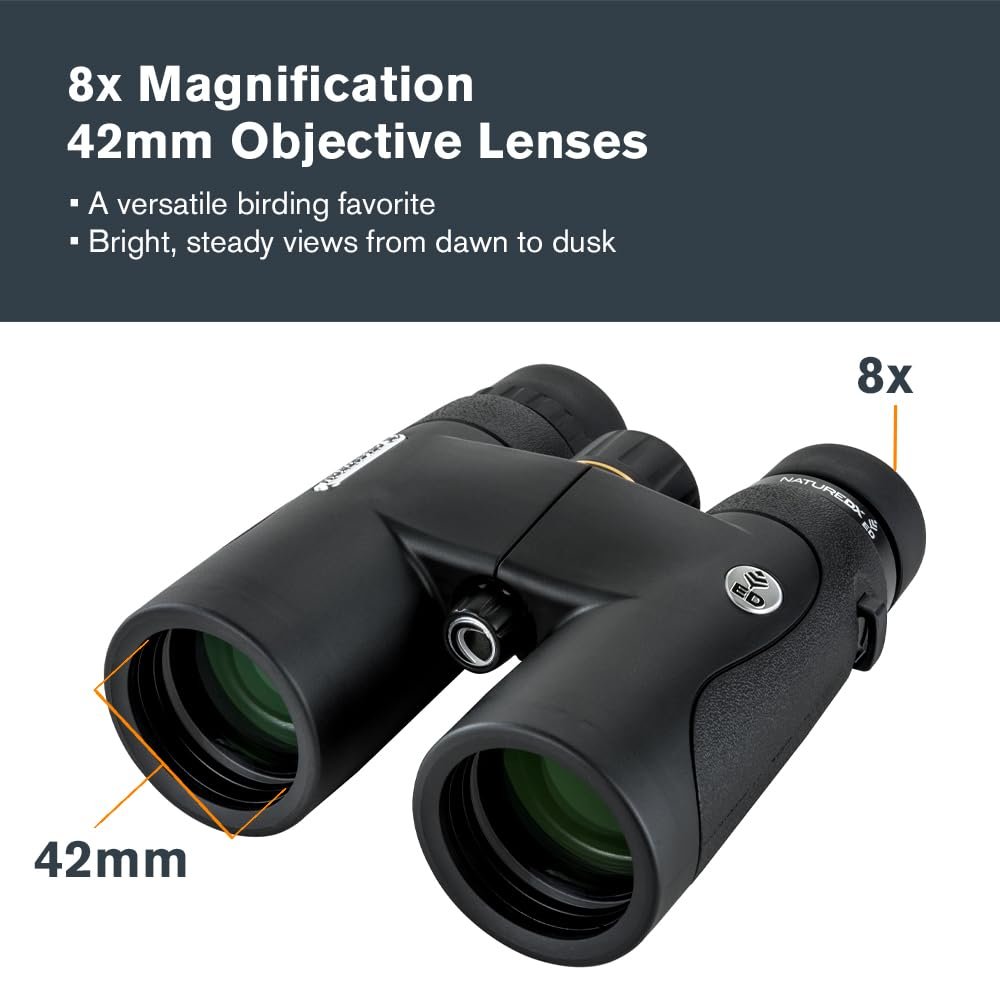
ED binoculars use special glass called Extra-low Dispersion glass. This glass reduces color blur in images.
These binoculars show clearer and sharper views than regular ones. They are popular for bird watching and sports.
Ed Glass And Its Benefits
ED glass helps reduce chromatic aberration. This means colors do not blur around objects.
It makes images look more natural and detailed. This is important for seeing fine details far away.
Are Ed Binoculars Multi-coated?
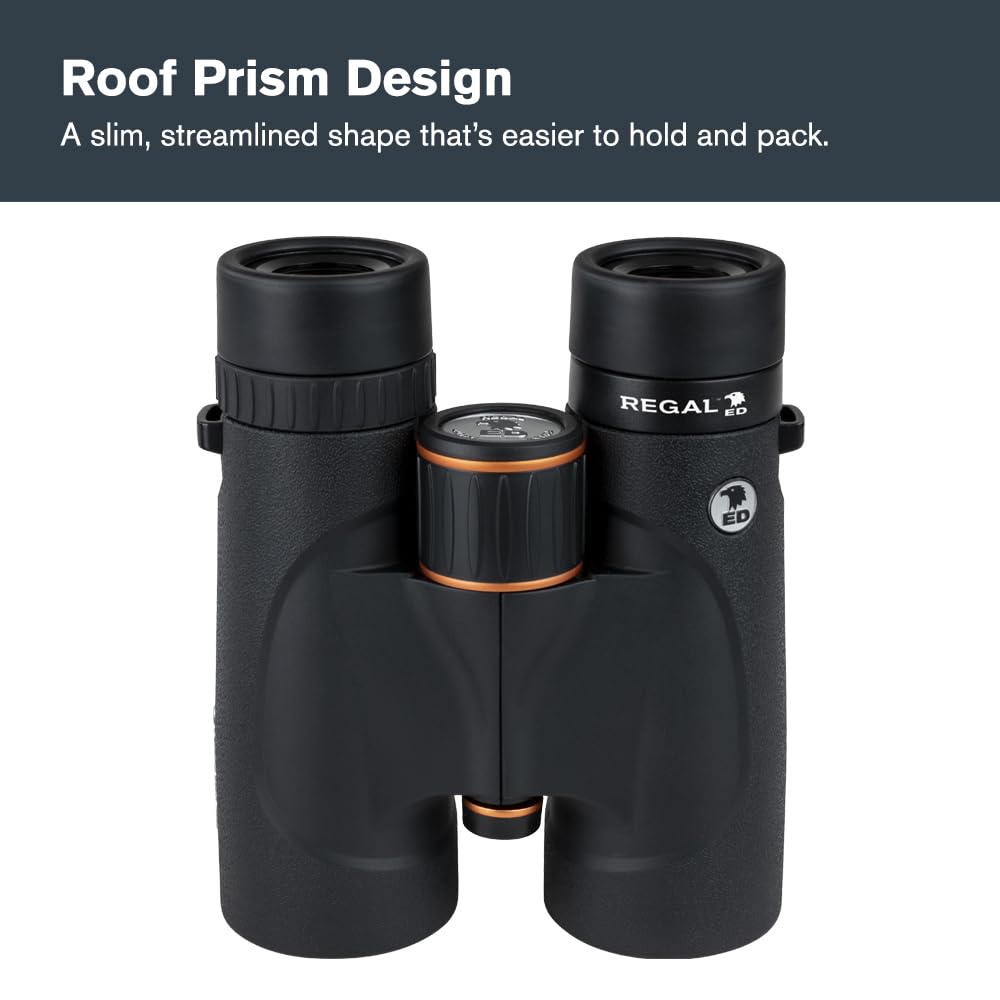
Most ED binoculars have multi-coated lenses. This coating improves light transmission and reduces glare.
Multi-coating helps produce brighter and clearer images, especially in low light. It also protects the lenses.
Credit: www.amazon.ca
Types Of Lens Coatings
Lens coatings improve the view through binoculars. They reduce glare and increase light transmission. Different coatings affect image clarity and brightness.
Understanding lens coatings helps you choose better binoculars. The main types are single coating, multi-coating, and fully multi-coated.
Single Coating
Single coating means one layer of anti-reflective material is applied. This coating covers only one lens surface. It cuts some glare but not all.
- Reduces some reflections
- Improves light transmission slightly
- Usually found in cheaper binoculars
Multi-coating
Multi-coating means several layers cover at least one lens surface. These layers block more glare and increase brightness. The image looks clearer than single coating.
| Feature | Single Coating | Multi-Coating |
| Number of Coating Layers | One | Multiple |
| Coverage | One Surface | One or More Surfaces |
| Glare Reduction | Low | Moderate |
| Light Transmission | About 85% | Up to 95% |
Fully Multi-coated
Fully multi-coated means all air-to-glass surfaces have multiple coating layers. This type gives the best glare reduction and brightness. It improves color and sharpness.
Benefits of fully multi-coated lenses:
- Highest light transmission
- Strong glare control
- Clear, sharp images
- Better performance in low light
Role Of Ed Glass In Optics
ED glass stands for Extra-low Dispersion glass. It helps reduce color errors in lenses.
Using ED glass improves image clarity and sharpness in optical devices.
Are Ed Binoculars Multi-coated?
Most ED binoculars have multi-coated lenses. This coating reduces glare and light loss.
Multi-coating enhances image brightness and contrast. It works well with ED glass.
How Ed Glass Improves Image Quality
ED glass lowers chromatic aberration. This means colors stay true and sharp.
It helps create clear images with less color blur around objects.
Benefits Of Multi-coating On Ed Lenses
Multi-coating adds layers to lens surfaces. These layers reduce reflections.
- Improves light transmission
- Boosts image brightness
- Reduces eye strain
- Protects lenses from scratches
Why Choose Ed Binoculars With Multi-coated Lenses?
ED glass and multi-coating work together. They deliver clearer, brighter views.
This combo is helpful in low light and for long-distance viewing.

Credit: www.amazon.ca
Are Ed Binoculars Always Multi-coated
ED binoculars use special glass to reduce color errors and improve image clarity. Many people wonder if they always have multi-coated lenses.
This article explains the relationship between ED glass and lens coatings in binoculars.
What Does Ed Mean In Binoculars?
ED stands for Extra-low Dispersion glass. It helps reduce color fringing and sharpens the image. ED glass is a high-quality lens material.
ED glass improves viewing by controlling light better than normal glass.
What Is Multi-coating On Binocular Lenses?
Multi-coating means applying several layers of anti-reflective coatings to the lenses. These coatings reduce glare and increase light transmission.
Multi-coated lenses provide brighter and clearer images, especially in low light.
Are Ed Binoculars Always Multi-coated?
Not all ED binoculars have multi-coated lenses. ED glass and lens coatings are two different features. A binocular can have ED glass but only single coating or no coating.
Most quality ED binoculars come with multi-coating to improve performance. Some budget models may not have full multi-coating despite using ED glass.
- ED glass improves color accuracy and sharpness
- Multi-coating improves brightness and reduces glare
- Both features combined give better image quality
- ED does not guarantee multi-coating on lenses
Why Some Ed Binoculars Might Lack Multi-coating
Cost is a major reason. Multi-coating adds to production expenses. Some manufacturers use ED glass but skip multi-coating to keep prices low.
This can affect image brightness and contrast but still offers some benefits of ED glass.
How To Check If Your Ed Binoculars Are Multi-coated
Look for product specs or labels. Terms like “fully multi-coated” mean all lenses have several coating layers. “Multi-coated” means some lenses have coatings.
- “Fully multi-coated” = best coating coverage
- “Multi-coated” = partial coating coverage
- No coating or single coating usually stated clearly
- Check manufacturer info or packaging details
Benefits Of Multi-coated Ed Binoculars
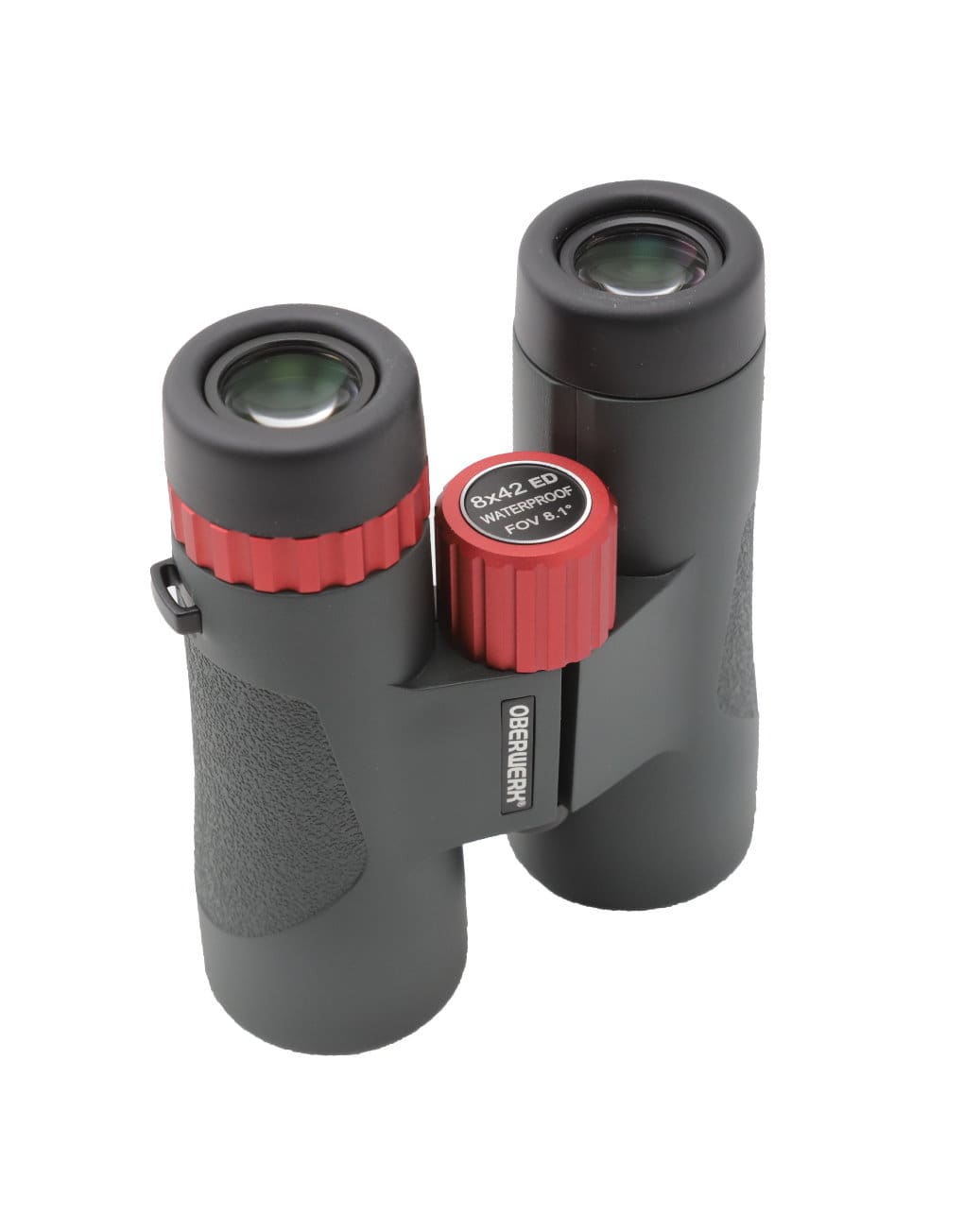
ED binoculars use special glass to reduce color blur. Multi-coating adds thin layers on the lenses. This improves how the binoculars work in many ways.
Multi-coated ED binoculars give brighter and clearer images. They help users see details better in different light conditions.
Improved Light Transmission
Multi-coating helps more light pass through the lenses. This makes the view brighter and sharper. It is useful for seeing in low light or at dawn and dusk.
Light loss is reduced by the coatings. This means less dimming of the image. You get clear pictures even in shadowy places.
Reduced Glare And Reflections
Coatings lower glare that can block your view. They stop reflections on the lenses. This helps when the sun or bright lights are nearby.
With less glare, your eyes feel less tired. The view stays clear and comfortable for longer times.
Enhanced Image Clarity
Multi-coated ED binoculars reduce color blur and distortions. You see sharper edges and true colors. This makes details stand out well.
- Clearer images at all distances
- Better contrast between objects
- More natural and bright colors
Credit: oberwerk.com
How To Identify Multi-coated Ed Binoculars
ED binoculars use special glass to give clear and sharp images. Multi-coating on lenses helps reduce glare and improve light transmission.
Knowing how to spot multi-coated ED binoculars can help you choose better optics for clear views.
Checking Product Specifications
Look closely at the product details. Multi-coated binoculars often have these terms listed:
- “Multi-coated” or “Fully multi-coated” lenses
- ED (Extra-low Dispersion) glass mention
- Light transmission percentage or coating layers
- Lens material and type of coatings used
| Specification | What to Look For |
| Lens Coating | Multi-coated or Fully multi-coated |
| Glass Type | ED or Extra-low Dispersion |
| Light Transmission | High percentage (usually above 90%) |
| Number of Coating Layers | Several layers on lenses and prisms |
Brand Reputation And Reviews
Check trusted brands known for quality coatings. Customer reviews often mention coating quality and image clarity.
Use this checklist when reading reviews:
- Does the review mention reduced glare?
- Are images described as sharp and clear?
- Is color fringing minimal?
- Do users confirm the binoculars are multi-coated?
- Does the brand have a history of quality optics?
Common Misconceptions About Ed And Coatings
ED binoculars and coatings are often confused. People think they are the same or always come together.
This article explains what ED glass is and how coatings work. It clears up common misunderstandings.
What Does Ed Mean In Binoculars?
ED stands for Extra-low Dispersion glass. It reduces color fringing around objects. This makes images sharper and clearer.
ED glass is a special type of lens glass. It is not related to coatings on lenses.
Are Ed Binoculars Always Multi-coated?
Many believe all ED binoculars have multi-coated lenses. This is not true. Coatings and ED glass are different features.
Manufacturers can add coatings to any binoculars. But ED glass does not mean lenses must have multiple coatings.
Why Lens Coatings Matter
Coatings reduce glare and improve light transmission. They make the view brighter and reduce reflections.
- Single-coated: One layer on some lens surfaces
- Fully coated: Coatings on all air-to-glass surfaces
- Multi-coated: Several layers on some surfaces
- Fully multi-coated: Multiple layers on all surfaces
ED glass improves color and sharpness. Coatings improve brightness and contrast. Both help binocular quality.
Common Confusions About Ed And Coatings
| Misconception | Reality |
| ED means multi-coated lenses | ED is about glass type, not coatings |
| All coatings improve color like ED glass | Coatings reduce glare but do not fix color fringing |
| ED binoculars always cost more due to coatings | Price depends on both glass and coating quality |
| Coatings can replace ED glass | They serve different optical purposes |
Choosing The Right Ed Binoculars For You
ED binoculars use special glass to give clear and sharp images. Many are multi-coated to reduce glare and improve light. Choosing the right binoculars depends on your needs and budget.
Think about how you will use your binoculars and the quality you want. This helps you find the best pair for your activities.
Budget Considerations
ED binoculars can be expensive because of the special glass and coatings. Set a budget before you start looking. This helps you avoid spending too much.
Multi-coated lenses add to the cost but improve the viewing experience. Decide how much you want to spend on features like coatings and build quality.
- Basic ED binoculars cost less but may have fewer coatings
- Mid-range models often have multi-coated lenses for better clarity
- High-end binoculars have fully multi-coated lenses and durable builds
Intended Use
Think about where and how you will use your binoculars. Birdwatching needs different features than hiking or sports events.
Multi-coated ED binoculars work well in low light and reduce glare. This is good for dawn or dusk use and places with bright sun.
- Birdwatching: Choose lightweight, multi-coated ED binoculars
- Hiking: Look for durable, water-resistant models
- Sports: Pick compact binoculars with good coatings for clear views
Optical Quality Preferences
ED glass reduces color distortion and improves sharpness. Multi-coated lenses help light pass through better and reduce reflections.
If you want the best image quality, look for binoculars with fully multi-coated lenses. This means all glass surfaces have coatings to improve brightness and contrast.
- Multi-coated: Some lens surfaces have coatings
- Fully multi-coated: All lens surfaces have coatings
- ED glass helps reduce chromatic aberration
- Look for binoculars that combine ED glass with full multi-coating for clear images
Frequently Asked Questions
Are Ed Binoculars Always Multi-coated?
ED binoculars typically feature multi-coated lenses. This coating reduces glare and improves light transmission. It enhances image clarity and color accuracy. However, coating quality may vary by brand and model.
What Does Multi-coated Mean In Binoculars?
Multi-coated means multiple layers of anti-reflective coating on lenses. These coatings boost brightness, contrast, and sharpness. They also reduce light loss and reflections for clearer views.
How Does Multi-coating Improve Ed Binoculars?
Multi-coating minimizes lens glare and reflection. It increases light passage for brighter images. This results in sharper, more vivid visuals with better color fidelity.
Can Multi-coated Ed Binoculars Perform In Low Light?
Yes, multi-coated ED binoculars perform better in low light. The coatings maximize light transmission, enhancing brightness. This helps in dawn, dusk, or shaded environments.
Conclusion
ED binoculars usually have multi-coated lenses to improve image quality. These coatings reduce glare and boost light transmission. This means you see clearer and brighter views. Not all ED binoculars use the same coating quality. Always check product details before buying.
Multi-coating helps protect lenses from scratches too. It makes your binoculars last longer. Good coatings matter for better outdoor experiences. Choose binoculars with multi-coated ED glass for sharper images. This small feature makes a big difference in viewing. Clear, bright, and sharp images are worth it.