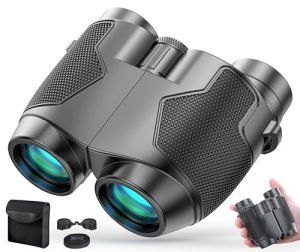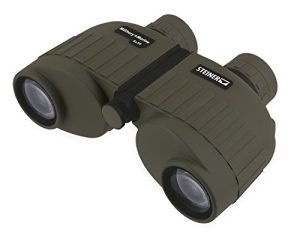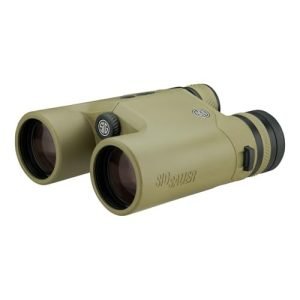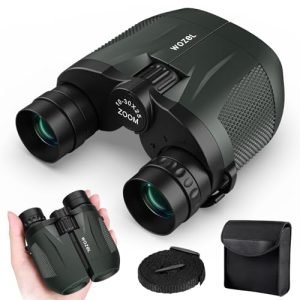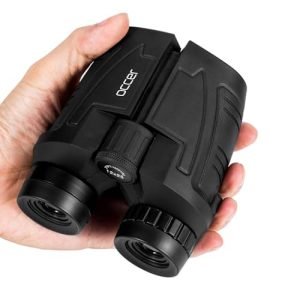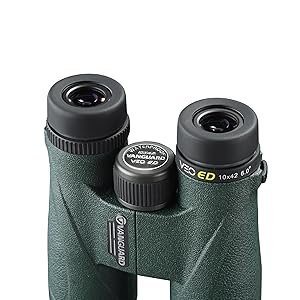
Are you tired of carrying heavy binoculars that weigh you down during your outdoor adventures? If you value comfort and ease while exploring, you might be wondering—are ED binoculars lightweight enough for you?
Choosing the right binoculars can make a big difference in how much you enjoy birdwatching, hiking, or sporting events. You’ll discover the truth about the weight of ED binoculars and why they might be the perfect fit for your needs.
Keep reading to find out how these binoculars combine quality optics with a design that won’t tire you out.

Credit: www.amazon.com
What Makes Binoculars Lightweight
Lightweight binoculars are easy to carry and use for a long time. Many people prefer them for hiking and bird watching.
Several factors affect the weight of binoculars. These include the materials, design, and size of the device.
Materials Used In Construction
Lightweight binoculars often use modern materials that weigh less than traditional ones. These materials keep strength without adding bulk.
Common materials include aluminum, magnesium, and plastic composites. Magnesium is strong but very light, making it popular.
- Aluminum frames offer a good balance of weight and durability
- Magnesium is lighter and stronger but costs more
- Plastic composites reduce weight further but may be less durable
Design And Size Factors
The shape and size of binoculars influence their weight. Smaller binoculars use fewer materials and weigh less.
Compact designs reduce bulk by using shorter barrels and smaller lenses. This makes them easier to hold and carry.
- Shorter barrels reduce overall size and weight
- Smaller lenses cut down on glass weight
- Streamlined shapes avoid extra material
Comparison With Traditional Binoculars
Traditional binoculars often use heavier metal and glass parts. This makes them bulkier and harder to carry.
Lightweight binoculars use newer materials and designs to reduce weight. They are better for long trips and quick use.
| Feature | Traditional Binoculars | Lightweight Binoculars |
|---|---|---|
| Materials | Steel, heavy glass | Magnesium, plastic, light glass |
| Size | Large barrels and lenses | Compact and small |
| Weight | Heavier, often over 800g | Lighter, often under 600g |
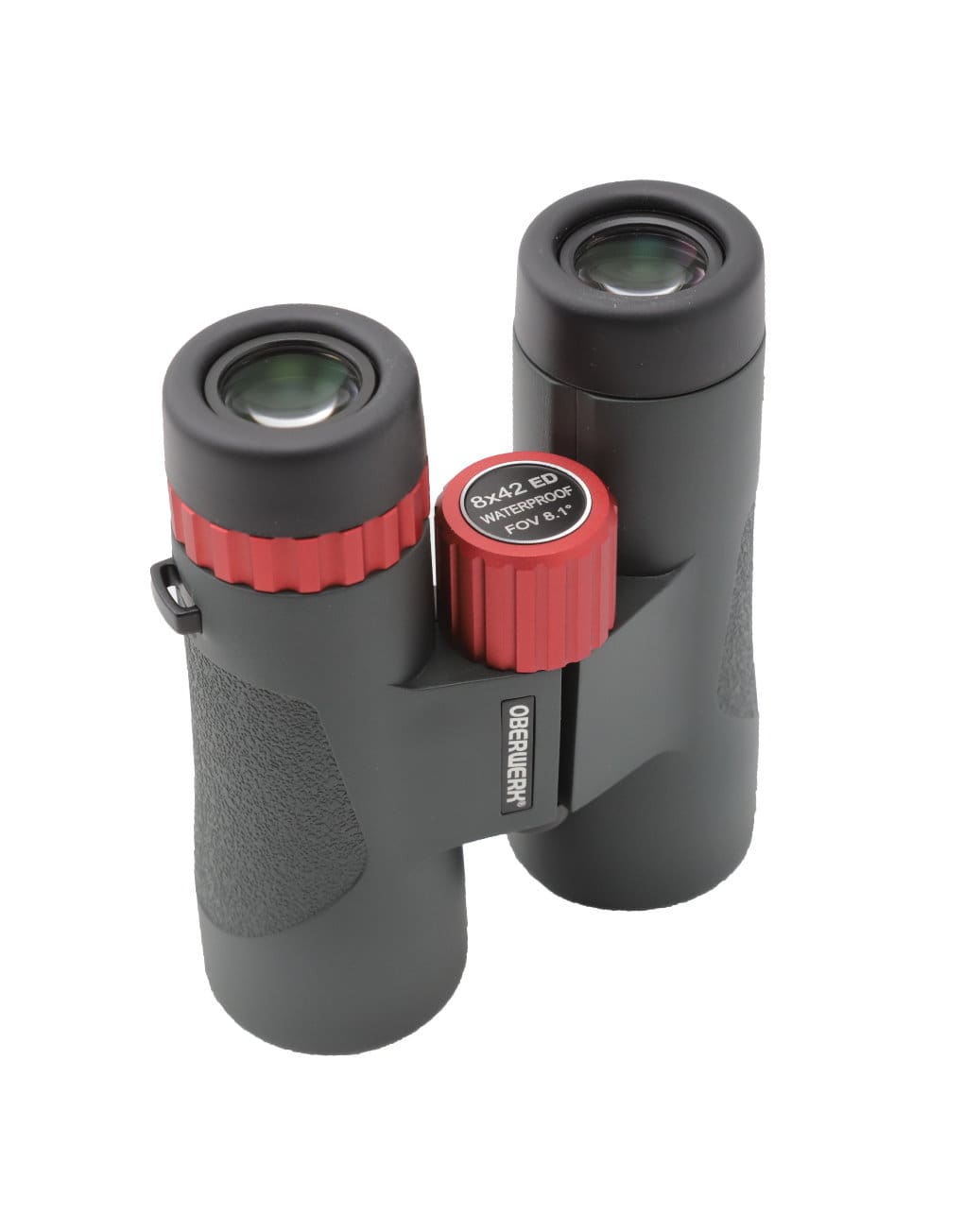
Credit: oberwerk.com
Characteristics Of Ed Binoculars
ED binoculars use special glass to reduce color errors. They give clearer and sharper images. These binoculars are popular among nature watchers and hunters.
Many people wonder if ED binoculars are light to carry. This depends on their design and materials. Let’s explore their features and weight.
Extra-low Dispersion Glass Benefits
ED glass cuts down on color blur. This glass helps binoculars show true colors. It also improves image sharpness and contrast. Users can see details more clearly far away.
- Reduces color fringing around objects
- Improves image clarity and sharpness
- Enhances color accuracy in bright light
- Allows better viewing in low light
Optical Performance Vs Weight
ED binoculars often weigh more than regular ones. This is due to the special glass and coatings. But some models use lightweight materials to balance this.
The extra weight can mean better image quality. But heavy binoculars may tire your hands during long use. Many users choose mid-weight models for comfort.
Typical Weight Range
| Type | Weight Range (grams) | Weight Range (ounces) |
| Compact ED Binoculars | 400 – 600 | 14 – 21 |
| Standard ED Binoculars | 600 – 900 | 21 – 32 |
| Large ED Binoculars | 900 – 1300 | 32 – 46 |
Factors Affecting Ed Binocular Weight
ED binoculars are popular for clear and sharp views. Their weight can change depending on several parts. Understanding these parts helps you pick lighter binoculars.
Some factors add more weight, while others keep the binoculars light. Let’s look at what affects their weight the most.
Lens Size And Magnification
The size of the lenses affects the weight a lot. Bigger lenses need more glass and metal parts. This makes the binoculars heavier.
Higher magnification means more complex lenses inside. These extra parts add weight. Smaller lenses with low magnification are lighter.
- Large lenses use more glass and add weight
- High magnification needs more lens elements
- Small lenses and low magnification reduce weight
Housing And Frame Materials
The material used for the binocular body changes the weight. Metal frames are strong but heavy. Plastic or composite frames are lighter.
Some binoculars use aluminum or magnesium. Magnesium is strong and light. Rubber coatings add protection but also add some weight.
- Metal frames add more weight but are durable
- Plastic and composite frames keep weight low
- Magnesium frames balance strength and lightness
- Rubber coatings increase weight slightly
Additional Features Impact
Extra features like waterproof seals, lens coatings, and built-in compasses add weight. These features need extra materials and parts.
Binoculars with focus wheels, tripods, or battery packs also weigh more. Simple designs without many features are lighter to carry.
- Waterproof seals add weight from extra materials
- Lens coatings add a small amount of weight
- Built-in compasses and rangefinders increase weight
- Battery-powered features add extra weight
User Experience With Ed Binoculars
ED binoculars use special glass to give clear and sharp images. Users want to know if these binoculars are easy to carry and use. The weight of ED binoculars affects how comfortable they feel during outdoor activities.
This article looks at how light ED binoculars are. It also shares what users say about their comfort and ease of use.
Portability For Outdoor Activities
Many ED binoculars are designed to be compact and light. This helps people carry them on hikes, bird watching, or trips. Lightweight binoculars reduce fatigue during long walks.
Some models weigh less than traditional binoculars with similar features. This makes them a good choice for outdoor lovers who move a lot.
- Lightweight design eases carrying
- Smaller size fits in backpacks easily
- Good balance helps steady viewing
Comfort During Extended Use
Comfort is key when using binoculars for hours. ED binoculars often have padded grips and smooth focus wheels. These features make holding and adjusting easier.
Lightweight binoculars put less strain on the neck and hands. This helps users enjoy longer viewing sessions without discomfort.
- Padded grips reduce hand fatigue
- Smooth adjustments improve ease of use
- Lightweight build lowers neck strain
Feedback From Enthusiasts
Many users say ED binoculars feel lighter than expected. They appreciate the clear view without heavy weight. Some mention that lightweight models help them carry binoculars all day.
Some enthusiasts note that comfort and weight make ED binoculars ideal for long outdoor trips. They find these binoculars easy to hold and use.
- Users feel less tired after long use
- Enjoy clear images without bulk
- Recommend ED binoculars for hiking and birding
Choosing Lightweight Ed Binoculars
ED binoculars provide clear and sharp images with extra-low dispersion glass. Many users want lightweight models for easy carrying. Choosing the right balance between weight and performance is key.
Lightweight binoculars reduce arm strain during long use. This makes outdoor activities more comfortable and enjoyable.
Balancing Weight And Optical Quality
Lightweight binoculars may sometimes have smaller lenses. This can affect brightness and clarity. But advanced materials help keep good image quality with less weight.
Heavier binoculars often offer better optics but can tire you faster. Finding a model that fits your needs and feels comfortable is important.
Top Lightweight Ed Models
Some ED binoculars stand out for their light weight and good optical quality. These models work well for hiking, bird watching, and travel.
- Model A: Weighs 600 grams, compact size, sharp images
- Model B: 550 grams, waterproof, good low-light performance
- Model C: 620 grams, durable, multi-coated lenses
- Model D: 580 grams, ergonomic design, bright views
Tips For Testing Weight In Store
Hold the binoculars as if you were using them for a long time. Check if your arms feel tired after a few minutes.
Try adjusting the focus and grips. Make sure the binoculars feel balanced and easy to hold steady.
- Hold binoculars at eye level for at least five minutes
- Test different models to compare weight and comfort
- Check if the binoculars fit well in your hands
- Consider carrying them in your usual bag or case
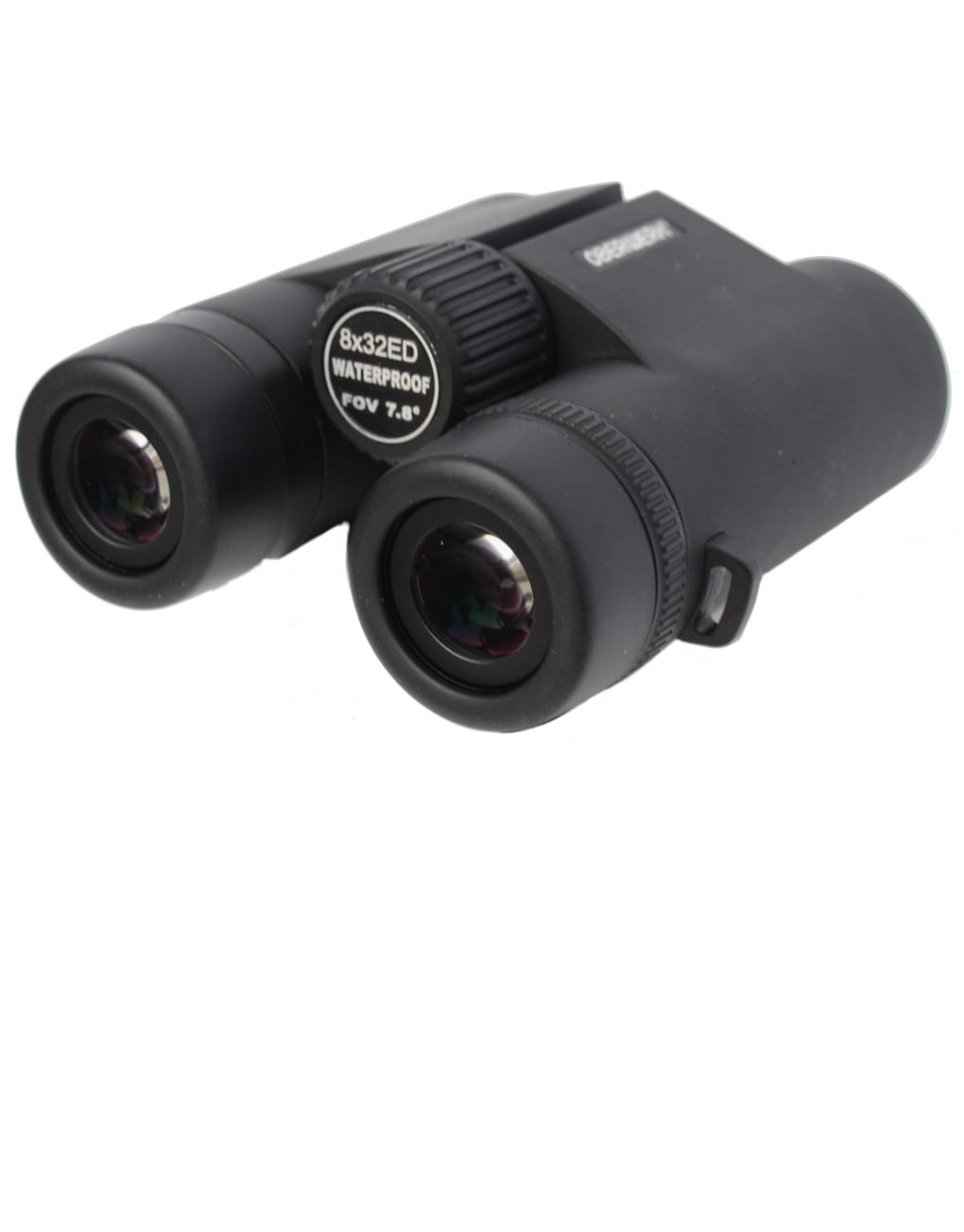
Credit: oberwerk.com
Frequently Asked Questions
Are Ed Binoculars Considered Lightweight For Hiking?
Yes, Ed binoculars are designed to be lightweight. Most models weigh under 20 ounces, making them easy to carry during hikes.
How Does Weight Affect Ed Binoculars’ Portability?
Lighter binoculars like Ed models improve comfort and reduce fatigue. They are easier to hold steady for longer viewing sessions.
What Materials Make Ed Binoculars Lightweight?
Ed binoculars use materials like magnesium alloy and polycarbonate. These materials provide durability without adding extra weight.
Can Lightweight Ed Binoculars Maintain Optical Quality?
Yes, Ed binoculars balance lightweight design with high-quality lenses. You get clear, sharp images without sacrificing portability.
Conclusion
ED binoculars often balance weight and quality well. Many models are designed to be light for comfort during long use. This makes them easier to carry on hikes or birdwatching trips. Users can enjoy sharp images without heavy gear. Choosing the right pair depends on your needs and preferences.
Lightweight options do exist without losing clarity. So, you can find binoculars that feel good in your hands and deliver clear views. This helps make your outdoor experience more enjoyable and less tiring.