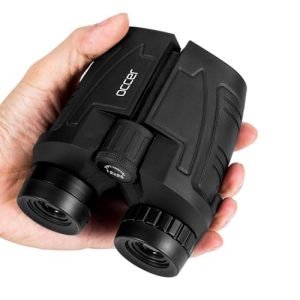
Are you thinking about getting ED binoculars but worried they might be too heavy to carry around? You’re not alone.
Many people wonder if the extra features of ED binoculars come with the downside of added weight. The truth is, weight matters a lot when you’re out hiking, birdwatching, or just exploring nature. If your binoculars are too heavy, they can quickly become uncomfortable and take away from the experience.
You’ll discover the real deal about ED binoculars and their weight, so you can decide if they’re the right choice for you. Keep reading to find out what makes these binoculars special—and how heavy they really are.
Credit: gearjunkie.com
What Makes Binoculars Heavy
Binoculars vary in weight due to their design and parts. Some are light, while others can feel heavy to carry. Knowing what adds weight helps choose the right pair.
Weight affects comfort during use. This guide explains key factors that make binoculars heavy.
Materials And Build
Binoculars are made from different materials. Metal bodies add strength but also more weight. Plastic or composite materials reduce weight but may be less durable.
- Metal frame: heavier and durable
- Plastic frame: lighter but less strong
- Rubber coating: adds grip and some weight
- Internal parts made of glass or metal
Lens Size And Coatings
Bigger lenses let in more light but add bulk and weight. Coatings on lenses improve image quality but can add thin layers of material.
| Lens Diameter | Weight Impact |
| Small (20-30 mm) | Lightweight |
| Medium (30-40 mm) | Moderate weight |
| Large (40+ mm) | Heavier |
| Lens Coatings | Minimal added weight |
Additional Features
Extra features add to the weight. Some binoculars include built-in compasses, rangefinders, or image stabilization. These parts require batteries and extra components.
- Rangefinder modules
- Image stabilization systems
- Built-in compass
- Battery compartments
Credit: oberwerk.com
Weight Range Of Ed Binoculars
Ed binoculars are popular for their clear images and sharp views. Many people wonder if these binoculars are heavy to carry. The weight of Ed binoculars varies depending on the model and size.
Knowing the typical weight helps users decide if the binoculars fit their needs. Let’s look at the common weight standards and compare them to regular binoculars.
Typical Weight Standards
Most Ed binoculars weigh between 500 grams and 900 grams. Smaller models tend to be lighter, around 500 grams. Larger models with more features can weigh close to 900 grams.
The weight depends on the lens size and the materials used. Many Ed binoculars use lightweight materials to keep the weight down without losing quality.
- Compact Ed binoculars: 500 – 600 grams
- Mid-size Ed binoculars: 600 – 800 grams
- Larger Ed binoculars: 800 – 900 grams
Comparison With Standard Binoculars
Standard binoculars often weigh more than Ed binoculars. Regular models usually range from 700 grams to over 1000 grams. This makes Ed binoculars lighter on average.
The lightweight design of Ed binoculars helps users carry them for longer times. This is helpful for hiking or bird watching where carrying weight matters.
| Type | Typical Weight |
|---|---|
| Ed Binoculars | 500 – 900 grams |
| Standard Binoculars | 700 – 1100 grams |
Benefits Of Lightweight Binoculars
Lightweight binoculars make outdoor activities more enjoyable. They ease the burden on your hands and shoulders. Carrying them is simpler and less tiring.
Choosing lightweight binoculars helps you focus more on the view. You get better comfort and longer use without strain.
Ease Of Carrying
Light binoculars are easier to carry during hikes or travel. You can hold them for longer without discomfort. Smaller bags can hold them without extra space.
- Fits easily in a backpack or daypack
- Less weight on your neck and shoulders
- Can be carried for hours without pain
- Ideal for long trips and outdoor adventures
Reduced Fatigue
Heavy binoculars cause arm and hand tiredness quickly. Lightweight models reduce this problem. You stay alert and focused on your surroundings.
| Weight | Fatigue Level |
| Under 1 pound | Low |
| 1 to 2 pounds | Moderate |
| Over 2 pounds | High |
Improved Mobility
Light binoculars let you move faster and with ease. They help when climbing or walking on rough paths. You can adjust your position quickly without dropping them.
Lightweight binoculars allow for:
- Quick changes in stance
- Better balance on uneven ground
- Easy handling with one or both hands
Top Lightweight Ed Binocular Models
ED binoculars offer clear views with extra-low dispersion glass. Many people wonder if these binoculars are heavy. Weight matters for comfort during long use.
This article looks at some top lightweight ED binocular models. It covers their design, weight, and what users say.
Compact Designs
Many ED binoculars come in small, compact shapes. These designs make them easy to carry. You can fit them in a bag or pocket.
Compact models often weigh less than larger ones. They still offer sharp images but with less bulk.
- Short body length for easy handling
- Foldable or slim frames
- Usually weigh under 600 grams (1.3 lbs)
Weight Vs Performance
Lightweight ED binoculars balance weight and optical power. Some models give bright views with less weight. Others focus on bigger lenses but are heavier.
Choosing the right balance depends on your needs. If you hike a lot, lighter may be better. If you want the best image, a bit more weight is okay.
| Model | Weight (grams) | Magnification | Objective Lens (mm) |
|---|---|---|---|
| Model A | 450 | 8x | 32 |
| Model B | 550 | 10x | 42 |
| Model C | 600 | 8x | 40 |
User Reviews
Users often say lightweight ED binoculars are easy to carry all day. Many like the clear image and low eye strain. Some note the build quality feels strong despite low weight.
A few users mention small binoculars can feel cramped for big hands. Others say lightweight models work well for travel and outdoor use.
- Easy to hold for hours
- Great image clarity
- Compact size fits in small bags
- Some find eyecups small
- Good for hiking and birdwatching
Tips To Choose Lightweight Binoculars
Binoculars can sometimes feel heavy to carry. Choosing lightweight binoculars helps you use them longer. It also reduces strain on your neck and hands.
Look for features that keep the weight low without losing quality. This guide will help you pick binoculars that are light and easy to carry.
Prioritize Essential Features
Focus on the features you need the most. Avoid extra parts that add weight but do not help your use. Think about what you will use your binoculars for.
Smaller magnification is usually lighter and easier to hold steady. Also, choose binoculars with a simple design. Complex designs often add extra weight.
- Choose lower magnification for lighter weight
- Pick models without extra attachments
- Look for simple, functional designs
Material Choices
The material of the binocular body affects weight a lot. Plastic and polycarbonate are lighter than metal. They also resist dents and scratches.
Some binoculars use magnesium or aluminum alloys. These materials are strong but still lightweight. Rubber coatings add grip but add a little weight.
- Plastic bodies are light and durable
- Magnesium alloys offer strength and low weight
- Rubber coatings improve grip but add weight
Size And Portability
Compact binoculars are smaller and lighter. They fit easily in bags and pockets. This makes them good for travel and hiking.
Bigger binoculars may offer better views but weigh more. Consider how much you want to carry and how long you will use them.
- Pick compact sizes for easy carrying
- Check if binoculars fit your hands comfortably
- Use a neck strap or case to help carry weight
Credit: oberwerk.com
Frequently Asked Questions
Are Ed Binoculars Considered Heavy For Daily Use?
Ed binoculars vary in weight, but most models are designed to be lightweight. They typically weigh between 500 to 800 grams, making them comfortable for daily use and extended periods without causing fatigue.
What Factors Affect The Weight Of Ed Binoculars?
The weight depends on lens size, body material, and additional features. Larger lenses and robust materials increase weight, while compact designs and lightweight alloys reduce it, balancing performance and comfort.
How Does Ed Binocular Weight Compare To Other Binoculars?
Ed binoculars are generally lighter than traditional models with similar optics. Advanced materials and design innovations help minimize weight without sacrificing image quality, making them ideal for outdoor activities.
Can Heavy Ed Binoculars Affect User Experience?
Yes, heavier binoculars can cause arm strain and fatigue during prolonged use. Choosing lightweight Ed models improves comfort and usability, especially for birdwatching or hiking.
Conclusion
ED binoculars vary in weight depending on size and features. Many models stay light enough for easy carrying. Some are heavier but offer clearer views and better quality. Choosing the right pair means balancing weight and performance. Think about how long you will use them each time.
Comfort matters for enjoying your outdoor activities. Overall, weight is just one part of the decision. Focus on what fits your needs best.