If you love watching birds, you know how important clear, sharp views are. But with so many options out there, you might wonder—are ED binoculars really worth it for birdwatching?
You want to see every feather and color detail without straining your eyes or carrying heavy gear. This article will help you understand what ED binoculars offer and if they can make your birdwatching experience better. Keep reading to discover how these binoculars could change the way you connect with nature.
What Are Ed Binoculars?
ED binoculars use special glass to improve image quality. ED stands for Extra-low Dispersion glass. This glass reduces color blur in the lenses.
Birdwatchers like ED binoculars because they offer clearer and sharper views. These binoculars help spot fine details on birds.
Features Of Ed Glass
ED glass has unique qualities that make it better than normal glass. It controls the way light passes through the lenses.
- Reduces color fringing around objects
- Improves sharpness and detail
- Enhances contrast in images
- Makes viewing less tiring for eyes
- Provides better image brightness
How Ed Enhances Clarity
ED glass lowers the distortion caused by light bending. This helps produce clearer images with true colors.
| Aspect | Effect of ED Glass |
| Color Fringing | Greatly Reduced |
| Sharpness | Improved |
| Contrast | Higher |
| Eye Strain | Lessened |
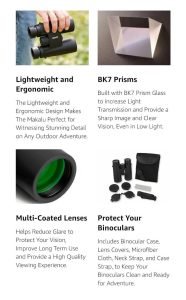
Credit: www.amazon.ca
Benefits For Birdwatching
Ed binoculars offer several advantages for birdwatchers. They help you see birds more clearly and comfortably. These benefits improve your birdwatching experience.
Below are some key benefits of using Ed binoculars for birdwatching. Each helps in spotting and enjoying birds better.
Improved Color Accuracy
ED binoculars reduce color distortion. They show birds’ colors closer to real life. This helps you identify birds by their true colors.
- Clear color details on feathers
- Better contrast between colors
- Natural view without color tint
Sharper Image Quality
ED glass lenses focus light better than regular lenses. This makes the image sharper. You see small details like feather patterns and eyes clearly.
| Feature | ED Binoculars | Regular Binoculars |
| Image Sharpness | High | Medium |
| Detail Visibility | Excellent | Good |
| Light Transmission | Better | Standard |
Reduced Eye Strain
ED binoculars use special glass to lower eye strain. You can watch birds longer without discomfort. This is good for long birdwatching trips.
Benefits of Reduced Eye Strain:
- Less tired eyes after hours of use
- Comfortable viewing even in low light
- Clear focus without constant adjustment
Comparing Ed And Non-ed Binoculars
ED binoculars use special glass to reduce color blur. Non-ED binoculars do not have this feature. This difference affects how clear and sharp the image looks.
Birdwatchers want clear images to see details. Choosing between ED and non-ED binoculars can change your birdwatching experience.
Price Differences
ED binoculars cost more than non-ED models. The special glass used in ED binoculars adds to the price. Non-ED binoculars are usually cheaper and more affordable.
If you watch birds often, the extra cost may be worth it. For casual use, non-ED binoculars can still work well.
Performance In Various Conditions
ED binoculars show better color and contrast in bright light. They reduce color fringing around objects. This helps to see birds clearly at a distance.
Non-ED binoculars may show some color blur in strong sunlight. They work fine in low light but can be less sharp than ED binoculars. Both types perform well in most weather.
- ED binoculars: Better color accuracy and sharpness
- Non-ED binoculars: Good for general use, may blur colors
- Both types: Suitable for early morning or dusk birdwatching
Durability And Build Quality
Both ED and non-ED binoculars can be strong and durable. The main difference is in the glass, not the build. Some expensive ED binoculars have better waterproof and fog-proof features.
Non-ED binoculars vary widely in quality. Some are built tough, while others are less sturdy. Look for models with rubber armor and sealed bodies for outdoor use.
- ED binoculars often come with better weather protection
- Non-ED binoculars can be durable but check specs carefully
- Choose based on your budget and how you use them

Credit: www.walmart.com
Top Ed Binoculars For Birdwatching
ED binoculars use extra-low dispersion glass. This glass helps reduce color blur. Birdwatchers get sharper and clearer views.
Choosing the right ED binoculars can improve your birdwatching experience. Many brands offer models with good optics and build quality.
Popular Brands
Several brands are known for making quality ED binoculars. These brands have a good reputation among birdwatchers.
- Nikon – Known for clear images and durable design.
- Swarovski – Offers premium optics with bright views.
- Vortex – Provides good value with solid performance.
- Zeiss – Famous for sharpness and color accuracy.
- Celestron – Affordable options with decent quality.
Best Models By Budget
Birdwatchers have different budgets. Here are some top ED binoculars grouped by price range.
| Budget Range | Model | Key Features |
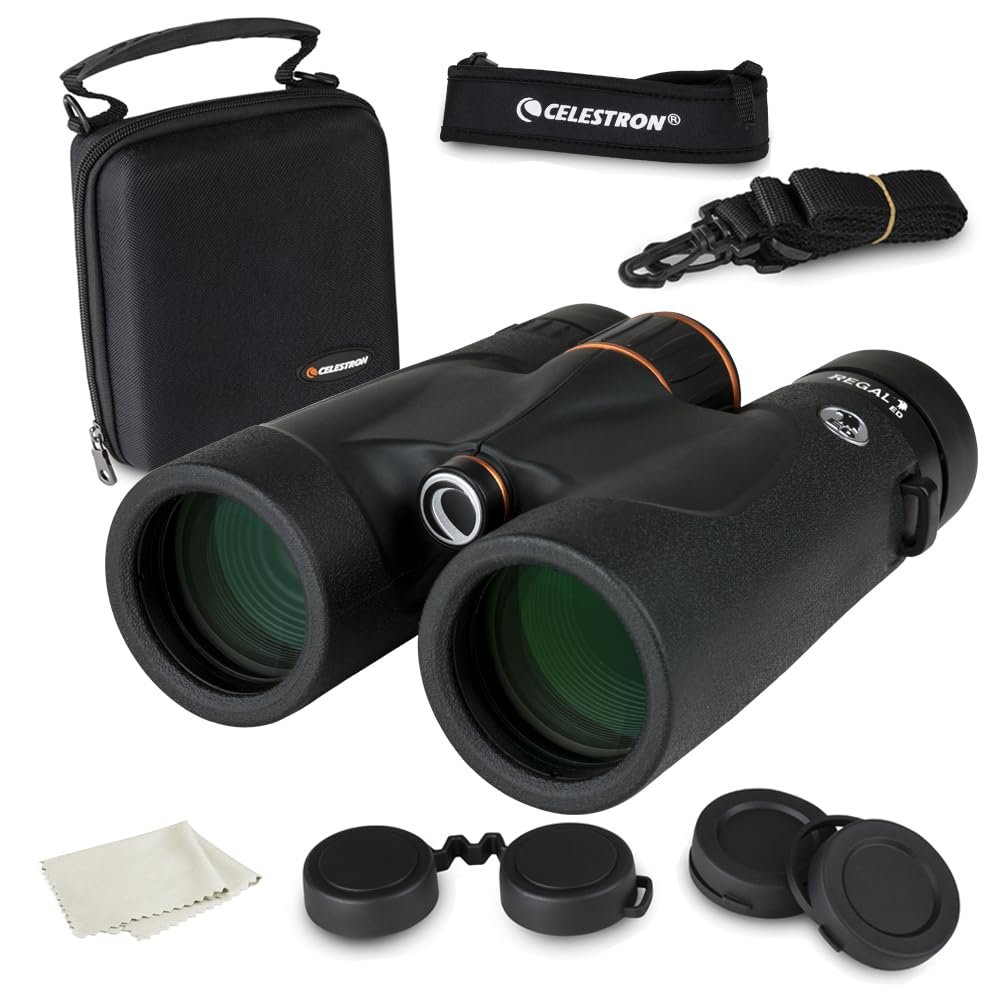
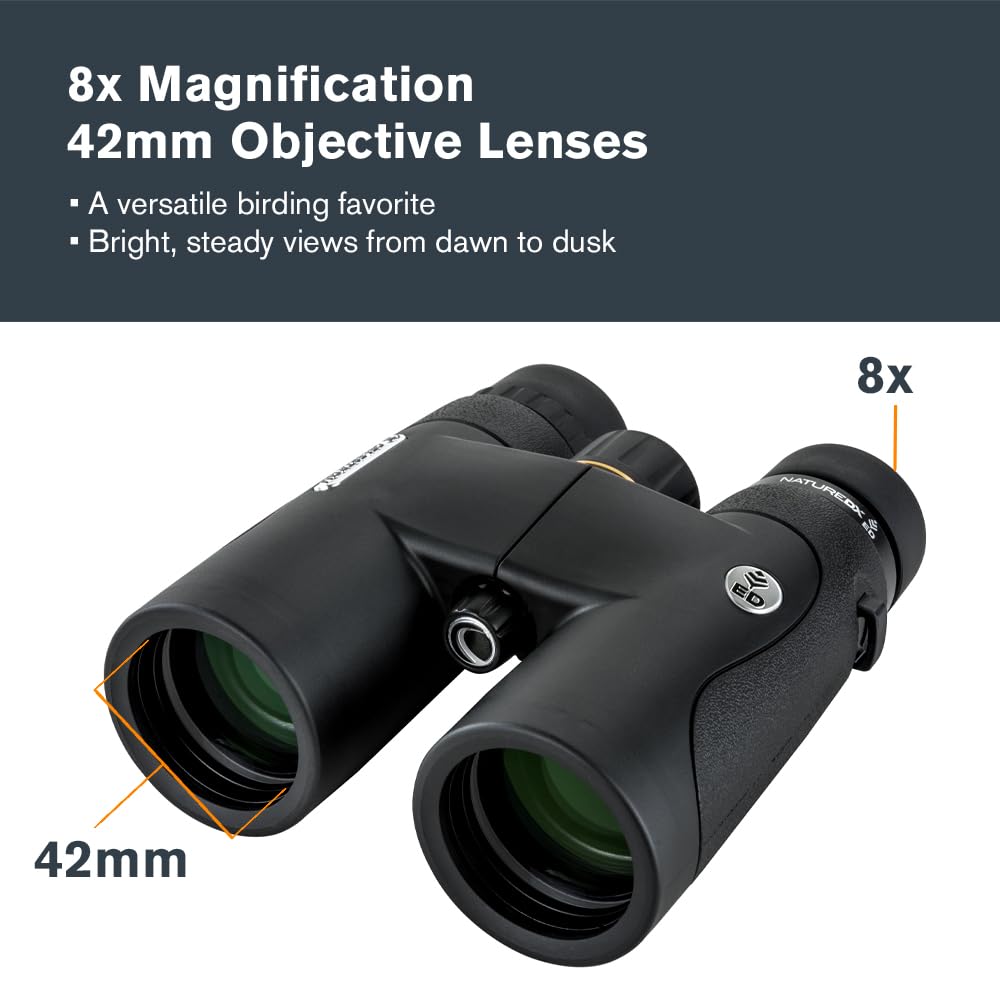
| Under $300 | Celestron Nature DX 8×42 | ED glass, waterproof, lightweight |
| $300 – $700 | Vortex Viper HD 8×42 | Extra-low dispersion, rugged design |
| $700 – $1500 | Nikon Monarch 7 8×42 | Bright image, good close focus |
| Above $1500 | Swarovski EL 8.5×42 | Top clarity, wide field of view |
User Reviews And Ratings
Many birdwatchers share their thoughts on ED binoculars. Reviews help buyers decide based on real use.
- Clear optics and bright images get high praise.
- Comfort and weight affect long-term use scores.
- Some models get points for weather resistance.
- Value for money is important to most users.
- Durability is often mentioned in positive reviews.
Tips For Choosing Birdwatching Binoculars
Birdwatching is a fun hobby that needs the right tools. Binoculars help you see birds up close.
Choosing the right binoculars can make your birdwatching better and easier. Here are some tips.
Magnification And Lens Size
Magnification shows how close the bird appears. Lens size affects how much light enters.
- Choose magnification between 7x and 10x for steady views.
- Select lens size around 30mm to 42mm for clear images.
- Higher magnification can make images shaky without a tripod.
- Bigger lenses let in more light but add weight.
Weight And Portability
Light binoculars are easier to carry on long walks. Heavy ones may tire your arms.
| Weight | Portability |
| Under 20 ounces | Easy to carry all day |
| 20 to 30 ounces | Good balance of weight and size |
| Over 30 ounces | May need a strap or case |
Additional Features To Consider
Some extra features can improve your birdwatching experience. Think about these before buying.
- Waterproof and fog-proof for use in all weather.
- Rubber coating for a better grip and protection.
- Adjustable eyecups for comfort with or without glasses.
- Wide field of view to spot birds quickly.

Credit: birdwatching.asia
Maintaining Your Ed Binoculars
ED binoculars give clear and sharp views. Keeping them clean and safe helps them last longer. Good care keeps your birdwatching trips enjoyable.
Learn simple ways to clean, store, and handle your ED binoculars. These tips protect your investment and improve performance.
Cleaning Techniques
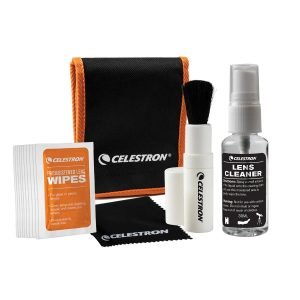
Always use a soft brush or air blower to remove dust from lenses. Avoid wiping lenses when dry to prevent scratches.
- Use a microfiber cloth for gentle cleaning.
- Apply lens cleaner only on the cloth, not directly on lenses.
- Clean the body with a damp cloth, avoiding excess water.
Storage Tips
Store binoculars in a cool, dry place to avoid damage from moisture. Use a protective case to prevent dust and scratches.
| Storage Method | Benefit |
| Soft case | Protects from dust and minor impacts |
| Hard case | Offers strong protection during travel |
| Silica gel packs | Absorbs moisture and prevents mold |
Handling Precautions
Handle your binoculars with care to avoid drops and bumps. Hold them with both hands for steady viewing.
- Do not touch lenses with fingers.
- Keep binoculars away from extreme heat or cold.
- Use neck straps to prevent accidental falls.
Frequently Asked Questions
What Makes Ed Binoculars Ideal For Birdwatching?
ED binoculars use extra-low dispersion glass, which reduces color fringing. This results in clearer, sharper images. Birdwatchers benefit from precise color and detail, essential for identifying species in various light conditions.
Are Ed Binoculars Better Than Standard Binoculars?
Yes, ED binoculars offer superior image clarity and color accuracy compared to standard models. They provide enhanced viewing comfort and reduce eye strain during long birdwatching sessions.
How Does Ed Glass Improve Birdwatching Experience?
ED glass minimizes chromatic aberration, ensuring vivid and true-to-life colors. This clarity helps birdwatchers distinguish subtle feather patterns and colors, improving species identification in the field.
Are Ed Binoculars Suitable For Beginners In Birdwatching?
While ED binoculars are excellent, they can be pricier. Beginners may start with affordable models, but investing in ED binoculars improves viewing quality as skills advance.
Conclusion
ED binoculars offer clear, bright views that birdwatchers appreciate. They help spot fine details on birds from a distance. These binoculars reduce eye strain during long watching sessions. Lightweight and durable models make carrying easier on hikes. Prices vary, so choose one that fits your budget well.
Overall, ED binoculars provide a good mix of quality and value. They suit both beginners and serious birdwatchers. A smart choice for anyone who loves nature and birds.