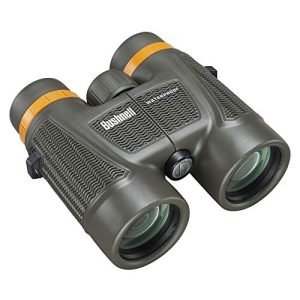
Are you worried that your ED binoculars might break easily? You’re not alone.
Many people wonder if these high-quality optics are too delicate for everyday use. Understanding how fragile your binoculars really are can save you from costly mistakes and frustration. Keep reading, and you’ll discover what makes ED binoculars sturdy or vulnerable—and how you can protect your investment for years to come.
What Makes Binoculars Fragile
Binoculars are delicate tools that need careful handling. They have parts that can break or get damaged easily. Knowing what makes them fragile helps you take better care of them.
Most fragility comes from small parts and materials used to make binoculars. These parts work together to give clear views but can be weak points if not handled gently.
Common Weak Points
Binoculars have several weak points that can break or wear out quickly. These include lenses, focusing mechanisms, and moving joints. Each part needs protection to avoid damage.
- Lenses:Thin glass that can crack or scratch.
- Focusing Wheel:Small gears that can jam or break.
- Hinges:Joints that allow folding but may loosen or snap.
- Eyecups:Soft parts that can tear or deform.
Materials Used In Construction
Binoculars are made from different materials that affect their strength. Some materials are strong but heavy, while others are light but fragile. Understanding these can help explain why binoculars break easily.
| Material | Strength | Common Use | Fragility Factor |
| Glass | Hard but brittle | Lenses and prisms | Can crack or chip easily |
| Plastic | Light but less strong | Body casing, eyecups | Can crack or deform |
| Metal | Strong and durable | Hinges, internal parts | Can bend but resists breakage |
| Rubber | Flexible and soft | Grip and eye seals | Can tear or wear out over time |
Credit: oberwerk.com
Features Of Ed Binoculars
ED binoculars use special glass to improve image quality. They help you see clearer and sharper views.
These binoculars have strong build features to protect them. They are designed to last in different conditions.
Extra-low Dispersion Glass Benefits
ED glass reduces color blur around objects. It gives bright and clear images with true colors.
This glass helps to see fine details even far away. It also lowers eye strain during long use.
- Sharper image quality
- Better color accuracy
- Less eye fatigue
- Improved contrast
Build Quality Aspects
ED binoculars often have a sturdy frame made of metal or strong plastic. This protects them from drops and bumps.
Many models are water-resistant and have rubber coatings. These features keep the binoculars safe in rain and rough use.
- Strong metal or plastic body
- Water and fog resistant
- Rubber armor for shock protection
- Secure lens covers
Durability Factors In Ed Binoculars
ED binoculars are popular for their clear and sharp images. People often ask if they are fragile. It is important to understand what makes these binoculars strong or weak.
Durability depends on several factors. These include how well the binoculars handle shocks, water, fog, and scratches. Knowing these can help you take better care of your binoculars.
Shock Resistance
Shock resistance means the binoculars can handle drops or bumps without breaking. Many ED binoculars have rubber armor to protect them from shocks. This coating helps absorb impacts and keeps the lenses safe.
Still, dropping binoculars from a great height can cause damage. It is best to handle them with care and use a strap or case for extra safety.
Waterproof And Fog-proof Capabilities
Many ED binoculars are waterproof. This means water cannot get inside and damage the lenses or mechanics. Waterproofing also helps when you use binoculars in rain or near water.
Fog-proof means the lenses do not fog up from sudden temperature changes. Manufacturers fill the binoculars with nitrogen or argon gas to stop fogging. This helps keep clear views in cold or humid places.
Scratch-resistant Coatings
ED binoculars often have coatings to protect the lenses from scratches. These coatings make the lenses harder and more durable. They also help keep the image clear by reducing dust and dirt.
Still, avoid cleaning the lenses with rough cloth or sharp objects. Use a soft microfiber cloth to clean without causing damage.

Credit: oberwerk.com
Comparing Ed Binoculars With Standard Models
ED binoculars use special glass to improve image clarity. Standard models use regular glass lenses.
People often ask if ED binoculars are more fragile than standard ones. This depends on the build quality, not just the glass type.
Durability Differences
ED binoculars sometimes feel more delicate because of their glass. Standard binoculars usually have thicker glass parts.
Many ED binoculars have strong outer shells to protect the lenses. Durability depends on the frame and body material.
- ED glass is more sensitive to sharp impacts
- Strong rubber coatings add protection to both types
- Metal or polycarbonate bodies improve durability
Performance Under Harsh Conditions
ED binoculars can perform well in tough weather if sealed properly. Standard models vary in weather resistance.
Waterproof and fog proof features protect both types. ED glass helps reduce eye strain in low light or foggy conditions.
- ED binoculars often have better coatings for clear vision
- Sealed designs keep moisture out in rain or snow
- Standard models may lack advanced weather protection
Tips To Enhance Binocular Longevity
Binoculars are delicate tools that need care to last long. Proper handling and storage help prevent damage. Regular maintenance keeps them working well.
Following simple tips can protect your binoculars from wear and tear. This guide covers key ways to extend their life.
Proper Handling And Storage
Handle binoculars gently to avoid dropping or banging. Always use the neck strap to keep them secure. Store them in a dry, cool place away from direct sunlight.
- Keep binoculars in a padded case when not in use
- Avoid touching the lenses with fingers
- Do not expose binoculars to extreme temperatures
- Keep caps on lenses to protect from dust and scratches
- Store binoculars upright to prevent internal damage
Regular Maintenance Practices
Cleaning and checking binoculars regularly help them stay in good condition. Use proper tools and methods to avoid harm.
| Maintenance Task | Frequency | Tools Needed |
| Lens cleaning | After each use | Microfiber cloth, lens cleaner |
| Body cleaning | Weekly | Soft brush, damp cloth |
| Check for loose screws | Monthly | Small screwdriver |
| Store with silica gel packs | Always | Silica gel packs |
When To Invest In More Durable Binoculars
Binoculars can be fragile, especially cheaper models. Choosing durable binoculars helps protect your investment. Knowing when to buy stronger gear saves money and frustration.
This guide explains situations needing tough binoculars. It also compares budget choices with durability benefits.
Usage Scenarios Requiring Tough Gear
Some activities expose binoculars to rough conditions. Durable models work better in these cases. Here are common scenarios that need tough binoculars.
- Hiking and backpacking in rocky areas
- Boating or fishing where water splashes often
- Bird watching in wet or muddy environments
- Sports events with crowded or busy places
- Hunting in forests with branches and rough terrain
Budget Vs. Durability Considerations
Choosing durable binoculars can cost more. Balancing price and strength depends on your needs. Some features add protection but raise the price.
| Feature | Impact on Durability | Effect on Cost |
| Rubber Armor Coating | Protects against drops and impacts | Moderate increase |
| Waterproof and Fogproof Design | Prevents water damage and fog inside lenses | Higher increase |
| Metal Body Frame | Stronger than plastic, resists bending | Higher increase |
| Lens Coatings | Protects lenses from scratches and dirt | Low to moderate increase |
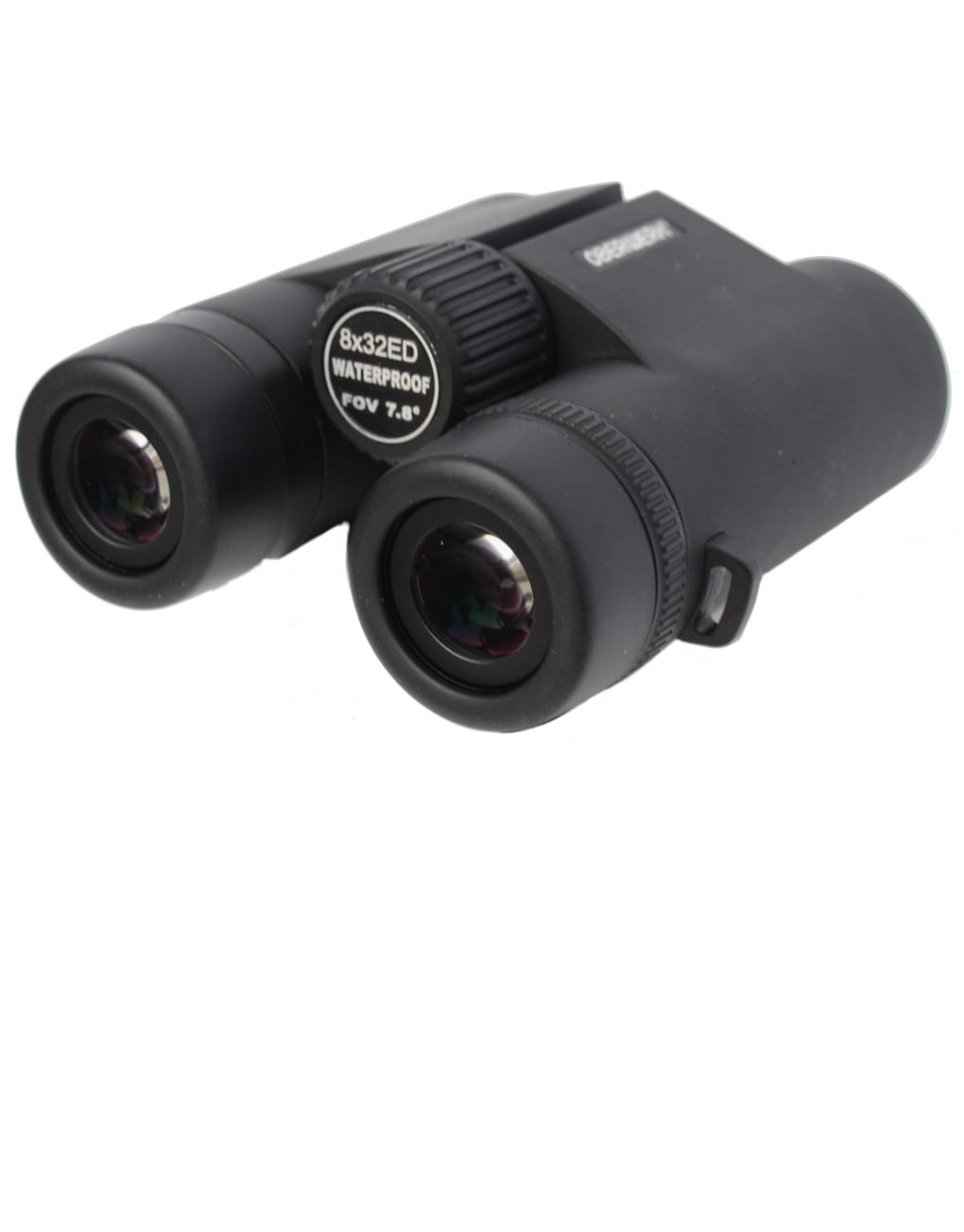
Credit: oberwerk.com
Frequently Asked Questions
Are Ed Binoculars More Fragile Than Regular Ones?
ED binoculars are not inherently more fragile. They use special glass for better clarity but are built with durable materials. Proper care and handling ensure their longevity, similar to regular binoculars.
How To Protect Ed Binoculars From Damage?
Use a sturdy case and avoid dropping or exposing them to harsh conditions. Clean lenses gently and store binoculars in a dry, safe place to prevent damage.
Can Moisture Harm Ed Binoculars?
Yes, moisture can damage internal components and affect lens quality. Many ED binoculars are waterproof or water-resistant, but it’s best to keep them dry and store them properly after use.
Do Ed Binoculars Require Special Maintenance?
ED binoculars need regular cleaning with a microfiber cloth and careful handling. Avoid harsh chemicals and extreme temperatures to maintain their optical performance and durability.
Conclusion
ED binoculars offer great image clarity and quality. They are made with strong materials but need careful handling. Dropping or hitting them can cause damage. Using a case helps protect your binoculars from accidents. Regular cleaning keeps lenses clear and working well.
Treat them gently to enjoy long-lasting use. Fragile? Not really, if you take good care. Choose durability and care for the best experience.