Are you wondering if ED binoculars really offer a brighter view compared to standard binoculars? If you want sharper, clearer images when you look through your binoculars, this question matters a lot.
Choosing the right binoculars can change how you experience nature, sports, or any outdoor adventure. You’ll discover exactly how ED binoculars work, what makes them different, and whether they truly give you brighter and better images. Keep reading to find out if upgrading your binoculars is worth it for your next outing.
Credit: www.opticswarehouse.co.uk
What Are Ed Binoculars
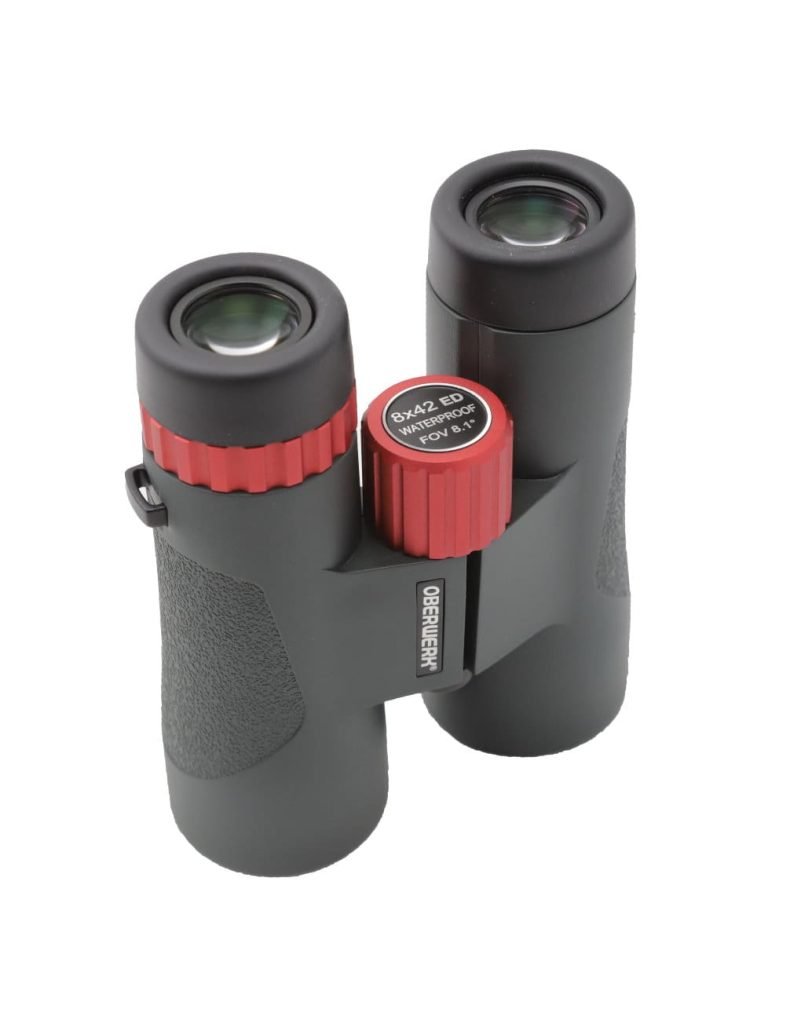
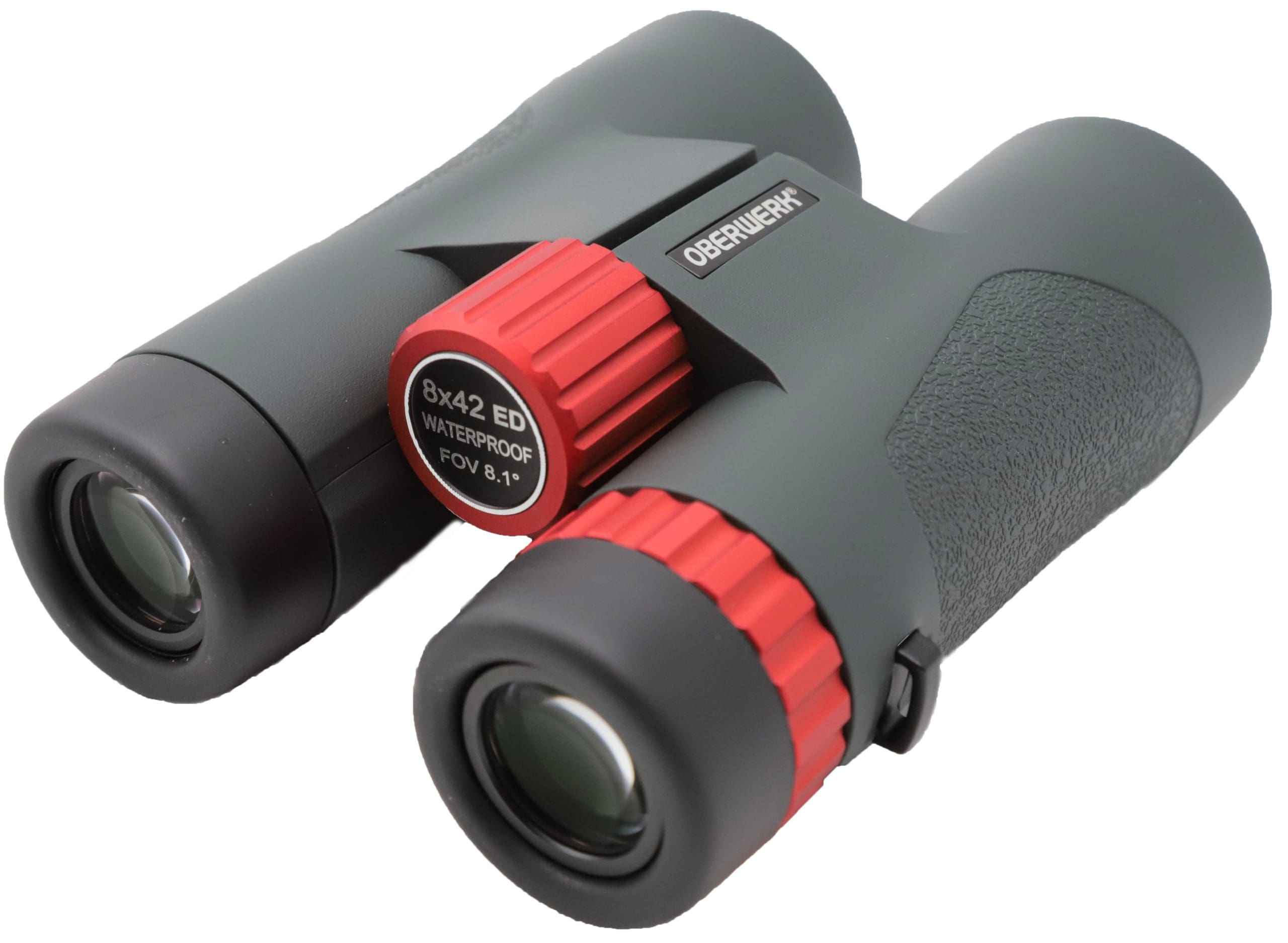
ED binoculars use special glass to improve image quality.
These binoculars reduce color blur and give clearer views.
Extra-low Dispersion Glass
ED stands for Extra-low Dispersion. This glass limits color fringing.
- ED glass reduces light scattering inside lenses.
- It helps focus all colors on the same point.
- This glass improves sharpness and detail in images.
- It is often used in high-quality binocular lenses.
Optical Benefits
Using ED glass gives several benefits to your viewing experience.
| Benefit | Description |
| Brighter Images | More light passes through lenses for clear views. |
| Sharper Details | Improved focus reduces blur and enhances edges. |
| Better Color Accuracy | Colors look natural without unwanted color shadows. |
| Less Eye Strain | Clearer images make it easier to look for longer times. |
Credit: oberwerk.com
How Brightness Is Measured
Brightness in binoculars depends on several factors. It affects how clear and vivid images look.
Understanding how brightness is measured helps in choosing the right binoculars for your needs.
Exit Pupil Size
Exit pupil size is the diameter of the light beam that leaves the eyepiece. It shows how much light reaches your eyes.
A larger exit pupil means a brighter image, especially in low light conditions.
| Exit Pupil Size (mm) | Brightness Level |
| 1 – 2 | Dim image, best for bright daylight |
| 3 – 4 | Good brightness, good for general use |
| 5 – 7 | Very bright, ideal for dawn or dusk |
Light Transmission
Light transmission is the amount of light that passes through the lenses. It is shown as a percentage.
Higher percentages mean more light reaches your eyes. This results in brighter and clearer images.
- 70% – 80% light transmission: average brightness
- 80% – 90% light transmission: good brightness
- Above 90%: excellent brightness
Coatings Impact
Coatings on lenses reduce glare and improve light transmission. They make images look brighter and sharper.
Different coatings provide different benefits. Here are common types:
- Single Coated: One layer on some lens surfaces
- Fully Coated: One layer on all air-to-glass surfaces
- Multi-Coated: Multiple layers on some surfaces
- Fully Multi-Coated: Multiple layers on all surfaces
Brightness Comparison: Ed Vs Standard
ED binoculars and standard binoculars differ in many ways. One key difference is brightness. Brightness affects how well you see details and colors.
We will look at how ED and standard binoculars compare in brightness. This helps you understand their performance in different conditions.
Image Clarity And Sharpness
ED binoculars use special glass to reduce chromatic aberration. This makes images clearer and sharper than standard binoculars.
Standard binoculars often show slight color fringing around objects. ED binoculars reduce this effect, offering better edge-to-edge sharpness.
- ED glass cuts down color blur
- Sharper images at all zoom levels
- Better detail visibility with ED glass
Color Accuracy
ED binoculars provide more accurate colors. The special glass limits color distortion, making colors look natural and true.
Standard binoculars may show colors that look washed out or slightly off. ED binoculars keep colors closer to real life.
- ED glass maintains natural colors
- Standard glass can cause color shifts
- Better color fidelity with ED binoculars
Low Light Performance
Brightness in low light depends on lens quality and size. ED binoculars often perform better due to clearer glass.
Standard binoculars may appear dimmer in dawn or dusk. ED binoculars let in more light and keep the image bright.
- ED binoculars show brighter images in low light
- Standard binoculars may lose brightness quickly
- Better visibility with ED glass at night or cloudy days
Factors Influencing Brightness
Brightness in binoculars depends on several key parts. These parts work together to affect how much light reaches your eyes.
Understanding these factors helps you choose binoculars that fit your needs, whether for day or night use.
Lens Quality
Lens quality impacts how clear and bright images appear. High-quality lenses let in more light and reduce glare.
- Glass type: Extra-low dispersion glass improves brightness and color.
- Coatings: Fully multi-coated lenses increase light transmission.
- Lens size: Larger lenses gather more light, enhancing brightness.
Prism Type
Prisms reflect light inside binoculars. The type of prism changes brightness and image quality.
| Prism Type | Brightness Effect | Common Use |
| Porro Prism | High brightness due to light path | General use and nature watching |
| Roof Prism | Compact but may lose some brightness | Sports and portable binoculars |
Binocular Design
The overall design affects brightness through lens size and light path efficiency.
- Objective lens diameter: Bigger lenses collect more light.
- Exit pupil size: Larger exit pupils give a brighter image.
- Body shape: Designs that reduce light loss improve brightness.
When To Choose Ed Binoculars
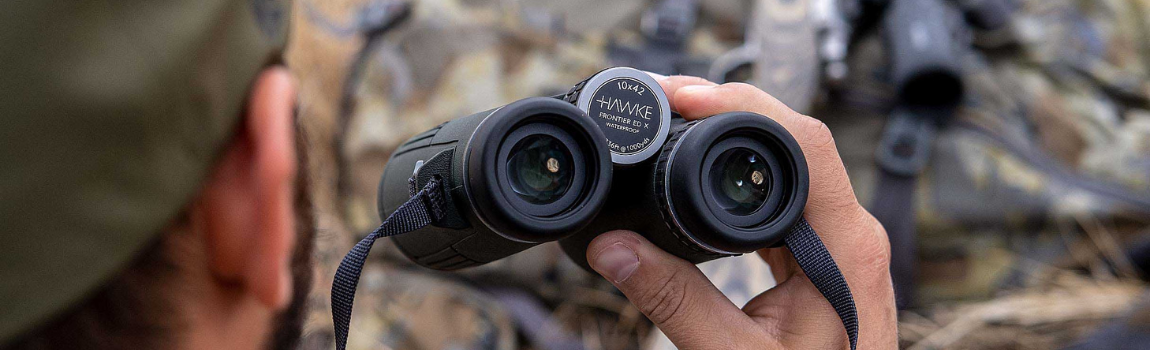
ED binoculars use special glass to reduce color blur. This makes images clearer and sharper than standard binoculars. They often appear brighter and show more detail.
These binoculars cost more but work best for certain activities. You should choose ED binoculars if you want clearer views in low light or need accurate color.
Birdwatching And Wildlife
ED binoculars help birdwatchers see fine details like feather colors. They reduce color fringing around edges. This makes birds and animals look more natural.
They also work well in shaded woods or early mornings. The extra brightness helps you spot animals in dim light.
Astronomy
People use ED binoculars for stargazing because they show sharper stars and planets. These binoculars reduce color blurs from bright lights in the night sky.
ED lenses improve contrast, making it easier to see small details on the moon or planets. They are great for beginners and casual astronomers.
Outdoor Activities
For hiking, camping, or hunting, ED binoculars provide clearer views of distant objects. They help you spot trails or animals in low light or fog.
These binoculars are useful in early morning or late evening when light is weak. Their sharper images and better brightness make outdoor adventures safer.

Credit: www.amazon.com
Cost Considerations
Choosing between ED binoculars and standard binoculars involves thinking about the price. Both types offer different features that affect their cost.
Understanding the price differences and value for performance can help you decide which binoculars suit your budget and needs.
Price Differences
ED binoculars usually cost more than standard binoculars. The extra cost is due to special glass that reduces color distortion and improves image quality.
- Standard binoculars are less expensive and good for casual use.
- ED binoculars have advanced lenses that raise the price.
- The price gap can be from $100 to several hundred dollars.
Value For Performance
| Feature | Standard Binoculars | ED Binoculars |
| Image Brightness | Good | Brighter and clearer |
| Color Accuracy | Standard | High |
| Price Range | $50 – $200 | $150 – $600+ |
| Best Use | Casual viewing | Birdwatching, astronomy |
ED binoculars offer better brightness and color, but they cost more. Decide if the improved view fits your budget and use.
Frequently Asked Questions
What Are Ed Binoculars?
ED binoculars use extra-low dispersion glass, reducing chromatic aberration for clearer, sharper images. They often provide better color accuracy and contrast. This makes them ideal for birdwatching and stargazing. They offer superior optical performance compared to standard binoculars.
How Do Ed Binoculars Improve Brightness?
ED binoculars use advanced optics to enhance light transmission. This improves image brightness and clarity in low-light conditions. They minimize light scattering, offering brighter and more detailed views. This makes them a popular choice for nature enthusiasts.
Are Ed Binoculars Worth The Investment?
Yes, ED binoculars offer superior image quality and durability. They provide clearer and brighter views, especially in challenging conditions. Their advanced optics and construction justify the higher cost. Many users find them a valuable upgrade from standard binoculars.
Do Ed Binoculars Reduce Eye Strain?
Yes, ED binoculars reduce eye strain with their superior optics. They offer clearer and more stable images, reducing the need for eye adjustment. Their design ensures comfortable viewing during prolonged use. This makes them ideal for extended observation sessions.
Conclusion
ED binoculars offer clearer and brighter views than standard ones. Their special glass reduces glare and improves light transmission. This means images look sharper, even in low light. Standard binoculars can still work well, but may not show as much detail.
Choosing ED binoculars benefits birdwatchers, hunters, and nature lovers. Brightness and clarity matter for a better experience. Consider your needs and budget before deciding. Bright views make outdoor adventures more enjoyable and memorable.