Are you wondering if digital binoculars could be the game-changer you need for surveillance? Choosing the right tool can make all the difference when it comes to keeping an eye on things.
Digital binoculars promise clearer images, zoom capabilities, and even night vision—but are they truly better than traditional ones? This article will help you discover the real advantages and possible drawbacks, so you can decide if digital binoculars are the right fit for your needs.
Keep reading to unlock the secrets behind this tech and make a smart choice for your next surveillance mission.
Credit: www.bestbuy.ca
Digital Binoculars Features
Digital binoculars combine traditional optics with modern technology. They offer many features that help with surveillance tasks.
Understanding these features can help you decide if digital binoculars are right for your needs.
Image Quality And Resolution
Digital binoculars use sensors to capture images. The resolution affects how clear and detailed the picture looks. Higher resolution means sharper images.
Good image quality helps identify objects or people from a distance during surveillance.
Zoom Capabilities
Zoom lets you see far away objects more clearly. Digital binoculars often have both optical and digital zoom. Optical zoom uses lenses, and digital zoom crops the image.
- Optical zoom keeps the image clear.
- Digital zoom can reduce image quality.
- Some models offer smooth zoom control.
Night Vision And Low Light Performance
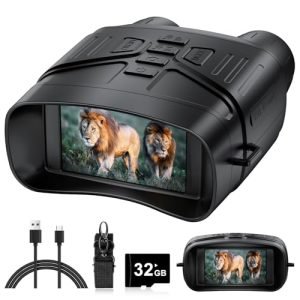
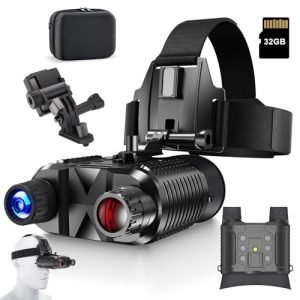
Many digital binoculars include night vision features. They use infrared or enhanced sensors to see in the dark. This is useful for surveillance at night or in poor light.
| Feature | Benefit |
| Infrared Night Vision | See clearly in total darkness |
| Low Light Sensors | Improve visibility at dawn or dusk |
| Automatic Brightness Adjustment | Enhances image quality in changing light |
Recording And Playback Options
Digital binoculars can record videos and take pictures. They store these files for later review. This helps in keeping evidence or tracking events.
Common recording features include:
- Internal memory or SD card slot
- Playback on built-in screens
- USB or wireless transfer to other devices

Credit: www.usnighthawk.com
Advantages For Surveillance
Digital binoculars offer several benefits that improve surveillance activities. They provide clearer images and easier ways to observe targets.
These tools help users see details from far away and share what they see instantly. This makes surveillance more effective and efficient.
Enhanced Detail Capture
Digital binoculars capture sharp images even in low light. They zoom in closely to show fine details clearly.
This helps identify faces, objects, or movements that regular binoculars might miss. The image quality is often better for careful observation.
Real-time Monitoring
Users can view live video through digital binoculars. This feature allows for immediate action if something important happens.
Some models can record and save footage. This makes it easy to review events later or share with others in real time.
Portability And Ease Of Use
Digital binoculars are light and easy to carry. They often have simple controls that beginners can use quickly.
Many devices have built-in screens, so no extra gear is needed. This makes them ready for use in different places and situations.
Integration With Other Devices
Digital binoculars can connect to smartphones, tablets, or computers. This allows sharing images or videos instantly.
Some models support GPS and night vision, adding more tools for surveillance. Integration helps users work with other tech easily.
Limitations To Consider
Digital binoculars offer new features for surveillance. They have some limits you should know.
Understanding these limits helps choose the right tool for your needs.
Battery Life Challenges
Digital binoculars rely on batteries to work. This can limit their use in long surveillance tasks.
Battery life may be shorter than expected, especially when using zoom or night vision.
- Continuous use drains batteries quickly
- Spare batteries add extra weight
- Charging options may not always be available
Cost Vs. Traditional Models
Digital binoculars often cost more than traditional ones. This higher price can be a barrier.
Traditional binoculars offer good quality at a lower price without extra features.
- Digital models include cameras and screens
- Maintenance and repairs can be expensive
- Traditional models are simpler and cheaper
Durability And Weather Resistance
Digital binoculars have sensitive electronic parts. They may not handle rough conditions well.
Traditional binoculars often have better weatherproofing and can survive drops better.
- Electronics can fail in wet or cold weather
- Extra care is needed to protect digital devices
- Traditional models are built to last outdoors
Learning Curve For Users
Digital binoculars may require time to learn. They have buttons and settings to understand.
Traditional binoculars are simple to use. They need less training and setup.
- Users must learn to operate digital screens
- Settings like zoom and recording need practice
- Traditional models work right out of the box

Credit: www.amazon.ca
Expert Recommendations
Digital binoculars offer new features that can help in surveillance tasks. They provide clear images and easy data recording. Experts suggest knowing when and how to use them for best results.
Choosing the right model and keeping it well-maintained improves performance. Understanding future trends can also prepare users for better tools ahead.
Best Use Cases
Digital binoculars work well in many surveillance settings. They help in security monitoring, wildlife observation, and night vision tasks. Experts recommend using them where image capture is important.
- Security patrols in large areas
- Monitoring wildlife at a distance
- Nighttime surveillance with infrared features
- Recording suspicious activities for evidence
Top Brands And Models
Several brands lead the market with reliable digital binoculars. These models offer good image quality and useful features. Experts suggest checking specs before buying.
| Brand | Model | Key Feature |
| OptiView | DX-300 | High-resolution zoom |
| ClearSight | CS-200 | Built-in night vision |
| VisionPro | VP-100 | Long battery life |
| NightLens | NL-500 | Infrared recording |
Maintenance Tips
Keeping digital binoculars in good condition extends their life. Experts advise cleaning lenses carefully and storing devices properly. Batteries should be charged and checked often.
- Use a soft cloth to clean lenses
- Store in a dry and dust-free case
- Remove batteries if not used for long
- Check firmware updates regularly
Future Trends In Digital Optics
Technology in digital binoculars is evolving fast. Experts expect better image sensors and lighter designs. Artificial intelligence may help with automatic target detection.
Future features may include:
- Higher resolution video streaming
- Enhanced low-light performance
- AI-based motion tracking
- Wireless data transfer
Comparing Digital And Optical Binoculars
Digital and optical binoculars serve the same purpose of helping you see distant objects clearly. They use different technology to do this. Understanding these differences helps decide which one fits better for surveillance tasks.
This comparison looks at how digital and optical binoculars perform, their best uses, user preferences, and cost value.
Performance Differences
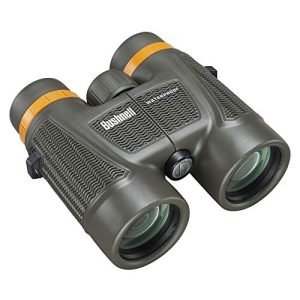
Optical binoculars use lenses and prisms to magnify images naturally. They give clear and sharp views without power. Digital binoculars use a camera sensor and screen to show the image.
Digital models may add features like night vision or recording. But they can have delay or lower image quality in low light. Optical binoculars offer better clarity in many cases.
Situational Effectiveness
Optical binoculars work well in bright daylight and natural conditions. Digital binoculars excel in darkness or low light thanks to infrared or digital enhancements.
For long surveillance sessions without power, optical binoculars are more reliable. Digital ones need batteries and may overheat in hot weather.
- Optical: Best for daytime and natural viewing
- Digital: Better for night or recording needs
- Power supply affects digital use time
User Preferences
Users who want simple, clear views often prefer optical binoculars. They are easy to use and do not require charging. Digital binoculars attract users who want extra functions like zoom or video capture.
Weight and size also matter. Optical binoculars can be lighter. Digital models tend to be bulkier due to electronics.
- Optical: Simplicity and light weight
- Digital: Extra features but heavier
- Battery life affects digital user comfort
Price And Value Analysis
Optical binoculars range from low to high price depending on lens quality. They offer good value for clear viewing without extra costs. Digital binoculars tend to cost more because of added technology.
Digital models may need extra spending on batteries or accessories. The choice depends on how much you value features versus simplicity.
| Type | Price Range | Key Value |
|---|---|---|
| Optical | Low to High | Clear image, no power needed |
| Digital | Medium to High | Extra features, needs power |
Frequently Asked Questions
What Are The Benefits Of Digital Binoculars For Surveillance?
Digital binoculars offer enhanced image clarity and zoom capabilities for surveillance. They often include features like night vision and image stabilization. This makes them ideal for monitoring in various light conditions. Additionally, they can record video and capture photos, providing valuable evidence for security purposes.
How Do Digital Binoculars Compare To Traditional Ones?
Digital binoculars provide advanced features like image and video capture, unlike traditional ones. They offer higher zoom levels and enhanced night vision. These features make them more versatile for surveillance tasks. Traditional binoculars lack these digital enhancements, making them less effective in low-light conditions.
Are Digital Binoculars Effective At Night?
Yes, digital binoculars are effective at night. They often come with built-in night vision technology. This allows for clear visibility in low-light conditions. This feature is crucial for nighttime surveillance, ensuring accurate monitoring. Traditional binoculars lack this capability, making digital options superior for nighttime use.
Do Digital Binoculars Require Frequent Maintenance?
Digital binoculars require minimal maintenance. Regularly clean lenses and check battery life for optimal performance. Ensure software is up-to-date for best results. Proper storage in a protective case can extend their lifespan. Unlike traditional binoculars, digital models may need occasional software updates for enhanced functionality.
Conclusion
Digital binoculars offer clear images and easy recording. They help spot details far away with less effort. Night vision and zoom features improve their use in the dark. But they need batteries and can be costly. Traditional binoculars work well without power and are simpler.
Choose based on your budget and needs. For quiet, long watches, digital models can help. Still, simple tools often do the job. Think about what fits your situation best.