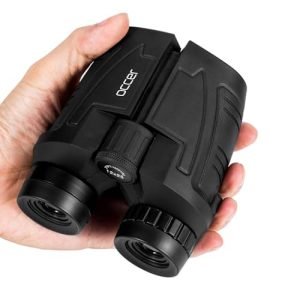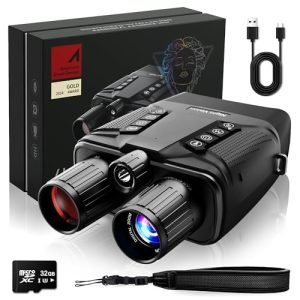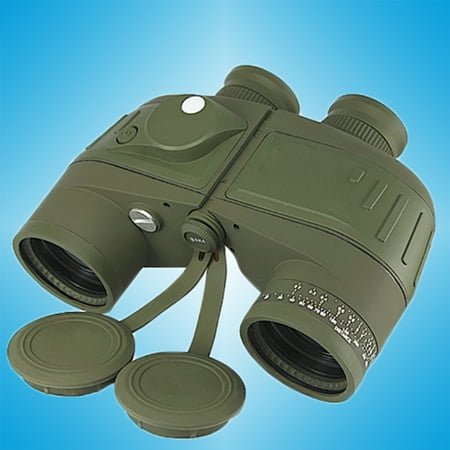
Are you wondering if close-focus binoculars can handle wet conditions without damage? Whether you enjoy birdwatching in the rain or spotting wildlife near water, knowing if your binoculars are waterproof is crucial.
Imagine missing a perfect view because your gear fogged up or got soaked. You’ll discover exactly what makes close-focus binoculars waterproof, why it matters for your adventures, and how to choose the right pair that won’t let you down. Keep reading to protect your investment and enjoy crystal-clear views no matter the weather.

Credit: www.amazon.com
Close-focus Binoculars Basics
Close-focus binoculars are designed to see objects up close clearly. They let you focus on things just a few feet away.
This makes them different from regular binoculars, which focus better on distant objects.
What Sets Close-focus Apart
Close-focus binoculars have special lenses and mechanisms. These allow sharp images at short distances.
They usually focus on objects as close as 3 to 6 feet. Regular binoculars often start focusing at 20 feet or more.
- Short minimum focusing distance
- Sharper images of nearby objects
- Better for viewing small details up close
- May have wider field of view at close range
Common Uses For Close-focus Binoculars
Close-focus binoculars are great for nature lovers and hobbyists. They help see insects, flowers, and small animals clearly.
People also use them for birdwatching, especially to watch birds on nearby branches. They are useful indoors too.
- Birdwatching in gardens or parks
- Observing insects and butterflies
- Watching flowers and plants closely
- Indoor use for art shows or theater
- Studying small objects in detail
Waterproof Features Explained
Close-focus binoculars can be used outdoors in wet conditions. Waterproofing helps protect them from water damage. Understanding how waterproof features work is important for choosing reliable binoculars.
We will look at the materials and sealing methods used. Then, we will explain IP ratings and what they mean for waterproof performance.
Materials And Sealing Techniques
Manufacturers use special materials to make close-focus binoculars waterproof. Rubber coatings cover the outer body for grip and water resistance. The internal parts often have seals and O-rings to block water entry.
- Rubber armoring protects against water and shocks
- O-rings seal joints and moving parts
- Hydrophobic coatings repel water on lenses
- Waterproof grease keeps lenses and prisms sealed
- Sealed eyecups prevent water from entering
Ip Ratings And What They Mean
IP ratings show how well binoculars resist dust and water. The rating has two numbers. The first is for dust protection. The second is for water resistance. A higher number means better protection.
| IP Code | Dust Protection | Water Protection |
| IPX4 | Not rated | Water splashes from any angle |
| IPX6 | Not rated | Powerful water jets |
| IPX7 | Not rated | Immersion up to 1 meter for 30 minutes |
| IP68 | Dust tight | Continuous immersion beyond 1 meter |
Close-focus Binoculars And Water Resistance
Close-focus binoculars let you see objects very near, often just a few feet away. They are great for bird watching and nature study.
Water resistance is important for binoculars used outdoors. It keeps the lenses clear and the inside dry in wet conditions.
Are They Built To Withstand Water?
Many close-focus binoculars are made to resist water. This means they can handle rain, splashes, and fog without damage.
Manufacturers add seals and special coatings to stop water from entering the binoculars. This also helps stop fogging inside the lenses.
- O-ring seals prevent water from leaking inside
- Nitrogen or argon gas fills stop fogging
- Rubber armor protects against moisture and drops
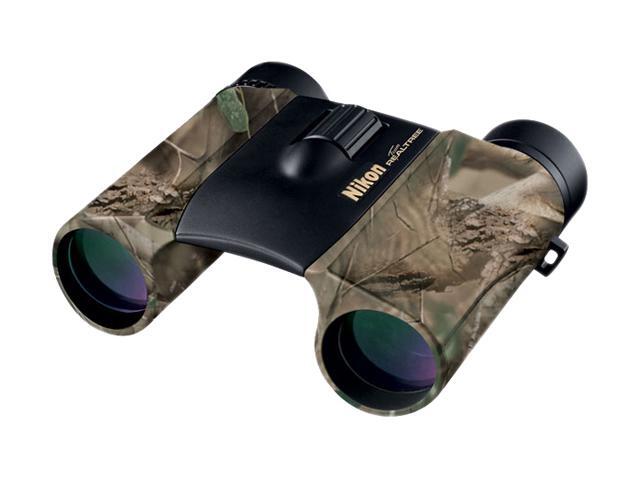
Popular Waterproof Close-focus Models
Some close-focus binoculars are well known for their water resistance. These models suit outdoor use and wet weather.
- Nikon Monarch 5: Waterproof and fog proof, with close focus under 7 feet
- Vortex Diamondback HD: Sealed and nitrogen purged for water resistance
- Bushnell Legend L-Series: Water resistant with close focus at 6.5 feet
Credit: www.teamduval.org
Maintenance Tips For Waterproof Binoculars
Waterproof binoculars are built to resist water damage. Proper care helps keep them working well for years. Cleaning and storing them correctly is important.
Follow simple steps after using your binoculars in wet conditions. This helps maintain their waterproof quality and clear view.
Cleaning After Exposure To Water
Rinse binoculars gently with fresh water after use in saltwater or dirty water. This removes salt, dirt, and grime that can harm the lenses and seals.
Use a soft cloth to dry them carefully. Avoid strong rubbing that may scratch the lenses. If needed, use a lens cleaning solution made for optics.
- Rinse with fresh water only
- Use a soft, clean cloth to dry
- Do not open or remove seals
- Use lens cleaner for spots or smudges
Storage To Preserve Waterproofing
Store binoculars in a dry, cool place to protect seals from damage. Avoid leaving them in direct sunlight or hot areas as heat can weaken waterproof seals.
Keep binoculars in their case or a protective pouch when not in use. This shields them from dust and accidental damage that might affect waterproofing.
- Store in a dry, cool spot
- Keep away from heat and sunlight
- Use a protective case or pouch
- Check seals regularly for damage
Choosing The Right Binoculars For Wet Conditions
Binoculars are great for seeing things up close. If you plan to use them outside, you need to think about weather. Rain, fog, and wet places can affect your binoculars.
It is important to pick binoculars that work well in wet conditions. Close-focus binoculars are good for seeing nearby objects. But are they waterproof? Let’s find out.
Features To Look For
Waterproof binoculars keep water out during rain or splashes. Look for binoculars with a sealed body. This stops water from getting inside and fogging the lenses.
Also, check for nitrogen or argon gas filling. This helps stop fog inside the lenses. Rubber armor helps protect binoculars from bumps and adds grip when wet.
- Waterproof and fog-proof sealing
- Gas-filled lenses to prevent fogging
- Rubber armor for grip and protection
- Good lens coatings for clear images in rain
Balancing Close-focus And Waterproof Needs
Close-focus binoculars let you see objects very near. Not all close-focus models are waterproof. You may need to choose between close-focus ability and water resistance.
Some brands make waterproof binoculars with close focus. These models may cost more. Decide what is more important for your use: seeing close or staying dry.
- Check the minimum focus distance before buying
- Look for waterproof rating like IPX7 or better
- Consider your main use: nature, sports, or marine
- Try binoculars in hand to feel the grip and size
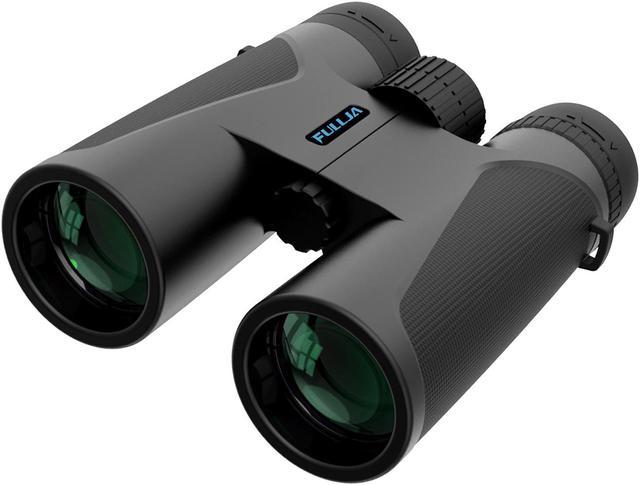
Credit: www.newegg.com
Frequently Asked Questions
Are All Close-focus Binoculars Waterproof?
No, not all close-focus binoculars are waterproof. Waterproofing depends on the model and manufacturer specifications. Always check product details before buying.
How Does Waterproofing Affect Close-focus Binoculars?
Waterproofing protects binoculars from rain, moisture, and fog. It ensures durability and clear vision in wet conditions. Waterproof models last longer outdoors.
Can I Use Non-waterproof Close-focus Binoculars In Rain?
Using non-waterproof close-focus binoculars in rain can damage internal parts. Moisture can cause fogging and corrosion. Waterproof binoculars are safer for wet use.
What Materials Make Close-focus Binoculars Waterproof?
Waterproof binoculars use sealed O-rings and nitrogen purging. These features prevent water and fog from entering the lenses. Quality materials enhance waterproofing reliability.
Conclusion
Close-focus binoculars can be waterproof. It’s a feature in many models. This helps in wet conditions. Always check product details before buying. Waterproofing protects binoculars from rain and moisture. Ideal for nature lovers and outdoor enthusiasts. Consider durability and water resistance.
These factors ensure longer life. Choose wisely for your adventures. Happy exploring!