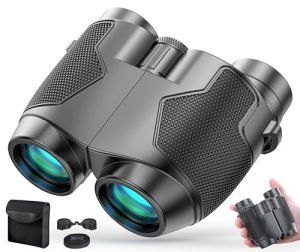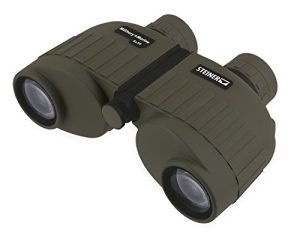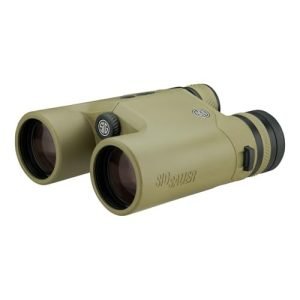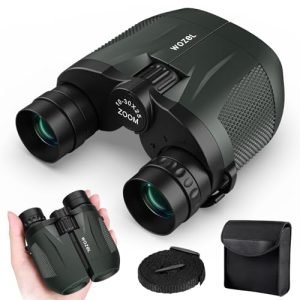
Are you passionate about exploring nature up close and personal? If so, you might be wondering if close-focus binoculars are the right choice for your adventures.
These special binoculars let you see tiny details just a few feet away—perfect for observing flowers, insects, or small animals without disturbing them. But are they really the best tool for naturalists like you? Keep reading to discover how close-focus binoculars can change the way you experience the natural world and whether they fit your needs perfectly.

Credit: johnmuirlaws.com
Benefits Of Close-focus Binoculars
Close-focus binoculars allow naturalists to see objects clearly at short distances. This feature helps observe fine details in plants and insects.
These binoculars improve the overall outdoor experience by offering sharp views nearby and far away. They suit many nature activities well.
Enhanced Detail Observation
Close-focus binoculars show small details clearly. You can watch leaves, flowers, and insects without moving too close. This helps avoid disturbing wildlife.
- See tiny features on plants and animals
- Spot patterns and textures easily
- Observe movement in small creatures
- Study natural details safely
Improved Birdwatching Experience
Birdwatchers enjoy close-focus binoculars because they can watch birds near and far. These binoculars help spot birds feeding or nesting without scaring them away.
| Feature | Benefit for Birdwatchers |
| Close Focus Distance | View birds less than 6 feet away |
| Wide Field of View | Track flying or moving birds easily |
| Lightweight Design | Carry binoculars for long trips |
Versatility In Different Environments
Close-focus binoculars work well in many places. You can use them in forests, gardens, or near water. They help you explore nature closely anywhere.
- Checking flowers and insects in gardens
- Watching animals along streams and lakes
- Exploring forest floor details
- Observing small animals in fields

Credit: sightmark.com
Key Features To Consider
Close-focus binoculars help naturalists see details up close. They are useful for viewing plants, insects, and birds nearby.
Choosing the right binoculars means looking at some key features. These features affect how well you can see and carry them.
Magnification And Lens Size
Magnification tells how much closer objects appear. Lens size shows how much light binoculars can gather.
High magnification is not always better for naturalists. It can make the image shaky and hard to hold steady.
- 5x to 8x magnification is best for close focus.
- Larger lenses (30mm to 42mm) give brighter images.
- Smaller lenses are lighter but may be dimmer.
Field Of View
The field of view shows how wide an area you can see. A wide field helps spot animals and plants easily.
Close-focus binoculars with a wide field let naturalists scan the environment quickly and find details nearby.
- Look for binoculars with at least 300 feet at 1000 yards.
- Wide fields reduce the need to move the binoculars often.
- A narrow field is harder for tracking moving objects.
Weight And Portability
Naturalists often walk long distances. Light and small binoculars are easier to carry.
Heavy binoculars can cause arm fatigue and are less fun to use for hours.
- Choose binoculars under 1.5 pounds for comfort.
- Compact designs fit better in bags and pockets.
- Waterproof and durable models last longer outdoors.
Comparing Close-focus Vs Standard Binoculars
Binoculars help naturalists see animals and plants clearly. Close-focus and standard binoculars differ in how near they let you see.
This guide explains the main differences and which type suits certain needs best.
Focusing Distance Differences
Close-focus binoculars let you focus on objects very near, usually less than 6 feet. Standard binoculars focus best on objects farther away, often starting around 10 feet.
Close-focus is useful for observing small plants, insects, and detailed textures. Standard binoculars work well for birdwatching and viewing distant wildlife.
Use Cases For Each Type
- Close-focus binoculars:Ideal for seeing details on flowers, butterflies, and leaves.
- Standard binoculars:Best for watching birds, deer, and animals at a distance.
- Close-focus helps naturalists study small subjects without disturbing them.
- Standard binoculars are better for scanning wide areas and spotting moving animals.
Image Clarity And Brightness
| Feature | Close-Focus Binoculars | Standard Binoculars |
|---|---|---|
| Image Clarity | Sharp at close range but may soften at long range | Clear at long distances, less sharp up close |
| Brightness | Can be slightly dimmer due to lens design | Often brighter with larger lenses |
| Eye Relief | Usually shorter, better for quick focus changes | Longer, good for extended viewing |
Challenges With Close-focus Binoculars
Close-focus binoculars are popular among naturalists for viewing plants and insects up close. They allow detailed observation of nearby subjects. Yet, these binoculars come with some challenges that users should know about.
Understanding these challenges helps naturalists choose the right binoculars for their needs. Let’s look at some common issues with close-focus binoculars.
Limited Range For Distant Viewing
Close-focus binoculars shine at short distances, but they often struggle with faraway objects. Their design focuses on near viewing, which can reduce clarity for distant scenes. This limits their use for spotting birds or animals that are far away.
Naturalists who want to view both close and far objects may find this limitation frustrating. Switching to a binocular with a wider focus range might be necessary for varied environments.
Potential Eye Strain
Using close-focus binoculars for long periods can cause eye strain. The eyes work harder to maintain focus at very short distances. This strain can lead to discomfort and headaches, especially during extended use.
Naturalists should take breaks and adjust the focus slowly to reduce eye fatigue. Proper use can help avoid discomfort when observing small details.
Cost Considerations
Close-focus binoculars often cost more than standard models. The lenses and mechanics needed for sharp close viewing add to the price. This can be a challenge for naturalists on a budget.
Spending more may be worth it for clear close-up views. Still, buyers should compare prices and features before deciding.
Tips For Choosing The Right Pair
Close-focus binoculars help naturalists see details up close. Picking the right pair makes your outdoor experience better. This guide shares simple tips to help you choose well.
Focus on features that matter for your needs. Try different models to find what works best for you. Comfort and clear vision are key points to check.
Testing Focus Range In Store
Check how close the binoculars can focus before you buy. Look for models that let you see objects just a few feet away. This helps when observing insects or plants.
- Bring a small object like a leaf or flower to test focus
- See if the image stays sharp at close distances
- Try focusing on both near and far objects quickly
- Ask store staff about the minimum focus distance
Assessing Comfort And Fit
Wear the binoculars for a few minutes to check comfort. Look for lightweight models with soft eye cups. Make sure the size fits your face well.
| Feature | What to Look For |
| Weight | Light enough to hold for hours |
| Eye Relief | At least 15 mm for glasses wearers |
| Grip | Non-slip surface for steady hold |
| Adjustments | Easy focus and diopter controls |
Reading Reviews And Recommendations
Look at reviews from other naturalists. They share real experiences about close-focus binoculars. Pay attention to comments on focus, comfort, and durability.
- Check trusted websites and forums for user feedback
- Note any common problems or praises
- Compare several models to see which is popular
- Look for expert advice on naturalist gear blogs

Credit: mohonkpreserve.medium.com
Popular Models For Naturalists
Close-focus binoculars help naturalists see details up close. These models are great for observing plants, insects, and small animals.
Choosing the right binoculars can improve your outdoor experience. Here are some top brands and what to expect from their models.
Top Close-focus Binoculars Brands
Several brands make binoculars with good close-focus features. These brands are trusted by many naturalists for their quality and durability.
- Nikon – Known for clear optics and good close-focus distance.
- Vortex – Offers rugged models with sharp images near and far.
- Zeiss – High-end optics with precise close-up viewing.
- Celestron – Affordable options with decent close-focus range.
- Leica – Premium build and excellent close-focus clarity.
Features Of Recommended Models
Close-focus binoculars have features that help naturalists get sharp views of nearby subjects. Here are some key features to look for.
- Close focus distance under 2 meters for detailed views.
- Wide field of view to track moving insects and animals.
- Lightweight design for long outdoor use.
- Waterproof and fog-proof for all weather conditions.
- Good eye relief to use with glasses comfortably.
Price Vs Performance
| Price Range | Typical Features | Best Use |
| Under $150 | Basic optics, moderate close focus, lighter build | Casual nature walks, beginner naturalists |
| $150 – $400 | Better clarity, closer focus, durable design | Regular use in varied environments |
| Above $400 | High-end optics, very close focus, rugged and waterproof | Serious naturalists and professionals |
Frequently Asked Questions
What Are Close-focus Binoculars?
Close-focus binoculars allow viewing objects very near, typically within 6 feet. They are ideal for observing details up close.
Why Do Naturalists Prefer Close-focus Binoculars?
Naturalists use close-focus binoculars to study insects, flowers, and birds with precision. They capture fine details not visible with regular binoculars.
How Do Close-focus Binoculars Benefit Wildlife Observation?
Close-focus binoculars enhance wildlife observation by providing sharp images of nearby subjects. This improves identification and appreciation of natural surroundings.
Are Close-focus Binoculars Suitable For All Natural Environments?
Yes, close-focus binoculars work well in forests, gardens, and wetlands. Their versatility helps naturalists explore diverse habitats effectively.
Conclusion
Close-focus binoculars are a great choice for naturalists. They offer clear views of nearby wildlife. This enhances the observation experience. With these binoculars, you see details you might miss otherwise. They are perfect for bird watching and insect study. Lightweight and easy to carry.
Makes them ideal for long nature walks. These binoculars can truly enrich your outdoor adventures. Consider them a useful tool for nature exploration. Enjoy the beauty of nature up close. Enhance your understanding and appreciation of wildlife. Close-focus binoculars make every naturalist’s journey more fulfilling.